

 プレビュー
プレビュー
 プリントを購入
 シェアする
シェアする シェアする
シェアする
 詳細を見る
詳細を見る

 ダウンロード
 似ている作品
 X線調査
X線調査 スライドショー
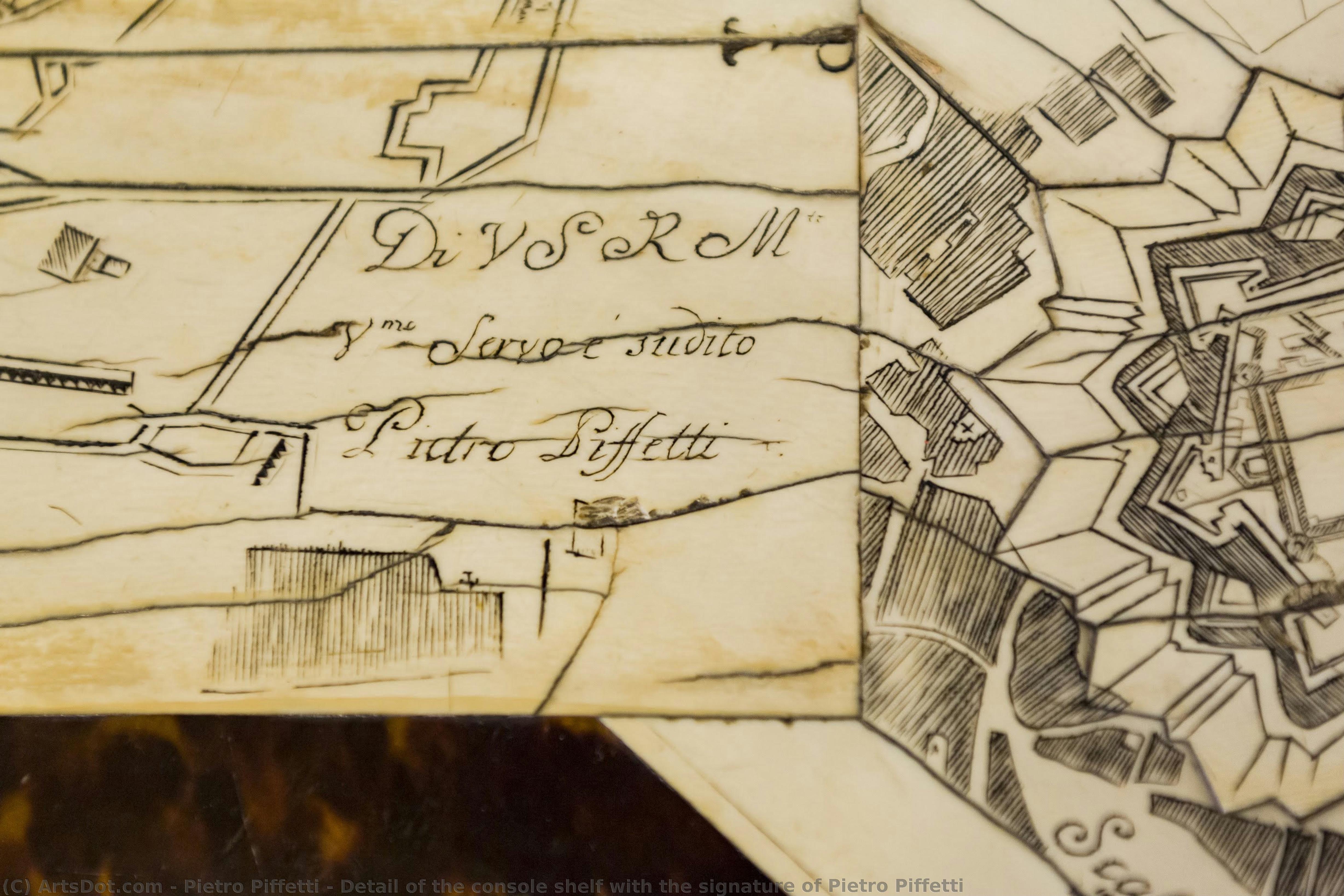
Detail of the console shelf with the signature of Pietro Piffetti

 詳細を見る
詳細を見る
オンラインプレビューをはるかに凌ぐ、高解像度で鮮明なデジタル画像をご購入いただけます。
各ファイルは、社内の専門家が高度なツールと熟練した手作業によるレタッチを用いて、細心の注意を払って準備されています。すべての画像において、卓越した鮮明度、正確な色彩再現性、そして繊細なディテールを保証いたします。
最終ファイルは、プロフェッショナルな編集・印刷環境ですぐにご利用いただけるよう最適化された状態で、72時間以内にメールにてお届けいたします。これは、一流のデザインスタジオ、出版社、ギャラリーから信頼されているものと同等の品質です。
デジタル画像のご注文に付随する特典
高品質なデジタル画像配信を、確かな品質で。
ArtsDot.com を選ぶことは、単に画像を手に入れることではありません。それは、プロの手によって精密に仕上げられ、満足保証が付いた高品質なデジタルアートワークを受け取ることを意味します。ご注文いただいた際に自動的に付随する内容は、以下の通りです:

メールですぐにお届け
ご注文から72時間以内に、高解像度のデジタル画像ファイルがメールでお手元に届きます。すぐにそのままご利用いただけます。

AI技術で最適化されたデジタルファイル
お客様の作品は、高度なAIツールと専門家による手作業の編集を組み合わせてプロフェッショナルに最適化されており、細部のディテール、鮮明さ、そして正確な色再現性を最大限に引き出しています。

一生涯無料の再送サービス
ファイルを誤って削除したり、紛失してしまったりしましたか?ご安心ください。いつでも無料で再送いたします。

輸入手数料は一切かかりません
関税や手数料、配送料を気にすることなく、お気に入りのアートワークをすぐにお楽しみいただけます。デジタルダウンロードは常に免税です。

色彩再現の保証
プロ仕様のツールとカラーマネジメント技術を用いることで、デジタル画像が元の色を最大限に忠実に再現することを保証いたします。

100日間満足保証
ご購入いただいたデジタル画像にご満足いただけない場合は、100日以内であれば、理由を問わず修正または100%の返金対応をさせていただきます。

100% 返金保証
ご満足いただけない場合は、デジタルファイルを受け取ってから100日以内であれば、理由を問わず全額返金いたします。

まとめ買い割引
3枚購入で10%OFF - 5枚購入で15%OFF - 10枚以上購入で20%OFF。クリエイティブなプロジェクト、ギャラリー、エージェンシーに最適です。
関連作品









作家の略歴
The Master of Savoy: Pietro Piffetti and the Art of Exquisite Furniture
Pietro Piffetti, a name synonymous with Italian luxury furniture during the 18th century, emerged from Turin in 1701 to become arguably the most celebrated cabinet-maker of his era. His legacy isn't simply one of craftsmanship; it’s a testament to artistic innovation and the fusion of diverse decorative techniques that defined the Rococo period. Born into a world steeped in Baroque grandeur, Piffetti’s early life remains somewhat shrouded in mystery, though scholars believe he likely received initial training within Turin itself, possibly under the tutelage of Ludovico De Rossi, a prominent Venetian master. The pivotal moment in his career arrived around 1730 when he was summoned to Rome and subsequently appointed as the first *ebanista di corte* (court cabinet-maker) by King Carlo Emanuele III of Savoy – a position he would hold with unparalleled distinction until his death in 1777, solidifying his status as the preeminent *ebanista sabaudo* (Savoyard cabinet-maker). This royal patronage provided him not only with stability but also access to the finest materials and an environment conducive to artistic experimentation.A Symphony of Materials: Piffetti’s Signature Style
What truly set Piffetti apart was his extraordinary command over a dazzling array of materials, transforming furniture into breathtaking works of art. His creations were far more than functional pieces; they were opulent displays of skill and artistry. Ivory, tortoise shell, metals, and precious woods – often sourced from distant lands – were meticulously inlaid to create intricate patterns and striking visual effects. Walnut briar veneer formed the foundation for many of his masterpieces, punctuated by contrasting darker woods and accented with delicate floral motifs or geometric designs. The use of wooden nails, a technique he pioneered, allowed for the creation of dramatically curved forms without compromising structural integrity—a testament to his ingenuity as much as his artistry. Beyond the materials themselves, Piffetti’s mastery lay in their harmonious combination; each element was carefully considered and placed to enhance the overall aesthetic impact. His furniture wasn't merely decorated; it *breathed* with an inherent elegance and sophistication that captivated discerning patrons of the time. A prime example of his artistry is a writing desk currently on display at Ca’ Rezzonico in Venice, widely regarded as one of his most significant achievements—a tangible representation of his unparalleled skill.Influences and Innovation: Bridging Traditions
Piffetti's work didn't emerge in a vacuum; it was shaped by the artistic currents of his time. While rooted in the Baroque tradition, he skillfully incorporated elements of Rococo style, characterized by its playful curves, asymmetrical designs, and emphasis on ornamentation. His connection to Riccardo Bruni (Richard Lebrun), a French cabinet-maker who worked in Rome, is particularly noteworthy. It’s believed that Piffetti honed his skills under Lebrun's guidance, absorbing the Parisian master’s expertise in intricate inlay techniques and refined design sensibilities. However, Piffetti didn't simply replicate existing styles; he synthesized them, forging a unique aesthetic identity that was distinctly Italian—a blend of French elegance and Piedmontese craftsmanship. His ability to anticipate emerging trends is also evident in his designs, with some scholars noting hints of Art Deco influences in the bold lines and geometric patterns found in pieces like the visionary commode now housed at The Metropolitan Museum of Art.Legacy and Historical Significance
Pietro Piffetti’s impact on the world of furniture design remains profound. He elevated cabinet-making to an art form, demonstrating that functional objects could also be expressions of exquisite beauty and technical virtuosity. His influence extended far beyond the Savoy court, inspiring generations of artisans and shaping the aesthetic landscape of 18th-century Italy. The meticulous detail, innovative techniques, and luxurious materials he employed continue to captivate collectors and scholars alike. Today, his surviving works are prized possessions in museums and private collections worldwide, serving as enduring testaments to the genius of a master craftsman who transformed furniture into timeless masterpieces. His legacy is not just about beautiful objects; it’s about the power of artistry to elevate everyday life and leave an indelible mark on history.
pietro piffetti
1701 - 1777 , Italy
プロフィール概要
- Artistic Movement Or Style: Rococo
- Artists Who Influenced This Artist: ['Ludovico De Rossi']
- Date Of Birth: 1701
- Date Of Death: 1777
- Full Name: Pietro Piffetti
- Nationality: Italian
- Notable Artworks: ["Writing desk (Ca' Rezzonico)"]
- Place Of Birth: Turin, Italy