

 プレビュー
プレビュー
 プリントを購入
 シェアする
シェアする シェアする
シェアする
 詳細を見る
詳細を見る

 ダウンロード
 似ている作品
 X線調査
X線調査 スライドショー
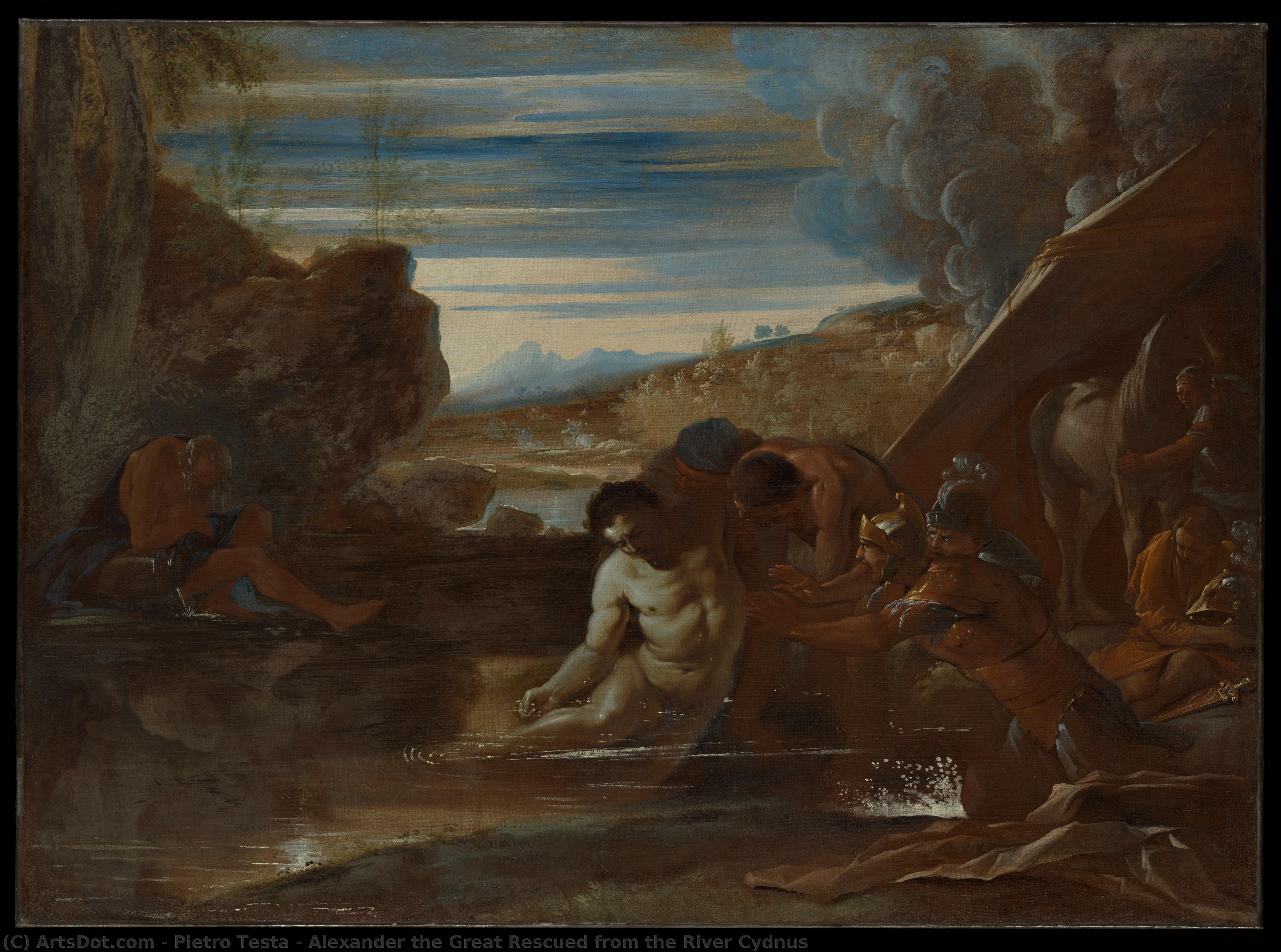
Alexander the Great Rescued from the River Cydnus
 Oil On Canvas
- WallArt
- Baroque
 1650
1650 97.0 x 137.0 cm
 メトロポリタン美術館
 詳細を見る
詳細を見る




P118B $10

P118H $10

P118W $10

P438Z $10

P508JH $12

P508YH $12

P805H $10

P805Z $10

P919BZ $10

P919G $10

P919XJ $10

P959ZH $10

P968JZ $12

W106C $8

W218G $10

W218JH $8

W218Y $10

W307PJ $10

W316G $10

W316PJ $8

W316Y $10

W398PJ $8

W4111J $10

W500HY $15

W500JH $15

W692G $12

W849H $8

W940BG $15

W953PJ $8




作品のオリジナル比率に合わせた、当店の規定サイズからお選びください。

特定のフレームやスペースに合わせて、ご希望のサイズをご入力いただけます。選択されたサイズが元の画像の比率と異なる場合、アートワークをトリミングするか、手描きで要素を追加して絵画を拡張いたします。デジタルモックアップ を制作し、制作開始前にご確認(承認)をいただきます。
画面上のプレビューは、実際のトリミングや拡張を正確に反映しているものではありません。最終的な構図は、モックアップによってのみ正確にご確認いただけます。
カスタムサイズもご利用いただけますが、元の比率を維持するためには、あらかじめ用意されたリストからサイズを選択することをお勧めいたします。
ご注文後、ArtsDot.com チームより詳細な指示をお送りするとともに、仕上がりイメージ(モックアップ)をご提供いたします。


 ガラスオプションは、110cm未満のサイズでのみご利用いただけます。

Alexander the Great Rescued from the River Cydnus
複製技法
複製画のサイズ
-


合計金額
$ 263
作品解説
A Dramatic Encounter with Fate: Pietro Testa’s “Alexander the Great Rescued from the River Cydnus”
Pietro Testa's "Alexander the Great Rescued from the River Cydnus," painted around 1650, is not merely a depiction of a historical rescue; it’s a profoundly melancholic meditation on mortality, ambition, and the precariousness of even the most celebrated heroes. Born in Lucca, Italy, Testa was a master printmaker and draftsman whose career, tragically cut short at just 47, left behind a legacy of hauntingly beautiful works, often imbued with an unsettling sense of foreboding. This particular painting, now housed within The Metropolitan Museum of Art, offers a glimpse into the artist’s intensely personal vision – a vision that seems to prefigure the somber landscapes of the Romantic era.
The scene unfolds with arresting immediacy. Alexander the Great, depicted as a youthful but already weary figure, is dramatically pulled from the swirling waters of the Cydnus River by his anxious soldiers. The composition is dominated by a sense of urgent action; limbs are flung outwards, faces contorted in panic and exertion, and the river itself seems to writhe with turbulent energy. Testa’s masterful use of chiaroscuro – the dramatic interplay of light and shadow – intensifies this feeling of chaos and vulnerability. The figures are rendered with an almost sculptural quality, their musculature taut and expressive, conveying both physical strength and a palpable sense of fear.
A Study in Light and Atmosphere: Technique and Style
Testa’s technique is characterized by a remarkable sensitivity to light and atmosphere, qualities that distinguish his work from the more rigid conventions of contemporary Baroque painting. He meticulously observed the effects of natural light on water and fabric, capturing the shimmering reflections and subtle gradations of tone with astonishing realism. The brushwork is loose and expressive, particularly in the depiction of the turbulent river – a deliberate departure from the smooth, polished surfaces favored by many of his contemporaries. The color palette is restrained, dominated by cool blues and greens that evoke the chill of the night and the ominous presence of the river.
Notably, Testa’s approach to rendering skin tones demonstrates an unusual understanding of light and shadow. He avoids the overly idealized representations common in portraiture, opting instead for a more nuanced and subtly shaded approach that imbues his figures with a sense of vulnerability and humanity. This attention to detail extends to the depiction of fabric, which appears both luxurious and realistically draped, adding another layer of visual complexity to the composition.
The Shadow of Biography: Context and Symbolism
The painting’s unsettling atmosphere is inextricably linked to Testa's own tragic biography. He died in 1650, reportedly by suicide, after a period of intense personal turmoil and professional setbacks. The legend surrounding his death – that he drowned while attempting to capture the light of a moonlit night – lends an almost mythical quality to the scene depicted on canvas. It’s believed Testa was struggling with feelings of despair and disillusionment, perhaps exacerbated by the failure of his public commissions.
The symbolism within the painting is rich and layered. Alexander, once a symbol of invincible power and military triumph, is now reduced to a vulnerable figure dependent on the assistance of others. The turbulent river represents not only physical danger but also the relentless passage of time and the inevitability of death. The soldiers’ frantic efforts to rescue him can be interpreted as a futile attempt to defy fate – a poignant reminder that even the greatest heroes are ultimately subject to mortality.
A Timeless Resonance: Emotional Impact and Legacy
"Alexander the Great Rescued from the River Cydnus" is more than just a historical painting; it’s a deeply moving exploration of human vulnerability and the fragility of life. Testa's masterful use of light, shadow, and composition creates an atmosphere of intense drama and emotional resonance that continues to captivate viewers centuries later. The painting’s melancholic beauty serves as a powerful reminder of the ephemeral nature of glory and the enduring power of art to confront profound existential questions. It stands as a testament to Testa's artistic genius – a hauntingly beautiful work that speaks volumes about the artist’s own troubled life and his unique vision of the world.
関連作品


関連記事
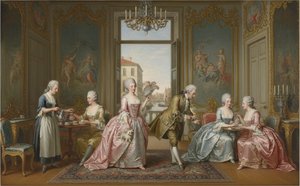
Pietro Longhi's Venetian Scenes: A Study of Rococo Society & Domestic Life
Explore the captivating world of Pietro Longhi's Venetian scenes! Discover insightful analysis of his Rococo masterpieces & social commentary on 18th-century life. Learn about this 'Venetian Hogarth' and his lasting artistic legacy.
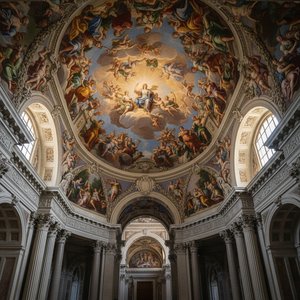
Pietro da Cortona: Baroque Grandeur & the Synthesis of Roman Painting
Explore the life & masterpieces of Pietro da Cortona, a defining figure of the Italian Baroque. Discover his stunning frescoes at Palazzo Barberini and lasting influence on Roman art history. Learn more with ArtsDot.
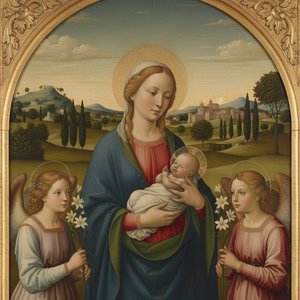
Pietro Perugino: A Renaissance Master's Legacy of Grace & Spiritual Depth
Explore the serene beauty & spiritual depth of Pietro Perugino's Renaissance masterpieces. Discover his influence on Raphael, key works like 'Baptism of Christ,' and legacy as a leading Umbrian painter.
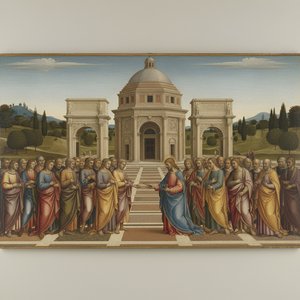
Pietro Perugino: Umbrian Master of Serenity & Precursor to Raphael's High Renaissance
Explore the life & art of Pietro Perugino, a pivotal Renaissance master and Raphael’s influential teacher. Discover his serene compositions, Sistine Chapel frescoes, and lasting legacy with ArtsDot.

葛飾北斎:25の傑作が語る浮世絵の世界 - ArtsDot
葛飾北斎の25選:『神奈川沖浪裏』や『富嶽三十六景』など、浮世絵の世界を深く探求。木版画の技法と日本美術の美をArtsDotで。高品質なアートプリントで空間に感動を。コレクションはこちら。

