

 プリントを購入
 シェアする
シェアする シェアする
シェアする
 詳細を見る
詳細を見る

 ダウンロード
 似ている作品
 スライドショー
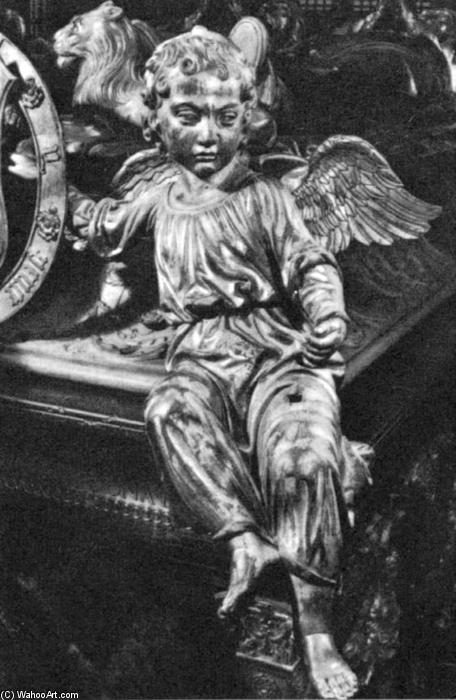
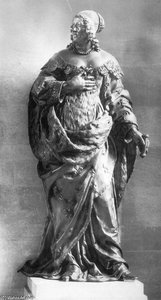
Monument to Henry VII (detail)


 詳細を見る
詳細を見る
オンラインプレビューをはるかに凌ぐ、高解像度で鮮明なデジタル画像をご購入いただけます。
各ファイルは、社内の専門家が高度なツールと熟練した手作業によるレタッチを用いて、細心の注意を払って準備されています。すべての画像において、卓越した鮮明度、正確な色彩再現性、そして繊細なディテールを保証いたします。
最終ファイルは、プロフェッショナルな編集・印刷環境ですぐにご利用いただけるよう最適化された状態で、72時間以内にメールにてお届けいたします。これは、一流のデザインスタジオ、出版社、ギャラリーから信頼されているものと同等の品質です。
デジタル画像のご注文に付随する特典
高品質なデジタル画像配信を、確かな品質で。
ArtsDot.com を選ぶことは、単に画像を手に入れることではありません。それは、プロの手によって精密に仕上げられ、満足保証が付いた高品質なデジタルアートワークを受け取ることを意味します。ご注文いただいた際に自動的に付随する内容は、以下の通りです:

メールですぐにお届け
ご注文から72時間以内に、高解像度のデジタル画像ファイルがメールでお手元に届きます。すぐにそのままご利用いただけます。

AI技術で最適化されたデジタルファイル
お客様の作品は、高度なAIツールと専門家による手作業の編集を組み合わせてプロフェッショナルに最適化されており、細部のディテール、鮮明さ、そして正確な色再現性を最大限に引き出しています。

一生涯無料の再送サービス
ファイルを誤って削除したり、紛失してしまったりしましたか?ご安心ください。いつでも無料で再送いたします。

輸入手数料は一切かかりません
関税や手数料、配送料を気にすることなく、お気に入りのアートワークをすぐにお楽しみいただけます。デジタルダウンロードは常に免税です。

色彩再現の保証
プロ仕様のツールとカラーマネジメント技術を用いることで、デジタル画像が元の色を最大限に忠実に再現することを保証いたします。

60日間満足保証
ご購入いただいたデジタル画像にご満足いただけない場合は、60日以内であれば、修正または100%の返金(理由を問う必要はありません)をさせていただきます。

100% 返金保証
ご満足いただけない場合は、デジタルファイルを受け取ってから60日以内であれば、理由を問わず全額返金いたします。

まとめ買い割引
3枚購入で10%OFF - 5枚購入で15%OFF - 10枚以上購入で20%OFF。クリエイティブなプロジェクト、ギャラリー、エージェンシーに最適です。
Monument to Henry VII by Pietro Torrigiano: A Testament to Renaissance Majesty
Pietro Torrigiano’s Monument to Henry VII stands as an enduring emblem of Florentine artistic prowess and the ambitious patronage of England's Tudor monarchs. Completed in 1512, commissioned by King Henry VIII following the divorce from Catherine of Aragon, this monumental sculpture embodies the ideals of humanist art – realism, meticulous detail, and a profound reverence for classical forms – reflecting the burgeoning Renaissance spirit that swept across Europe during its time. Located within Westminster Abbey, it remains one of the most striking examples of funerary sculpture produced in England during the period.A Sculptor’s Rivalry and Artistic Innovation
The genesis of Torrigiano's monumental undertaking is inextricably linked to a dramatic episode involving Michelangelo Buonarroti. Their collaboration on Masaccio’s frescoes in the Carmine chapel ended abruptly when Torrigiano reportedly assaulted Michelangelo after a perceived insult, resulting in a permanent deformity—a poignant reminder of the competitive fervor that characterized Florentine artistic circles. Despite this setback, Torrigiano persevered, securing royal commissions and honing his craft under the watchful eye of papal patronage, demonstrating remarkable resilience and dedication to his art.Detailed Examination: Composition and Technique
The sculpture itself depicts Henry VII and Elizabeth of York seated upon a throne crafted from alabaster, adorned with intricate carvings that evoke classical Roman grandeur. The angel figure flanking them exudes serenity and dignity, rendered in alabaster with exceptional precision—a testament to Torrigiano’s mastery of marble carving techniques. Strong lines delineate the contours of the figures' bodies and drapery, while graceful curves dominate the angel’s hair and robes, conveying a sense of movement and ethereal beauty. The sculptor skillfully employed shading and highlighting to sculpturally represent the textures of stone and fabric, capturing the essence of Renaissance realism.Symbolism and Emotional Resonance
Beyond its aesthetic qualities, the Monument to Henry VII carries profound symbolic significance. Angels traditionally represent divine messengers and purity—attributes deeply valued by Tudor monarchs seeking spiritual legitimacy for their reign. The seated posture embodies contemplation and reverence, reflecting the solemn purpose of commemorating the deceased rulers. Viewing this sculpture evokes a feeling of awe and admiration for the artistic achievements of the Renaissance era, transporting viewers back to a time of intellectual curiosity and artistic innovation.Historical Context: The Tudor Dynasty’s Artistic Vision
Henry VIII's decision to commission Torrigiano’s monumental tomb underscored his desire to solidify the monarchy’s prestige through grand artistic endeavors. This project aligns with the broader trend of royal patronage supporting ambitious sculptural projects aimed at glorifying the rulers and commemorating their legacy. The Monument to Henry VII stands as a tangible manifestation of Tudor England's embrace of humanist ideals and its aspiration to emulate the splendor of classical antiquity—a lasting testament to the transformative influence of Renaissance art on European culture.関連作品


作家の略歴
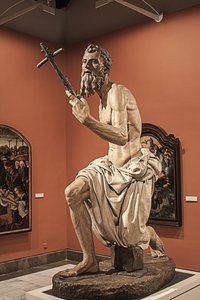
Pietro Torrigiano: A Florentine Sculptor in England
- Born: Florence, Italy (1472)
- Died: 1528
Early Life and Training
Pietro Torrigiano was born in Florence in 1472. He emerged as a significant sculptor within the Florentine school of the Renaissance, known for introducing Italian artistic styles to England. His early training took place under the patronage of Lorenzo de' Medici, alongside other talented youths studying art at that time. A defining moment in his youth was a violent altercation with Michelangelo Buonarroti. While copying frescoes by Masaccio in the Carmine chapel, Torrigiano reportedly struck Michelangelo on the nose after a slighting remark, resulting in a permanent disfigurement. This incident led to his exile from Florence.
Career and Artistic Development
Following his expulsion from Florence, Torrigiano spent time as a hired soldier before finding patronage in Rome, assisting Pinturicchio with stucco decorations for the Apartamenti Borgia under Pope Alexander VI. His skills eventually brought him to England around 1507, where he gained royal commissions. He produced terracotta sculptures depicting Henry VII, Henry VIII, and John Fisher. A significant achievement was the creation of the intensely realistic funeral effigy of Henry VII.
Major Works and Royal Commissions
- Tomb of Lady Margaret Beaufort: Completed in 1510, this work established Torrigiano's reputation in England.
- Monument to Henry VII and Elizabeth of York: Located in the Henry VII Lady Chapel of Westminster Abbey, this magnificent effigial monument is considered "the finest Renaissance tomb north of the Alps." It showcases detailed modeling and a fine posthumous portrait of King Henry VII.
- Altar, Retable, and Baldacchino for Henry VII's Monument: Torrigiano was commissioned to create these elaborate additions to the Henry VII monument. While largely destroyed by Puritans in the 17th century, fragments remain, demonstrating his skill in marble and terra cotta work.
- Funerary Monument for Henry VIII: Commissioned but never completed, this project aimed to surpass the scale of the Henry VII monument. The bronze intended for its construction was melted down during the Commonwealth period.
- Monument to Dr John Yonge: Torrigiano contributed to the monument of Dr John Yonge, Master of the Rolls, in the Rolls Chapel.
- Tomb of John Colet: He may have been responsible for the tomb of John Colet, though it was lost in the 1666 Great Fire of London.
Influences and Historical Significance
Torrigiano's work demonstrates influences from earlier Renaissance masters like Masaccio and Bertoldo di Giovanni. His ability to introduce Italian Renaissance artistic techniques to England significantly impacted English art during the Tudor period. While his career was marked by a volatile temperament, his skill as a sculptor is undeniable, particularly evident in the realism and detail of his royal commissions. He stands out for being one of the first Italian sculptors to work extensively in England, bridging the gap between continental Renaissance styles and emerging English artistic traditions.
Pietro Torrigiano
1472 - 1528 , Italy
プロフィール概要
- Artistic Movement Or Style: Florentine Renaissance
- Artists Who Influenced This Artist:
- Masaccio
- Michelangelo
- Bertoldo di Giovanni
- Date Of Birth: 1472
- Date Of Death: 1528
- Full Name: Pietro Torrigiano
- Nationality: Italian
- Notable Artworks:
- Henry VII tomb
- Henry VIII funerary monument
- Lady Margaret Beaufort's tomb
- Place Of Birth (City And Country): Florence, Italy

