

 プレビュー
プレビュー
 シェアする
シェアする シェアする
シェアする
 詳細を見る
詳細を見る

 ダウンロード
 似ている作品
 X線調査
X線調査 スライドショー
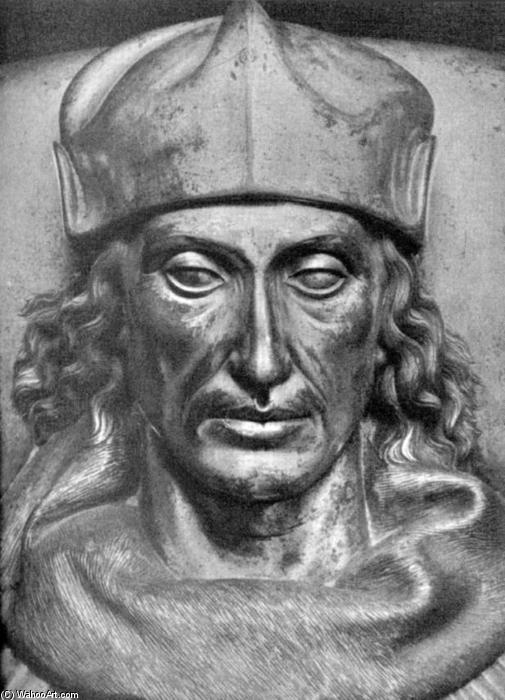
Monument to Henry VII (detail)


 詳細を見る
詳細を見る
ジークレー/アートプリント
迅速な制作と多彩な仕上げオプションを備えた、ミュージアムクオリティのジークレーまたはキャンバスプリント。 ( 手描きの絵画を購入 画像を購入)




P118B $10

P118H $10

P118W $10

P438Z $10

P508JH $12

P508YH $12

P805H $10

P805Z $10

P919BZ $10

P919G $10

P919XJ $10

P959ZH $10

P968JZ $12

W106C $8

W218G $10

W218JH $8

W218Y $10

W307PJ $10

W316G $10

W316PJ $8

W316Y $10

W398PJ $8

W4111J $10

W500HY $15

W500JH $15

W692G $12

W849H $8

W940BG $15

W953PJ $8




作品のオリジナル比率に合わせた、当店の規定サイズからお選びください。

特定のフレームやスペースに合わせて、ご自身でサイズを指定することも可能です。選択されたサイズが元の画像の比率と一致しない場合、作品をトリミングするか、鏡面反射または単色での塗りつぶしによって画像を拡張いたします。制作を開始する前に、ご確認用のデジタルモックアップをお送りいたします。
画面上のプレビューには、実際のトリミングや拡張は反映されませんのでご注意ください。最終的な構図を正確に確認できるのは、モックアップのみとなります。
カスタムサイズも承っておりますが、元の比率を維持するためには、あらかじめ用意されたリストからサイズを選択することをお勧めいたします。


 ガラスオプションは、110cm未満のサイズでのみご利用いただけます。

Monument to Henry VII (detail)
ジークレー/アートプリント
複製画のサイズ
-


合計金額
$ 62
A Regal Gaze: Pietro Torrigiano’s Monumental Portrait of Henry VII
The image before us is more than just a sculpted head; it's a frozen moment of authority, a testament to the ambition and enduring legacy of Henry VII. Carved by the Florentine sculptor Pietro Torrigiano in 1512, this portrait offers a profound glimpse into the character of England’s first Tudor king – a man both formidable and subtly melancholic. The monochrome palette, achieved through meticulous stone carving and likely enhanced over centuries, immediately establishes a timeless quality, stripping away the distractions of color to focus entirely on form and texture.
Torrigiano's skill is evident in every meticulously rendered detail. The strong lines defining the face – the prominent brow, the firm jawline, the carefully sculpted lips – speak to a deliberate effort to convey strength and resolve. Yet, it’s not merely a portrait of power; there’s an underlying sense of weariness etched into the lines around the eyes and mouth, suggesting a life spent navigating treacherous political waters. The slight tilt of the head adds dynamism, drawing the viewer in for a closer examination of this complex figure.
Renaissance Realism and Florentine Influence
This sculpture is a prime example of Renaissance realism, reflecting Torrigiano’s training under the great masters of Florence. He brought with him the Italian emphasis on anatomical accuracy and naturalistic representation, which was relatively new to English art at the time. The level of detail – from the individual strands of hair to the subtle creases in the skin – demonstrates a profound understanding of human anatomy and a commitment to capturing the likeness of his subject with remarkable fidelity. The influence of Florentine sculpture is palpable; Torrigiano’s work shares a similar emphasis on conveying character through gesture and expression, moving beyond mere imitation to capture the essence of the individual.
A Royal Legacy: Symbolism and Context
Henry VII's tomb was intended as a monumental statement of royal power and legitimacy. Commissioned after his victory at Bosworth Field, it aimed to solidify his claim to the throne and establish a new dynasty. The crown or elaborate hat worn by the figure is not merely decorative; it’s a potent symbol of kingship, signifying authority, divine right, and the continuity of the monarchy. The aged features, despite their regal setting, subtly hint at the burdens of leadership – a reminder that even the most powerful rulers are subject to time and mortality. The sculpture was part of a larger complex designed to impress upon future generations the importance of the Tudor dynasty.
Craftsmanship and Technique: A Master’s Hand
Torrigiano worked primarily with marble, a material prized for its durability and ability to capture fine detail. The rough texture visible on the surface is not a flaw but rather a deliberate artistic choice – a testament to the sculpting process itself. The interplay of light and shadow, expertly rendered through the carving, creates a dramatic chiaroscuro effect, emphasizing the three-dimensionality of the sculpture and highlighting its textures. This masterful use of light and shadow brings the figure to life, revealing the subtle nuances of his expression and form. The scale of the piece – originally intended for a monumental tomb – further underscores Torrigiano’s ambition and technical prowess.
Collecting a Piece of History
Reproductions of this iconic portrait offer a remarkable opportunity to bring a touch of Tudor history into any setting. Whether displayed in a grand hall or a smaller room, this sculpture captures the essence of a pivotal moment in English history – a reminder of the ambition, power, and enduring legacy of Henry VII. Consider commissioning a hand-painted reproduction from ArtsDot.com to experience the artistry and craftsmanship of Torrigiano’s original work, ensuring that this regal gaze continues to inspire for generations to come.
関連作品
アーティストの略歴
Pietro Torrigiano: A Florentine Sculptor in England
- Born: Florence, Italy (1472)
- Died: 1528
Early Life and Training
Pietro Torrigiano was born in Florence in 1472. He emerged as a significant sculptor within the Florentine school of the Renaissance, known for introducing Italian artistic styles to England. His early training took place under the patronage of Lorenzo de' Medici, alongside other talented youths studying art at that time. A defining moment in his youth was a violent altercation with Michelangelo Buonarroti. While copying frescoes by Masaccio in the Carmine chapel, Torrigiano reportedly struck Michelangelo on the nose after a slighting remark, resulting in a permanent disfigurement. This incident led to his exile from Florence.
Career and Artistic Development
Following his expulsion from Florence, Torrigiano spent time as a hired soldier before finding patronage in Rome, assisting Pinturicchio with stucco decorations for the Apartamenti Borgia under Pope Alexander VI. His skills eventually brought him to England around 1507, where he gained royal commissions. He produced terracotta sculptures depicting Henry VII, Henry VIII, and John Fisher. A significant achievement was the creation of the intensely realistic funeral effigy of Henry VII.
Major Works and Royal Commissions
- Tomb of Lady Margaret Beaufort: Completed in 1510, this work established Torrigiano's reputation in England.
- Monument to Henry VII and Elizabeth of York: Located in the Henry VII Lady Chapel of Westminster Abbey, this magnificent effigial monument is considered "the finest Renaissance tomb north of the Alps." It showcases detailed modeling and a fine posthumous portrait of King Henry VII.
- Altar, Retable, and Baldacchino for Henry VII's Monument: Torrigiano was commissioned to create these elaborate additions to the Henry VII monument. While largely destroyed by Puritans in the 17th century, fragments remain, demonstrating his skill in marble and terra cotta work.
- Funerary Monument for Henry VIII: Commissioned but never completed, this project aimed to surpass the scale of the Henry VII monument. The bronze intended for its construction was melted down during the Commonwealth period.
- Monument to Dr John Yonge: Torrigiano contributed to the monument of Dr John Yonge, Master of the Rolls, in the Rolls Chapel.
- Tomb of John Colet: He may have been responsible for the tomb of John Colet, though it was lost in the 1666 Great Fire of London.
Influences and Historical Significance
Torrigiano's work demonstrates influences from earlier Renaissance masters like Masaccio and Bertoldo di Giovanni. His ability to introduce Italian Renaissance artistic techniques to England significantly impacted English art during the Tudor period. While his career was marked by a volatile temperament, his skill as a sculptor is undeniable, particularly evident in the realism and detail of his royal commissions. He stands out for being one of the first Italian sculptors to work extensively in England, bridging the gap between continental Renaissance styles and emerging English artistic traditions.
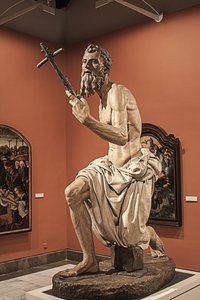
Pietro Torrigiano
1472 - 1528 , Italy
基本情報
- Artistic Movement Or Style: Florentine Renaissance
- Artists Who Influenced This Artist:
- Masaccio
- Michelangelo
- Bertoldo di Giovanni
- Date Of Birth: 1472
- Date Of Death: 1528
- Full Name: Pietro Torrigiano
- Nationality: Italian
- Notable Artworks:
- Henry VII tomb
- Henry VIII funerary monument
- Lady Margaret Beaufort's tomb
- Place Of Birth (City And Country): Florence, Italy
関連記事
アンリ・マティスの傑作25選:色彩と情熱の軌跡|ArtsDot
アンリ・マティスの傑作25選🎨 色彩と情熱が織りなす世界を旅する。フォーヴィスム代表の巨匠、マティスの絵画の魅力と歴史を紐解きます。ArtsDotで高品質なアートプリントや複製画を見つけ、インテリアに芸術的な輝きを✨ Explore the full collection online

Bronze Sculptures That Defined Art History | ArtsDot
Journey through art history with our Top 10 bronze sculptures! Explore masterpieces by Rodin, Michelangelo & more. Discover stories behind iconic statues and find museum-quality reproductions for your home decor at ArtsDot.com.

The Enduring Form: Exploring Themes & Techniques in Sculpture Across Historical Periods
Explore the rich history of sculpture from ancient masterpieces to contemporary innovations. Discover key techniques, influential artists & investment potential for discerning art collectors.
Henry Moore: Sculpting Modernity – Form, Emotion & the Human Condition
Explore the revolutionary sculptures of Henry Moore – abstract forms, reclining figures & powerful expressions of the human condition. Discover his legacy & artistic process with ArtsDot.

The Enduring Form: Sculpture Across History, Technique & Emotional Resonance
Explore the rich history of sculpture with ArtsDot. Discover key techniques, influential artists & investment potential for discerning collectors. Expert insights into valuing and collecting timeless masterpieces.

