

 プレビュー
プレビュー
 プリントを購入
 シェアする
シェアする シェアする
シェアする
 詳細を見る
詳細を見る

 ダウンロード
 似ている作品
 X線調査
X線調査 スライドショー
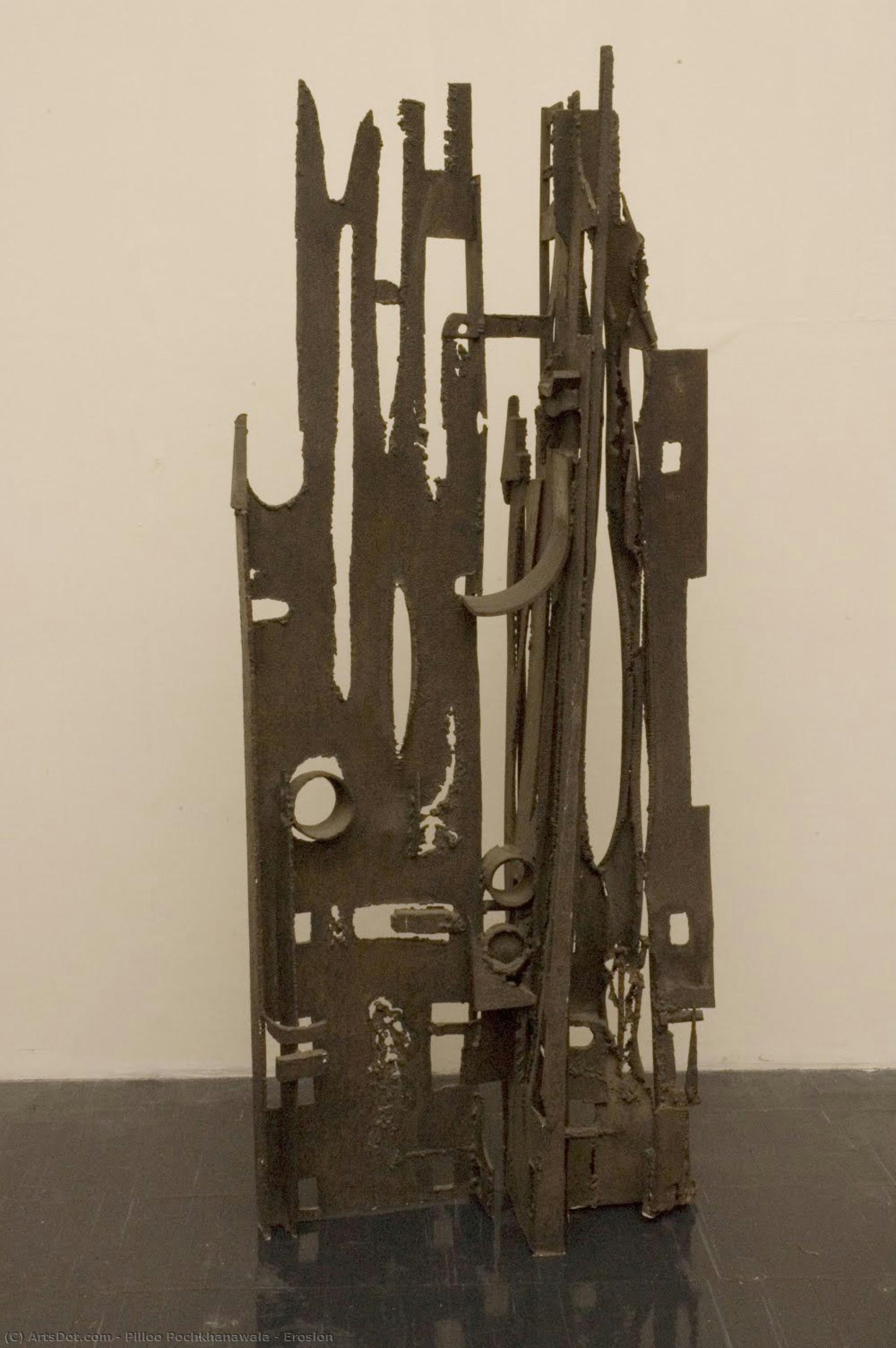
Erosion

 詳細を見る
詳細を見る




































作品のオリジナル比率に合わせた、当店の規定サイズからお選びください。

特定のフレームやスペースに合わせて、ご希望のサイズをご入力いただけます。選択されたサイズが元の画像の比率と異なる場合、アートワークをトリミングするか、手描きで要素を追加して絵画を拡張いたします。デジタルモックアップ を制作し、制作開始前にご確認(承認)をいただきます。
画面上のプレビューは、実際のトリミングや拡張を正確に反映しているものではありません。最終的な構図は、モックアップによってのみ正確にご確認いただけます。
カスタムサイズもご利用いただけますが、元の比率を維持するためには、あらかじめ用意されたリストからサイズを選択することをお勧めいたします。
ご注文後、ArtsDot.com チームより詳細な指示をお送りするとともに、仕上がりイメージ(モックアップ)をご提供いたします。


 ガラスオプションは、110cm未満のサイズでのみご利用いただけます。

Erosion
複製技法
複製画のサイズ
-


合計金額
$ 263
関連作品









アーティストの略歴
The Emerence of a Sculptural Vision
Born into the vibrant and complex tapestry of Mumbai in 1923, Pilloo Pochkhanawala’s journey toward the forge was far from a predetermined path. Raised within a traditional Parsi family during the transformative years of India's struggle for independence, her early life was shaped by a cultural awareness that would later find profound expression in the rhythmic textures of her work. Initially pursuing a degree in commerce at Bombay University and finding employment in the fast-paced world of advertising, it was not until a pivotal voyage to Europe in 1951 that her true vocation revealed itself. This journey acted as a powerful catalyst; encountering the monumental works of masters such as Henry Moore, Barbara Hepworth, and Brancusi, she experienced what she described as a "visual bolt"—an emotional and intellectual shock that rendered the stability of her commercial career suddenly insufficient.Forging Identity through Metal and Motion
The metamorphosis from a commerce graduate to a pioneer of modern Indian sculpture required a descent into the raw, elemental world of metallurgy. Guided by the mentorship of N.G. Pansare, Pochkhanawala began to experiment with the heavy, tactile realities of cement and lead, but it was her eventual mastery of welding that would define her artistic signature. She possessed a singular ability to see potential in the discarded, skillfully manipulating scrap iron and steel fragments to create dynamic, organic forms that seemed to pulse with life. Her technique bridged the gap between industrial grit and poetic grace, as she fused jagged edges into fluid, rhythmic compositions inspired by the natural world. Through this process of direct manipulation, her sculptures became more than mere objects; they were energetic explorations of human expression and biological vitality, carved from the very bones of the modern age.A Legacy Cast in Steel
Beyond the physical weight of her steel works, Pochkhanawala’s influence extended into the very infrastructure of the Indian art community. She was not merely a creator of forms but a vital facilitator of the arts in Bombay, playing a pivotal role in the transformation of the Sir Cowasji Jehangir Hall into the prestigious National Gallery of Modern Art. Her commitment to the growth of her peers was evident in her organization of the Bombay Art Festival and her tireless efforts to foster a modern sculptural language in India. Her accolades—including silver medals from the All India Sculptors’ Association and the Bombay Art Society, alongside the esteemed Lalit Kala Akademi Award—served as recognition for a woman who had broken through the gendered barriers of her era. Today, her work remains a testament to the power of reinvention, standing as a permanent fixture in the annals of modernism, where the strength of steel meets the delicate nuance of the human spirit.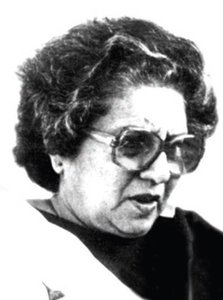
pilloo pochkhanawala
1923 - 1986 , India
基本情報
- Artistic Movement Or Style: Modern Indian Sculpture
- Artists Or Movements Influenced By This Artist: ['Barbara Hepworth']
- Artists Who Influenced This Artist:
- Henry Moore
- Kenneth Armitage
- Date Of Birth: Mumbai, India (1923)
- Full Name: Pilloo Pochkhanawala
- Nationality: Indian
- Notable Artworks: ['Erosion']
- Place Of Birth: Bombay