

 シェアする
シェアする シェアする
シェアする
 詳細を見る
詳細を見る

 ダウンロード
 似ている作品
 スライドショー
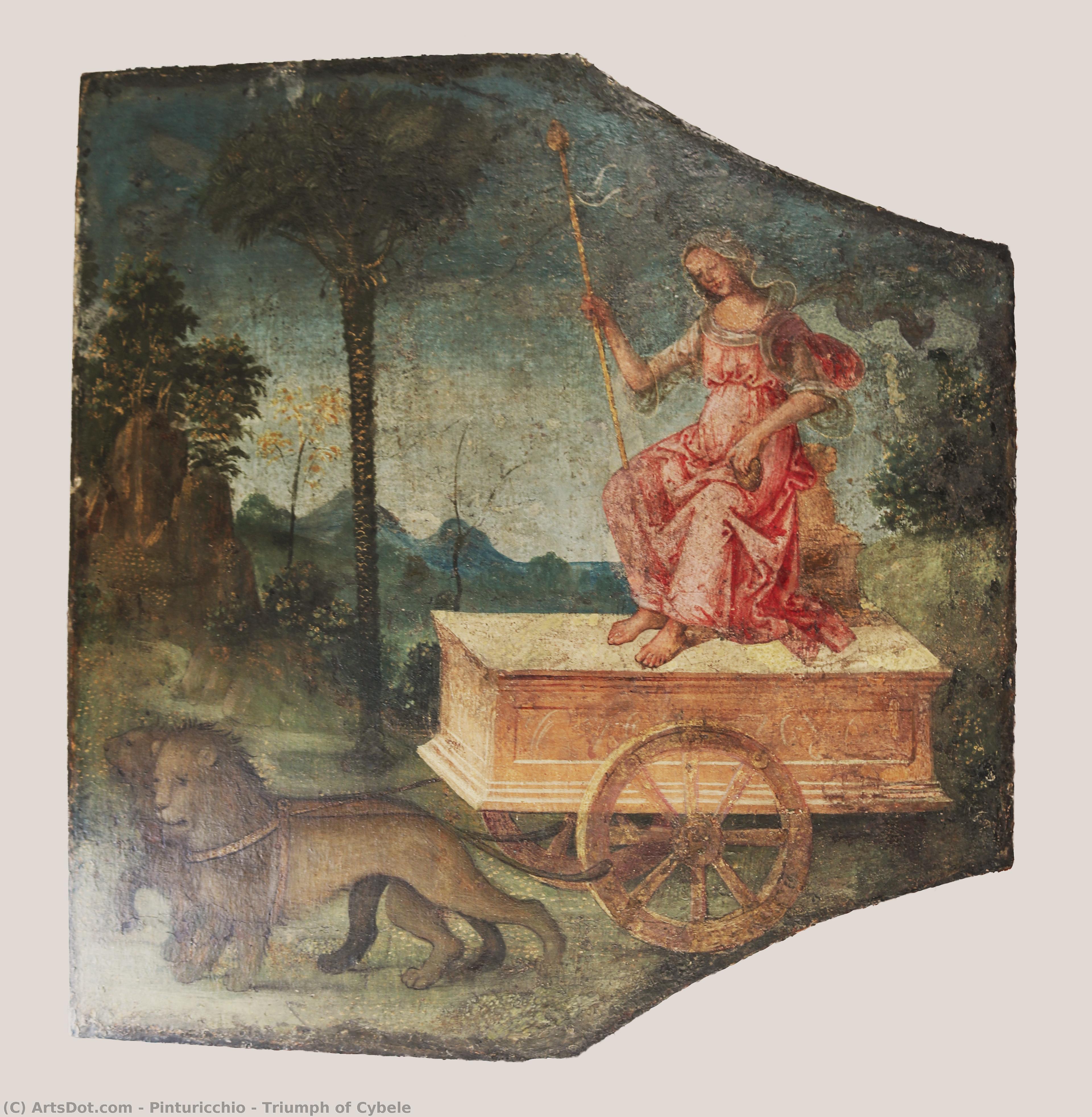
Triumph of Cybele
 Fresco
- Renaissance
 1509
1509- Renaissance
 76.0 x 71.0 cm
 詳細を見る
詳細を見る
ジークレー/アートプリント
迅速な制作と多彩な仕上げオプションを備えた、ミュージアムクオリティのジークレーまたはキャンバスプリント。 ( 手描きの絵画を購入 画像を購入)




































作品のオリジナル比率に合わせた、当店の規定サイズからお選びください。

特定のフレームやスペースに合わせて、ご自身でサイズを指定することも可能です。選択されたサイズが元の画像の比率と一致しない場合、作品をトリミングするか、鏡面反射または単色での塗りつぶしによって画像を拡張いたします。制作を開始する前に、ご確認用のデジタルモックアップをお送りいたします。
画面上のプレビューには、実際のトリミングや拡張は反映されませんのでご注意ください。最終的な構図を正確に確認できるのは、モックアップのみとなります。
カスタムサイズも承っておりますが、元の比率を維持するためには、あらかじめ用意されたリストからサイズを選択することをお勧めいたします。


 ガラスオプションは、110cm未満のサイズでのみご利用いただけます。

Triumph of Cybele
ジークレー/アートプリント
複製画のサイズ
-


合計金額
$ 62
A Celestial Procession: The Majesty of Cybele
In the delicate dance of Renaissance splendor, few works capture the ethereal intersection of myth and grandeur as poignantly as Pinturicchio’s Triumph of Cybele. This exquisite masterpiece, dating from approximately 1509, presents a vision of divine authority that transcends time. At the heart of the composition sits the goddess Cybele, seated with an air of effortless command upon her ceremonial chariot. She is flanked by two majestic lions, their powerful forms acting as both guardians and symbols of the untamed nature brought into harmony under her reign. The scene is not merely a depiction of a mythological event but a carefully orchestrated tableau of power, where the wild strength of the beasts meets the refined grace of the divine feminine.
The composition is masterfully balanced, utilizing a sense of depth that draws the viewer into a lush, classical landscape. A solitary tree rises on the left, its verdant presence adding a layer of organic dimension to the scene, while the arrangement of the figures suggests a movement forward—a triumphal procession frozen in a moment of eternal glory. For the discerning collector or interior designer, this piece offers a profound sense of equilibrium and classical elegance, making it an ideal focal point for spaces that demand both intellectual depth and aesthetic sophistication.
The Artistry of the Umbrian Master
Pinturicchio, a virtuoso of the Italian Renaissance, brings to this work his signature ability to blend the intricate, decorative charm of the Gothic tradition with the burgeoning humanism of his era. The technique employed here reflects the artist's profound connection to antiquity; much of the inspiration for this ceiling panel was drawn from the remnants of Nero’s Golden House in Rome and ancient sarcophagi. This reverence for the classical past is evident in the meticulous detail of the drapery, the vibrant, jewel-like palette, and the soft, luminous quality of the light that bathes the goddess.
The artist's workshop contributed to a style characterized by refined grace rather than raw anatomical tension. Instead, we find an emphasis on decorative splendor—a feast for the eyes where every brushstroke serves to enhance the ornamental beauty of the subject. The use of color is particularly striking, with rich tones that evoke the opulence of the Palazzo del Magnifico in Siena, where this work was originally destined to reside. This mastery of color and detail ensures that a high-quality reproduction of this piece retains its ability to transform a room, imparting a sense of historical weight and artistic prestige.
Symbolism and the Legacy of Grandeur
Beyond its visual allure, the Triumph of Cybele serves as a complex tapestry of symbolism. The presence of the lions is a potent metaphor for the subjugation of primal instincts to higher wisdom and order. As part of a larger decorative program for the powerful Pandolfo Petrucci, the painting likely functioned as an allegory for the stability and magnificence of his rule. To possess or display such an image is to invite themes of leadership, harmony, and the triumph of civilization into one's environment.
For those seeking to curate a collection that speaks of heritage and timelessness, this work offers unparalleled inspiration. It is more than a mere painting; it is a window into the Renaissance soul, capturing a moment where the myths of old were breathed into new life through the hands of a master. Whether integrated into a contemporary minimalist setting or a classic, richly appointed study, the Triumph of Cybele continues to command attention, offering an enduring legacy of beauty and strength.
関連作品

アーティストの略歴
ピントゥルキオの謎めいた優美さ:ルネサンスの巨匠
ベルナルディーノ・ディ・ベット、世界的には「ピントゥルキオ」の名で親しまれている画家――その愛称は、彼の小柄な体格に由来して親しみを込めて付けられたものである――は、1454年、芸術の揺籃地であるペルージャにてその生涯をスタートさせた。彼の時代は、イタリア全土で盛期ルネサンスが花開くという、極めて文化的な激動の時期であった。しかし、ピントゥルキオは独自の道を切り拓いたのである。それは、残存するゴシック様式の優雅さと、当時芽生えつつあった革新的な技法を融合させたものであった。レオナルド・ダ・ヴィンチやミケランジェロといった巨匠たちが、解剖学的な完璧さや劇的な写実性を追求した一方で、ピントゥルキオは洗練された優美さ、緻密な細部、そして鮮やかで装飾的な感性を特徴とする独自の様式を育んだ。彼の歩みは、革命的な変革というよりも、むしろ極致へと向かう精緻な洗練の過程であり、既存の形式を比類なき魅力へと昇華させる彼の卓越した技術の証であった。ウンブリアの工房から教皇庁の依頼へ
ピントゥルキオの初期の修行については、いまだ謎に包まれている部分が多いが、ボニフィやフィオレンツォ・ディ・ローレンツォといった、当時ペルージャで活動していた知られざる巨匠たちの指導の下で研鑽を積んだと考えられている。彼の運命を決定づけたのは、ウンブリア派の重鎮ピエトロ・ペルジーノとの出会いであった。ジョルジョ・ヴァザーリによれば、ピントゥルキオはペルジーノの助手として活動しており、この共同作業が彼の芸術的発展に計り知れない影響を与えたことは疑いようがない。この繋がりは、16世紀初頭のローマにおけるシスティーナ礼拝堂の依頼を勝ち取るための決定的な鍵となった。ボッティチェリ、ギルランダイオ、シニョレッリといった、当時の最も著名な芸術家たちと共に、ピントゥルキオはこの記念碑的なプロジェクトに貢献した。しかし、悲劇的なことに、彼のフレスコ画は後にミケランデロの『最後の審判』のために取り除かれてしまったのである。それでもなお、この経験は彼にとって重要な飛躍の場となり、新たな影響を受けながら、その名声を確固たるものにする礎となった。黄金期:ローマとボルジアの間
1484年から1492年にかけての年月は、主にローマを拠点としたピントゥルキオにとって、極めて多産な時期となった。彼はデッラ・ローヴェレ家のような有力な一族から依頼を受け、サンタ・マリア・デル・ポポロ教会の礼拝堂を、彼特有の様式で彩った。これらの作品には、繊細な人物像、豪華に装飾された背景、そして緻密な装飾モチーフへのこだわりといった、フレスコ技法の極致が示されている。しかし、彼の芸術史における地位を真に不動のものとしたのは、教皇アレクサンデル6世――ロドリゴ・ボルジア――のための仕事であった。1492年から1494年にかけてバチカン宮殿内のボルジアの間を装飾する依頼を受けたピントゥルキオは、神話の場面や肖像、寓意的な表現で豪華に彩られた一連の広間を作り上げた。この一連の部屋は、悪名高いボルジア家との結びつきから論争の的となることもあるが、ルネサなる装飾芸術の傑出した例として今なお語り継がれている。古典的なモチーフと彼独自の審美眼を見事に融合させたその手腕は圧巻である。金箔の使用、鮮やかな色彩、そして錯視的な技法は、教皇庁の権力と野心を反映した、絢爛豪華な空間を創り出したのである。遺産と不朽の影響
ピントゥルキオが遺した芸術的レガシーは、洗練された優雅さと細部への徹底したこだわりである。同時代の他の巨匠たちほどの知名度を得るには至らなかったかもしれないが、後世の芸術家たちに与えた影響は否定できない。ゴシックの優美さとルネサンスの革新性を調和させた彼の独自のスタイルは、繊細さとディテールを愛する人々の心に深く響いた。彼は、視覚的な美しさと知的な刺激を兼ね備えた、見事な構図を生み出す類まれな才能を発揮したのである。1513年の没直前に完成したシエナのピッコローミニ図書館における作品は、彼の不朽の才能を物語るものである。教皇ピウス2世の生涯を描いたフレスコ画には、盛期ルネサンス様式を予兆させるような、形態と色彩の明晰さが宿っている。ピントゥルキオの芸術は、今日においても見る者を魅了し続けている。それは美と洗練、そして芸術的極致に満ちた世界――「小さな画家」による繊細な筆致が、イタリア・ルネサンス美術の風景に消えることのない足跡を残した世界への入り口なのである。- 主な作品:システィーナ礼拝堂のフレスコ画(現存せず)、バチカンのボルジアの間、シエナのピッコローミニ図書館。
- 影響を受けた人物・様式:ペルジーノ、ウンブリア派、ゴシック様式の伝統。
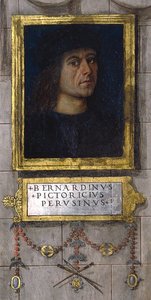
ピントゥリッキオ
1454 - 1513 , イタリア
基本情報
- このアーティストに影響を与えた芸術家:
- ペルジーノ
- ボンフィーリ
- フィオレンツォ・ディ・ロレンツォ
- このアーティストに影響を受けた芸術家または運動: ['ラファエロ']
- 代表作:
- システィーナ礼拝堂のフレスコ画
- ボルジア邸の装飾
- 聖アウグスティヌス
- 無題 (739)
- 出生地: イタリア、ペルージャ
- 国籍: イタリア
- 氏名: ベルナルディーノ・ディ・ベット
- 没年月日: 1513
- 生年月日: 1454
- 芸術運動または様式: ルネサンス
関連記事

家族の遺産を壁画で彩る:伝統技法が紡ぐ、時を超越する美と記憶
古代から現代までの壁画の歴史と技法を解説。日本の壁画文化やカスタムオーダーによる家族の遺産表現、保存・修復技術まで網羅。専門家が時を超越する美と記憶を紡ぐ芸術的価値をご案内します。

The Enduring Legacy of Fresco Painting: Techniques, History & Contemporary Relevance
Explore the rich history & enduring artistry of fresco painting – from Giotto to Michelangelo! Discover techniques, conservation efforts, & modern applications. Learn how ArtsDot brings this timeless art form to your home.

The Enduring Legacy of Fresco: Technique, History & Artistic Expression Across Cultures
Explore the rich history & enduring legacy of fresco painting! Discover ancient techniques, Giotto's masterpieces, and modern applications. Expert insights for art lovers & professionals.

Art That Lives With You: The Emotional Power of a Custom Interior Fresco
Discover the emotional power & timeless beauty of custom interior frescoes. Explore history, design tips & expert guidance from – creating lasting legacies.
The Enduring Legacy of Fresco: Technique, History & Artistic Expression
Explore the rich history & enduring artistry of fresco painting. Discover techniques from Giotto to Michelangelo, conservation efforts, & modern applications. Learn how ArtsDot brings this timeless art form to your home.