

 プレビュー
プレビュー
 シェアする
シェアする シェアする
シェアする
 詳細を見る
詳細を見る

 ダウンロード
 似ている作品
 X線調査
X線調査 スライドショー
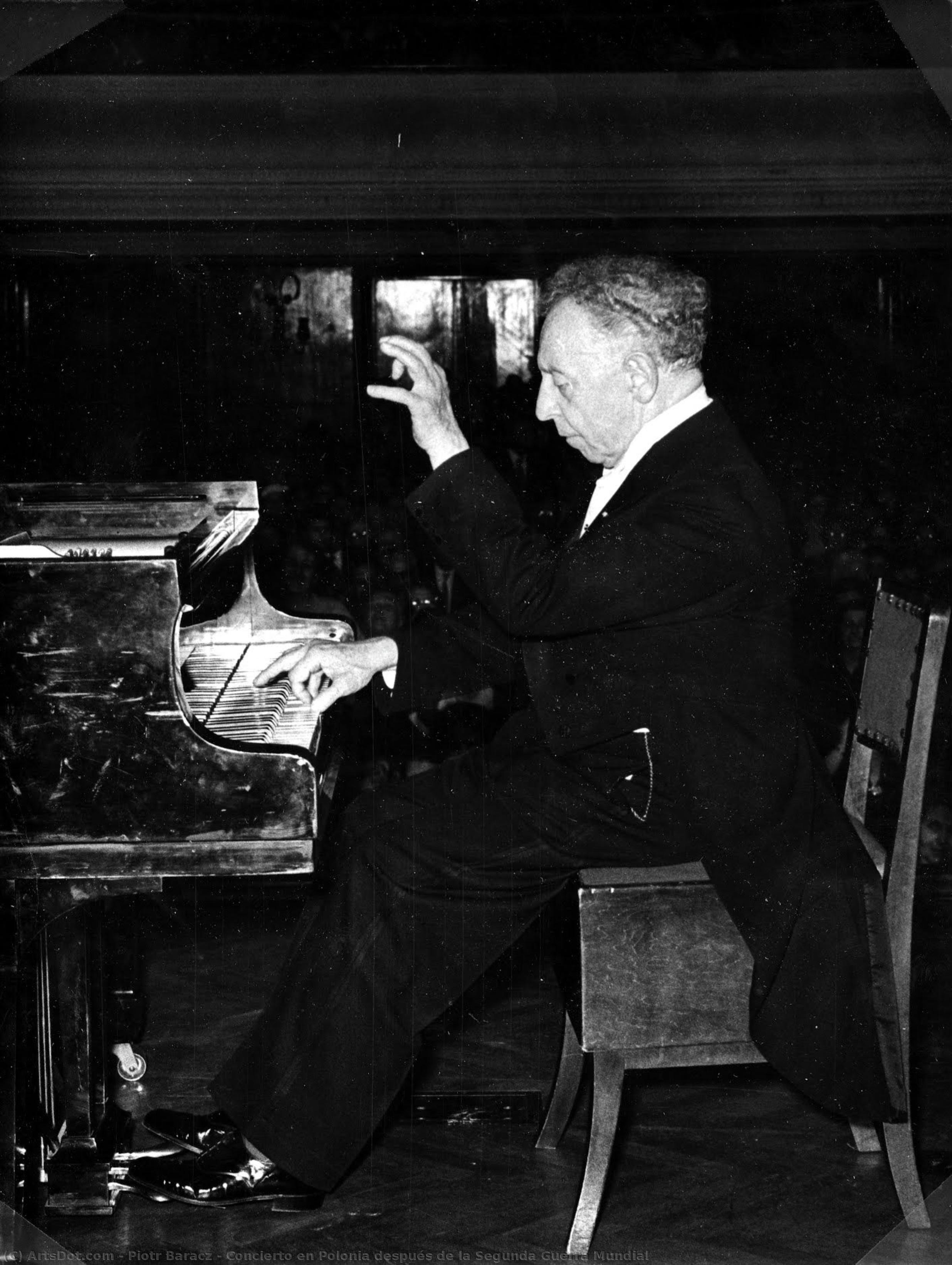
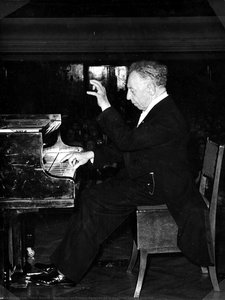
Concierto en Polonia después de la Segunda Guerra Mundial


 詳細を見る
詳細を見る
ジークレー/アートプリント
迅速な制作と多彩な仕上げオプションを備えた、ミュージアムクオリティのジークレーまたはキャンバスプリント。 ( 手描きの絵画を購入 画像を購入)




































作品のオリジナル比率に合わせた、当店の規定サイズからお選びください。

特定のフレームやスペースに合わせて、ご自身でサイズを指定することも可能です。選択されたサイズが元の画像の比率と一致しない場合、作品をトリミングするか、鏡面反射または単色での塗りつぶしによって画像を拡張いたします。制作を開始する前に、ご確認用のデジタルモックアップをお送りいたします。
画面上のプレビューには、実際のトリミングや拡張は反映されませんのでご注意ください。最終的な構図を正確に確認できるのは、モックアップのみとなります。
カスタムサイズも承っておりますが、元の比率を維持するためには、あらかじめ用意されたリストからサイズを選択することをお勧めいたします。


 ガラスオプションは、110cm未満のサイズでのみご利用いただけます。

Concierto en Polonia después de la Segunda Guerra Mundial
ジークレー/アートプリント
複製画のサイズ
-


合計金額
$ 62
関連作品







アーティストの略歴
Piotr Baracz: Echoes of Resilience in Polish Art
Piotr Baracz (1924-1985) emerged as a significant figure within the Polish postwar artistic landscape, embodying the spirit of rebuilding and remembrance following the devastation of World and War II. Born in Poland during a period marked by profound societal upheaval, Baracz’s artistic journey was inextricably linked to the nation's struggle for identity and cultural renewal—a theme that consistently resonated throughout his oeuvre. His work stands as a testament to both personal introspection and a broader engagement with the collective memory of his time, capturing the quiet strength found in the wake of catastrophe.
His formative years were shaped by the turbulent political climate of Communist Poland, a period where art often served as a vessel for navigating complex social realities. Baracz pursued formal artistic education at the Warsaw Academy of Art, honing his skills in painting and sculpture under influential mentors who instilled in him a dedication to realism and expressive observation. This rigorous grounding in traditional techniques would prove crucial to his later stylistic choices, allowing him to translate the heavy atmosphere of his era into tangible, visual narratives.
Style, Symbolism, and the Polish Landscape
Baracz’s distinctive style was characterized by meticulous detail and a profound tonal subtlety. This mastery was particularly evident in his landscapes, which captured the melancholic beauty of Poland's recovering countryside. He did not merely paint scenery; he painted the soul of a nation in transition. Through his brush, the landscape became a living character, reflecting the resilience of the land itself. Recurring motifs in his work included depictions of rural life and portraits that reflected the faces of ordinary Poles grappling with both hardship and hope.
His ability to blend direct observation with symbolic representation allowed him to convey emotions far beyond mere visual description. He explored architectural spaces imbued with historical significance, using light and shadow to evoke a sense of time passing and the weight of history. In his hands, a crumbling structure or a quiet village street became an exploration of endurance. His work often featured:
- Tonal Gradation: A sophisticated use of light to create psychological depth and atmosphere.
- Meticulous Realism: A commitment to capturing the textures of rural life and historical architecture.
- Symbolic Landscapes: Using the natural world as a metaphor for the human condition and national recovery.
Legacy and Notable Achievements
Throughout his career, Baracz achieved significant milestones that cemented his place in the annals of Polish art. His ability to capture the psychological nuance of his subjects made him a master of portraiture. One of his most celebrated works, “Roman Polanski” (1963), exemplifies this mastery; it is a monumental portrait that captures the solemn gaze of the celebrated filmmaker through expert tonal gradation.
Beyond portraiture, his landscapes remain some of his most iconic contributions to the medium. In “The Old Mill” (1970), Baracz portrays a crumbling grain mill set against a dramatic, sweeping sky. This piece serves as a powerful visual metaphor for Poland's enduring spirit amidst decay, illustrating how beauty and strength can persist even within ruins. His legacy remains a vital part of the postwar Polish artistic canon, offering a window into a period of profound transformation and the indomable human will to create amidst the shadows of history.
piotr baracz
1924 - 1985 , Poland
基本情報
- Artistic Movement Or Style: Postwar Polish Art
- Date Of Birth: 1924
- Full Name: Piotr Baracz
- Nationality: Polish
- Notable Artworks: ['Roman Polanski']
- Place Of Birth: Poland

