

 シェアする
シェアする シェアする
シェアする
 詳細を見る
詳細を見る

 ダウンロード
 似ている作品
 スライドショー
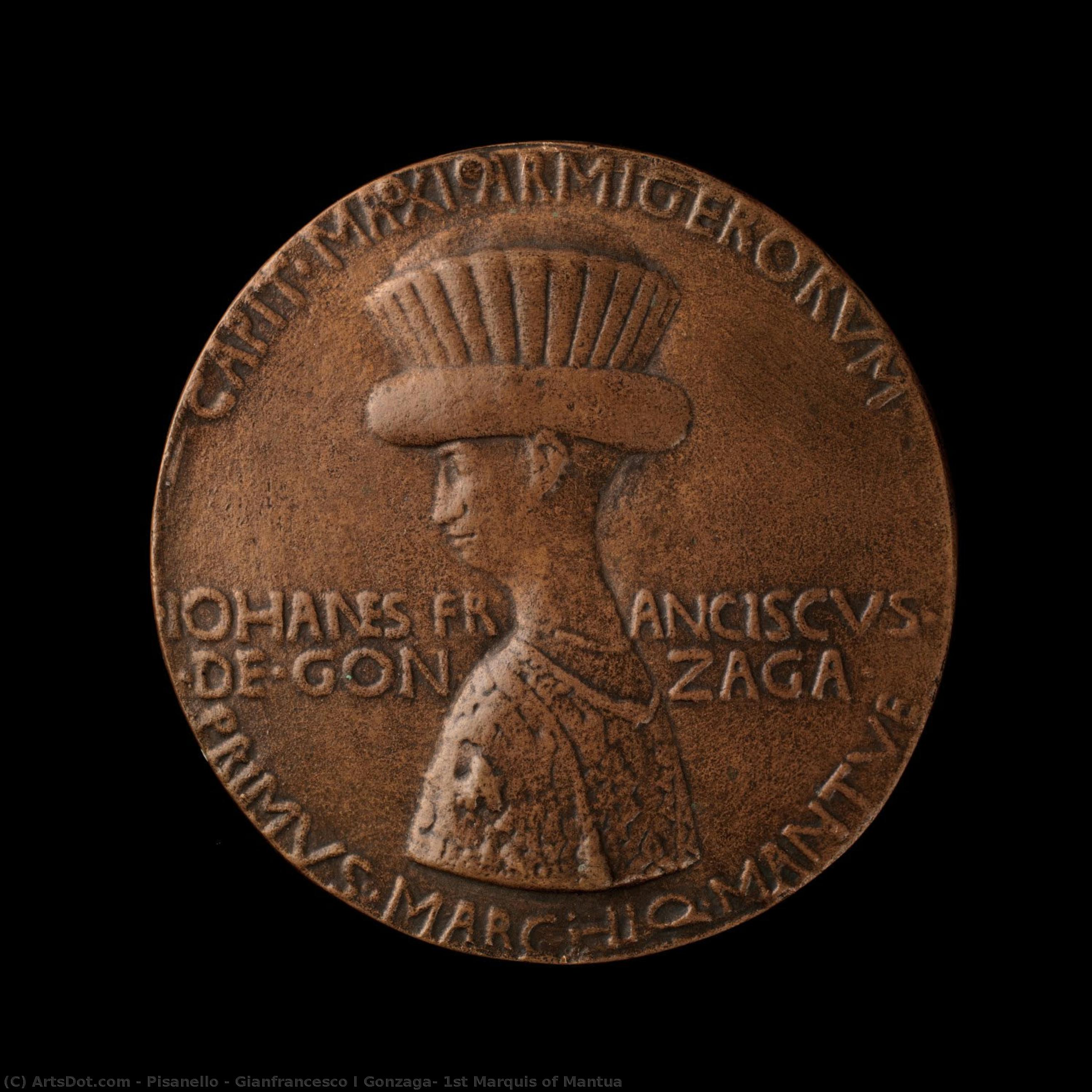
Gianfrancesco I Gonzaga, 1st Marquis of Mantua


 詳細を見る
詳細を見る
ジークレー/アートプリント
迅速な制作と多彩な仕上げオプションを備えた、ミュージアムクオリティのジークレーまたはキャンバスプリント。 ( 手描きの絵画を購入 画像を購入)




































作品のオリジナル比率に合わせた、当店の規定サイズからお選びください。

特定のフレームやスペースに合わせて、ご自身でサイズを指定することも可能です。選択されたサイズが元の画像の比率と一致しない場合、作品をトリミングするか、鏡面反射または単色での塗りつぶしによって画像を拡張いたします。制作を開始する前に、ご確認用のデジタルモックアップをお送りいたします。
画面上のプレビューには、実際のトリミングや拡張は反映されませんのでご注意ください。最終的な構図を正確に確認できるのは、モックアップのみとなります。
カスタムサイズも承っておりますが、元の比率を維持するためには、あらかじめ用意されたリストからサイズを選択することをお勧めいたします。


 ガラスオプションは、110cm未満のサイズでのみご利用いただけます。

Gianfrancesco I Gonzaga, 1st Marquis of Mantua
ジークレー/アートプリント
複製画のサイズ
-


合計金額
$ 62
The Regal Portrait of Gianfrancesco I Gonzaga
Pisanello’s “Gianfrancesco I Gonzaga, Marquis of Mantua” is more than just a portrait; it's a meticulously crafted testament to the burgeoning Renaissance fascination with individual identity and courtly grandeur. Completed around 1439-40, this bronze medal—a relatively small format for such an elaborate depiction—captures the essence of a powerful nobleman amidst a carefully orchestrated display of wealth, authority, and military prowess. The piece isn’t merely a likeness; it's a statement, a visual embodiment of Gianfrancesco’s status as Captain of the People and, crucially, the first Gonzaga to bear the title of Marquis. Examining this work reveals a masterful blend of artistic innovation, technical skill, and profound symbolic meaning.
Pisanello, a pivotal figure bridging the International Gothic style with the nascent Renaissance, demonstrates his signature approach here: an almost obsessive attention to detail combined with a remarkably refined sense of color and texture. The medal’s surface shimmers with a subtle luster, achieved through meticulous polishing—a technique indicative of Pisanello's background as a goldsmith. Notice how he renders the folds of Gianfrancesco’s clothing, not as simple planes but as complex volumes imbued with light and shadow. The intricate detailing of his armor, the rich velvet of his cloak, and even the delicate embroidery on his banner all speak to Pisanello's extraordinary skill in capturing the tactile qualities of materials—a hallmark of his work.
A Courtly Narrative
The composition itself is a carefully constructed narrative. Gianfrancesco is depicted riding horseback, flanked by a squire, creating an image of leadership and control. This isn’t simply a portrait; it's a miniature stage set for a scene of power. The placement of the marquis and his attendant—the squire positioned slightly behind and to the side—reinforces this dynamic. The heraldic banner he carries, emblazoned with the Gonzaga coat of arms (a closed door knocker), is not merely decorative; it’s a potent symbol of lineage and territorial claim. The inclusion of the marquis's emblem subtly reinforces his identity and asserts his authority.
Beyond the immediate depiction of power, Pisanello employs a sophisticated system of symbolism. The armor itself—a symbol of military strength and protection—is rendered with an almost theatrical flourish, highlighting Gianfrancesco’s role as a warrior leader. The landscape in the background, though simplified, suggests a strategic vantage point, hinting at his command over territory. Even the posture of the marquis – upright, alert, and confidently mounted – conveys a sense of authority and self-assurance.
Historical Context & Artistic Innovation
Pisanello’s creation of this medal represents a significant moment in the history of portraiture. He was one of the first artists to systematically produce commemorative medals—a new genre that combined elements of coinage, sculpture, and painting. These medals were commissioned by patrons – often rulers or high-ranking officials – as symbols of their power and achievements. Pisanello’s work established a precedent for future medalists, influencing generations of artists who followed in his footsteps.
The use of bronze—a durable and relatively expensive material—further elevated the status of the portrait. It was a medium suitable for conveying both beauty and permanence, reflecting the enduring legacy that Gianfrancesco sought to establish. The medal’s small size also made it ideal as a diplomatic gift or personal token, facilitating communication and fostering relationships between rulers and their subjects.
A Legacy of Elegance
“Gianfrancesco I Gonzaga, Marquis of Mantua” is a remarkable achievement—a testament to Pisanello’s artistic genius and his pivotal role in shaping the Renaissance. It's not just a portrait; it’s a miniature world, brimming with symbolism, technical mastery, and historical significance. Reproductions of this piece capture only a fraction of its original impact, but they offer a valuable opportunity to appreciate the artistry and sophistication of one of the era’s most celebrated artists. The medal's enduring appeal lies in its ability to transport us back to a time of courtly intrigue, military ambition, and the blossoming of Renaissance culture.
関連作品
アーティストの略歴
二つの世界を繋ぐ生涯:ピサネッロの芸術
1395年頃、ピサにアントニオ・ディ・プッチョ・ピサーノとして生まれたピサネッロは、国際ゴシック様式から胎動するルネサンスへと移り変わる時代において、極めて重要な役割を果たした人物です。彼の名は、ジョルジョ・ヴァザーリによる誤認からヴィットーレ・ピサーノと呼ばれることもあり、その名自体が彼の生涯と作品に纏わりつく神秘性を暗示しています。詳細な経緯については今なお謎に包まれている部分が多いものの、彼が修業時代にヴェローナ絵画の洗練された伝統を吸収していたことは確かです。この基盤こそが、彼の繊訂な線描と、豪華絢爛な細部への深い愛着を永遠に形作ることとなりました。この初期の影響は単なる技法に留まらず、豊かな質感を持つ織物や、光り輝く表面、そして宮廷的な優雅さを湛えた美学を彼の中に植え付けました。1415年から1420年頃にかけて始まったジェンティーレ・ダ・ファブリアーノとの重要な師弟関係は、ピサネッロの芸術的軌道を決定づけるものとなりました。彼は師から技術的な習熟だけでなく、貴重な素材を見極める眼と、緻密な観察への献身をも受け継ぎました。これらは後に彼の様式の代名詞となる特質です。彼はイタリア各地を広く旅し、様々な宮廷から依頼を受けました。フィレンツェでは皇帝ジギスムントをはじめとする著名な人物を肖像画に刻み込み、人物の容貌を捉え、その地位を表現する類まれな才能を早くから発揮していました。傑作と独自の様式
ピサネッロの芸術的成果は、紛失や誤認によって断片的なものとなってはいるものの、驚くほど多才な才能を露わにしています。ヴェローナのサンタナスタシア教会、ペッレグリーニ礼拝堂を飾るフレスコ画『聖ゲオルギウスとテライゾンの王女』は、広く彼の最高傑作と見なされています。それは単なる伝説の描写ではありません。宮廷生活、異国の動物、そして複雑な細部が織りなす鮮やかなタペストリーであり、観る者を幻想的な領域へと引き込みます。「アントニウス・ピサーヌ」の署名がある『鶉(うずら)の聖母』は、ジェンティーレ・ダ・ファブリアーノの洗練と、ステファノ・ダ・ヴェローナの様式的ニュアンスが見事に調和した作品です。これらの名作に加え、ヴェローナのサン・フェルモにあるフレスコ画『受胎告知』は、ニコロ・ディ・ブレッゾーニの葬送記念碑の一部として制作され、物語的な構成力と信心深い図像表現における彼の技量を示しています。さらに、師であるジェンティーレの急逝後、ローマのサン・ジョヴァンニ・イン・ラテラノ大聖堂で未完であったフレスコ画を引き継いで完成させたことは、彼の名声の高まりと技術的な卓越性の証といえるでしょう。ピサネロットの様式は一目でそれと分かります。形態を精密に定義する繊細な線、執念とも言える細部へのこだわり、そして贅沢な質感や優雅な衣装を描き出すことへの傾倒です。また、それ自体が独立した芸術作品となり得る彼の素描も特筆すべきものです。動植物や人物の習作には、彼の鋭い観察眼と芸術的な感性が溢れています。しかし、おそらく彼が成し遂げた最も画期的な貢献は、記念肖像メダル(メダリオン)の創出であり、このジャンルを実質的に確立して後世の芸術家たちに多大な影響を与えたのです。影響と芸術的発展> ピサネッロの芸術的な旅路は、単なる形式的な訓練によって定義されたものではありません。それは過去と現在の芸術との絶え間ない対話によって形作られました。ジェンティーレ・ダ・ファブリアーノは、特に細部への強調と豪華な装飾において、彼に深い影響を与え続けました。また、ステファノ・ダ・ヴェローナも初期の様式形成に寄与し、彼をヴェローナの伝統へと根付かせたと考えられます。興味深いことに、一部の研究者はパオロ・ウッチェロとの関連性を示唆しており、ピサネッロの素描や絵画に頻繁に登場する「馬」というモチーフへの共通した執着がその根拠とされています。しかし、彼の影響は同時代の芸術家だけに留まりませんでした。彼は古代ギリシャやローマの芸術からもインスピレーションを得ており、それは古代の貨幣肖像を彷彿とさせる彼の肖像メダルに顕著に表れています。時を経て、ピサネッロの様式は進化を遂げました。彼は純粋なゴシックの慣習から脱却し、ルネサンス的な自然主義の要素や、解剖学的な正確さへの関心を作品に取り入れていきました。彼の素描は次第に、単なる準備段階のスケッチを超え、形態や質感そのものを探求する独立した作品へと変貌していきました。この進化は、多様な影響を統合して、独自の個人的な芸術的ヴィジョンへと昇華させる彼の能力を反映しています。それはまさに、二つの時代を繋ぐ架け橋となるヴィジョンでした。
歴史的重要性と不朽の遺産
美術史におけるピサネッロの地位は揺るぎないものです。彼は単なる才能ある画家としてだけでなく、初期ルネサンスの美学を定義する一助となった革新者として存在しています。彼は肖像メダルの先駆者であり、このジャンルはイタリアの貴族層を中心に広く普及することとなりました。彼の作品は、国際ゴシック様式の装飾的な優雅さから、より自然主義的で人間中心的なルネサンスのアプローチへの決定的な転換を体現しており、緻密な観察眼と洗練された装飾美を融合させています。生前、彼はグアリーノ・ダ・ヴェローナのような詩人から称賛され、その卓越した才能を見抜いた人文主義の学者たちからも敬意を払われました。数世紀にわたる間に、彼の絵画の多くが失われたり、他の画家のものと誤認されたりしてきましたが、現存する素描やメダルは今なお畏敬と称賛を集め続けています。後世の芸術家たちへの影響は、たとえそれが控えめなものであったとしても否定しようがありません。緻密な素描技術、細部への眼差し、そして肖像画における革新的な手法は、すべて次世代に消えることのない足跡を残しました。ピサネッロの芸術は、観察することの力、職人技の美しさ、そして伝統と革新の狭間に置かれた世界の、永遠に色褪せない魅力を物語り続けています。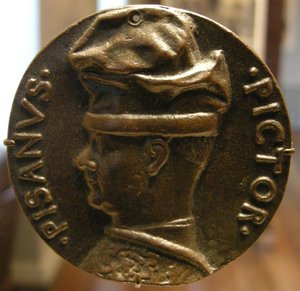
ピザネッロ
1395 - 1455 , イタリア
基本情報
- Artistic Movement Or Style: 初期ルネサンス、インターナショナル・ゴシック
- Artists Or Movements Influenced By This Artist: ['肖像メダル製作者']
- Artists Who Influenced This Artist:
- ジェンティーレ・ダ・ファブリアーノ
- ステファノ・ダ・ヴェローナ
- Date Of Birth: 1395年頃
- Date Of Death: 1455年頃
- Full Name: アントニオ・ディ・プッチョ・ピサーノ
- Nationality: イタリア
- Notable Artworks:
- 聖ゲオルギウスと王女
- 鶉の聖母
- 受胎告知(ヴェローナ)
- Place Of Birth: イタリア、ピサ
関連記事

The Enduring Legacy of Bronze: A Historical & Artistic Exploration for the Collector
Explore the rich history & enduring appeal of bronze sculpture with expert insights for collectors at ArtsDot. Learn about casting techniques, iconic artists, collecting tips & contemporary interpretations.

Bronze Age to Modern Masters: 10 Sculptures That Redefined Art | ArtsDot
Journey through art history with 10 legendary bronze sculptures – from Michelangelo's David to Rodin’s Thinker. Explore the stories, techniques & timeless beauty of these masterpieces. Find museum-quality reproductions & elevate your home decor on ArtsDot.com.
The Enduring Legacy of Bronze: History, Technique & Artistic Expression for the Collector
Explore the rich history & enduring appeal of bronze sculpture with expert insights for collectors at ArtsDot. Learn about casting techniques, iconic artists, and collecting tips.
The Enduring Legacy of Bronze Sculpture: Technique, Symbolism & Cultural Impact
Explore the rich history & enduring appeal of bronze sculpture with expert insights for collectors. Learn about casting techniques, iconic artists, collecting tips & contemporary interpretations at ArtsDot.

The Enduring Legacy of Bronze Sculpture: A Collector's Guide to Form & Cultural Significance
Explore the rich history & enduring appeal of bronze sculpture with expert insights for collectors at ArtsDot. Learn about casting techniques, iconic artists, and collecting tips to build a discerning art collection.

