

 プレビュー
プレビュー
 プリントを購入
 シェアする
シェアする シェアする
シェアする
 詳細を見る
詳細を見る

 ダウンロード
 似ている作品
 X線調査
X線調査 スライドショー
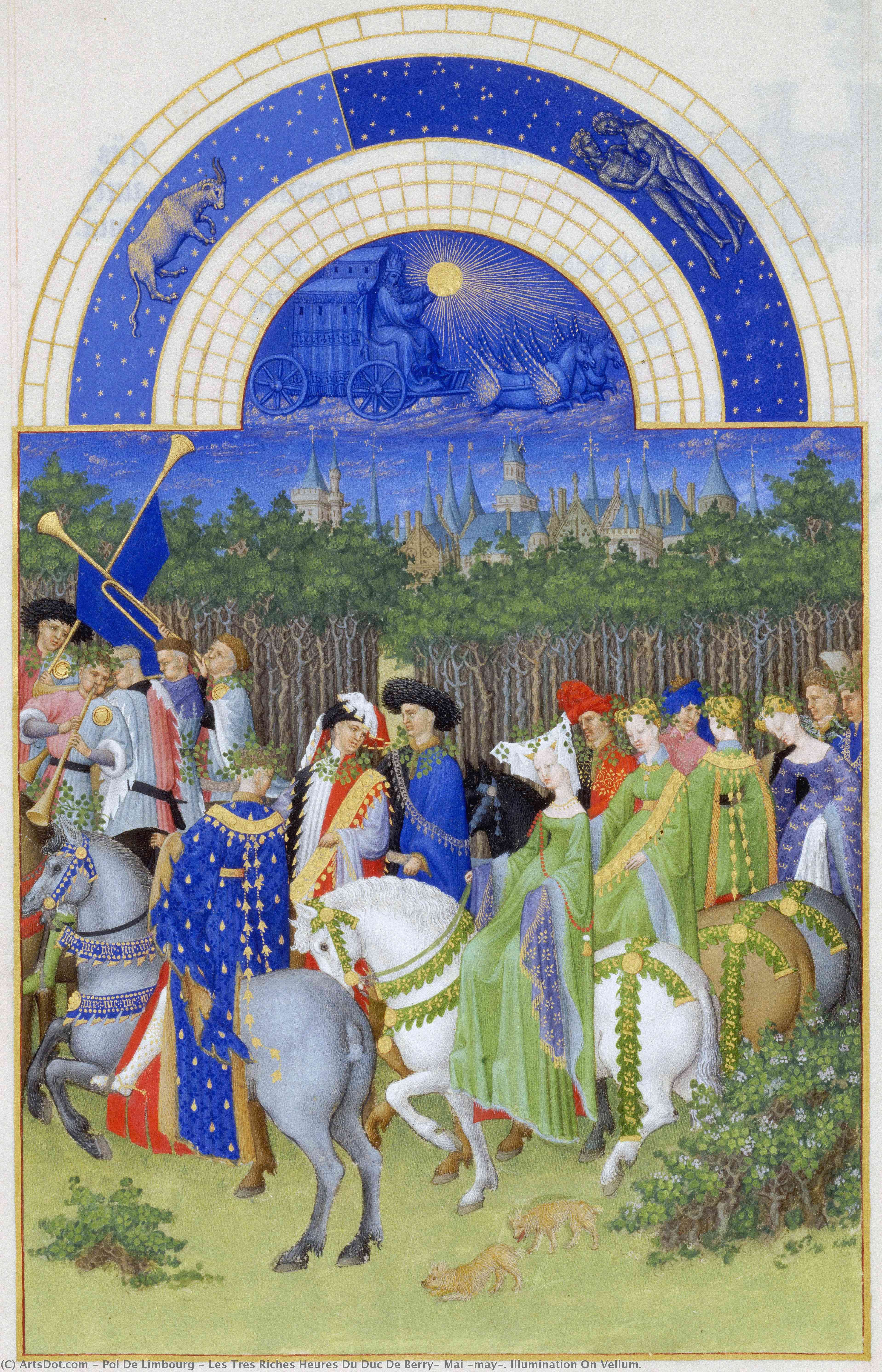
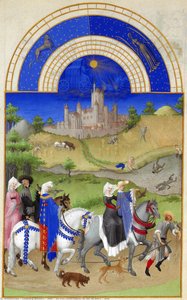
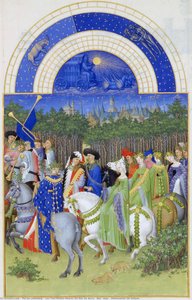
Les Tres Riches Heures Du Duc De Berry- Mai (may). Illumination On Vellum.
 Vellum
- International Gothic
 1412
1412- Late Medieval
 22.0 x 13.0 cm
 コンデ美術館
 詳細を見る
詳細を見る




P118B $10

P118H $10

P118W $10

P438Z $10

P508JH $12

P508YH $12

P805H $10

P805Z $10

P919BZ $10

P919G $10

P919XJ $10

P959ZH $10

P968JZ $12

W106C $8

W218G $10

W218JH $8

W218Y $10

W307PJ $10

W316G $10

W316PJ $8

W316Y $10

W398PJ $8

W4111J $10

W500HY $15

W500JH $15

W692G $12

W849H $8

W940BG $15

W953PJ $8




作品のオリジナル比率に合わせた、当店の規定サイズからお選びください。

特定のフレームやスペースに合わせて、ご希望のサイズをご入力いただけます。選択されたサイズが元の画像の比率と異なる場合、アートワークをトリミングするか、手描きで要素を追加して絵画を拡張いたします。デジタルモックアップ を制作し、制作開始前にご確認(承認)をいただきます。
画面上のプレビューは、実際のトリミングや拡張を正確に反映しているものではありません。最終的な構図は、モックアップによってのみ正確にご確認いただけます。
カスタムサイズもご利用いただけますが、元の比率を維持するためには、あらかじめ用意されたリストからサイズを選択することをお勧めいたします。
ご注文後、ArtsDot.com チームより詳細な指示をお送りするとともに、仕上がりイメージ(モックアップ)をご提供いたします。


 ガラスオプションは、110cm未満のサイズでのみご利用いただけます。

Les Tres Riches Heures Du Duc De Berry- Mai (may). Illumination On Vellum.
複製技法
複製画のサイズ
-


合計金額
$ 263
関連作品
アーティストの略歴
Pol de Limbourg: Weaver of Light and Life in Medieval Burgundy
The name Pol de Limbourg resonates through the annals of late medieval art, inextricably linked to one of the most breathtaking achievements in illuminated manuscript production: the Très Riches Heures du Duc de Berry. More than just a book of hours—a devotional compilation designed for private prayer—this masterpiece stands as a testament to the Limbourg brothers’ extraordinary skill, their deep understanding of human experience, and their pivotal role in shaping the visual language of the 15th century. Born in Nijmegen around 1385, Pol de Limbourg, alongside his brothers Herman and Jean, emerged from a family steeped in craftsmanship—a lineage that combined goldsmithing with the burgeoning art of miniature painting. Their story is one of unexpected opportunity, perilous captivity, and ultimately, unparalleled artistic triumph.
The early lives of the Limbourgs were intertwined with the political machinations of Burgundy. Their uncle, Jean Malouel, a skilled heraldic painter employed by the Duke of Burgundy, Philip the Bold, provided them with an initial foothold in the royal court. This connection led to apprenticeships in Paris, where young Herman and Jean honed their skills under the tutelage of a Parisian goldsmith. However, fate intervened dramatically when, amidst a period of conflict between Brabant and Guelders, the brothers were captured in Brussels around 1398. Their mother’s inability to secure their release through ransom—a staggering sum of 55 gold escus—resulted in an extraordinary act of royal patronage. Philip the Bold, recognizing the artistic talent within his family, intervened, paying the ransom and securing a future for his nephews.
This intervention marked a turning point. In February 1402, Paul and Jean were formally contracted by Philip to dedicate four years exclusively to illuminating a Bible—a monumental undertaking that would define their careers. While the precise nature of this initial commission remains debated among scholars, it’s widely believed to be closely related to the later Bible Moralisée (Ms. fr. 166), housed in the Bibliothèque Nationale de France. The brothers' meticulous approach and burgeoning reputation quickly brought them into the orbit of Jean de Berry, Duke of Berry, a renowned collector of art and a generous patron. It was for the Duke that they created the Belles Heures de Jean de France, a stunning book of hours now residing in the Metropolitan Museum of Art in New York City—a work considered alongside the *Très Riches Heures* as a pinnacle of their artistic achievement.
The International Gothic Style and Limbourg’s Innovation
To fully appreciate the significance of the Limbourg brothers' work, it is essential to understand the artistic context in which they operated: the International Gothic style. Emerging from Paris in the late 14th century, this style represented a synthesis of French elegance with influences from Italy and Flanders. Characterized by refined detail, vibrant colors, and a heightened sense of realism, it sought to capture both the beauty and the drama of the world. However, the Limbourg brothers pushed the boundaries of this established style, introducing innovations that would profoundly impact subsequent generations of artists.
Their most notable contribution was their masterful depiction of landscape—a radical departure from the stylized backgrounds prevalent in earlier illuminated manuscripts. They rendered fields, forests, and rivers with astonishing accuracy, employing atmospheric perspective to create a sense of depth and distance. This wasn’t merely decorative; it served to ground the narrative scenes within believable environments, imbuing them with a remarkable sense of immediacy. Furthermore, they skillfully integrated human figures into these landscapes, creating dynamic compositions that captured the rhythms of daily life—harvesting crops, tending livestock, celebrating festivals. The *Très Riches Heures* and *Belles Heures* are replete with scenes of rural activity, offering an unparalleled glimpse into the lives of people in 15th-century Burgundy.
Beyond landscape, the Limbourg brothers demonstrated a remarkable understanding of human psychology. Their figures possess a palpable sense of emotion—joy, sorrow, contemplation—expressed through subtle gestures and facial expressions. They captured not just outward appearances but also inner states, creating characters that feel remarkably alive. Their use of color was equally sophisticated, employing a rich palette of pigments to create luminous effects and evoke specific moods.
The *Très Riches Heures du Duc de Berry*: A Masterpiece Unveiled
The Très Riches Heures du Duc de Berry stands as the brothers’ most celebrated achievement—a monumental work that exemplifies their artistic prowess and innovative spirit. Comprising 700 full-page illustrations, it is a lavish celebration of the Christian year, depicting scenes from the Bible, liturgical events, and secular life. The manuscript's pages are filled with intricate details—heraldic emblems, floral borders, miniature portraits, and meticulously rendered landscapes.
The calendar pages, in particular, are remarkable for their depiction of seasonal activities. From planting seeds to harvesting crops, from celebrating religious holidays to engaging in everyday pursuits, these scenes offer a vibrant portrayal of the rhythms of rural life. The Limbourg brothers’ ability to capture both the beauty and the laboriousness of this work is truly astonishing.
The *Très Riches Heures* also showcases the brothers' mastery of perspective and their innovative use of color. They employed techniques such as aerial perspective—reducing detail and lightening colors in the distance—to create a sense of depth and realism. The manuscript’s vibrant palette, achieved through the careful selection and blending of pigments, contributes to its overall luminosity and visual impact.
Legacy and Historical Significance
The Limbourg brothers' work had a profound and lasting influence on the development of European art. Their innovative approach to landscape, their sophisticated understanding of human psychology, and their masterful use of color set new standards for illuminated manuscript production. They were among the first artists to render landscape scenes with such accuracy and detail, paving the way for later developments in perspective and realism in painting.
Their influence can be seen in the work of subsequent generations of artists, including Jan van Eyck and Rogier van der Weyden. The *Très Riches Heures* remains a cornerstone of book art—a testament to the Limbourg brothers’ extraordinary skill, their artistic vision, and their enduring legacy.
pol de limbourg
1385 - 1416
基本情報
- Artistic Movement Or Style: International Gothic
- Artists Or Movements Influenced By This Artist:
- Van Eyck
- Van der Weyden
- Artists Who Influenced This Artist: ['Jean Malouel']
- Date Of Birth: 1385
- Date Of Death: 1416
- Full Name: Pol de Limbourg
- Nationality: Dutch
- Notable Artworks:
- Très Riches Heures du Duc de Berry
- Belles Heures de Jean de France
- Place Of Birth: Nijmegen, Netherlands
関連記事
Beyond Borders: The Spiritual & Stylistic Innovations of International Gothic Art
Explore the exquisite beauty & spiritual depth of International Gothic art. Discover key artists like Simone Martini & Pol de Limbourg, its origins, symbolism, and lasting influence on European painting. Expert insights at ArtsDot.

High Medieval Art: 10 Masterpieces That Shaped an Era | ArtsDot
Journey through High Medieval Art! Explore 10 iconic masterpieces – from Giotto's frescoes to stunning Gothic cathedrals. Discover the stories behind these timeless paintings, sculptures & illuminated manuscripts. Find museum-quality art reproductions at ArtsDot.com.
The Radiant Dusk of Medieval Vision: Exploring Late Gothic Art's Synthesis of Faith, Form & Emotionality (c. 1300-1500)
Explore the exquisite beauty & spiritual depth of Late Gothic art (c. 1300-1500). Discover key artists, symbolism, and its lasting influence on the Renaissance. Expert insights at ArtsDot.
Illuminating the Fourteenth Century: Art, Innovation & Enduring Legacies (1300-1400)
Explore the transformative art of the 14th century! Discover Gothic masterpieces, International Style innovations, and the precursors to the Renaissance. Expert insights & historical context at ArtsDot.
Illuminating Faith & Power: A Journey Through Medieval Art (c. 500 – c. 1500)
Explore the rich history of Medieval Art (c. 500 – c. 1500) with ArtsDot. Discover Byzantine mosaics, Gothic cathedrals & Renaissance masterpieces. Expert insights & museum-quality reproductions.

