

 プレビュー
プレビュー
 プリントを購入
 シェアする
シェアする シェアする
シェアする
 詳細を見る
詳細を見る

 ダウンロード
 似ている作品
 X線調査
X線調査 スライドショー
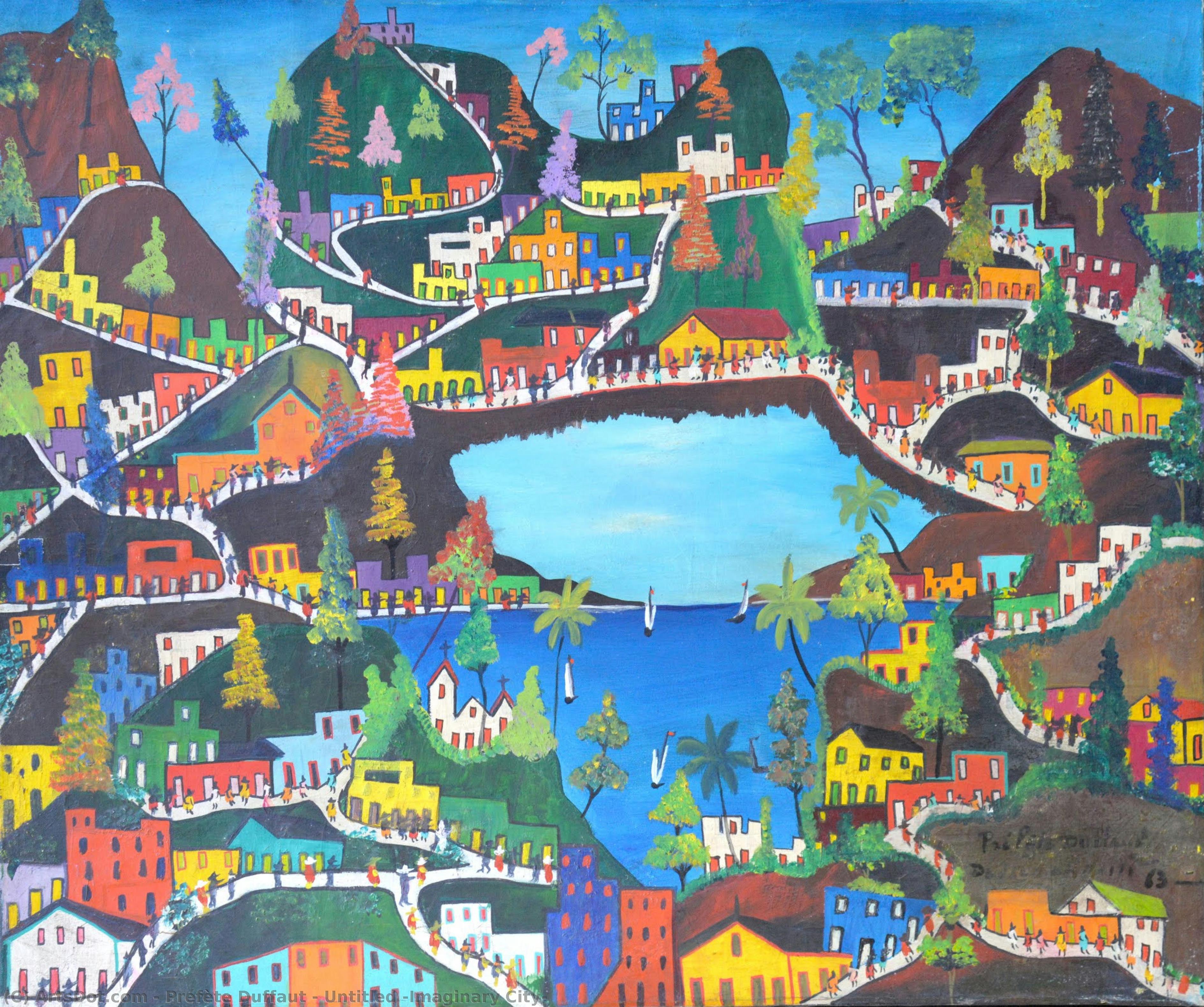
Untitled (Imaginary City)


 詳細を見る
詳細を見る




P118B $10

P118H $10

P118W $10

P438Z $10

P508JH $12

P508YH $12

P805H $10

P805Z $10

P919BZ $10

P919G $10

P919XJ $10

P959ZH $10

P968JZ $12

W106C $8

W218G $10

W218JH $8

W218Y $10

W307PJ $10

W316G $10

W316PJ $8

W316Y $10

W398PJ $8

W4111J $10

W500HY $15

W500JH $15

W692G $12

W849H $8

W940BG $15

W953PJ $8




作品のオリジナル比率に合わせた、当店の規定サイズからお選びください。

特定のフレームやスペースに合わせて、ご希望のサイズをご入力いただけます。選択されたサイズが元の画像の比率と異なる場合、アートワークをトリミングするか、手描きで要素を追加して絵画を拡張いたします。デジタルモックアップ を制作し、制作開始前にご確認(承認)をいただきます。
画面上のプレビューは、実際のトリミングや拡張を正確に反映しているものではありません。最終的な構図は、モックアップによってのみ正確にご確認いただけます。
カスタムサイズもご利用いただけますが、元の比率を維持するためには、あらかじめ用意されたリストからサイズを選択することをお勧めいたします。
ご注文後、ArtsDot.com チームより詳細な指示をお送りするとともに、仕上がりイメージ(モックアップ)をご提供いたします。


 ガラスオプションは、110cm未満のサイズでのみご利用いただけます。

Untitled (Imaginary City)
複製技法
複製画のサイズ
-


合計金額
$ 263
A Vibrant Journey Through an Imaginary Metropolis
In the mesmerizing canvas of Untitled (Imaginary City), created in 1963, we are invited to step into a world where reality and dream coalesce. The painting presents a breathtakingly colorful depiction of a bustling town, a place that feels simultaneously familiar and otherworldly. At its heart lies a sprawling body of water, acting as a liquid mirror that reflects the vibrant energy of the surrounding architecture. Boats drift lazily across this central blue expanse, suggesting a rhythm of life dictated by the tides and the gentle movement of commerce and leisure. This is not merely a landscape; it is a living, breathing organism of color and light, where every building and every figure contributes to a larger, harmonious tapestry of existence.
The composition is masterfully orchestrated to evoke a profound sense of depth and kinetic energy. As the eye wanders through the labyrinthine streets, it encounters a dense arrangement of houses that seem to climb toward the horizon, creating an immersive experience for the viewer. A solitary tree, positioned near the center, serves as a grounding element—a touch of organic permanence amidst the swirling activity of the urban sprawl. This strategic placement provides a focal point that anchors the eye, allowing one to feel as though they could step directly into the frame and begin an endless exploration of this whimsical, constructed reality.
The Naïve Spirit and Technical Brilliance
The work is a quintessential expression of the artist préfète duffaut, a master of Haitian naïve art. His technique eschews the rigid constraints of traditional perspective in favor of a more emotive, flattened space that prioritizes color and pattern over anatomical or architectural precision. This stylistic choice allows for a heightened sense of joy; the colors are not merely descriptive but are used to evoke the warmth of the Caribbean sun and the spirited pulse of Haitian culture. The brushwork, while seemingly simple, possesses a rhythmic quality that mimics the movement of the water and the bustling crowds, lending the piece an unmistakable vitality.
For collectors and interior designers alike, this painting offers more than just visual appeal; it offers a window into a soulful way of seeing. The interplay between the structured buildings and the fluid water creates a dynamic tension that makes the artwork a captivating centerpiece for any sophisticated space. Whether placed in a sun-drenched gallery or a contemporary living room, Untitled (Imaginary City) serves as an emotional anchor, bringing a sense of wonder, nostalgia, and boundless imagination to its surroundings. It is a celebration of life's complexity, rendered through the lens of a beautiful, uninhibited dream.
関連作品

アーティストの略歴
Roy Lichtenstein: A Pop Art Pioneer
Roy Fox Lichtenstein, born on October 27, 1923, in New York City, was a transformative figure in the art world – a painter who irrevocably altered our perception of what constituted “high” and “low” culture. His career, spanning nearly half a century, is inextricably linked to the rise of Pop Art, a movement he not only embraced but fundamentally shaped. From his early fascination with science, dinosaurs at the American Museum of Natural History, and the mechanical wonders of the city, to his later mastery of comic book imagery and advertising techniques, Lichtenstein’s journey was one of constant exploration and innovation. He died in 1997, leaving behind an astonishing body of work that continues to provoke discussion and admiration.Early Influences and Artistic Foundations
Lichtenstein's childhood was remarkably enriched by exposure to art and culture. His parents, Milton and Beatrice Werner Lichtenstein, instilled in him a deep appreciation for the arts, partly due to his mother’s background as a pianist and her dedication to taking him to museums and concerts. This early immersion laid the groundwork for his future artistic pursuits. He began drawing and sculpting as a teenager, displaying an innate talent that was nurtured by Reginald Marsh at the Art Students League of New York in 1940. Marsh’s emphasis on direct observation and capturing the essence of subjects—a stark contrast to the prevailing academic traditions—proved profoundly influential. Lichtenstein's early idols included Rembrandt, Daumier, and Picasso; he famously declared that *Guernica* (1937), then on loan to the Museum of Modern Art, was his favorite painting – a testament to his appreciation for powerful narrative and emotional resonance. Crucially, he questioned established artistic hierarchies, believing that some lines were considered brilliant while others were dismissed as insignificant, a perspective that fueled his later experimentation with popular imagery.The Emergence of Pop Art and Early Works
Following World War II, Lichtenstein began to explore the world of printed images, initially drawing inspiration from medieval knights, castles, and maidens – a whimsical departure from traditional heroic subjects. He then turned his attention to nineteenth-century American genre paintings, meticulously recreating them in a Cubist style, injecting a playful irreverence into familiar scenes. This period marked a significant shift towards Pop Art, characterized by its engagement with mass media and everyday objects. His use of Ben-Day dots—the tiny colored dots that mimic the look of screen printing—became his signature technique, instantly recognizable and emblematic of the movement. The influence of Paul Klee’s lyrical abstractions also played a role in shaping his early style.Mastering the Comic Book Aesthetic
Lichtenstein's breakthrough came with his series of paintings based on comic book panels and advertisements beginning in the early 1960s. He meticulously reproduced these images, often enlarging them dramatically and employing a limited color palette—primarily red, yellow, blue, and black. The result was a startlingly direct and unapologetically commercial aesthetic that challenged traditional notions of artistic seriousness. Works like *Drowning Girl* (1963) and *Whaam!* (1964) became iconic examples of Pop Art, capturing the energy and immediacy of popular culture. He wasn’t simply copying these images; he was analyzing them, dissecting their composition and color schemes to create a new visual language. His process involved tracing the outlines of comic panels, meticulously recreating the Ben-Day dots, and adding subtle variations in color and shading.Legacy and Historical Significance
Roy Lichtenstein’s impact on the art world is undeniable. He demonstrated that art could be found not only in museums but also in advertisements, comic books, and everyday life. His work sparked a critical dialogue about the relationship between art and commerce, challenging viewers to reconsider their assumptions about taste and value. He created over 5,000 paintings, prints, drawings, sculptures, murals, and other objects during his prolific career, solidifying his position as one of the most influential artists of the second half of the twentieth century. His legacy extends beyond Pop Art; he influenced generations of artists with his innovative techniques and his willingness to embrace popular culture as a source of artistic inspiration. His work continues to be exhibited worldwide and remains a vibrant testament to the power of art to reflect and shape our world.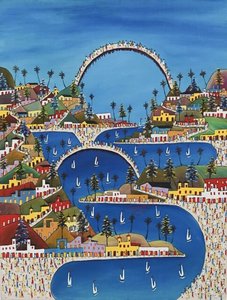
préfète duffaut
1923 - 2012 , Haiti
基本情報
- Artistic Movement Or Style: Pop Art
- Artists Or Movements Influenced By This Artist:
- Comic strips
- Advertisement
- Artists Who Influenced This Artist:
- Rembrandt
- Daumier
- Picasso
- Date Of Birth: October 27, 1923
- Date Of Death: 2012
- Full Name: Roy Fox Lichtenstein
- Nationality: American
- Notable Artworks:
- Whaam!
- Drowning Girl
- Hopelessness
- Place Of Birth: New York City, USA
関連記事
Fluid Reflections: Exploring Water's Symbolism in Art History – From Myth to Impressionism
Explore the rich symbolism of water in art history – from ancient myths to Impressionism's fleeting beauty. Discover masterpieces & find your perfect serene artwork with ArtsDot.com.

葛飾北斎:25の傑作が語る浮世絵の世界 - ArtsDot
葛飾北斎の25選:『神奈川沖浪裏』や『富嶽三十六景』など、浮世絵の世界を深く探求。木版画の技法と日本美術の美をArtsDotで。高品質なアートプリントで空間に感動を。コレクションはこちら。
クロード・モネ傑作25選:光と色彩の印象派を彩る名画の世界 | ArtsDot
クロード・モネの傑作25選。印象派を代表する光の画家、モネの世界を旅しませんか?睡蓮や風景画など、名画の背景にある物語と芸術技法をご紹介。ArtsDotで高品質な複製画とインテリアアートを見つけましょう。全コレクションはこちら。
Top 10 Masterpieces for Your Living Room: Iconic Paintings & Art Decor Ideas |
Transform your living room with iconic art! Explore our guide to the Top 10 most famous paintings – from Van Gogh's Starry Night to Mona Lisa. Discover artist stories, techniques & find museum-quality reproductions for timeless decor. Explore the full collection on
フェルナン・レジェ傑作25選:機械美と色彩の革新 | ArtsDot
フェルナン・レジェの傑作25選。機械美と色彩が織りなすキュビズムの世界を紐解きます。ArtsDotで、フランス絵画の巨匠レジェの作品を高精細プリントで。インテリアアートやギフトにも最適です。全コレクションはこちら: ArtsDot.com