

 プレビュー
プレビュー
 シェアする
シェアする シェアする
シェアする
 詳細を見る
詳細を見る

 ダウンロード
 似ている作品
 X線調査
X線調査 スライドショー
 統計情報
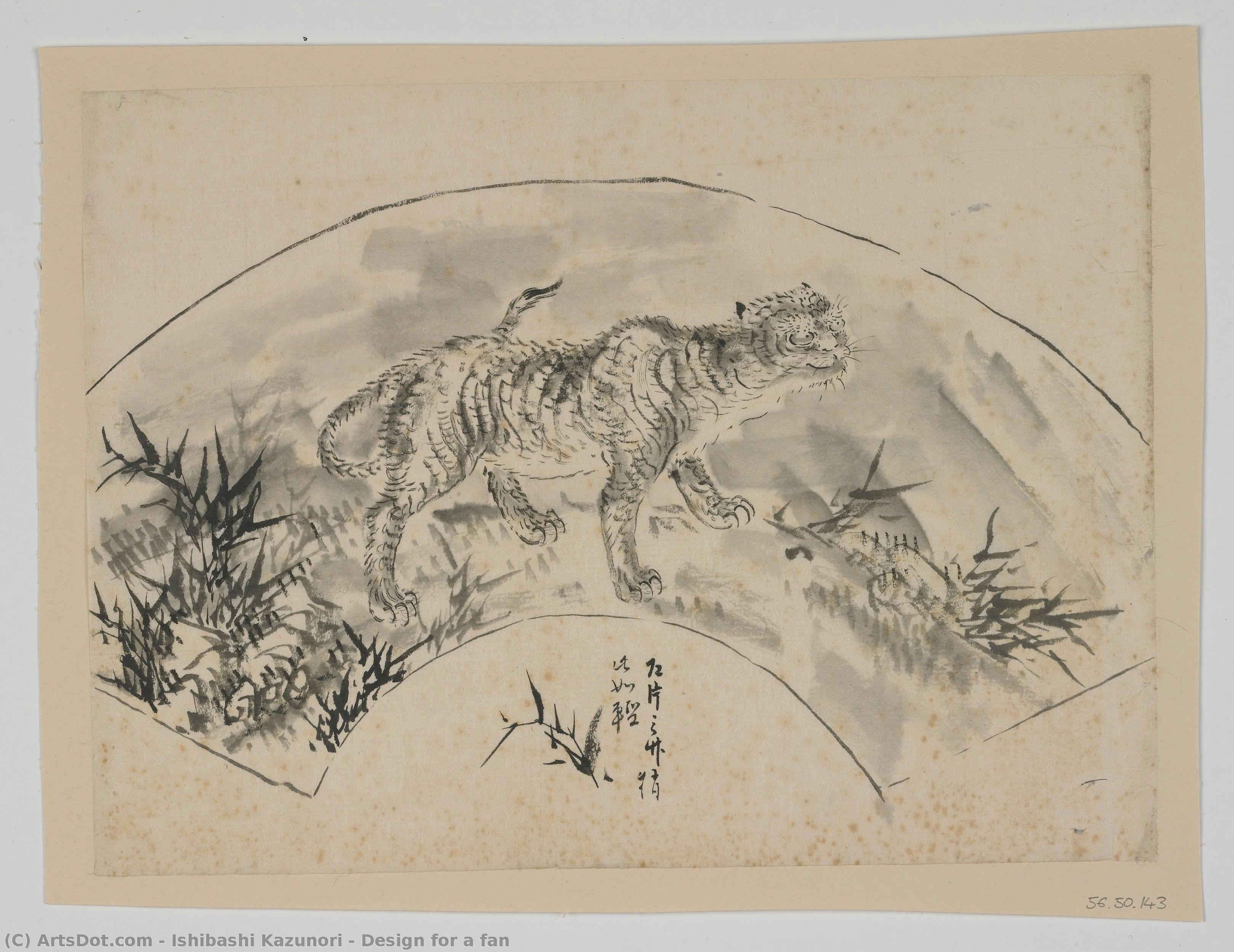
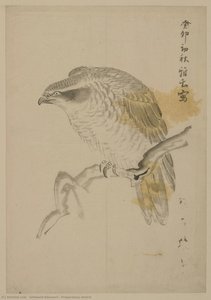
統計情報Design for a fan
 Acrylic On Paper
- Yōga and Nihonga
 19th Century
 27.0 x 35.0 cm
 National Museums Liverpool
 詳細を見る
詳細を見る
手描き油彩複製画
当社のアーティストが、お客様のご希望のサイズと額縁に合わせて、キャンバスに手描きで制作する油彩画です。 ( プリント版に切り替え デジタル画像販売へ切り替え)




P118B $10

P118H $10

P118W $10

P438Z $10

P508JH $12

P508YH $12

P805H $10

P805Z $10

P919BZ $10

P919G $10

P919XJ $10

P959ZH $10

P968JZ $12

W106C $8

W218G $10

W218JH $8

W218Y $10

W307PJ $10

W316G $10

W316PJ $8

W316Y $10

W398PJ $8

W4111J $10

W500HY $15

W500JH $15

W692G $12

W849H $8

W940BG $15

W953PJ $8




作品のオリジナル比率に合わせた、当店の規定サイズからお選びください。

特定のフレームやスペースに合わせて、ご希望のサイズをご入力いただけます。選択されたサイズが元の画像の比率と異なる場合、アートワークをトリミングするか、手描きで要素を追加して絵画を拡張いたします。デジタルモックアップ を制作し、制作開始前にご確認(承認)をいただきます。
画面上のプレビューは、実際のトリミングや拡張を正確に反映しているものではありません。最終的な構図は、モックアップによってのみ正確にご確認いただけます。
カスタムサイズもご利用いただけますが、元の比率を維持するためには、あらかじめ用意されたリストからサイズを選択することをお勧めいたします。
ご注文後、ArtsDot.com チームより詳細な指示をお送りするとともに、仕上がりイメージ(モックアップ)をご提供いたします。


 ガラスオプションは、110cm未満のサイズでのみご利用いただけます。

Design for a fan
複製技法
複製画のサイズ
-


合計金額
-
A Bridge Between Worlds: Exploring the Elegance of Ishibashi Kazunori’s “Design for a Fan”
Ishibashi Kazunori's "Design for a Fan" isn't merely a preparatory sketch; it’s a window into a pivotal moment in Japanese art history – a delicate intersection between Western influence and deeply rooted tradition. Created around 1920, this unassuming monochrome study on paper reveals a profound understanding of composition, symbolism, and the subtle beauty of fleeting moments. It speaks to a generation grappling with modernity while fiercely preserving its cultural heritage, a tension that defines much of early 20th-century Japanese art.
The artwork depicts a scene brimming with quiet observation: a tiger, rendered in bold black ink against a wash of muted tones, prowls amongst bamboo stalks. This isn’t a dramatic confrontation; rather, it's a carefully orchestrated tableau of movement and stillness. The tiger, an animal rarely native to Japan, immediately introduces a layer of symbolic complexity. In Japanese culture, the tiger represented courage, dignity, and even a return journey home – qualities highly valued in samurai warriors. Its presence here suggests a deliberate invocation of these virtues, subtly woven into the fabric of the design.
- The Bamboo’s Significance: Bamboo holds immense cultural significance in Japan, representing resilience, flexibility, and longevity. Its placement alongside the tiger reinforces themes of strength and adaptability.
- Monochrome Mastery: Ishibashi's masterful use of monochrome – primarily black ink and subtle washes – is particularly striking. It’s a technique borrowed from *nihonga*, traditional Japanese painting, where tonal variations are used to evoke atmosphere and texture with remarkable economy. The lack of color forces the viewer to focus on line, form, and the interplay of light and shadow.
- Preparation for Perfection: As a preparatory sketch, “Design for a Fan” offers a fascinating glimpse into Ishibashi’s creative process. The loose lines and visible underdrawings reveal an artist meticulously considering every element – the tiger's posture, the arrangement of bamboo, and the overall balance of the composition.
A Fusion of Styles: Yōga and Nihonga in Harmony
Ishibashi Kazunori’s artistic journey exemplifies the dynamic interplay between *yōga* (Western-style painting) and *nihonga* (traditional Japanese painting). Initially trained in traditional techniques, he was captivated by the innovations of Western art, particularly its emphasis on realism and dramatic lighting. However, he never abandoned his roots; instead, he skillfully integrated Western principles into a distinctly Japanese aesthetic. “Design for a Fan” is a prime example of this synthesis – it demonstrates a sophisticated understanding of perspective and composition influenced by Western painting, while retaining the delicate brushwork and evocative atmosphere characteristic of *nihonga*.
His background in London’s Royal Academy Schools profoundly shaped his approach. He studied portraiture alongside landscape and genre scenes, absorbing techniques that would later inform his own distinctive style. Yet, he remained deeply connected to Japanese artistic traditions, evident in the careful attention to detail, the emphasis on naturalism, and the use of traditional materials like ink and paper.
Symbolism and Context: The Tiger’s Enduring Legacy
Beyond its aesthetic qualities, “Design for a Fan” is rich in symbolism. As mentioned earlier, the tiger represents courage, dignity, and a safe return home – virtues highly valued by samurai. The inclusion of birds adds another layer of meaning, suggesting freedom, aspiration, and perhaps even a hint of danger. The bamboo stalks, with their inherent strength and flexibility, further reinforce these themes.
Furthermore, the design itself—a preliminary sketch for a folding fan—holds significance within Japanese culture. Fans were not merely functional objects; they were intricate works of art, often adorned with elaborate designs that reflected seasonal motifs, auspicious symbols, or scenes from folklore and mythology. Ishibashi’s sketch anticipates the final, more refined version, showcasing his meticulous approach to creating a beautiful and meaningful object.
A Timeless Masterpiece: Reproduction and Appreciation
Reproductions of “Design for a Fan” offer a remarkable opportunity to bring this exquisite artwork into your home or office. ArtsDot offers high-quality prints in various sizes, allowing you to appreciate the subtle nuances of Ishibashi’s masterful technique. Whether displayed as a statement piece or incorporated into a broader collection, this evocative image will undoubtedly captivate and inspire.
関連作品


アーティストの略歴
石橋一教:伝統と近代を繋ぐ架け橋
早年期と芸術の黎明
石橋一教(石橋若雲、画号:牛画薤としても知られる)は、1876年に日本に生を受け、1928年にその生涯を閉じました。彼の幼少期に関する詳細な記録は決して多くはありませんが、当初は日本の伝統的な絵画技法の研鑽に身を投じていたことが分か説いています。しかし、西洋美術の影響を受けた洋画という新たな潮流への情熱が、やがて彼を虜にしました。この決定的な転換点は、確立された芸術的規範と革新的なアプローチを融合させるという、彼の探求の始まりとなったのです。芸術的展開と独自の様式
石橋の芸術的な旅路は、日本の伝統美と西洋の絵画技法との類まれな融合によって特徴づけられます。彼は洋画と日本画という、相反する複雑な様式を巧みに操り、彼にしか成し得ない独自の作品群を生み出しました。その作風は、大胆な色彩、表情豊かな筆致、そして細部への鋭いこだわりによって、一目でそれと見分けることができます。美しい女性や風景、静物画を頻繁に描き出しただけでなく、遠近法や陰影に対する革新的な理解を示し、画面に深みと立体感をもたらしました。代表作とその功績
石橋一教の最も名高い作品として、「詩を読む女」や「扇の意匠」が挙げられます。現在島根県立美術館に収蔵されている「詩を読む女」は、彼の最高傑作として広く知られています。ある英国人女優をモデルにしたと言い伝えられており、島根県の文化財にも指定されています。また、様々な形態で残る「扇の意匠」は、伝統的な日本美術のエッセンスを現代的な文脈の中で捉え直す、彼の卓越した技量を見事に示しています。絹や紙に施された岩絵具や有機的な素材の使用は、彼の全作品に通底する独特の質感と色彩美に寄与しました。影響と遺産
具体的な影響源については詳細な記録が残っていないものの、石橋一教の作品には、当時の日本における芸術的遺産と西洋的な絵画様式への深い関わりが明確に刻まれています。彼の革新的なアプローチは、その後の日本美術の発展に多大な影響を与え、次世代の芸術家たちにインスピレーションを与え続けました。特筆すべきは、写実的な洋画風肖像画で知られる岸田劉生が、石橋の技法と芸術的ヴィジョンに影響を受けた一人であったことです。歴史的意義
石橋一教は、伝統と近代の隔たりを埋めることに成功した芸術家として、日本美術史において極めて重要な地位を占めています。洋画と日本画の様式を統合するその能力は、同時代の人々の共感を呼び、現代に至るまでアーティストたちに刺激を与え続けています。東京の室町美術館には彼の見事なコレクションが収蔵されており、それは彼の芸術的な多才さと不朽の遺産の証となっています。明治・大正期における日本絵画の変遷を辿る者にとって、彼は今なお欠かすことのできない重要な人物であり続けています。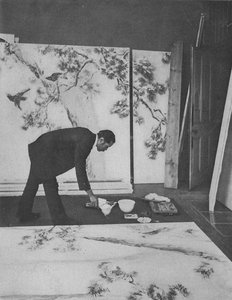
石橋一登
1876 - 1928 , 日本
基本情報
- Birth Date: 1876年
- Birth Place: 日本
- Death Date: 1928年
- Influenced: ['岸田劉生']
- Movement:
- 洋画
- 日本画
- Name: 石橋一規
- Nationality: 日本人
- Notable Works:
- 詩を読む女
- 扇子の意匠
関連記事
Floating World: The Captivating Art and Legacy of Japanese Ukiyo-e
Explore the profound beauty of Japanese Ukiyo-e. Discover the history, masters like Hokusai, and the enduring legacy of the 'Floating World' through an expert art-historical lens.

現代におけるアニメキャンバスの隆盛:デジタル技術と表現の進化
現代アニメの隆盛を、技術的進化、美術史との関連性、オタク文化の影響から深く掘り下げます。アートコレクションや投資に関心のある方へ、専門家による分析と市場動向をご提供します。
Serenity on Canvas: A Guide to the Timeless Beauty of Japanese Landscape Painting
Discover the serene beauty of Japanese landscape painting. From Hokusai's iconic woodblock prints to meditative sumi-e ink washes, explore a visual journey through the 'floating world' and learn how to bring this timeless Zen aesthetic into your modern home decor.

葛飾北斎:25の傑作が語る浮世絵の世界 - ArtsDot
葛飾北斎の25選:『神奈川沖浪裏』や『富嶽三十六景』など、浮世絵の世界を深く探求。木版画の技法と日本美術の美をArtsDotで。高品質なアートプリントで空間に感動を。コレクションはこちら。
動く蒐集家:現代アートにおけるコレクターの役割と変容
現代アートコレクションの役割と変容を深く掘り下げます。ArtsDot.comが提供する高品質な油絵複製、カスタムペイント、そして専門家によるコンサルテーションで、あなたのアートライフを豊かに。
