

 プレビュー
プレビュー
 シェアする
シェアする シェアする
シェアする
 詳細を見る
詳細を見る

 ダウンロード
 似ている作品
 X線調査
X線調査 スライドショー
 Stats
StatsFormal Palazzo Pyjama


 詳細を見る
詳細を見る
オンラインプレビューをはるかに凌ぐ、高解像度で鮮明なデジタル画像をご購入いただけます。
各ファイルは、社内の専門家が高度なツールと熟練した手作業によるレタッチを用いて、細心の注意を払って準備されています。すべての画像において、卓越した鮮明度、正確な色彩再現性、そして繊細なディテールを保証いたします。
最終ファイルは、プロフェッショナルな編集・印刷環境ですぐにご利用いただけるよう最適化された状態で、72時間以内にメールにてお届けいたします。これは、一流のデザインスタジオ、出版社、ギャラリーから信頼されているものと同等の品質です。
デジタルアート
個人での鑑賞、印刷、クリエイティブなプロジェクト用に、高解像度ファイルをダウンロードできます。 ( Switch to Print 手描きの絵画を購入)
デジタル画像のご注文に付随する特典
高品質なデジタル画像配信を、確かな品質で。
ArtsDot.com を選ぶことは、単に画像を手に入れることではありません。それは、プロの手によって精密に仕上げられ、満足保証が付いた高品質なデジタルアートワークを受け取ることを意味します。ご注文いただいた際に自動的に付随する内容は、以下の通りです:

メールですぐにお届け
ご注文から72時間以内に、高解像度のデジタル画像ファイルがメールでお手元に届きます。すぐにそのままご利用いただけます。

AI技術で最適化されたデジタルファイル
お客様の作品は、高度なAIツールと専門家による手作業の編集を組み合わせてプロフェッショナルに最適化されており、細部のディテール、鮮明さ、そして正確な色再現性を最大限に引き出しています。

一生涯無料の再送サービス
ファイルを誤って削除したり、紛失してしまったりしましたか?ご安心ください。いつでも無料で再送いたします。

輸入手数料は一切かかりません
関税や手数料、配送料を気にすることなく、お気に入りのアートワークをすぐにお楽しみいただけます。デジタルダウンロードは常に免税です。

色彩再現の保証
プロ仕様のツールとカラーマネジメント技術を用いることで、デジタル画像が元の色を最大限に忠実に再現することを保証いたします。

100日間満足保証
ご購入いただいたデジタル画像にご満足いただけない場合は、100日以内であれば、理由を問わず修正または100%の返金対応をさせていただきます。

100% 返金保証
ご満足いただけない場合は、デジタルファイルを受け取ってから100日以内であれば、理由を問わず全額返金いたします。

まとめ買い割引
3枚購入で10%OFF - 5枚購入で15%OFF - 10枚以上購入で20%OFF。クリエイティブなプロジェクト、ギャラリー、エージェンシーに最適です。
The Palazzo Pyjama: A Vision of Fluid Elegance
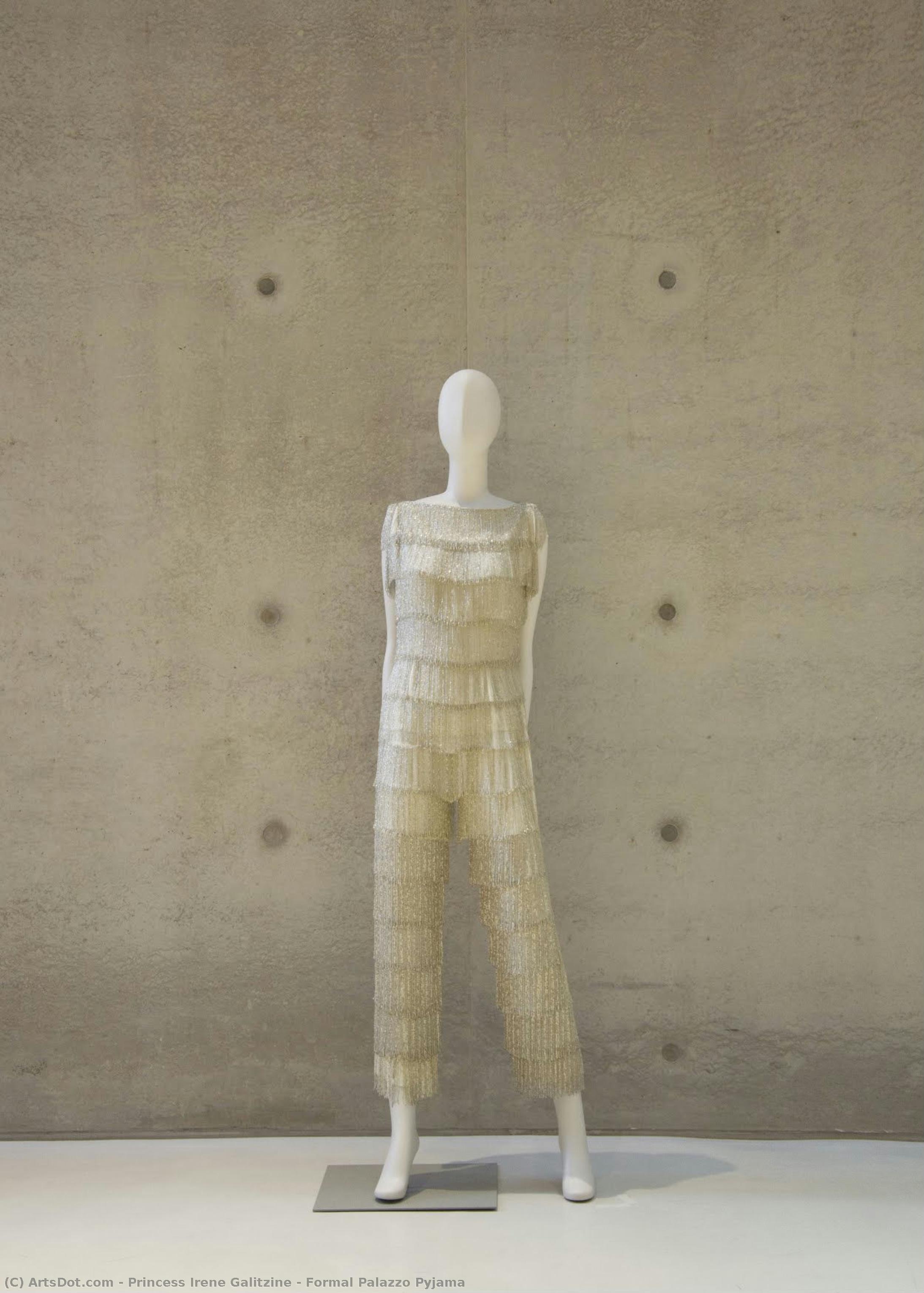
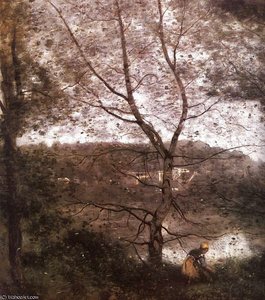
Princess Irene Galitzine’s “Formal Palazzo Pyjama” isn't merely a dress; it’s an emblem of the 1960s aesthetic—a testament to daring silhouettes and luxurious fabrics that captured the spirit of a generation. Born in Tbilisi, Georgia, amidst the upheaval of post-war Europe, Galitzine possessed an innate understanding of how fashion could communicate emotion and aspiration. Her formative years instilled a profound appreciation for both Russian aristocratic heritage and European artistic influences, shaping her distinctive approach to design. This painting encapsulates precisely that ethos: a celebration of effortless sophistication achieved through meticulous craftsmanship.- Subject Matter: The artwork depicts a mannequin draped in a striking crimson silk palazzo pyjama ensemble. The dress features voluminous trousers that cascade down from the waistline, creating an illusion of movement and grace—a deliberate departure from the restrictive fashions of previous decades.
- Style: Galitzine’s style is characterized by its sculptural quality – she sought to elevate clothing beyond mere practicality, transforming it into a form of art. The palazzo pyjama embodies this principle perfectly, prioritizing dramatic drapery and fluid lines over conventional tailoring.
- Technique: Executed in oil paint on canvas, the painting demonstrates Galitzine’s mastery of chiaroscuro—the skillful manipulation of light and shadow—to accentuate the fabric's texture and create a sense of depth. The artist’s meticulous brushstrokes capture the subtle sheen of silk and convey an impression of luxurious materiality.
Historical Context: Challenging Conventions
Symbolism: Fluidity and Grace
Emotional Impact
関連作品

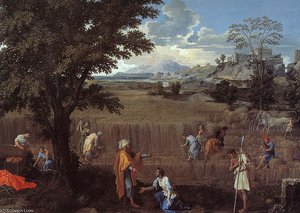

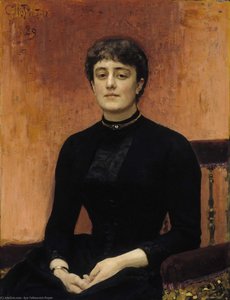
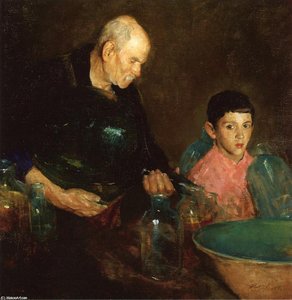
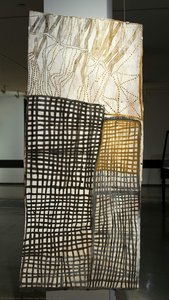
作家の略歴
The Architect of Elegance: The Life and Legacy of Princess Irene Galitzine
In the grand tapestry of twentieth-century fashion, few names evoke the shimmering allure of the Jet Set era quite like Princess Irene Galitzine. Born in 1916 amidst the fading splendor of the Russian Empire in Tbilisi, Georgia, her early life was defined by a profound sense of displacement and aristocratic grace. As the daughter of Prince Boris Galitzine and Princess Nina Lazareff, she belonged to a lineage of immense historical weight, yet the turbulent winds of the 1917 October Revolution forced her family into exile. This transition from the imperial grandeur of the East to the cultural epicenters of Europe would become the crucible for her creative spirit, instilling in her a unique perspective that blended Russian heritage with a cosmopolitan European sensibility.
Galitzine’s education was as much an odyssey of culture as it was an academic pursuit. Moving through the intellectual landscapes of Rome, Cambridge, and Paris, she immersed herself in the fine arts, English literature, and the French language. These studies were not merely ornamental; they provided her with a sophisticated vocabulary of beauty that would later define her aesthetic. Her time in Italy proved particularly transformative. In 1943, she joined the prestigious Italian fashion house Sorelle Fontana, where she worked under the mentorship of the legendary Fontana sisters. This period allowed her to master the technical rigors of wartime production and explore the innovative use of textiles, laying the groundwork for a career that would eventually prioritize the marriage of comfort and high-fashion drama.
The Revolution of the Palazzo Pyjama
By 1946, Galitzine had established her own salon, marking the beginning of an era where fashion moved away from the restrictive silhouettes of the past toward a more fluid, liberated form. Her most enduring contribution to the sartorial lexicon was undoubtedly the Palazzo Pyjama. Introduced in 1960 and famously named by the formidable editor Diana Vreeland, these evening slacks were a revelation. Crafted from gauzy, ethereal fabrics that danced with every movement, they offered a revolutionary alternative to the stiff formality of traditional evening wear. The design captured a specific cultural zeitgeist: a desire for effortless glamour that could transition seamlessly from a private lounge to a high-society gala.
The impact of her work was felt far beyond the runways of Rome. Her designs became the uniform of the international elite, worn by icons whose very presence defined mid-century style. The allure of Galitzine’s creations lay in their ability to bestow an air of relaxed sophistication upon the wearer. Her clientele included a breathtaking roster of legends:
- Audrey Hepburn, who embodied the effortless chic of the palazzo silhouette;
- Jackie Kennedy, whose personal style mirrored the designer's blend of simplicity and class;
- Sophia Loren and Elizabeth Taylor, who brought a cinematic scale to her flowing designs;
- The Duchess of Windsor and Lee Radziwill, pillars of aristocratic elegance.
A Lasting Impression on Fashion History
Beyond the physical garments, Princess Irene Galitzine’s significance lies in her role as a pioneer of lifestyle design. She understood that fashion was not just about clothing, but about the way one inhabited their world. Her work anticipated the modern movement toward luxury loungewear and the blurring of lines between day and evening attire. She possessed the rare ability to take the concept of "leisure" and elevate it to a state of high art, ensuring that even in moments of repose, the wearer remained a figure of profound distinction.
As she moved through the decades, her influence remained a constant thread in the fabric of fashion history. Even as trends shifted toward more casual or avant-garde structures, the fundamental principles of Galitzine’s work—fluidity, grace, and an unapologetic embrace of luxury—remained foundational. When she passed away in Rome in 2006 at the age of ninety, she left behind a legacy that continues to inspire designers today. She remains remembered not just as a designer of clothes, but as an architect of an era, a woman who took the fragments of a lost imperial world and wove them into a new, enduring standard of elegance.
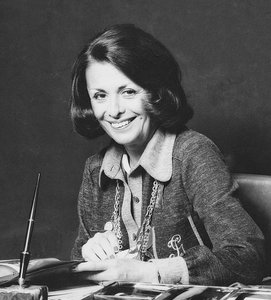
princess irene galitzine
1916 - 2006 , Georgia
プロフィール概要
- Artistic Movement Or Style: Fashion Design
- Artists Or Movements Influenced By This Artist:
- Jackie Kennedy
- Audrey Hepburn
- Artists Who Influenced This Artist: ['Sorelle Fontana']
- Date Of Birth: 1916 Tbilisi Georgia
- Date Of Death: 2006
- Full Name: Princess Irene Galitzine
- Nationality: Russian Georgian
- Notable Artworks: ['Palazzo Pyjama']
- Place Of Birth: Tbilisi Georgia