

 プレビュー
プレビュー
 シェアする
シェアする シェアする
シェアする
 詳細を見る
詳細を見る

 ダウンロード
 似ている作品
 X線調査
X線調査 スライドショー
 Stats
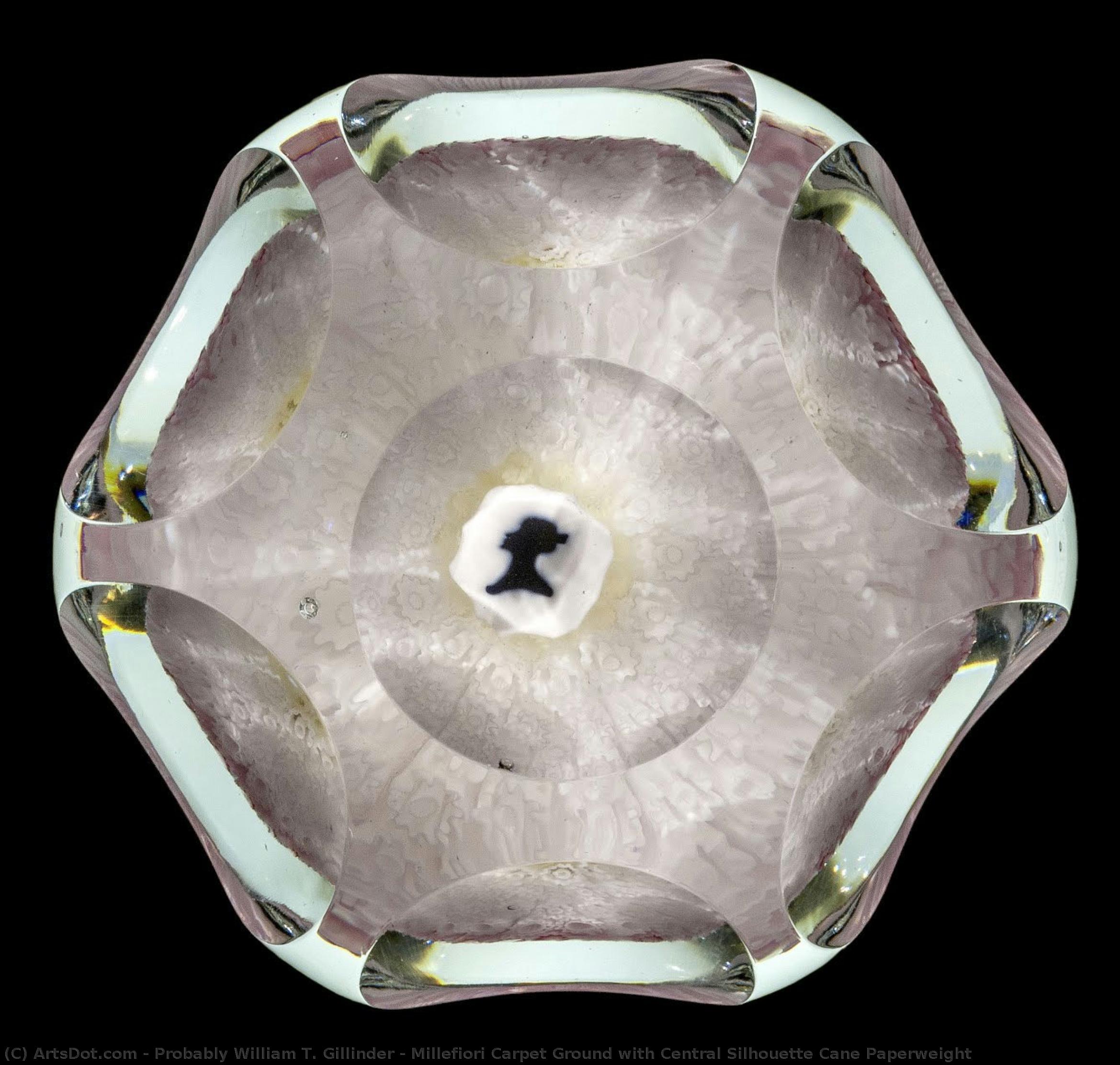
StatsMillefiori Carpet Ground with Central Silhouette Cane Paperweight
 5.0 x 8.0 cm
 Bergstrom-Mahler Museum of Glass
 詳細を見る
詳細を見る
オンラインプレビューをはるかに凌ぐ、高解像度で鮮明なデジタル画像をご購入いただけます。
各ファイルは、社内の専門家が高度なツールと熟練した手作業によるレタッチを用いて、細心の注意を払って準備されています。すべての画像において、卓越した鮮明度、正確な色彩再現性、そして繊細なディテールを保証いたします。
最終ファイルは、プロフェッショナルな編集・印刷環境ですぐにご利用いただけるよう最適化された状態で、72時間以内にメールにてお届けいたします。これは、一流のデザインスタジオ、出版社、ギャラリーから信頼されているものと同等の品質です。
デジタルアート
個人での鑑賞、印刷、クリエイティブなプロジェクト用に、高解像度ファイルをダウンロードできます。 ( Switch to Print 手描きの絵画を購入)
デジタル画像のご注文に付随する特典
高品質なデジタル画像配信を、確かな品質で。
ArtsDot.com を選ぶことは、単に画像を手に入れることではありません。それは、プロの手によって精密に仕上げられ、満足保証が付いた高品質なデジタルアートワークを受け取ることを意味します。ご注文いただいた際に自動的に付随する内容は、以下の通りです:

メールですぐにお届け
ご注文から72時間以内に、高解像度のデジタル画像ファイルがメールでお手元に届きます。すぐにそのままご利用いただけます。

AI技術で最適化されたデジタルファイル
お客様の作品は、高度なAIツールと専門家による手作業の編集を組み合わせてプロフェッショナルに最適化されており、細部のディテール、鮮明さ、そして正確な色再現性を最大限に引き出しています。

一生涯無料の再送サービス
ファイルを誤って削除したり、紛失してしまったりしましたか?ご安心ください。いつでも無料で再送いたします。

輸入手数料は一切かかりません
関税や手数料、配送料を気にすることなく、お気に入りのアートワークをすぐにお楽しみいただけます。デジタルダウンロードは常に免税です。

色彩再現の保証
プロ仕様のツールとカラーマネジメント技術を用いることで、デジタル画像が元の色を最大限に忠実に再現することを保証いたします。

100日間満足保証
ご購入いただいたデジタル画像にご満足いただけない場合は、100日以内であれば、理由を問わず修正または100%の返金対応をさせていただきます。

100% 返金保証
ご満足いただけない場合は、デジタルファイルを受け取ってから100日以内であれば、理由を問わず全額返金いたします。

まとめ買い割引
3枚購入で10%OFF - 5枚購入で15%OFF - 10枚以上購入で20%OFF。クリエイティブなプロジェクト、ギャラリー、エージェンシーに最適です。
関連作品





作家の略歴
The Enigmatic World of William T. Gillinder
The name William T. Gillinder resonates within the specialized circles of antique paperweight collecting, yet remains largely unknown to the broader art historical landscape. This is a curious situation for an artist whose delicate creations—primarily millefiori paperweights—capture a fleeting moment in Victorian artistry and technical skill. While biographical details surrounding Gillinder are scarce, his work speaks volumes about the burgeoning glassmaking industry of 19th-century America and the refined tastes of its emerging middle class. He is believed to have been active during the mid-to-late 1800s, a period marked by rapid industrialization alongside a renewed appreciation for handcrafted objects. The lack of extensive documentation adds an air of mystery to his oeuvre, prompting speculation about his training and influences. It’s generally accepted that Gillinder worked in Philadelphia, a significant center for glass production at the time, though precise details regarding workshops or apprenticeships remain elusive.A Master of Millefiori
Gillinder's artistic legacy rests almost entirely on his exceptional paperweights, specifically those employing the millefiori technique—Italian for “thousand flowers.” This complex process involves creating intricate floral designs from glass canes, which are then cross-sectioned and arranged within a clear glass matrix. The resulting compositions appear as miniature gardens suspended in time. Gillinder distinguished himself through an extraordinary command of color and form. His paperweights aren’t merely decorative; they demonstrate a sophisticated understanding of light refraction and the interplay between vibrant hues. He favored a palette rich in ruby reds, cobalt blues, emerald greens, and sunny yellows, often juxtaposing them with delicate white latticework or contrasting dark grounds to enhance their visual impact.Influences and Artistic Context
The origins of millefiori glassmaking can be traced back to ancient Rome, but the technique experienced a significant revival in Murano, Italy, during the 19th century. It is highly probable that Gillinder was influenced by examples of Italian millefiori paperweights imported into America. However, he wasn’t simply a copyist. He adapted the technique to his own aesthetic sensibilities and the demands of the American market. The Victorian era prized sentimentality and naturalistic representation, and Gillinder's paperweights perfectly embodied these values. His work also reflects the broader artistic trends of the period, including the influence of botanical illustration and the growing fascination with exotic flora. The meticulous detail in his floral arrangements suggests a keen observation of nature, perhaps informed by popular gardening books or direct study of plant life.Technical Prowess and Lasting Appeal
Creating millefiori paperweights is an incredibly demanding process, requiring both technical skill and artistic vision. Gillinder’s mastery lies in his ability to seamlessly integrate hundreds of individual glass canes into a harmonious whole. The canes themselves had to be precisely crafted, cooled, and arranged before being fused together within the molten glass. This required exceptional control over temperature and timing, as well as a deep understanding of how different colors would interact when heated. Beyond the technical challenges, Gillinder possessed an innate sense of composition and color balance. His paperweights are not haphazard arrangements; they are carefully considered works of art that showcase his artistic sensibility. Today, his creations are highly sought after by collectors for their beauty, rarity, and historical significance. They offer a glimpse into a bygone era—a time when handcrafted objects were valued for their artistry and the skill of the artisans who created them.A Legacy in Glass
Although William T. Gillinder’s life remains shrouded in obscurity, his paperweights continue to captivate and inspire. His work stands as a testament to the enduring appeal of handcrafted art and the beauty that can be achieved through technical mastery and artistic vision. While he may not have achieved widespread recognition during his lifetime, Gillinder's legacy lives on in the exquisite paperweights he left behind—miniature worlds of color and light that offer a timeless glimpse into the Victorian aesthetic. His pieces are now treasured as examples of American glassmaking artistry, representing a unique blend of Italian technique and American sensibility. The ongoing fascination with his work ensures that William T. Gillinder will continue to be remembered as a master of millefiori and a significant figure in the history of paperweight collecting.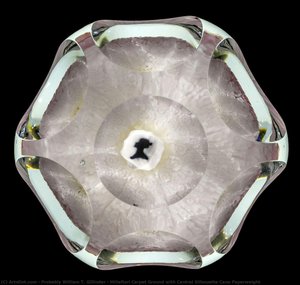
プロフィール概要
- Artistic Movement Or Style: Paperweight Art
- Date Of Death: Living
- Full Name: William T. Gillinder
- Notable Artworks: ['Millefiori Carpet Ground Paperweight']