

 プリントを購入
 シェアする
シェアする シェアする
シェアする
 詳細を見る
詳細を見る

 ダウンロード
 似ている作品
 スライドショー
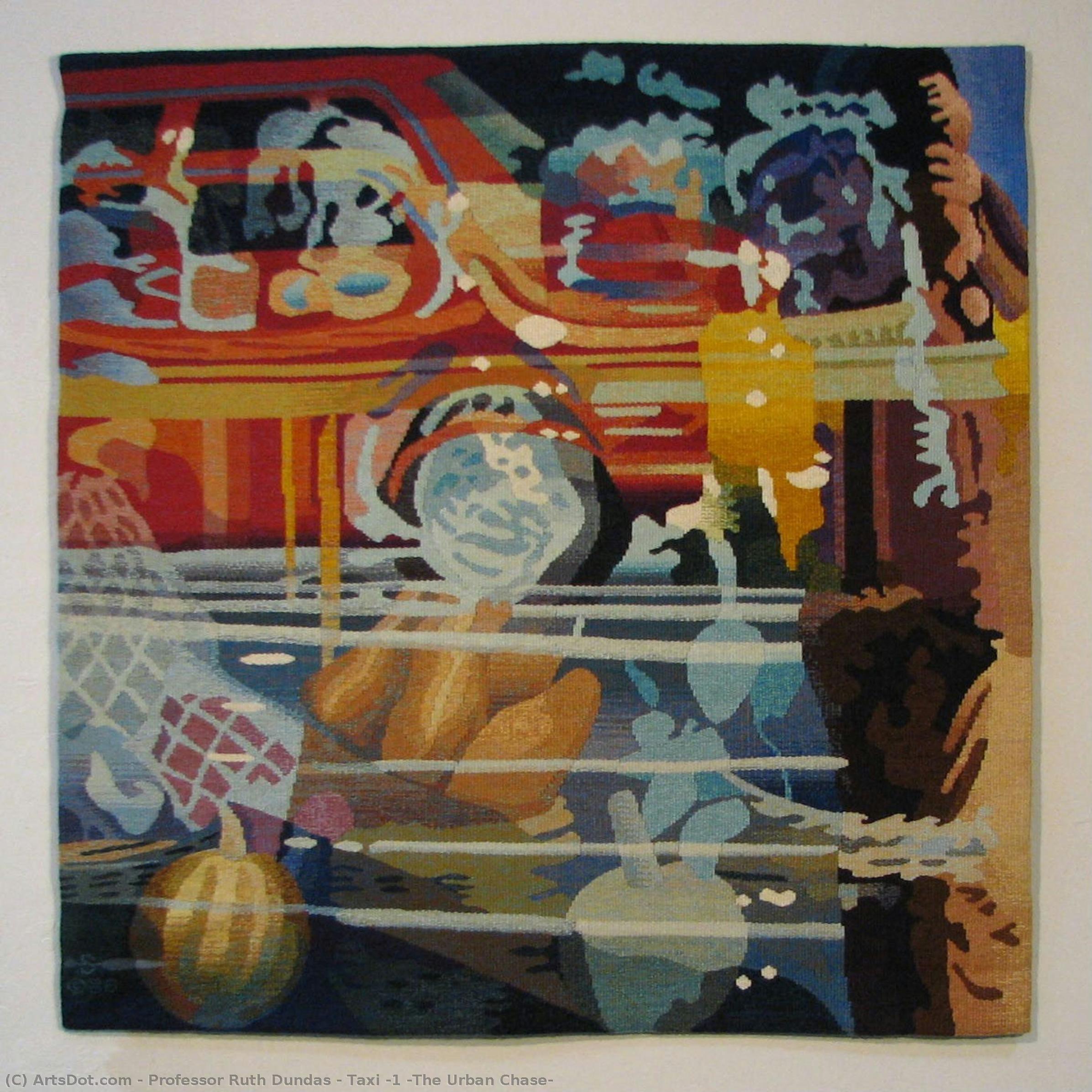
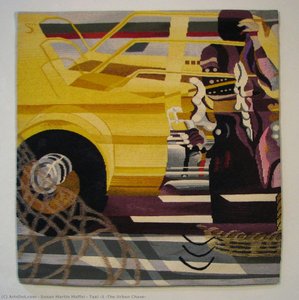
Taxi #1 (The Urban Chase)


 詳細を見る
詳細を見る




































作品のオリジナル比率に合わせた、当店の規定サイズからお選びください。

特定のフレームやスペースに合わせて、ご希望のサイズをご入力いただけます。選択されたサイズが元の画像の比率と異なる場合、アートワークをトリミングするか、手描きで要素を追加して絵画を拡張いたします。デジタルモックアップ を制作し、制作開始前にご確認(承認)をいただきます。
画面上のプレビューは、実際のトリミングや拡張を正確に反映しているものではありません。最終的な構図は、モックアップによってのみ正確にご確認いただけます。
カスタムサイズもご利用いただけますが、元の比率を維持するためには、あらかじめ用意されたリストからサイズを選択することをお勧めいたします。
ご注文後、ArtsDot.com チームより詳細な指示をお送りするとともに、仕上がりイメージ(モックアップ)をご提供いたします。


 ガラスオプションは、110cm未満のサイズでのみご利用いただけます。

Taxi #1 (The Urban Chase)
複製技法
複製画のサイズ
-


合計金額
$ 263
Ruth Dundas’s ‘The Urban Chase’: A Fractured Reflection of Modernity
Ruth Dundas's "The Urban Chase" (1986) is more than just a woven tapestry; it’s a potent visual statement born from a pivotal moment in artistic and societal upheaval. Created as part of a collaborative series exploring individual perceptions, the work captures the frenetic energy of New York City through a fractured lens – quite literally. The original photograph, depicting yellow taxicabs reflected in the triple-paned window of Balducci’s Delicatessen, was deliberately disrupted by the glass, creating a cascade of reflections that four artists then interpreted with remarkable divergence. This intentional fragmentation speaks directly to the core theme: how we each construct our own reality through subjective experience, mirroring the anxieties and dynamism of urban life.
- The Collaborative Vision: The tapestry’s genesis lies in a groundbreaking collaborative project at the Scheuer Tapestry Studio (STS). Four artists – Dundas, Susan Maffei, Deborah Hildreth, and Joyce Hulbert – were given exclusive control over their quadrants of the original image, resulting in four distinct yet interconnected narratives. This innovative approach, reflecting the spirit of experimentation prevalent in the 1960s, foreshadowed many contemporary collaborative art practices.
- Abstract Expressionist Roots: Dundas’s style is firmly rooted in the principles of Abstract Expressionism, albeit with a distinctly modern sensibility. The flattened perspective, bold color palette, and expressive use of line evoke the emotional intensity of artists like Jackson Pollock, while simultaneously reflecting the burgeoning interest in urban landscapes that characterized the era.
Technique and Materiality: A Layered Exploration
The creation of “The Urban Chase” is a testament to meticulous handcraftsmanship. The tapestry was painstakingly pieced together from hand-stitched wool yarn, layered with remarkable precision to build up form and texture. This looped pile construction immediately draws the eye, creating a rich visual surface that invites close inspection. Machine stitching adds an element of industrial precision to the otherwise organic feel, highlighting the interplay between traditional weaving techniques and emerging technologies.
- Wool and Backing: Primarily utilizing wool yarn for its vibrant color saturation and textural qualities, the tapestry rests upon a woven backing – a crucial structural component that contributes significantly to the overall stability and longevity of the artwork.
- Layered Construction: The technique employed involves layering colored yarns to build up form and texture, creating a dynamic visual surface that captures movement and disorientation with remarkable skill.
Symbolism and Emotional Resonance
"The Urban Chase" is laden with symbolic meaning. The chaotic arrangement of vehicles – taxis and buses – represents the relentless pace of city life, evoking feelings of urgency, excitement, and perhaps even anxiety. The lack of traditional perspective further amplifies this sense of disorientation, forcing the viewer to confront the fragmented nature of modern experience. The title itself, “The Urban Chase,” immediately establishes a narrative of pursuit and escape, reflecting the human desire for freedom within the confines of an increasingly complex urban environment.
- Reflected Reality: The fractured reflections inherent in the artwork symbolize the subjective nature of perception – how individuals interpret the same reality through their own unique lenses.
- Emotional Intensity: The bold colors and dynamic composition contribute to a palpable sense of emotional intensity, capturing the energy and tension of urban life with remarkable power.
Historical Context and Legacy
Created in 1986, “The Urban Chase” stands as a significant work within Ruth Dundas’s oeuvre and the broader context of 1960s artistic experimentation. Dundas's work reflects the era's fascination with urban landscapes and its questioning of traditional artistic conventions. The tapestry’s journey through exhibition and publication solidified its place in art history, demonstrating the power of collaborative projects to challenge established norms and explore complex themes. This piece represents a pivotal moment in weaving as an art form, pushing boundaries and embracing new approaches to both subject matter and technique.
関連作品

関連記事
Concrete Narratives: Exploring Urban Life in Modern & Contemporary Art
Explore the evolution of cityscape painting with ArtsDot. Discover key artists from Realism to contemporary movements & invest in timeless urban visions. Expert guidance, museum-quality reproductions.
Concrete Visions: Exploring Representations of Urban Life in Modern & Contemporary Art
Explore the evolution of cityscape painting from Realism to contemporary art. Discover key artists & invest in timeless urban visions with ArtsDot's expert guidance and museum-quality reproductions.
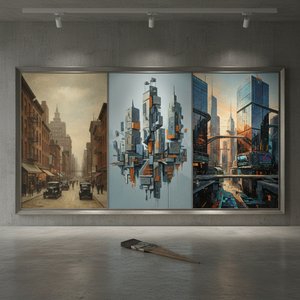
Concrete Visions: Exploring the Urban Landscape in Painting – From Realism to Contemporary Art
Explore the evolution of cityscape painting from Realism to contemporary art with ArtsDot. Discover key artists & invest in timeless urban visions. Expert guidance, museum-quality reproductions.
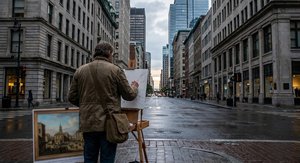
Urban Visions: A Historical & Artistic Exploration of the Cityscape in Painting
Explore the evolution of cityscape painting from historical maps to Impressionist masterpieces. Discover artists like Caillebotte & Utrillo. Find museum-quality reproductions at ArtsDot.
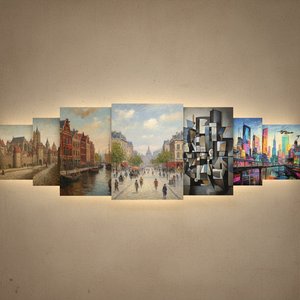
Urban Visions: A Historical & Artistic Exploration of the Cityscape in Painting
Explore the evolution of cityscape painting from historical maps to Impressionist masterpieces. Discover artists like Caillebotte, Utrillo & Matsumoto Shunsuke. Find museum-quality reproductions at ArtsDot.