

 プリントを購入
 シェアする
シェアする シェアする
シェアする
 詳細を見る
詳細を見る

 ダウンロード
 似ている作品
 スライドショー
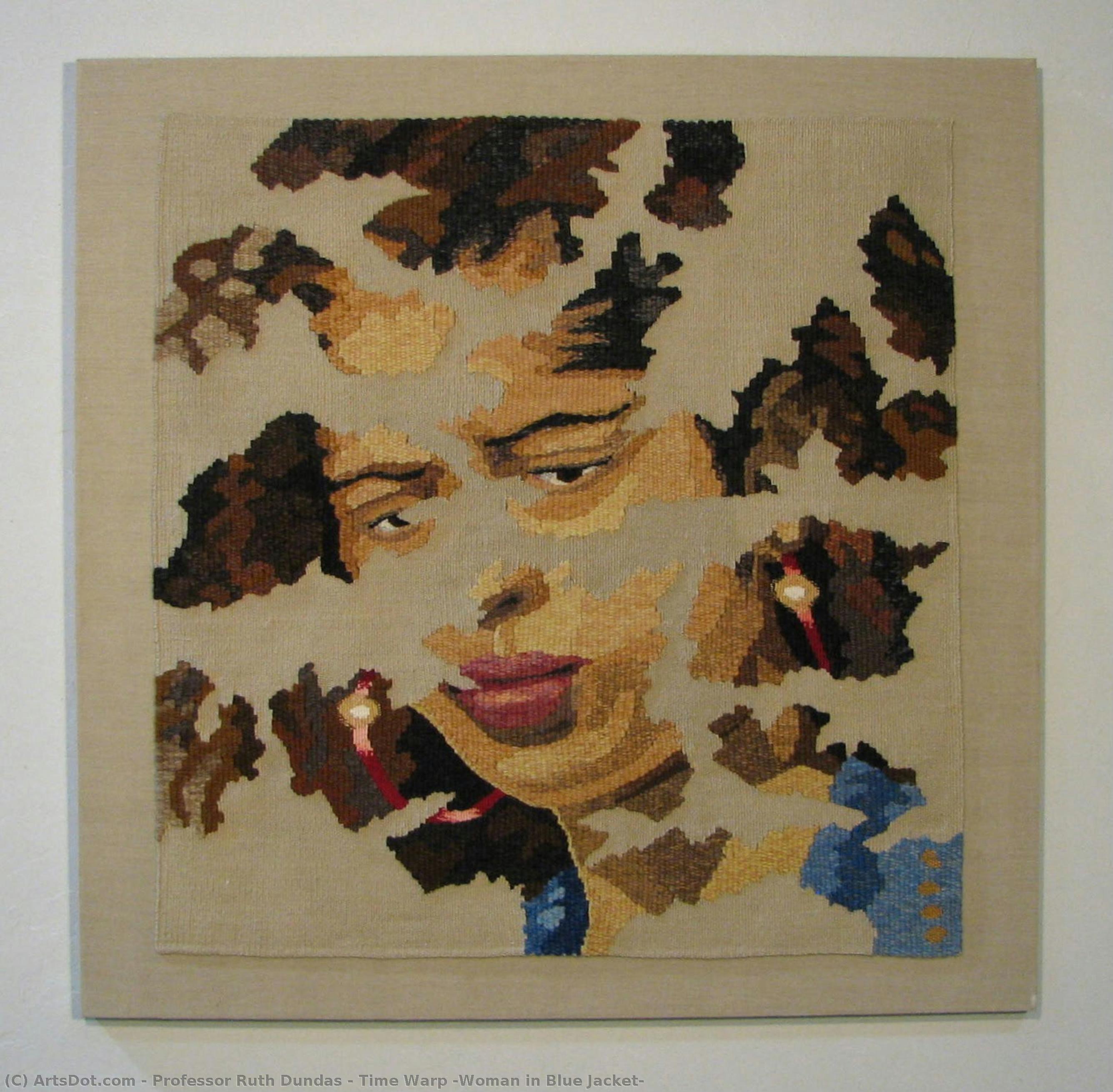
Time Warp (Woman in Blue Jacket)


 詳細を見る
詳細を見る
オンラインプレビューをはるかに凌ぐ、高解像度で鮮明なデジタル画像をご購入いただけます。
各ファイルは、社内の専門家が高度なツールと熟練した手作業によるレタッチを用いて、細心の注意を払って準備されています。すべての画像において、卓越した鮮明度、正確な色彩再現性、そして繊細なディテールを保証いたします。
最終ファイルは、プロフェッショナルな編集・印刷環境ですぐにご利用いただけるよう最適化された状態で、72時間以内にメールにてお届けいたします。これは、一流のデザインスタジオ、出版社、ギャラリーから信頼されているものと同等の品質です。
デジタル画像のご注文に付随する特典
高品質なデジタル画像配信を、確かな品質で。
ArtsDot.com を選ぶことは、単に画像を手に入れることではありません。それは、プロの手によって精密に仕上げられ、満足保証が付いた高品質なデジタルアートワークを受け取ることを意味します。ご注文いただいた際に自動的に付随する内容は、以下の通りです:

メールですぐにお届け
ご注文から72時間以内に、高解像度のデジタル画像ファイルがメールでお手元に届きます。すぐにそのままご利用いただけます。

AI技術で最適化されたデジタルファイル
お客様の作品は、高度なAIツールと専門家による手作業の編集を組み合わせてプロフェッショナルに最適化されており、細部のディテール、鮮明さ、そして正確な色再現性を最大限に引き出しています。

一生涯無料の再送サービス
ファイルを誤って削除したり、紛失してしまったりしましたか?ご安心ください。いつでも無料で再送いたします。

輸入手数料は一切かかりません
関税や手数料、配送料を気にすることなく、お気に入りのアートワークをすぐにお楽しみいただけます。デジタルダウンロードは常に免税です。

色彩再現の保証
プロ仕様のツールとカラーマネジメント技術を用いることで、デジタル画像が元の色を最大限に忠実に再現することを保証いたします。

100日間満足保証
ご購入いただいたデジタル画像にご満足いただけない場合は、100日以内であれば、理由を問わず修正または100%の返金対応をさせていただきます。

100% 返金保証
ご満足いただけない場合は、デジタルファイルを受け取ってから100日以内であれば、理由を問わず全額返金いたします。

まとめ買い割引
3枚購入で10%OFF - 5枚購入で15%OFF - 10枚以上購入で20%OFF。クリエイティブなプロジェクト、ギャラリー、エージェンシーに最適です。
関連作品



作家の略歴
The Crucible of Change: Shaping Art in the Tumultuous 1960s
The decade of the 1960s wasn’t merely a period; it was an eruption – a seismic shift in societal norms, political landscapes, and, crucially, artistic expression. Emerging from the shadows of post-war austerity and the lingering anxieties of the Cold War, artists responded with a radical reimagining of what art could be, challenging established conventions and embracing new materials, techniques, and conceptual approaches. This wasn’t simply about creating beautiful objects; it was about provoking thought, questioning authority, and reflecting the turbulent realities of a world grappling with civil rights, social unrest, and burgeoning technological advancements. The seeds of this transformation were sown in the preceding decades, particularly through the legacy of Abstract Expressionism, but by the mid-60s, a new generation sought to move beyond the intensely personal narratives of its predecessors, turning their gaze outward toward the world around them.- The Dissolution of Form: Artists began dismantling traditional notions of artistic skill and craftsmanship. The emphasis shifted from virtuoso technique to conceptual ideas – what an artwork *meant* became more important than how it was executed.
- Pop Art’s Provocative Embrace: Spearheaded by figures like Andy Warhol, Pop Art deliberately blurred the boundaries between “high” art and “low” culture. Utilizing imagery from advertising, comic books, and mass-produced objects, artists interrogated consumerism and the pervasive influence of popular media. Warhol's iconic silkscreen portraits of Marilyn Monroe and Campbell’s soup cans weren’t simply reproductions; they were statements about celebrity, commerce, and the homogenization of American society.
- Minimalism’s Stark Revelation: Simultaneously, Minimalism emerged as a reaction against the emotional excess of Abstract Expressionism. Artists like Donald Judd and Sol LeWitt stripped art down to its bare essentials – geometric forms, industrial materials, and a deliberate rejection of personal expression. Their works weren't meant to evoke feelings but to present a purely rational, objective experience.
- Conceptual Art’s Intellectual Challenge: Closely linked to Minimalism was Conceptual Art, which prioritized the idea behind the artwork over its physical manifestation. Artists like Joseph Kosuth explored language, perception, and the very definition of art itself, often creating works that existed primarily as instructions or documentation.
The Seeds of Rebellion: Influences and Context
To understand the radicalism of 1960s art, it’s crucial to recognize the confluence of factors shaping the era. The Civil Rights Movement, with its demands for equality and justice, profoundly impacted artistic sensibilities, prompting artists to address issues of race, social inequality, and political activism. Simultaneously, the Vietnam War fueled widespread anti-war sentiment, inspiring artists to critique government policies and challenge the status quo. The rise of youth culture – characterized by experimentation with fashion, music, and lifestyles – provided a fertile ground for artistic innovation.- Dadaism’s Legacy: The Dada movement of the early 20th century, with its rejection of logic and embrace of absurdity, served as an important precursor to many 1960s movements.
- The Rise of Mass Media: The proliferation of television, magazines, and advertising exposed artists to a vast array of imagery and influenced their aesthetic choices.
- Existentialism’s Philosophical Impact: Existentialist philosophy, with its emphasis on individual freedom, responsibility, and the search for meaning in an absurd world, resonated deeply with many artists.
- The Influence of Happenings & Performance Art: The emergence of Happenings – spontaneous, often collaborative events that blurred the boundaries between art and life – challenged traditional notions of artistic presentation and paved the way for performance art.
Key Figures and Their Distinct Voices
While Pop Art and Minimalism dominated headlines, a diverse range of artists contributed to the vibrant tapestry of 1960s art. Each artist brought their unique perspective and approach to bear on the challenges and opportunities of the era. Andy Warhol: Perhaps the most recognizable figure of the decade, Warhol’s silkscreen prints transformed celebrity culture into a commodity, questioning notions of originality and authenticity. His work remains instantly recognizable and continues to spark debate about art's role in society. Roy Lichtenstein: Lichtenstein’s appropriation of comic book imagery elevated commercial illustration to the level of fine art, critiquing consumerism and challenging traditional artistic hierarchies. Sol LeWitt: LeWitt’s minimalist sculptures – often created using simple geometric forms and industrial materials – explored the relationship between idea and execution, emphasizing the importance of conceptual rigor. Joseph Kosuth: Kosuth's Conceptual works, such as *One and Three Chairs*, questioned the nature of art itself, prompting viewers to consider the relationship between language, objects, and perception.A Lasting Legacy: Shaping Contemporary Art
The innovations of the 1960s profoundly shaped the course of contemporary art. The emphasis on conceptual ideas, the use of unconventional materials, and the blurring of boundaries between art and life established a new paradigm for artistic practice. Many of the movements that emerged during this decade – Minimalism, Conceptualism, Performance Art – continue to influence artists today. Furthermore, the 1960s demonstrated the power of art as a vehicle for social commentary and political activism, establishing a precedent for artists to engage with pressing issues and challenge established norms. The era’s spirit of experimentation and its willingness to question fundamental assumptions about art's purpose continue to resonate within the global art world, reminding us that art is not merely an aesthetic pursuit but a powerful force for change.
professor ruth dundas
1960 -