

 シェアする
シェアする シェアする
シェアする
 詳細を見る
詳細を見る

 ダウンロード
 似ている作品
 スライドショー
 統計情報
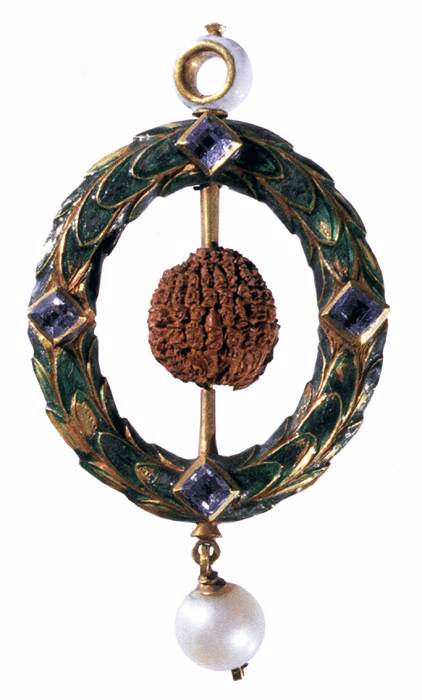
統計情報Carved Cherry Stone Pendant
 Sculpture Bronze
- Renaissance
 1510
1510 4.0 x 2.0 cm
 Museo degli Argenti
 詳細を見る
詳細を見る
オンラインプレビューをはるかに凌ぐ、高解像度で鮮明なデジタル画像をご購入いただけます。
各ファイルは、社内の専門家が高度なツールと熟練した手作業によるレタッチを用いて、細心の注意を払って準備されています。すべての画像において、卓越した鮮明度、正確な色彩再現性、そして繊細なディテールを保証いたします。
最終ファイルは、プロフェッショナルな編集・印刷環境ですぐにご利用いただけるよう最適化された状態で、72時間以内にメールにてお届けいたします。これは、一流のデザインスタジオ、出版社、ギャラリーから信頼されているものと同等の品質です。
デジタルアート
個人での鑑賞、印刷、クリエイティブなプロジェクト用に、高解像度ファイルをダウンロードできます。 ( プリント版に切り替え 手描きの絵画を購入)
デジタル画像のご注文に付随する特典
高品質なデジタル画像配信を、確かな品質で。
ArtsDot.com を選ぶことは、単に画像を手に入れることではありません。それは、プロの手によって精密に仕上げられ、満足保証が付いた高品質なデジタルアートワークを受け取ることを意味します。ご注文いただいた際に自動的に付随する内容は、以下の通りです:

メールですぐにお届け
ご注文から72時間以内に、高解像度のデジタル画像ファイルがメールでお手元に届きます。すぐにそのままご利用いただけます。

AI技術で最適化されたデジタルファイル
お客様の作品は、高度なAIツールと専門家による手作業の編集を組み合わせてプロフェッショナルに最適化されており、細部のディテール、鮮明さ、そして正確な色再現性を最大限に引き出しています。

一生涯無料の再送サービス
ファイルを誤って削除したり、紛失してしまったりしましたか?ご安心ください。いつでも無料で再送いたします。

輸入手数料は一切かかりません
関税や手数料、配送料を気にすることなく、お気に入りのアートワークをすぐにお楽しみいただけます。デジタルダウンロードは常に免税です。

色彩再現の保証
プロ仕様のツールとカラーマネジメント技術を用いることで、デジタル画像が元の色を最大限に忠実に再現することを保証いたします。

100日間満足保証
ご購入いただいたデジタル画像にご満足いただけない場合は、100日以内であれば、理由を問わず修正または100%の返金対応をさせていただきます。

100% 返金保証
ご満足いただけない場合は、デジタルファイルを受け取ってから100日以内であれば、理由を問わず全額返金いたします。

まとめ買い割引
3枚購入で10%OFF - 5枚購入で15%OFF - 10枚以上購入で20%OFF。クリエイティブなプロジェクト、ギャラリー、エージェンシーに最適です。
Carved Cherry Stone Pendant: A Renaissance Echo of Virtue and Temptation
Properzia de’ Rossi’s “Carved Cherry Stone Pendant,” created around 1510, stands as an extraordinary testament to artistic innovation within the confines of a patriarchal era. More than just a decorative object—a meticulously crafted amulet—it embodies profound symbolic resonance rooted in humanist ideals and skillfully executed craftsmanship.
- Subject Matter: The pendant depicts Joseph fleeing from Potiphar’s wife, capturing a pivotal moment from Genesis where biblical morality confronts sensual desire. This narrative choice speaks to the broader Renaissance preoccupation with virtue versus temptation—a theme prevalent in both religious and artistic circles of the time.
- Style & Influence: De’ Rossi's work aligns powerfully with Art Nouveau sensibilities, characterized by flowing lines and organic forms that evoke movement and elegance. Her style draws inspiration from masters like Michelangelo and Raphael, demonstrating a sophisticated understanding of classical proportions and expressive gesture—a hallmark of the “maniera moderna.”
- Technique: The pendant’s creation involved a masterful blend of metal casting and engraving, complemented by delicate enameling. Skilled artisans painstakingly carved the cherry stone itself, achieving remarkable textural detail while incorporating gold, silver, gemstones (primarily blue and purple), and a pearl—materials indicative of aristocratic patronage and reflecting the prestige associated with Renaissance art.
- Historical Context: Produced during the High Renaissance in Bologna – a city renowned for its artistic fervor – the pendant reflects the broader cultural landscape where artists sought to elevate moral instruction alongside aesthetic beauty. The commission by Goro Geri underscores the importance of patronage in fostering artistic excellence and disseminating humanist values.
- Symbolism: Beyond its narrative depiction, the pendant’s circular form symbolizes wholeness and eternity—a concept central to Renaissance cosmology. The juxtaposition of the cherry stone (representing potential and fertility) with the pearl (symbolizing purity and wisdom) reinforces this symbolic framework, inviting contemplation on themes of spiritual aspiration and moral fortitude.
The Museo degli Argenti in Palazzo Pitti houses a remarkable replica of this masterpiece. Its enduring appeal lies not only in its exquisite artistry but also in its ability to transport viewers back to the intellectual and artistic dynamism of 16th-century Italy—a period defined by groundbreaking achievements in sculpture, painting, and architecture.
Detailed Examination: Craftsmanship and Material Considerations
The pendant’s surface is adorned with square blue gemstones and smaller purple accents – a deliberate choice designed to heighten visual impact and convey prestige. The meticulous engraving process reveals an astonishing level of precision, demonstrating the artist's mastery of technique and highlighting the importance of craftsmanship in achieving artistic excellence.
Further Research & Artistic Legacy
Contemporary accounts describe Properzia de’ Rossi as a defiant spirit who challenged societal expectations for women artists. Her inclusion in Giorgio Vasari’s Lives of the Artists cemented her place in art history—a testament to her unwavering ambition and enduring contribution to Renaissance sculpture.
Resources & Inspiration
Explore Further: Carved Cherry Stone Pendant - Properzia De' Rossi Gallery - Art, Properzia de’ Rossi, Carved Cherry Stone Pendant by ROSSI, Properzia de’
関連作品
作家の略歴
A Defiant Spirit in Stone: The Life and Legacy of Properzia de’ Rossi
Properzia de' Rossi emerged from the vibrant artistic landscape of Renaissance Bologna as a singular, almost defiant figure. Born around 1490 into a family unconnected to the world of art—her father was a notary—she carved for herself an unprecedented path as a sculptor in a society that largely confined women to domestic roles. Her story is one of remarkable talent, unwavering ambition, and the persistent challenges faced by female artists striving for recognition in a male-dominated era. Unlike many of her contemporaries who benefited from familial artistic training, Properzia’s early education was remarkably broad, encompassing painting, music, dance, poetry, and classical literature—a testament to the humanist ideals flourishing during the Renaissance. This diverse foundation undoubtedly shaped her artistic sensibility, fostering a keen eye for detail and a deep appreciation for form and narrative. A pivotal moment in her development came with her studies under Marcantonio Raimondi, a master engraver renowned for his reproductions of Raphael’s works; this mentorship provided her with crucial technical skills and exposed her to the prevailing aesthetic currents of the time.From Miniature Marvels to Monumental Ambition
Properzia initially gained renown not through grand marble sculptures, but through astonishingly intricate carvings on fruit stones—apricots, peaches, and cherries. These miniature artworks, often depicting religious scenes like a poignant depiction of the Crucifixion within a peach pit, showcased an extraordinary level of skill and patience. While some accounts, notably those by Giorgio Vasari, may have embellished the extent of this early work to emphasize her ingenuity, there’s no denying the exceptional talent demonstrated in transforming such delicate materials into compelling artistic statements. These miniature carvings weren't merely exercises in technical prowess; they reflected a deep understanding of devotional art and a commitment to religious themes prevalent during the Renaissance. This early success served as a springboard for Properzia’s ambition, propelling her towards larger-scale projects in marble. By the 1520s, she was actively pursuing commissions that would establish her reputation as a serious sculptor, participating in competitions and securing prestigious assignments.A Master of *Maniera Moderna* and the San Petronio Commission
The 1520s marked a turning point in Properzia’s career, with larger-scale marble sculptures becoming her primary focus. She competed for the honor of decorating the high altar of the Sanctuary of the Madonna del Baraccano in Bologna, a significant step that demonstrated her growing confidence and artistic ambition. Her talent soon garnered acclaim, leading to portrait busts that solidified her reputation as a skilled sculptor. However, it was her commission to create sculptures for the west facade of San Petronio—Bologna’s magnificent basilica—that truly cemented her place in art history. This prestigious project included three sibyls, two angels, and, most notably, a pair of bas-relief panels depicting scenes from the Old Testament. Joseph and Potiphar's Wife, now housed in the Museum of San Petronio, is widely considered her masterpiece. The panel showcases Properzia’s mastery of anatomy, classical drapery, and dramatic narrative—Joseph’s desperate attempt to flee the advances of Potiphar’s wife is rendered with compelling intensity and emotional depth. Her style during this period reflected the *maniera moderna* prevalent in Italian Renaissance art, drawing inspiration from artists like Giulio Romano, Michelangelo, Alfonso Lombardi, Correggio, and Parmigianino; she synthesized these influences into a uniquely personal artistic voice.Turbulence, Recognition, and an Enduring Legacy
Properzia’s life was not without its shadows. Records reveal accusations of vandalism and assault, suggesting a turbulent personal life that may have fueled the dramatic intensity evident in her art. Giorgio Vasari's biography, while providing valuable insights, also reflects the societal biases of his time—portraying her as tormented by unrequited love and attributing her artistic struggles to emotional instability. Despite achieving significant commissions, Properzia died relatively young, around 39 or 40 years old, impoverished and without close relatives or friends. Vasari’s account, though colored by prevailing attitudes towards women artists, underscores the challenges she faced in navigating a male-dominated profession. Nevertheless, Properzia de' Rossi remains an important figure in art history as one of the few female sculptors recognized during the Renaissance. Her story highlights the obstacles encountered by women seeking artistic careers and serves as a powerful testament to her exceptional talent and unwavering determination—a defiant spirit who carved her own place in the annals of art.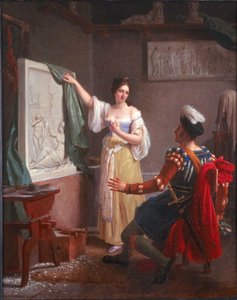
Properzia de' Rossi
1490 - 1530 , Italy
プロフィール概要
- Artistic Movement Or Style: Maniera moderna
- Artists Who Influenced This Artist:
- Giulio Romano
- Michelangelo
- Alfonso Lombardi
- Correggio
- Parmigianino
- Date Of Birth: c. 1490
- Date Of Death: 1530
- Full Name: Properzia de' Rossi
- Nationality: Italian
- Notable Artworks:
- Joseph and Potiphar's Wife
- Grassi Family Crest
- Carved Cherry Stone Pendant
- Place Of Birth: Bologna, Italy