

 プレビュー
プレビュー
 プリントを購入
 シェアする
シェアする シェアする
シェアする
 詳細を見る
詳細を見る

 ダウンロード
 似ている作品
 X線調査
X線調査 スライドショー
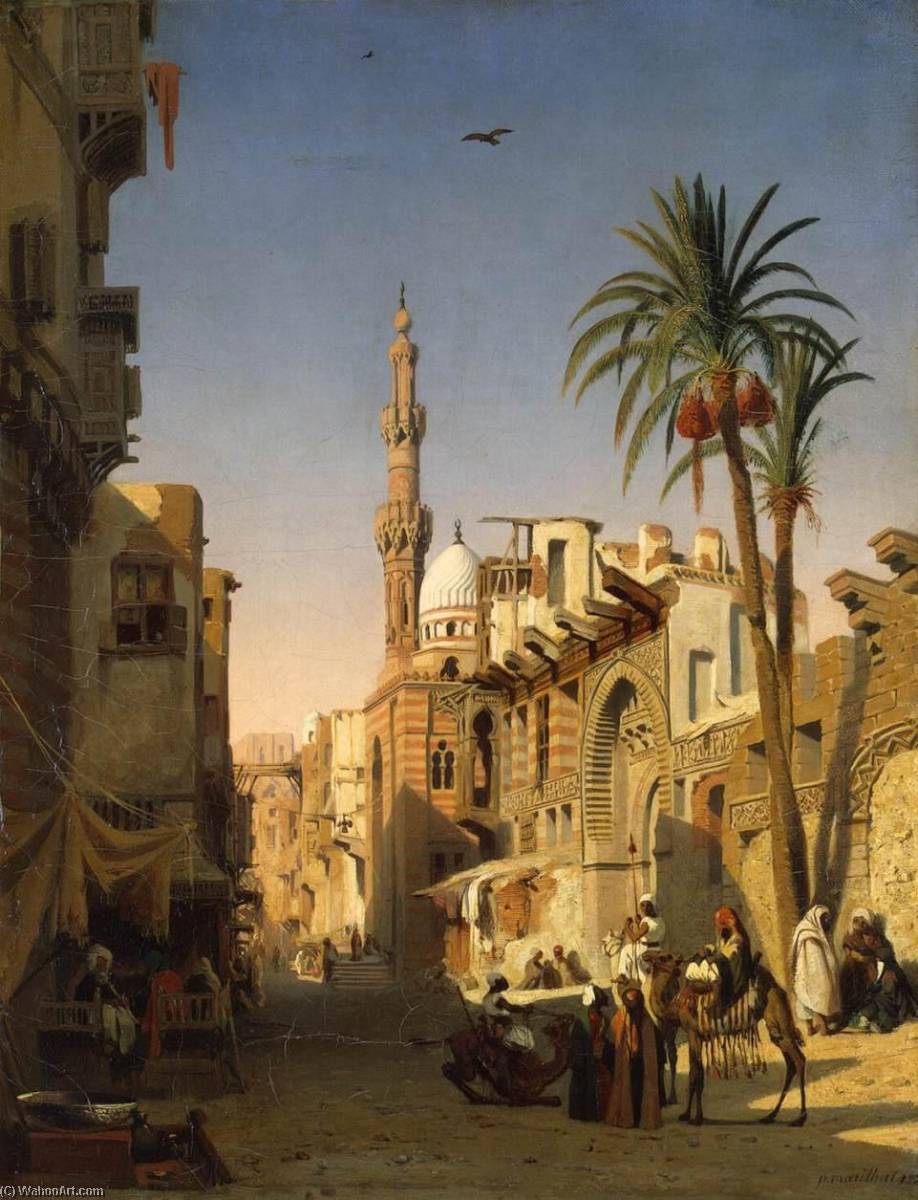
Ezbekiyah Street in Cairo
 1833
1833 54.0 x 42.0 cm
 詳細を見る
詳細を見る
オンラインプレビューをはるかに凌ぐ、高解像度で鮮明なデジタル画像をご購入いただけます。
各ファイルは、社内の専門家が高度なツールと熟練した手作業によるレタッチを用いて、細心の注意を払って準備されています。すべての画像において、卓越した鮮明度、正確な色彩再現性、そして繊細なディテールを保証いたします。
最終ファイルは、プロフェッショナルな編集・印刷環境ですぐにご利用いただけるよう最適化された状態で、72時間以内にメールにてお届けいたします。これは、一流のデザインスタジオ、出版社、ギャラリーから信頼されているものと同等の品質です。
デジタル画像のご注文に付随する特典
高品質なデジタル画像配信を、確かな品質で。
ArtsDot.com を選ぶことは、単に画像を手に入れることではありません。それは、プロの手によって精密に仕上げられ、満足保証が付いた高品質なデジタルアートワークを受け取ることを意味します。ご注文いただいた際に自動的に付随する内容は、以下の通りです:

メールですぐにお届け
ご注文から72時間以内に、高解像度のデジタル画像ファイルがメールでお手元に届きます。すぐにそのままご利用いただけます。

AI技術で最適化されたデジタルファイル
お客様の作品は、高度なAIツールと専門家による手作業の編集を組み合わせてプロフェッショナルに最適化されており、細部のディテール、鮮明さ、そして正確な色再現性を最大限に引き出しています。

一生涯無料の再送サービス
ファイルを誤って削除したり、紛失してしまったりしましたか?ご安心ください。いつでも無料で再送いたします。

輸入手数料は一切かかりません
関税や手数料、配送料を気にすることなく、お気に入りのアートワークをすぐにお楽しみいただけます。デジタルダウンロードは常に免税です。

色彩再現の保証
プロ仕様のツールとカラーマネジメント技術を用いることで、デジタル画像が元の色を最大限に忠実に再現することを保証いたします。

60日間満足保証
ご購入いただいたデジタル画像にご満足いただけない場合は、60日以内であれば、修正または100%の返金(理由を問う必要はありません)をさせていただきます。

100% 返金保証
ご満足いただけない場合は、デジタルファイルを受け取ってから60日以内であれば、理由を問わず全額返金いたします。

まとめ買い割引
3枚購入で10%OFF - 5枚購入で15%OFF - 10枚以上購入で20%OFF。クリエイティブなプロジェクト、ギャラリー、エージェンシーに最適です。
関連作品










作家の略歴
Antoine-George-Prosper Marilhat: A Painter of the Orient’s Echoes
Prosper Marilhat (1811-1847), a name perhaps less familiar than many of his contemporaries, remains a captivating figure in 19th-century French art. He was an Orientalist painter, deeply immersed in the burgeoning fascination with the Middle East that swept across Europe during this era. His legacy isn’t one of grand, monumental works, but rather a collection of intensely evocative scenes—ruined mosques bathed in golden light, bustling marketplaces teeming with life, and solitary figures contemplating the vastness of desert landscapes—that capture the spirit and romance of Egypt and Syria. Marilhat's art is not merely a record of places; it’s an emotional response to them, imbued with a sense of longing, mystery, and a profound appreciation for the beauty of the unfamiliar.Early Life and Artistic Beginnings
Born in Vertaizon, a small village in the Puy-de-Dôme region of France, Marilhat’s artistic journey began not with grand ambitions but with humble roots. His parents, involved in the cutlery business of Thiers, envisioned a practical future for their son—a life far removed from the world of paint and canvas. However, the Baron de Barante, a prominent figure who recognized Marilhat's innate talent and passion, intervened, advocating for his artistic pursuits. This pivotal moment propelled young Prosper to Paris in 1829, where he enrolled under the tutelage of Camille Roqueplan, a respected academic painter. His debut at the Paris Salon in 1831 with *Site d’Auvergne* marked the beginning of his career, showcasing an early talent for capturing the rugged beauty of the French countryside. This initial success, however, was merely a prelude to the transformative experiences that awaited him in Egypt.The Egyptian Years: Sketches as Foundations
In May 1831, Marilhat’s life took an extraordinary turn when he joined Charles von Hügel on an expedition to Egypt. While the journey itself was brief, it proved to be a watershed moment. He accompanied Hügel only as far as Alexandria, but during the subsequent months—from October 1831 to May 1833—he embarked on a prolific sketching campaign, producing ten albums filled with detailed drawings that would later serve as the basis for his most celebrated paintings. These sketches weren’t simply preparatory studies; they were deeply felt impressions of the landscape, architecture, and people he encountered. The meticulous detail evident in these works reveals Marilhat's keen observational skills and his ability to translate fleeting moments into enduring images. Crucially, it was during this period that he developed a distinctive style—a blend of realism and romanticism, characterized by dramatic lighting, vibrant colors, and an emphasis on atmosphere.A Palette of Ruin and Romance: Major Works and Influences
Marilhat’s artistic output after 1838 is marked by a shift towards larger-scale paintings, often inspired by his Egyptian experiences. *Ruines de la mosquée El-Hakem au Caire* (1840), for example, became renowned for its ability to capture both the monumental scale of the ruined structure and the evocative atmosphere of decay—a testament to the passage of time and the grandeur of a lost civilization. Theophile Gautier, a prominent literary figure of the era, famously described *Place de l’Esbekieh au Caire* as inducing “sickness at heart,” expressing a yearning for the Orient he had not yet explored. This reaction speaks volumes about Marilhat's ability to transport viewers to distant lands and evoke powerful emotions through his art. His work also demonstrates an influence from earlier Romantic painters, particularly in its emphasis on dramatic landscapes and the sublime—a fascination with nature’s power and beauty. Furthermore, he was influenced by the works of Eugène Delacroix, evident in his use of color and dynamic compositions.Legacy and Lasting Impact
Prosper Marilhat's life was tragically cut short at the age of 36 due to illness—likely syphilis—and he spent his final years in a Parisian asylum. Despite his untimely death, his artistic legacy endures. His paintings, particularly those depicting Egyptian scenes, continue to captivate viewers with their evocative beauty and atmospheric depth. Works like *Arabes syriens en voyage* (1844), now housed at the Musée Condé in Chantilly, remain prized examples of Orientalist art. Marilhat’s contribution lies not just in his individual paintings but also in his role as a pioneer—one of the first French artists to fully embrace and authentically portray the exotic allure of the Middle East, shaping perceptions and fueling the European fascination with this ancient and mysterious region. His meticulous sketches and evocative paintings offer a valuable window into a bygone era, reminding us of the power of art to transcend time and place.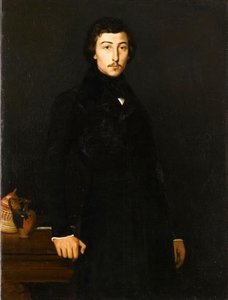
prosper georges antoine marilhat
1811 - 1847 , France
プロフィール概要
- Artistic Movement Or Style: Orientalist Painter
- Artists Or Movements Influenced By This Artist: ['Theophile Gautier']
- Artists Who Influenced This Artist: ['Camille Roqueplan']
- Date Of Birth: March 26, 1811
- Date Of Death: September 13, 1847
- Full Name: Prosper Georges Antoine Marilhat
- Nationality: French
- Notable Artworks:
- Site d'Auvergne
- La place de l’Esbekieh
- Ruines mosquée El-Hakem
- Place Of Birth: Vertaizon, France

