 プレビュー
プレビュー
 シェアする
シェアする シェアする
シェアする
 詳細を見る
詳細を見る

 ダウンロード
 似ている作品
 X線調査
X線調査 スライドショー
 Stats
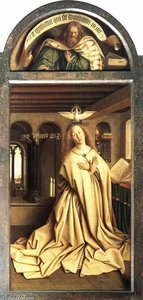
Statsエメレンシー、聖母マリアの反面グライサル:聖 クローデ」


 詳細を見る
詳細を見る
ジークレー/アートプリント
迅速な制作と多彩な仕上げオプションを備えた、ミュージアムクオリティのジークレーまたはキャンバスプリント。 ( 手描きの絵画を購入 Switch to Digital Image)




P118B $10

P118H $10

P118W $10

P438Z $10

P508JH $12

P508YH $12

P805H $10

P805Z $10

P919BZ $10

P919G $10

P919XJ $10

P959ZH $10

P968JZ $12

W106C $8

W218G $10

W218JH $8

W218Y $10

W307PJ $10

W316G $10

W316PJ $8

W316Y $10

W398PJ $8

W4111J $10

W500HY $15

W500JH $15

W692G $12

W849H $8

W940BG $15

W953PJ $8




作品のオリジナル比率に合わせた、当店の規定サイズからお選びください。

特定のフレームやスペースに合わせて、ご自身でサイズを指定することも可能です。選択されたサイズが元の画像の比率と一致しない場合、作品をトリミングするか、鏡面反射または単色での塗りつぶしによって画像を拡張いたします。制作を開始する前に、ご確認用のデジタルモックアップをお送りいたします。
画面上のプレビューには、実際のトリミングや拡張は反映されませんのでご注意ください。最終的な構図を正確に確認できるのは、モックアップのみとなります。
カスタムサイズも承っておりますが、元の比率を維持するためには、あらかじめ用意されたリストからサイズを選択することをお勧めいたします。


 ガラスオプションは、110cm未満のサイズでのみご利用いただけます。

エメレンシー、聖母マリアの反面グライサル:聖 クローデ」
ジークレー/アートプリント
複製画のサイズ
-


合計金額
$ 62
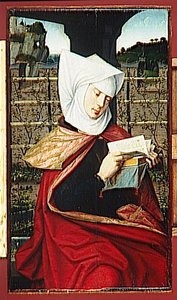
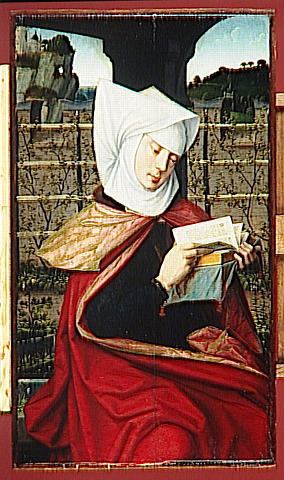
聖アンナと聖クララの反面画技:ジャン・プロボーストの傑作
ジャン・プロボーストは、15世紀後半に活躍したフランドルの画家であり、芸術家としての卓越性と地図作成、工学技術への貢献を両立させた異才として知られています。彼は芸術的な視点と人間主義的な思想に触れ、その後のキャリアを形作る上で重要な役割を果たしました。プロボーストは、ハンス・メルンリングやアルブレヒト・デューラーといったフランドルの画家たちの影響を受けながら、油絵技法を習得し、イタリアのルネサンス美術家たちの伝統と革新的な思想を吸収しました。この初期の経験は、彼の作品に細部へのこだわりと透視法の理解を深めました。- 画家としての生涯 プロボーストは、ヴァレンシアでゲラルト・ダビッドのもとで油絵の技術を学びました。彼はハンス・メルンリングやアルブレヒト・デューラーといったフランドルの画家たちの影響を受けながら、イタリアのルネサンス美術家たちの伝統と革新的な思想を吸収しました。この初期の経験は、彼の作品に細部へのこだわりと透視法の理解を深めました。彼はブリュージュとアントワープで工房を設立し、都市の繁栄した商業活動と芸術的保護を活かしました。ブリュージュはギルドシステムと貴族顧客を持つことで知られ、聖アンナのような宗教画を描くための環境を提供しました。アントワープは新しいアイデアや技術に挑戦する熱心な職人たちを引きつけました。
- 美術運動またはスタイル プロボーストの作品は、フランドルのプリミティブと呼ばれる美術運動に属しています。この運動は、イタリアのルネサンス美術家たちと並び立つものであり、その特徴は細部へのこだわりと透視法の理解です。彼は特に聖アンナや聖クララの主題を扱い、宗教的なイメージを鮮やかに表現しました。彼の作品は、当時の芸術家の間で大きな影響を与え、多くの画家たちにインスピレーションを与えました。
- 技法:グリサユール画技法 プロボーストの代表作である「聖アンナと聖クララの反面画技」は、グリサユール画技法を用いて制作されています。この技法は、単色で絵を描くものであり、聖アンナの母像を繊細に表現しています。彼は聖アンナを中心に構図を構成し、背景には広大な風景が描かれています。グリサユール画技法は、聖アンナの母像を鮮やかに表現する上で重要な役割を果たしました。この技法は、当時の芸術家の間で大きな影響を与え、多くの画家たちにインスピレーションを与えました。
- 象徴的な要素 作品には、聖アンナが持つ書籍やベールなどの象徴的な要素が含まれています。これらの要素は、知識と神の啓示を象徴しており、聖アンナの母像をより深く理解するための手がかりとなります。また、背景にある風景は、神による創造を暗示しており、聖アンナの母像に豊かな意味を与えています。グリサユール画技法は、聖アンナの母像を鮮やかに表現する上で重要な役割を果たしました。この技法は、当時の芸術家の間で大きな影響を与え、多くの画家たちにインスピレーションを与えました。
- 作品の感動と雰囲気 「聖アンナと聖クララの反面画技」は、静謐で厳格な雰囲気を醸し出しています。グリサユール画技法は、聖アンナの母像を鮮やかに表現する上で重要な役割を果たしました。この技法は、当時の芸術家の間で大きな影響を与え、多くの画家たちにインスピレーションを与えました。作品全体を通して、見る人に深い感動と瞑想的な心を呼び起こす力があります。
関連作品
アーティストの略歴
Jan Provoost: A Flemish Pioneer Bridging Art and Science
Jan Provoost (c. 1465 – January 1529) stands as a remarkable figure in the artistic landscape of the Early Netherlandish Renaissance, embodying not only masterful painting but also significant contributions to cartography, engineering, and architecture—a testament to his intellectual curiosity and multifaceted talents. Born in Mons, Belgium, Provoost’s formative years were marked by exposure to humanist ideals and burgeoning scientific inquiry, shaping his artistic vision and fostering a collaborative spirit that would define his career.- Early Life & Artistic Training: Provoost's initial training took place under the tutelage of Gerard David in Valenciennes, where he honed his skills in oil painting—a technique championed by artists like Hans Memling and Albrecht Dürer—absorbing influences from both Flemish Primitives and Italian Renaissance masters. This early exposure instilled a meticulous attention to detail and a profound understanding of perspective, elements that would permeate his subsequent works.
- Bruges & Antwerp: Two Centers of Innovation Provoost established workshops simultaneously in Bruges and Antwerp, capitalizing on the city’s thriving commercial activity and artistic patronage. Bruges, renowned for its guild system and aristocratic clientele, provided fertile ground for devotional paintings—particularly altarpieces—while Antwerp attracted ambitious craftsmen eager to engage with new ideas and technologies.
Religious Painting & Artistic Style
Provoost’s artistic style is characterized by a harmonious blend of realism and idealism, reflecting the humanist preoccupation with human anatomy and naturalism alongside spiritual contemplation. His paintings frequently depict biblical narratives with striking clarity and emotional depth, utilizing subtle color palettes and masterful draughtsmanship to convey profound theological themes. Notably, his monumental altarpiece for Sint Jans Hospital in Bruges—a masterpiece completed in 1525—demonstrates Provoost’s exceptional skill in conveying emotion and capturing the grandeur of religious iconography. The influence of Hans Memling is palpable in Provoost's meticulous rendering of drapery folds and facial expressions, highlighting the shared artistic sensibilities of these prominent Flemish artists.Collaboration with Albrecht Dürer & Cartographic Achievements
A pivotal moment in Provoost’s career arrived in 1520 when he encountered Albrecht Dürer during his visit to Antwerp—a meeting that sparked a fruitful artistic partnership. Together, they embarked on ambitious projects aimed at disseminating knowledge and celebrating humanist ideals. Provoost's involvement in Dürer’s engraving commissions underscored the importance of interdisciplinarity within Renaissance culture, demonstrating how artistic creativity could intersect with scientific endeavor. Furthermore, Provoost excelled as a cartographer, producing detailed maps that accurately reflected the geographical realities of his time—a skill invaluable for facilitating trade and exploration.The Lost Crucifixion & Rediscovery
Perhaps Provoost’s most enduring legacy resides in ‘The Crucifixion,’ an anonymous panoramic crucifixion painting discovered in 1971 at Koolkerke village church. This monumental artwork—a testament to Provoost's artistic prowess and innovative compositional techniques—was initially dismissed as a forgery but was subsequently authenticated through scientific analysis, revealing its remarkable provenance and captivating viewers with its emotive depiction of Christ’s suffering. Currently housed at the Groeningemuseum in Bruges, ‘The Crucifixion’ continues to inspire admiration for Provoost’s artistry and serves as a poignant reminder of the enduring power of visual art to convey spiritual truth.Concluding Remarks
Jan Provoost's artistic output represents a cornerstone of Flemish Renaissance art—a synthesis of humanist ideals, scientific observation, and masterful technique. His multifaceted talents extended beyond painting into cartography and engineering, reflecting the broader intellectual currents shaping Europe during his lifetime. Through works like ‘The Crucifixion’ and collaborations with Dürer, Provoost cemented his place as a visionary artist who championed innovation and enriched the cultural heritage of Belgium and beyond.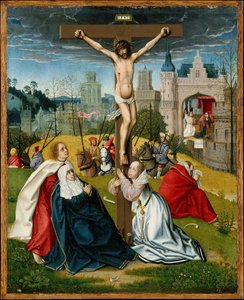
基本情報
- Artistic Movement Or Style: Flemish Primitive
- Artists Or Movements Influenced By This Artist: ['Albrecht Dürer']
- Artists Who Influenced This Artist:
- Gerard David
- Hans Memling
- Date Of Birth: c. 1462/65
- Date Of Death: January 1529
- Full Name: Jan Provost
- Nationality: Flemish
- Notable Artworks:
- Abraham, Sarah
- The Crucifixion
- Place Of Birth: Mons, Belgium
関連記事
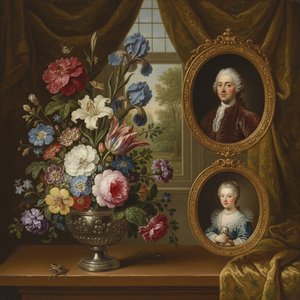
Jan van Kessel the Elder: A Baroque Master of Floral Still Life & Miniature Portraiture
Discover the exquisite detail of Jan van Kessel the Elder's Baroque floral still lifes & captivating miniatures. Explore his artistic legacy, scientific precision, and lasting influence on 17th-century Flemish painting.
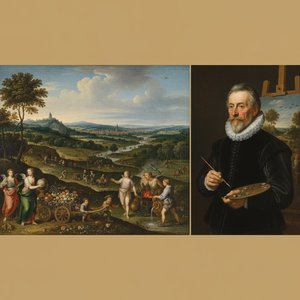
Jan Brueghel the Elder: A Master of Flemish Landscape & Allegory – Exploring Innovation & Influence
Explore the captivating world of Jan Brueghel the Elder, a Flemish Baroque master renowned for his stunning landscapes & allegorical paintings. Discover his collaborations with Rubens and lasting artistic legacy.
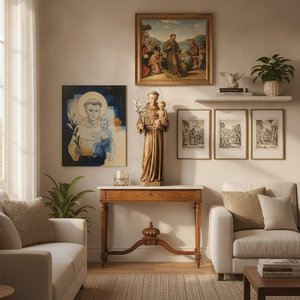
Discover the Divine: Inspiring Saint Anthony Artworks to Elevate Your Home Decor
Transform your home with the profound beauty of Saint Anthony artworks. Explore exquisite Baroque reproductions by Murillo and Zurbarán, hand-painted on 100% cotton canvas to bring divine serenity and timeless elegance to your interior design.
Jan Gossaert (Mabuse): Pioneering Renaissance Style & the Birth of Netherlandish Antiquity
Explore the groundbreaking art of Jan Gossaert (Mabuse), a pioneer of Renaissance painting in the Low Countries. Discover his Romanist style, stunning portraits, and influence on Northern European art history.

Early Netherlandish Masters: 10 Paintings That Revolutionized Art & Decor
Journey into the world of Early Netherlandish painting! Explore 10 masterpieces by Jan van Eyck, Rogier van der Weyden & more. Discover stunning detail, symbolism & Renaissance art for your home decor. Find museum-quality reproductions on ArtsDot.com