

 プレビュー
プレビュー
 シェアする
シェアする シェアする
シェアする
 詳細を見る
詳細を見る

 ダウンロード
 似ている作品
 X線調査
X線調査 スライドショー
 統計情報
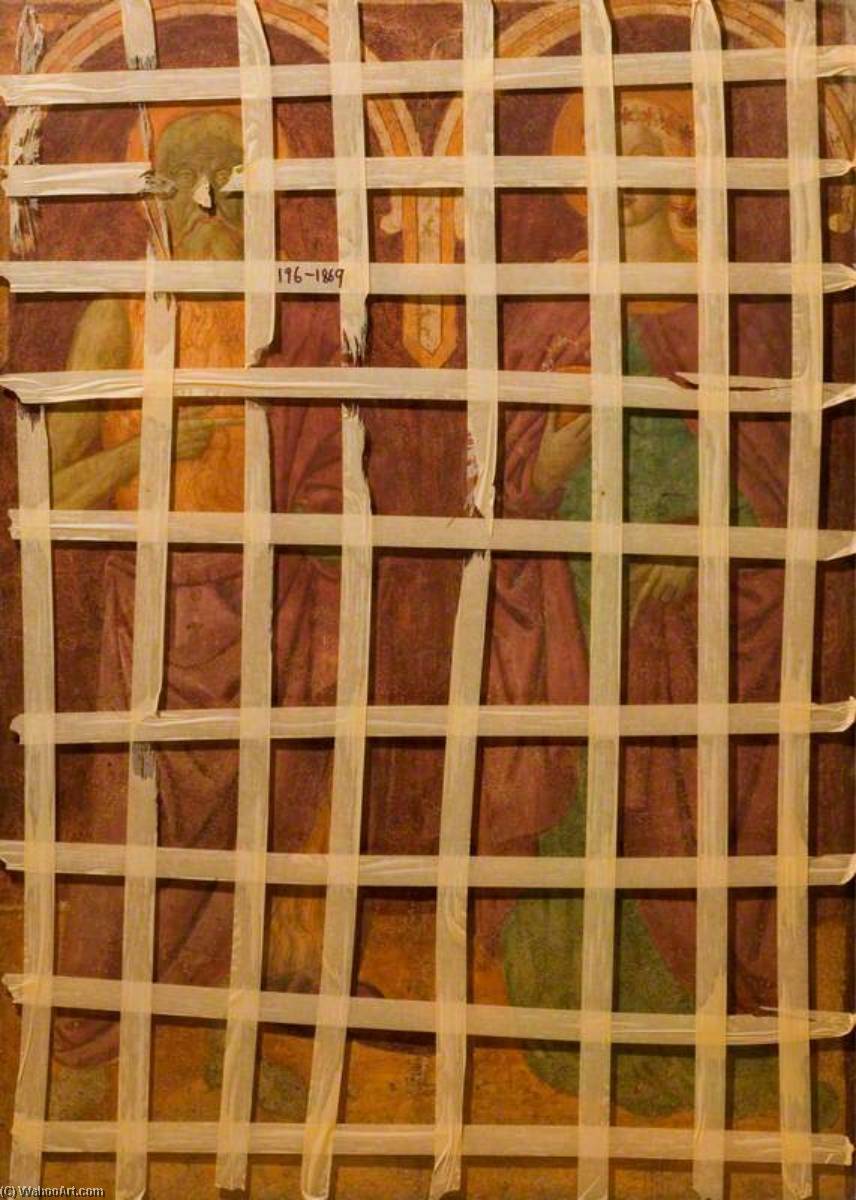
統計情報Saint John the Baptist and Saint Dorothea
 1490
1490 193.0 x 140.0 cm
 詳細を見る
詳細を見る
ジークレー/アートプリント
迅速な制作と多彩な仕上げオプションを備えた、ミュージアムクオリティのジークレーまたはキャンバスプリント。 ( 手描きの絵画を購入 デジタル画像販売へ切り替え)




































作品のオリジナル比率に合わせた、当店の規定サイズからお選びください。

特定のフレームやスペースに合わせて、ご自身でサイズを指定することも可能です。選択されたサイズが元の画像の比率と一致しない場合、作品をトリミングするか、鏡面反射または単色での塗りつぶしによって画像を拡張いたします。制作を開始する前に、ご確認用のデジタルモックアップをお送りいたします。
画面上のプレビューには、実際のトリミングや拡張は反映されませんのでご注意ください。最終的な構図を正確に確認できるのは、モックアップのみとなります。
カスタムサイズも承っておりますが、元の比率を維持するためには、あらかじめ用意されたリストからサイズを選択することをお勧めいたします。


 ガラスオプションは、110cm未満のサイズでのみご利用いただけます。

Saint John the Baptist and Saint Dorothea
ジークレー/アートプリント
複製画のサイズ
-


合計金額
$ 62
関連作品






アーティストの略歴
The Enigma of the Florentine Workshop
In the golden age of the Italian Renaissance, where the streets of Florence pulsed with the creative energy of masters like Botticelli and Ghirlandaio, there existed a shadow figure whose identity remains one of art history's most captivating mysteries. Known to scholars as Pseudo Pier Francesco Fiorentino, this name does not represent a single, solitary hand, but rather a sophisticated workshop of artists dedicated to the preservation and adaptation of Florentine beauty. The very moniker was coined by the legendary art historian Bernard Berenson in 1932, a moment when the distinction between the historical Pier Francesco Fiorentino and this anonymous master became clear. While the true identity of the creator remains shrouded in debate—with some historians suggesting the hand of Riccardo di Benedetto—the legacy left behind is one of profound devotional grace.
The origins of this artistic entity are deeply rooted in the mid-to-late fifteenth century, a period when Florence was the epicenter of humanism and meticulous craftsmanship. While biographical details regarding a singular life are scarce, the works themselves reveal a lineage of intense study and reverence for the masters who preceded them. It is believed that this workshop functioned by breathing new life into the compositions of Filippo Lippi and Pesellino. By meticulously adapting and sometimes merging motifs from these celebrated painters, the Pseudo-Pier Francesco workshop created a unique visual language that felt both intimately familiar to the Florentine faithful and strikingly fresh in its execution.
A Symphony of Gold and Devotion
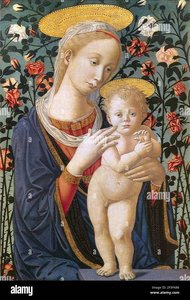
To gaze upon a painting attributed to this master is to enter a world of luminous sanctity. The artistic style is defined by a serene, almost ethereal elegance, specifically tailored for the intimate setting of private devotion. Unlike the grand, sweeping narratives of fresco painters, these works often focus on half-length Madonna and Child compositions, designed to invite the viewer into a quiet, spiritual dialogue. The technique is characterized by a lavish and archaic use of gold leaf, which catches the light to create an otherworldly glow, elevating the sacred figures above the earthly plane.
The workshop’s mastery extends beyond mere imitation; they possessed a remarkable ability to weave complex symbolic elements into their compositions. One might observe:
- Atmospheric Depth: The use of elaborate rose-hedge backgrounds that provide a lush, garden-like setting for the Virgin.
- Chiaroscuro Mastery: A sophisticated command of light and shadow that lends a sculptural, three-dimensional quality to the holy figures.
- Symbolic Detail: The inclusion of poignant elements, such as the goldfinch, which serves as a subtle premonition of the Passion.
- Chromatic Richness: A refined palette dominated by deep blues, verdant greens, and shimmering golds that evoke a sense of timelessness.
Historical Significance and Lasting Legacy
The historical importance of Pseudo Pier Francesco Fiorentino lies in what they represent: the vital role of the workshop in the transmission of Renaissance ideals. Far from being mere copyists, these artists acted as curators of beauty, synthesizing the stylistic triumphs of Lippi and Pesellino into a cohesive, highly sought-after aesthetic. Their ability to adapt whole compositions—such as the Virgin Adoring the Christ Child—ensured that the most beloved religious imagery continued to resonate with new generations of collectors and worshippers.
Though the debate continues as to whether this "artist" was a single brilliant mind or a collective of skilled hands, their contribution to the Florentine tradition is undeniable. They captured the essence of the Quattrocento—a period where the divine met the human through the meticulous application of pigment and gold. Today, their surviving panels remain timeless masterpieces, standing as silent witnesses to the enduring power of devotion and the enduring mystery of the anonymous creator.
Pseudo Pier Francesco Fiorentino
1444 - 1497 , Italy
基本情報
- Artistic Movement Or Style: Renaissance
- Artists Or Movements Influenced By This Artist: ['Ghirlandaio']
- Artists Who Influenced This Artist: ['Benozzo Gozzoli']
- Date Of Birth: Florence, Italy (1444)
- Full Name: Pseudo Pier Francesco Fiorentino
- Nationality: Italian
- Notable Artworks:
- Virgin and Child with White Roses
- Virgin and Child before a Rose Hedge
- Adoration of the Child with the Young St John
- Place Of Birth: Florence