

 プレビュー
プレビュー
 シェアする
シェアする シェアする
シェアする
 詳細を見る
詳細を見る

 ダウンロード
 似ている作品
 X線調査
X線調査 スライドショー
The Moneylender and his Wife
 Oil On Panel
- Northern Renaissance
 1514
1514- Renaissance
 71.0 x 68.0 cm
 詳細を見る
詳細を見る
ジークレー/アートプリント
迅速な制作と多彩な仕上げオプションを備えた、ミュージアムクオリティのジークレーまたはキャンバスプリント。 ( 手描きの絵画を購入 画像を購入)




P118B $10

P118H $10

P118W $10

P438Z $10

P508JH $12

P508YH $12

P805H $10

P805Z $10

P919BZ $10

P919G $10

P919XJ $10

P959ZH $10

P968JZ $12

W106C $8

W218G $10

W218JH $8

W218Y $10

W307PJ $10

W316G $10

W316PJ $8

W316Y $10

W398PJ $8

W4111J $10

W500HY $15

W500JH $15

W692G $12

W849H $8

W940BG $15

W953PJ $8




作品のオリジナル比率に合わせた、当店の規定サイズからお選びください。

特定のフレームやスペースに合わせて、ご自身でサイズを指定することも可能です。選択されたサイズが元の画像の比率と一致しない場合、作品をトリミングするか、鏡面反射または単色での塗りつぶしによって画像を拡張いたします。制作を開始する前に、ご確認用のデジタルモックアップをお送りいたします。
画面上のプレビューには、実際のトリミングや拡張は反映されませんのでご注意ください。最終的な構図を正確に確認できるのは、モックアップのみとなります。
カスタムサイズも承っておりますが、元の比率を維持するためには、あらかじめ用意されたリストからサイズを選択することをお勧めいたします。


 ガラスオプションは、110cm未満のサイズでのみご利用いただけます。

The Moneylender and his Wife
ジークレー/アートプリント
複製画のサイズ
-


合計金額
$ 62
A Window into the Northern Renaissance
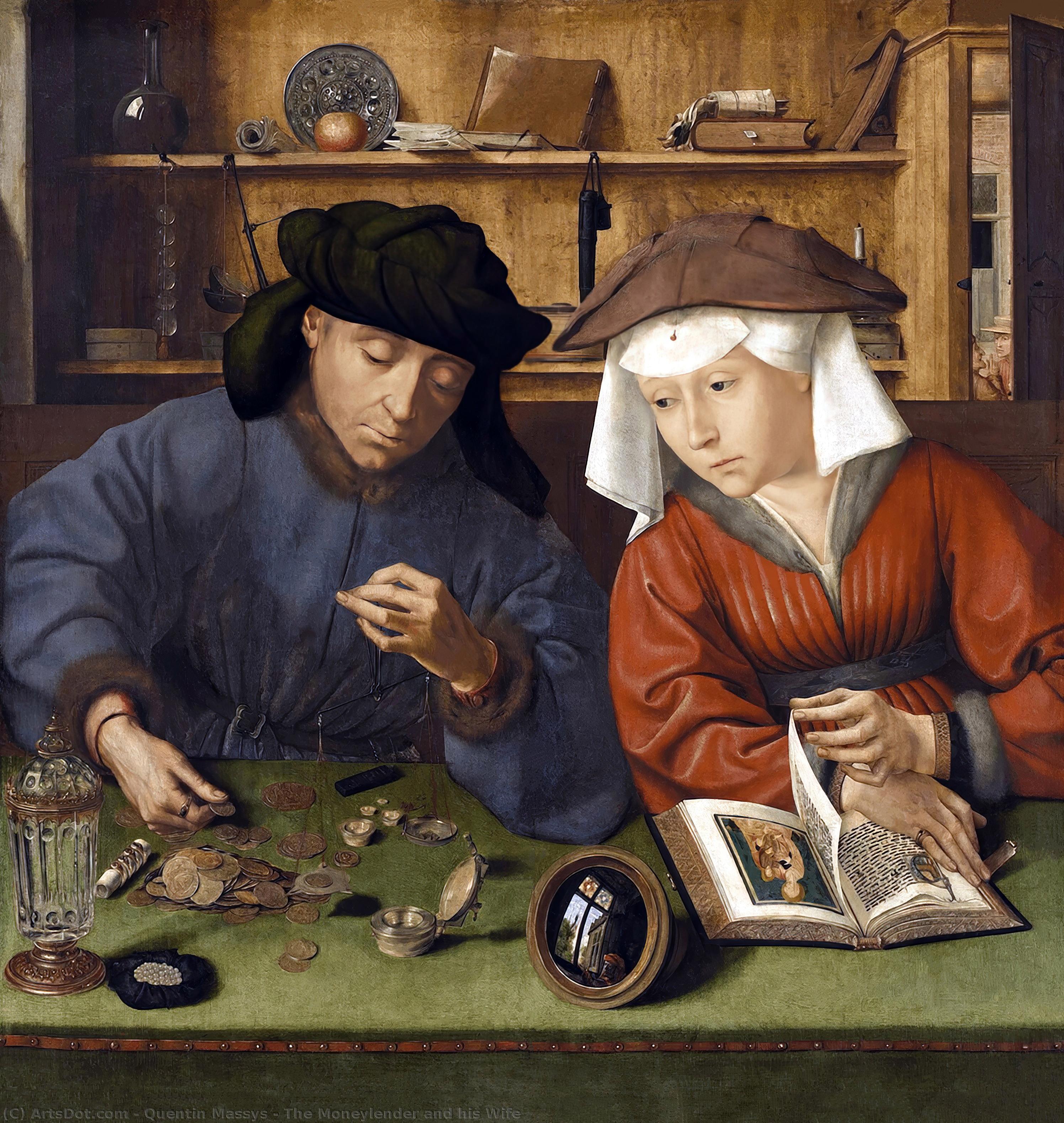
In the quiet intimacy of Quentin Massys’s 1514 masterpiece, The Moneylender and his Wife, we are invited to step across the threshold of time and into a world of profound domesticity and silent narrative. This oil on panel work, currently preserved in the hallowed halls of the Musée du Sobornik in the Louvre, serves as a breathtaking exemplar of the Antwerp School’s mastery. At first glance, the scene presents a seemingly mundane moment between a man and a woman seated at a table, yet beneath this surface lies a complex tapestry of social commentary and meticulous detail. The composition is anchored by the heavy, tactile presence of the green tablecloth, which provides a stage for an array of objects that whisper stories of commerce, intellect, and the fleeting nature of earthly wealth.
The artistry of Massys is most evident in his unparalleled ability to render texture and light. As one gazes upon the painting, the eye is drawn to the luxurious fur-lined collar of the man’s blue robe and the crisp, stark white of the woman's headdress. Every surface—from the cold metallic glint of the coins scattered across the table to the delicate, fragile structure of the small birdcage—is treated with a hyper-realistic precision that was revolutionary for its time. This Northern Renaissance technique, characterized by an almost microscopic attention to detail, allows the viewer to feel the weight of the objects and the warmth of the indoor light, creating an immersive experience that transcends the centuries.
Symbolism and the Language of Objects
To look upon this painting is to read a visual poem where every object serves as a metaphor. The central focus, an open book displaying a portrait of a dog, acts as a profound symbol of fidelity and perhaps a subtle critique of the distractions that pull one away from spiritual devotion toward worldly pursuits. The presence of coins and scales suggests the man's profession, yet the inclusion of domestic items like the vase and scissors softens the clinical nature of trade, weaving the mercantile life into the fabric of family existence. There is a delicate tension here between the material and the spiritual, a hallmark of Massys’s era, where the accumulation of wealth is constantly weighed against the virtues of the soul.
The background, filled with a wooden shelf laden with books and scholarly implements, elevates the scene from a simple portrait to an intellectual landscape. It suggests that this couple exists within a world of learning and contemplation, even amidst their financial dealings. For the modern collector or interior designer, this painting offers more than just aesthetic beauty; it provides a sophisticated layer of storytelling. A high-quality reproduction of this work brings a sense of historical gravity and intellectual depth to any space, acting as a conversation piece that invites onlookers to linger and decipher its many hidden meanings.
An Enduring Legacy for the Discerning Collector
The emotional impact of The Moneylender and his Wife lies in its quietude. There is no grand drama or violent movement; instead, there is a profound stillness that commands respect. The way the light falls across the figures creates an atmosphere of contemplative peace, making it an ideal centerpiece for a study, a library, or a refined living area where one seeks to evoke a sense of timelessness and wisdom. Massys’s ability to capture the human condition through the lens of everyday life ensures that this work remains as relevant today as it was in 1514.
For those looking to adorn their homes with art that possesses both historical significance and decorative elegance, a reproduction of this Flemish treasure offers an unparalleled opportunity. It is a piece that celebrates the beauty of craftsmanship—both the literal craftsmanship of the painter’s brush and the metaphorical craftsmanship of a life well-lived. By bringing this masterpiece into a contemporary setting, one does not merely decorate a wall; one preserves a fragment of the Renaissance spirit, ensuring that the intricate dance of light, shadow, and symbolism continues to inspire generations to come.
関連作品

アーティストの略歴
クエンティン・マスィスの生涯と芸術:アントワープ・ルネサンスの先駆者
クエンティン・マスィス(Matsys, Metsys, Messys とも綴られる)は、15世紀後半から16世紀初頭にかけて活躍したフランドルの画家であり、北部ヨーロッパの絵画を活性化させたアントワープ派の確立において重要な役割を果たしました。ベルギーのルーヴェン近郊で1466年頃に生まれた彼の幼少期については、確かな史料がほとんどなく、伝説的な逸話が多いのが現状です。しかしながら、芸術家の家系出身であり、画家になる前に鍛冶屋として訓練を受けていたという説が有力視されています。この二つの技能—金属加工と芸術的才能—は、ルネサンス期のパトロン制度や職人技の現実を理解する上で重要な手がかりとなります。初期の生活と思想形成
マスィスの若い頃については情報が乏しく、彼の生い立ちや初期の芸術的関心について様々な憶測が飛び交っています。しかし、ルーヴェンの画家ディルク・ボウツから指導を受けたことが示唆されており、ボウツはハンス・メムリンクやロヒール・ファン・デル・ウェイデンの様式を推進していました。この影響力のある巨匠たちとの出会いは、マスィスの芸術的感性を形成し、彼を時代の広範な人文主義の伝統の中に定着させました。後の作品におけるメムリンクとヤン・ファン・エイクの影響は顕著であり、北部ルネサンス美術の特徴である構図原理や細部への徹底的なこだわりを理解していたことを示しています。アントワープでの革新:写実性と風刺の融合
1490年頃にルーヴェンからアントワープに移ったマスィスは、ヤン・ファン・エイクやロヒール・ファン・デル・ウェイデンの様式を受け継ぎながら、フランドル絵画を復興させました。これらの画家たちは、観察と表現力豊かな写実性を基盤とした美学を確立していました。同時代の多くの画家たちが理想化された描写に傾倒する中、マスィスは人間の解剖学や感情を容赦なく描き出しました。これは、経験的知識と心理的な深さを重視した人文主義の精神を反映しています。彼の最も重要な功績の一つは、風刺画の制作です。特に「醜い公爵夫人」は、貴族社会の複雑さを鋭い視覚的コメントによって捉え、アントワープ・ルネサンス美術の特徴である芸術的技能と知的な探求心を融合させた傑作として評価されています。代表作:芸術的ビジョンの具現化
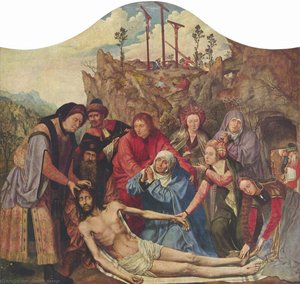
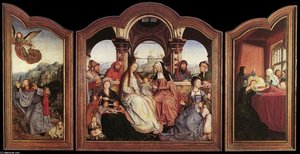
マスィスの遺産は、今日でも観客を魅了し続ける数々の素晴らしい絵画作品に支えられています。彼の最も象徴的な作品には、「聖アンナ祭壇画」(ブリュッセル王立美術館所蔵)と「金貸しとその妻」(ルーブル美術館所蔵)があります。これらの傑作は、マスィスが油彩技法を極め、シンボリズムや視覚的ストーリーテリングに対する深い理解を示していることを証明しています。質感や布地の緻密な描写、そして微妙な感情表現は、マスィスの人間経験の本質を捉えようとする献身性を強調しています。さらに、彼の作品は後世の多くの芸術家たちにインスピレーションを与え、フランドル美術遺産の礎を築きました。歴史的意義:アントワープの芸術的景観を形作る
クエンティン・マスィスは、アントワープをルネサンス美術の中心地として確立する上で不可欠な役割を果たしました。彼は芸術家たちの協調的な環境を育み—それが「アントワープ派」という評判につながった—そしてヨーロッパ各地から才能ある人材を引き寄せました。彼の影響力は様式的革新にとどまらず、人文主義の理想を提唱し、芸術コミュニティにおける知的議論を促進することで、15世紀の文化変革に貢献しました。マスィスの永続的な遺産は、彼の素晴らしい絵画作品だけでなく、アントワープの芸術的アイデンティティを形作る上での功績にもあります—それは彼の先見性のあるリーダーシップと芸術的卓越性への揺るぎない献身の証です。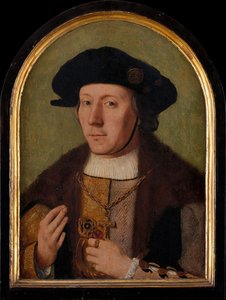
カンティン・マスィス
1466 - 1530 , ベルギー
基本情報
- Artistic Movement Or Style: アントワープ派
- Artists Or Movements Influenced By This Artist: ['ハンス・メムリンク']
- Artists Who Influenced This Artist: ['ディルク・ボウツ']
- Date Of Birth: 1466年頃
- Date Of Death: 1530年
- Full Name: クエンティン・マスィス
- Nationality: フランドル人
- Notable Artworks (List Of Titles):
- 聖アンナ祭壇画
- 金貸しとその妻
- Place Of Birth (City And Country): ルーヴェン、ベルギー
関連記事

Oil on Canvas: A Historical & Technical Exploration of a Timeless Artistic Medium
Explore the rich history & enduring techniques of oil painting on canvas. Discover the science behind its longevity, conservation practices, and contemporary relevance. Expert insights for art enthusiasts.

The Enduring Power of Painting: A Historical & Contemporary Exploration of Form and Emotion
Explore the rich history & enduring techniques of oil painting with ArtsDot. Discover masterpieces, learn about art collecting, and find authentic handmade reproductions crafted by skilled artists.
Romantic Realism's Finest: 10 Masterpieces for Your Home | ArtsDot
Explore 10 defining masterpieces of Romantic Realism! Discover Courbet, Millet & Daumier's powerful paintings—capturing emotion and social realities. Find museum-quality reproductions for your home at ArtsDot.com.

The Enduring Legacy of Oil on Canvas: Technique, History & Aesthetic Impact
Explore the rich history & techniques of oil painting – from Renaissance masters to Impressionism. Discover pigments, layering methods, and why this timeless medium endures. Expert insights for artists & art enthusiasts.
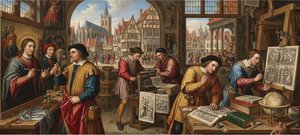
The Northern Renaissance: A Flourishing of Realism, Religious Reform & Artistic Innovation
Explore the Northern Renaissance! Discover Jan van Eyck's innovations, religious shifts, & key artists of this influential period. Expert analysis and insights into Early Netherlandish painting at ArtsDot.

