

 プレビュー
プレビュー
 プリントを購入
 シェアする
シェアする シェアする
シェアする
 詳細を見る
詳細を見る

 ダウンロード
 似ている作品
 X線調査
X線調査 スライドショー
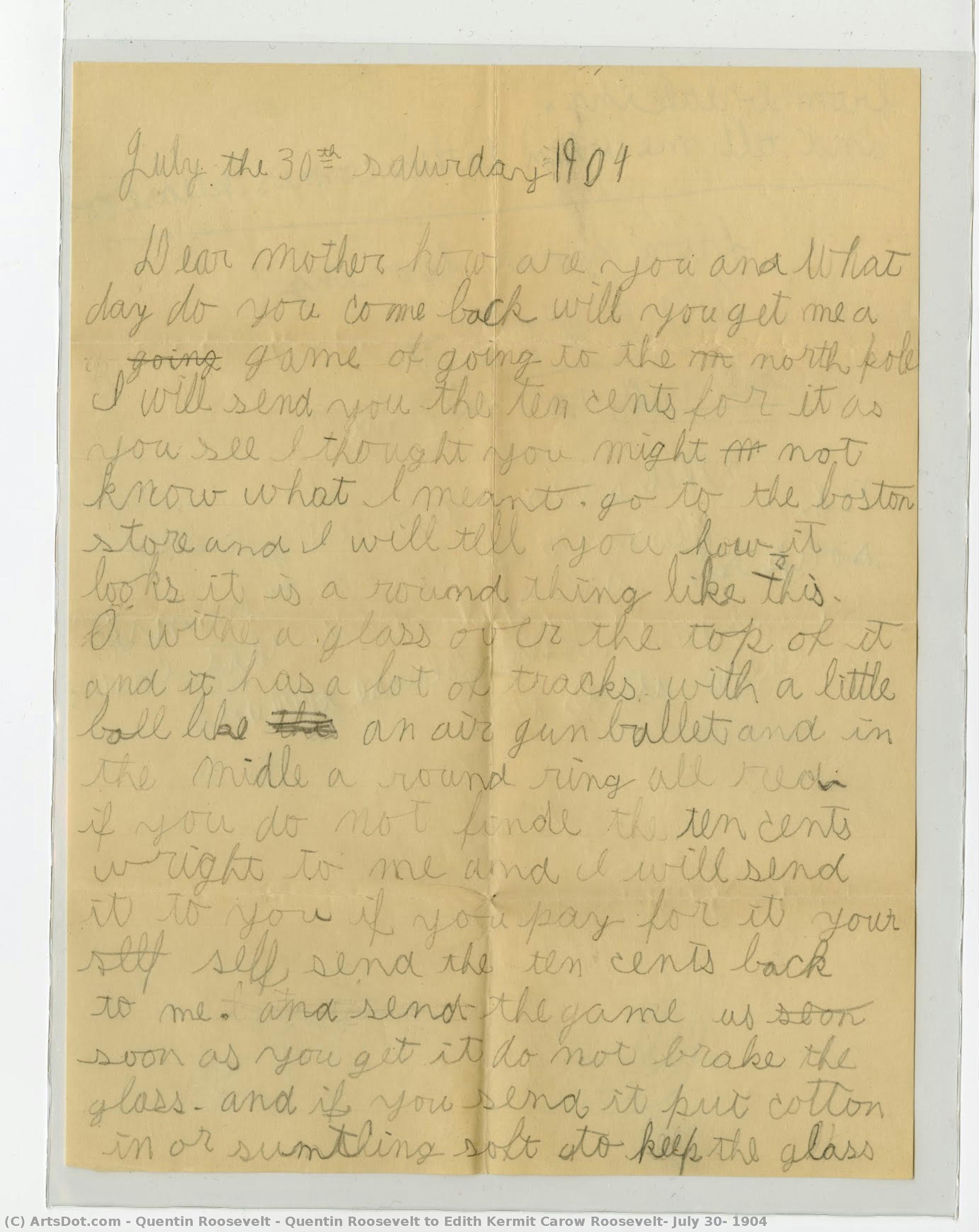
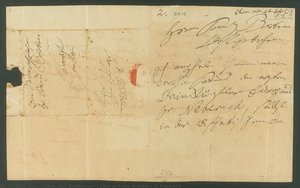
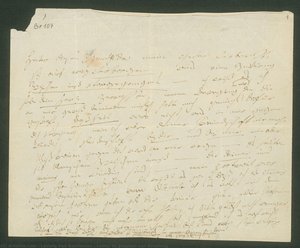
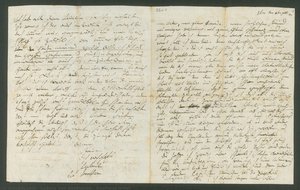
Quentin Roosevelt to Edith Kermit Carow Roosevelt, July 30, 1904


 詳細を見る
詳細を見る




P118B $10

P118H $10

P118W $10

P438Z $10

P508JH $12

P508YH $12

P805H $10

P805Z $10

P919BZ $10

P919G $10

P919XJ $10

P959ZH $10

P968JZ $12

W106C $8

W218G $10

W218JH $8

W218Y $10

W307PJ $10

W316G $10

W316PJ $8

W316Y $10

W398PJ $8

W4111J $10

W500HY $15

W500JH $15

W692G $12

W849H $8

W940BG $15

W953PJ $8




作品のオリジナル比率に合わせた、当店の規定サイズからお選びください。

特定のフレームやスペースに合わせて、ご希望のサイズをご入力いただけます。選択されたサイズが元の画像の比率と異なる場合、アートワークをトリミングするか、手描きで要素を追加して絵画を拡張いたします。デジタルモックアップ を制作し、制作開始前にご確認(承認)をいただきます。
画面上のプレビューは、実際のトリミングや拡張を正確に反映しているものではありません。最終的な構図は、モックアップによってのみ正確にご確認いただけます。
カスタムサイズもご利用いただけますが、元の比率を維持するためには、あらかじめ用意されたリストからサイズを選択することをお勧めいたします。
ご注文後、ArtsDot.com チームより詳細な指示をお送りするとともに、仕上がりイメージ(モックアップ)をご提供いたします。


 ガラスオプションは、110cm未満のサイズでのみご利用いただけます。

Quentin Roosevelt to Edith Kermit Carow Roosevelt, July 30, 1904
複製技法
複製画のサイズ
-


合計金額
$ 263
作品解説
A Whisper from the Past: The Intimacy of Quentin Roosevelt’s Correspondence
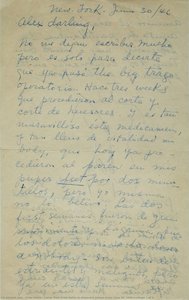
In the quiet intersection of personal history and historical artifact, there exists a profound beauty found not in grand oil paintings, but in the delicate, cursive strokes of a handwritten letter. This particular piece of correspondence, penned by Quentin Roosevelt to his mother, Edith Kermit Carow Roosevelt, on July 30, 1904, serves as a poignant window into a vanished era. To gaze upon this document is to step into the private world of the Roosevelt family, far removed from the political theater of the White House. The letter, captured in its folded, envelope-like state, carries the weight of a son’s affection and the rhythmic elegance of early 20th-century penmanship. It is more than mere paper; it is a tactile connection to a moment in time when communication required patience, intention, and a physical touch that digital text can never replicate.
The visual allure of this piece lies in its organic texture and the flowing, rhythmic movement of the ink. The script, executed in a classic cursive style, dances across the page with a grace that reflects the refined upbringing of the Roosevelt lineage. For the collector or the interior designer, this artifact offers a unique aesthetic of epistolary elegance. The way the light catches the subtle creases and folds of the aged paper creates a sense of depth and history, making it an ideal focal point for a study, a library, or a curated gallery wall dedicated to historical Americana. It embodies a "shabby chic" sophistication that is both intellectually stimulating and visually soothing, providing a sense of groundedness in a modern, fast-paced world.
Beyond its aesthetic merits, the emotional resonance of this letter is deeply moving. Knowing that Quentin Roosevelt—the "Silent Son" whose life would be tragically cut short during the Great War—was writing these words to his mother adds a layer of bittersweet nostalgia to the viewing experience. There is a profound vulnerability in his descriptions, particularly as he recounts the details of a game he wishes to play, a mundane yet vital detail that underscores the innocence of youth before the shadows of global conflict descended. This piece symbolizes the enduring bond between parent and child and the fleeting nature of peace. For those seeking to decorate with pieces that tell a story, this reproduction offers an opportunity to surround oneself with the quiet heroism and the tender, human moments that define our shared human heritage.
関連作品
アーティストの略歴
The Silent Son of Theodore: The Poignant Legacy of Quentin Roosevelt
In the grand, sweeping tapestry of American history, certain figures emerge not through the loud proclamations of political triumph, but through the quiet, tragic resonance of a life interrupted. Quentin Roosevelt, the youngest son of President Theodore Roosevelt and Edith Kermit Carow Roosevelt, occupies such a space. Often referred to as the "Silent Son," Quentin was a figure of profound sensitivity who lived in the vibrant, often boisterous shadow of one of America's most formidable legacies. While his siblings moved through the world with visible fanfare—Alice with her sharp wit and Ethel with her diplomatic grace—Quentin pursued a path defined by a more solitary, aerial courage. His life, though brief, serves as a moving testament to the weight of family tradition and the individual pursuit of duty.
Born in Washington, D.C., on November 19, 1897, Quentin was raised within a household that breathed intellectual curiosity and an unyielding adventurous spirit. The Roosevelt estate at Sagamore Hill was more than just a residence; it was a crucible of character. Growing up amidst the rolling lawns and whispering pines of Long Island, Quentin absorbed the pragmatic ethos of his father—a belief in action, stamina, and the necessity of facing one's challenges head-on. This upbringing instilled in him a deep connection to the natural world, yet it also placed him within a constellation of larger-than-life personalities. To navigate the expectations of a presidential lineage required a unique kind of strength, one that Quentin developed through quiet observation and a burgeoning passion for the new frontier of the twentieth century: aviation.
A Flight Toward Destiny
As the world descended into the chaos of the Great War, Quentin found his calling not in the traditional infantry roles favored by many of his kin, but in the daring, experimental realm of the United States Army Air Service. This choice reflected a modern spirit, a desire to master the skies just as his father had mastered the political landscape. As a pursuit pilot, Quentin embodied the very essence of the Roosevelt brand—bravery tempered by a sense of profound responsibility. His service was not merely an act of patriotism but a personal quest to honor the family's tradition of courage. In the cockpit of his aircraft, the complexities of his famous name faded, replaced by the visceral reality of flight and the intense focus required of a combat aviator.
The historical significance of Quentin’s life is inextricably linked to the tragedy of his end. On July 14, 1918—Bastille Day—the same day that celebrates French liberty, Quentin was killed in aerial combat over France. He remains the only child of a U.S. President to have been killed in action, a fact that lends a heavy, bittersweet layer to his biography. His death marked the loss of a promising future and left a void in a family that had already been shaken by the passing of its patriarch. Yet, even in his passing, he achieved a form of immortality. He became a symbol of the immense personal sacrifices made by a generation of young men, a figure whose story transcends mere genealogy to touch upon the universal themes of loss and the fleeting nature of greatness.
The Epistolary Echo: Artistry in Correspondence
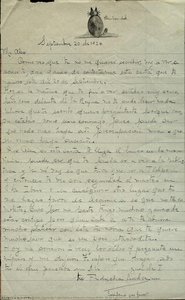
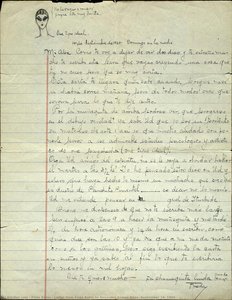
While Quentin Roosevelt did not leave behind a gallery of oil paintings or sculptures, his "work" survives through the intimate artifacts of his existence. To scholars and collectors of Americana, his handwritten correspondence offers a different kind of artistry—one found in the delicate, cursive strokes of a son writing to his mother. These letters are more than historical documents; they are windows into a private world, capturing the rhythmic elegance of early 20th-century penmanship and the tender affection of a child far from home. Through these fragments of paper and ink, we encounter the human being behind the historical figure:
- The Intimacy of Connection: His letters to Edith Roosevelt reveal a vulnerability and warmth that stood in stark contrast to the public persona of the Roosevelt dynasty.
- A Tactile History: The physical nature of his writing—the aged parchment, the flowing ink, and the folded envelopes—provides a sensory connection to an era long vanished.
- The Weight of Legacy: Even in casual notes, one can sense the underlying influence of Sagamore Hill and the enduring values of duty and devotion that shaped his character.
Ultimately, the story of Quentin Roosevelt is a poignant reminder that history is composed not just of grand political shifts, but of individual lives lived with intention. He was a man who sought to find his own sky, even if it meant flying into the heart of danger. His legacy remains etched in the annals of American memory—a quiet, heroic presence that continues to inspire reflection on the cost of courage and the enduring power of family.
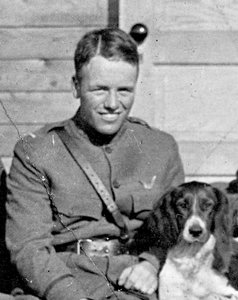
Quentin Roosevelt
1897 - 1918 , United States of America
基本情報
- Artistic Movement Or Style: None specified
- Artists Or Movements Influenced By This Artist: ['WWI aviation history']
- Artists Who Influenced This Artist: ['Theodore Roosevelt']
- Date Of Birth: November 19, 1897
- Date Of Death: July 14, 1918
- Full Name: Quentin Roosevelt
- Nationality: American
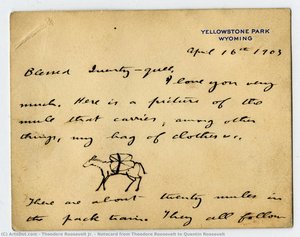
- Notable Artworks: ['Letter from Theodore Roosevelt to Quentin Roosevelt']
- Place Of Birth: Washington, D.C., United States
関連記事
Echoes of Time: Nostalgia, Technique & Cultural Significance in Vintage Paintings
Explore the captivating world of vintage paintings! Discover key styles, cultural significance & collecting tips from art experts at ArtsDot. Find authentic reproductions and elevate your home décor.
Echoes of Time: Exploring the Enduring Appeal of Vintage Artwork
Explore the captivating world of vintage art! Discover its history, enduring appeal, & how to build your own collection. Expert advice, custom reproductions & museum-quality prints at ArtsDot.

Echoes of Time: Exploring the Enduring Appeal & Historical Context of Vintage Art Prints
Explore the captivating world of vintage art prints! Discover their history, collecting tips & enduring appeal. Expert insights on chromolithography and building a legacy collection with ArtsDot.
Echoes of Eras Past: Exploring Themes & Techniques in Vintage Art Collections
Explore the captivating world of vintage art! Discover historical movements, iconic themes & collecting tips. Find handmade reproductions & expert appraisal at ArtsDot.

Echoes of Arcadia: Nostalgia & Transformation in Vintage Landscape Art
Explore the evocative world of vintage landscape art! Discover the history, artists & emotional power behind masterpieces from the Hudson River School & beyond. Expert insights for collectors & enthusiasts.

