

 プリントを購入
 シェアする
シェアする シェアする
シェアする
 詳細を見る
詳細を見る

 ダウンロード
 似ている作品
 スライドショー
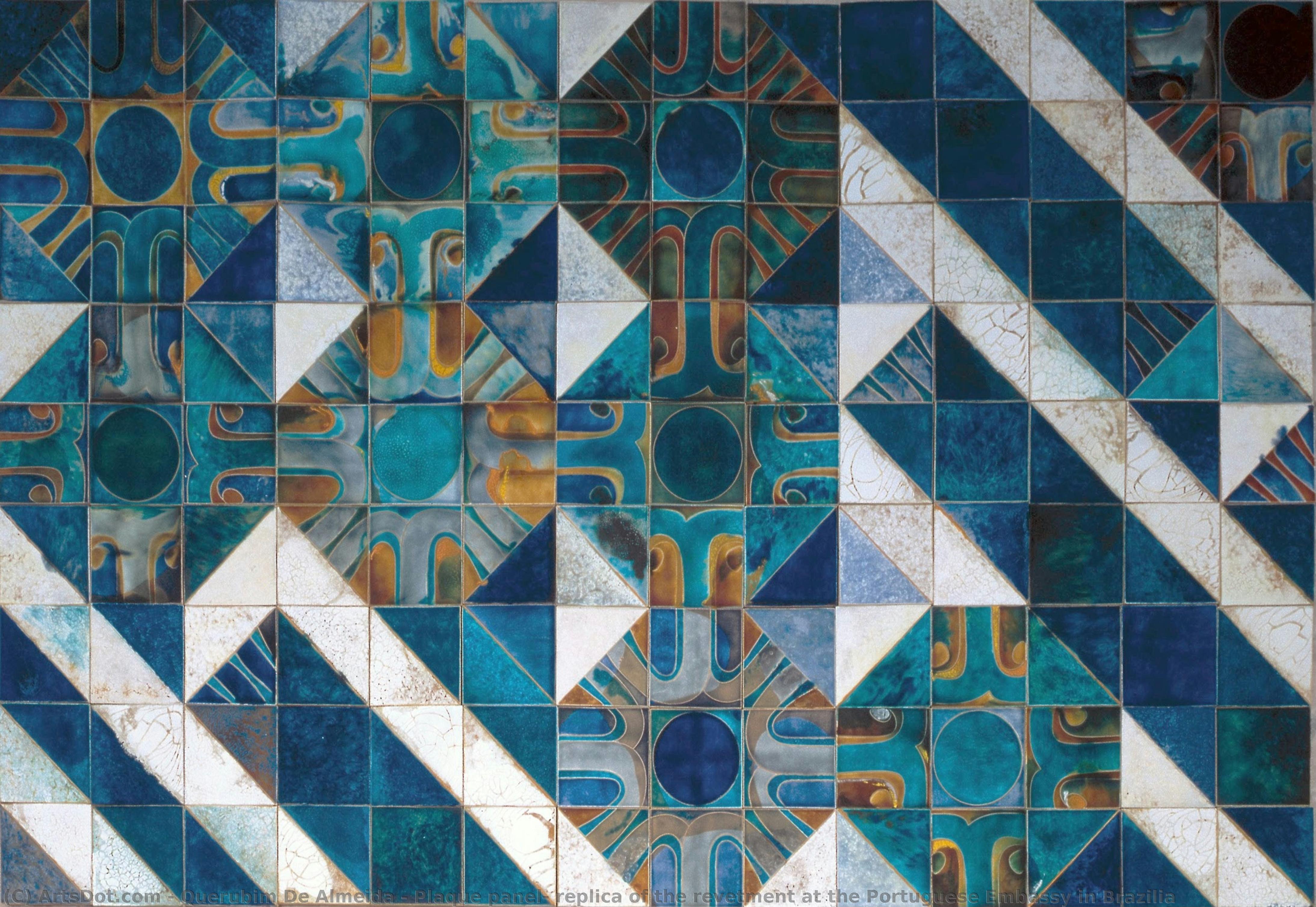
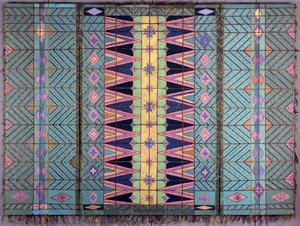
Plaque panel, replica of the revetment at the Portuguese Embassy in Brazilia
 Ceramics
- Contemporary
 1991
1991- Modern
 325.0 x 226.0 cm
 National Azulejo Museum
 詳細を見る
詳細を見る
オンラインプレビューをはるかに凌ぐ、高解像度で鮮明なデジタル画像をご購入いただけます。
各ファイルは、社内の専門家が高度なツールと熟練した手作業によるレタッチを用いて、細心の注意を払って準備されています。すべての画像において、卓越した鮮明度、正確な色彩再現性、そして繊細なディテールを保証いたします。
最終ファイルは、プロフェッショナルな編集・印刷環境ですぐにご利用いただけるよう最適化された状態で、72時間以内にメールにてお届けいたします。これは、一流のデザインスタジオ、出版社、ギャラリーから信頼されているものと同等の品質です。
デジタル画像のご注文に付随する特典
高品質なデジタル画像配信を、確かな品質で。
ArtsDot.com を選ぶことは、単に画像を手に入れることではありません。それは、プロの手によって精密に仕上げられ、満足保証が付いた高品質なデジタルアートワークを受け取ることを意味します。ご注文いただいた際に自動的に付随する内容は、以下の通りです:

メールですぐにお届け
ご注文から72時間以内に、高解像度のデジタル画像ファイルがメールでお手元に届きます。すぐにそのままご利用いただけます。

AI技術で最適化されたデジタルファイル
お客様の作品は、高度なAIツールと専門家による手作業の編集を組み合わせてプロフェッショナルに最適化されており、細部のディテール、鮮明さ、そして正確な色再現性を最大限に引き出しています。

一生涯無料の再送サービス
ファイルを誤って削除したり、紛失してしまったりしましたか?ご安心ください。いつでも無料で再送いたします。

輸入手数料は一切かかりません
関税や手数料、配送料を気にすることなく、お気に入りのアートワークをすぐにお楽しみいただけます。デジタルダウンロードは常に免税です。

色彩再現の保証
プロ仕様のツールとカラーマネジメント技術を用いることで、デジタル画像が元の色を最大限に忠実に再現することを保証いたします。

60日間満足保証
ご購入いただいたデジタル画像にご満足いただけない場合は、60日以内であれば、修正または100%の返金(理由を問う必要はありません)をさせていただきます。

100% 返金保証
ご満足いただけない場合は、デジタルファイルを受け取ってから60日以内であれば、理由を問わず全額返金いたします。

まとめ買い割引
3枚購入で10%OFF - 5枚購入で15%OFF - 10枚以上購入で20%OFF。クリエイティブなプロジェクト、ギャラリー、エージェンシーに最適です。
A Symphony in Blue and White: The Ceramic Legacy of Querubim Lapa
In the grand tapestry of Portuguese modernism, few threads are as vibrant or as enduring as the ceramic mastery of Querubim de Almeida, known affectionately to art historians as Querostim Lapa. This magnificent plaque panel, a meticulous replica of the revetment found at the prestigious Portuguese Embassy in Brasilia, stands as a testament to an era where tradition met the avant-garde. The artwork is not merely a decorative surface but a rhythmic dance of geometry and light, captured through the timeless medium of azulejo. As one gazes upon the intricate blue and white mosaic, there is an immediate sense of being transported to a space where architectural permanence meets fluid artistic expression.
The composition is a masterclass in geometric balance, utilizing a sophisticated arrangement of tiles that weave together a complex visual narrative. The cool, deep blues contrast sharply against the pristine white background, creating a crispness that feels both ancient and strikingly contemporary. Scattered throughout this structured landscape are circular motifs that break the rigidity of the linear patterns, acting as focal points that draw the eye into a deeper exploration of the surface. This interplay between the predictable rhythm of the grid and the unexpected presence of organic, rounded forms creates a dynamic tension, making the wall appear to breathe with its own internal energy.
Technique and the Soul of Portuguese Ceramics
To understand this piece is to understand the profound technical lineage of the artist. Trained in the prestigious Afonso Domingues Industrial School and the António Arroio School, Querubim Lapa possessed a rare, multifaceted command over sculpture, painting, and ceramics. This specific work reflects his unparalleled ability to manipulate texture and shade within the medium of tin-glazed ceramic tiles. The brilliance of the shades is not accidental; it is the result of an in-depth knowledge of how light interacts with the glazed surface, creating unexpected luminosity that shifts as the viewer moves through the room.
The technique employed here honors the neorealist spirit of the mid-20th century, where the goal was to revitalize traditional Portuguese crafts with a modern, clean aesthetic. Each tile serves as a singular note in a larger orchestral arrangement, contributing to a sense of monumental scale. For the discerning collector or interior designer, this reproduction offers more than just visual appeal; it provides a tactile connection to the history of Portuguese ceramic innovation, bringing the sophisticated atmosphere of diplomatic elegance into a private or professional setting.
An Atmosphere of Timeless Elegance
Beyond its formal qualities, the panel evokes a profound emotional resonance. There is a serene, almost meditative quality to the blue and white palette, reminiscent of the Atlantic tides that have shaped the Portuguese coastline for centuries. The inclusion of subtle elements, such as the clock-like circularity within the design, suggests a dialogue between the permanence of art and the passage of time. It is a piece that commands attention without overwhelming its surroundings, making it an ideal centerpiece for grand halls, sophisticated foyers, or curated gallery spaces.
For those seeking to infuse their interiors with a sense of cultural depth and architectural prestige, this replica offers an unparalleled opportunity. It serves as a bridge between the historical splendor of the Portuguese Embassy in Brasilia and the modern luxury of contemporary design. Owning such a piece is an invitation to live surrounded by the brilliance of Lapa’s vision—a world where every tile tells a story of tradition reimagined, and every blue hue whispers of a legacy etched in clay.
関連作品

作家の略歴
A Life Etched in Tile and Color: The World of Querubim de Almeida
Born in the sun-drenched coastal town of Portimão, Portugal, in 1925, Querubim de Almeida – often known as Querubim Lapa – has become a pivotal figure in Portuguese art. His journey, spanning over six decades, isn’t confined to a single medium; it's a vibrant exploration encompassing painting, sculpture, and ceramics, but it is perhaps his revolutionary work with *azulejo*—traditional Portuguese tin-glazed ceramic tiles—that truly defines his legacy. Lapa didn’t simply continue the tradition of azulejo; he reimagined it, infusing ancient techniques with modern sensibilities and a distinctly neorealist perspective. A formative experience occurred during the 1940 Portuguese World Exhibition, an event that ignited within him a passion for artistic expression and exposed him to a diverse range of creative possibilities. This early exposure would prove crucial in shaping his multifaceted career.From Formal Training to Neorealist Visions
Lapa’s artistic education was meticulously structured. He began formal training in 1941 under the guidance of painter Trindade Chagas, followed by studies at both the António Arroio School of Decorative Arts and the Afonso Domingues Industrial School. These institutions provided him with a solid foundation in technique and design principles. His early participation in group exhibitions, beginning in 1942 alongside artists like Pedro Oom and Júlio Gil at the Lisbon Italian Culture Institute, signaled his arrival on the Portuguese art scene. A significant milestone came in 1953 when he represented Portugal at the São Paulo Art Biennial, gaining international recognition for his burgeoning talent. From 1947 to 1950, Lapa further honed his skills with sculpture studies at the Lisbon School of Fine Arts under Leopoldo de Almeida. However, it was the intellectual and artistic climate of post-war Portugal that truly shaped his aesthetic direction. The neorealist movement, with its emphasis on social realism and a critical stance against prevailing ideologies, resonated deeply with Lapa. This influence is powerfully evident in his early works, which often depict scenes from everyday life and address societal issues with unflinching honesty. His “beggar series” (1945-1946) stands as a poignant example of this commitment to portraying the realities of the marginalized and overlooked.The Azulejo Reimagined: A Master Craftsman’s Innovation
While Lapa's artistic output is diverse, it is his mastery of *azulejo* that has secured his place in art history. He didn’t merely replicate traditional designs; he revolutionized the medium. His unique approach involved seamlessly blending time-honored Portuguese techniques with strikingly modern and innovative concepts. This fusion resulted in pieces that are not only visually captivating but also deeply culturally significant. A long and fruitful collaboration with the Viúva Lamego factory was instrumental in this process, allowing him to experiment with ceramic techniques and push the boundaries of what *azulejo* could be. Two particularly notable works exemplify his genius: the plaque panel replicating the revetment at the Portuguese Embassy in Brazilia (1991), housed within the National Azulejo Museum in Lisbon, and the “Chequered and cut out panel,” also residing at the museum. These pieces showcase Lapa’s exceptional skill in manipulating form, color, and texture to create dynamic and thought-provoking compositions. Recurring themes in his work include bold geometric shapes and a frequent focus on peasant women, often depicted as strong, resilient figures embodying the spirit of Portugal.A Lasting Legacy: Teaching, Recognition, and Enduring Influence
Querubim de Almeida’s impact extends beyond his artistic creations. Beginning in 1955, he dedicated himself to education, teaching at the António Arroio School of Decorative Arts and nurturing generations of aspiring artists. His commitment to sharing his knowledge and passion for art ensured that his innovative spirit would continue to inspire others. Throughout his career, Lapa’s work has been exhibited internationally and is now held in prestigious collections worldwide, including the Leicestershire Museum and Art Gallery in the UK and the Calouste Gulbenkian Foundation's Modern Art Centre. His influence can also be seen in the numerous public works he created, particularly within Lisbon, transforming urban spaces with his vibrant and thought-provoking designs. While often associated with neorealism, traces of influences from artists like Paul Gauguin can be detected in his expressive use of color and form. Querubim de Almeida’s art continues to resonate today, solidifying his position as a pivotal figure in Portuguese artistic heritage—a master craftsman who not only preserved a tradition but boldly propelled it into the modern era.Notable Works
- Plaque panel, replica of the revetment at the Portuguese Embassy in Brazilia (1991): A testament to his azulejo mastery, currently housed at the National Azulejo Museum in Lisbon.
- Chequered and cut out panel: Another striking example of his innovative designs, also located at the National Azulejo Museum.
- “Beggar Series” (1945-1946): Early works demonstrating his commitment to social realism and portraying everyday life.

Querubim de Almeida
1925 - , Portugal
プロフィール概要
- Artistic Movement Or Style: Neorealism, Azulejo art
- Artists Who Influenced This Artist: ['Paul Gauguin']
- Date Of Birth: 1925
- Full Name: Querubim de Almeida
- Nationality: Portuguese
- Notable Artworks:
- Plaque panel (Brazilia)
- Chequered and cut out panel
- Place Of Birth: Portimão, Portugal

