

 プレビュー
プレビュー
 プリントを購入
 シェアする
シェアする シェアする
シェアする
 詳細を見る
詳細を見る

 ダウンロード
 似ている作品
 X線調査
X線調査 スライドショー
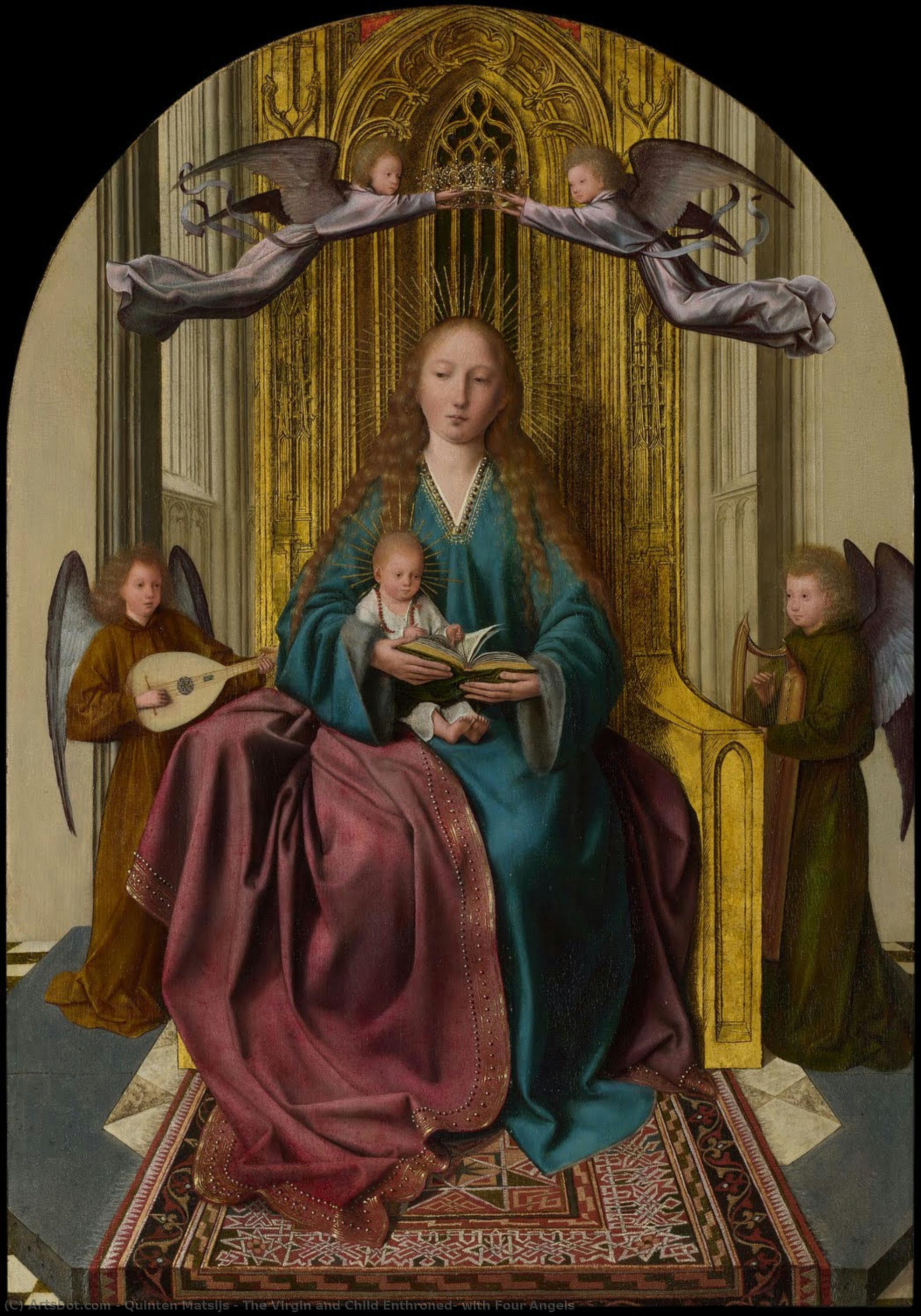
The Virgin and Child Enthroned, with Four Angels
 Early Netherlandish Painting
 1506
1506 62.0 x 43.0 cm
 ナショナル・ギャラリー
 詳細を見る
詳細を見る




P118B $10

P118H $10

P118W $10

P438Z $10

P508JH $12

P508YH $12

P805H $10

P805Z $10

P919BZ $10

P919G $10

P919XJ $10

P959ZH $10

P968JZ $12

W106C $8

W218G $10

W218JH $8

W218Y $10

W307PJ $10

W316G $10

W316PJ $8

W316Y $10

W398PJ $8

W4111J $10

W500HY $15

W500JH $15

W692G $12

W849H $8

W940BG $15

W953PJ $8




作品のオリジナル比率に合わせた、当店の規定サイズからお選びください。

特定のフレームやスペースに合わせて、ご希望のサイズをご入力いただけます。選択されたサイズが元の画像の比率と異なる場合、アートワークをトリミングするか、手描きで要素を追加して絵画を拡張いたします。デジタルモックアップ を制作し、制作開始前にご確認(承認)をいただきます。
画面上のプレビューは、実際のトリミングや拡張を正確に反映しているものではありません。最終的な構図は、モックアップによってのみ正確にご確認いただけます。
カスタムサイズもご利用いただけますが、元の比率を維持するためには、あらかじめ用意されたリストからサイズを選択することをお勧めいたします。
ご注文後、ArtsDot.com チームより詳細な指示をお送りするとともに、仕上がりイメージ(モックアップ)をご提供いたします。


 ガラスオプションは、110cm未満のサイズでのみご利用いただけます。

The Virgin and Child Enthroned, with Four Angels
複製技法
複製画のサイズ
-


合計金額
$ 263
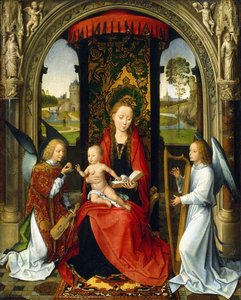
The Virgin and Child Enthroned, with Four Angels – A Renaissance Masterpiece
Quinten Massys’s “The Virgin and Child Enthroned, with Four Angels,” painted around 1506-9 in Antwerp, is more than just a devotional image; it's a vibrant snapshot of early Netherlandish art, brimming with symbolic depth and technical mastery. Initially conceived as part of a diptych alongside a depiction of Saint George and the Dragon – now residing in the National Gallery of Art in Washington D.C. – this panel offers a captivating glimpse into the burgeoning artistic landscape of the late 15th century. Massys, a pivotal figure in establishing the Antwerp School of Painting, skillfully blends religious iconography with subtle humanism, creating an artwork that resonates with both spiritual contemplation and quiet observation.
The scene unfolds within a meticulously rendered Gothic chapel, its architecture subtly echoing the grandeur of contemporary churches while simultaneously serving as a symbolic framework for the Virgin Mary and Christ Child. The throne itself, adorned with rich gold leaf and vibrant enamel, immediately establishes an atmosphere of regal authority – reflecting Mary’s divine status as Queen of Heaven. Four angels, positioned strategically around the central figures, aren't merely decorative; they actively participate in the narrative through their musical instruments: a lute and a harp, suggesting harmony and divine grace. The inclusion of two additional standing angels further emphasizes this theme of celestial orchestration.
A Study in Light, Color, and Detail
Massys’s technical prowess is immediately apparent in the painting's masterful use of light and color. The scene is bathed in a soft, diffused illumination that emanates from the right, casting delicate shadows across the figures and architectural elements. This technique, reminiscent of Jan van Eyck’s innovations, creates a sense of depth and realism rarely seen in earlier Netherlandish art. The Virgin's dress, rendered with meticulous detail, showcases a complex interplay of folds and textures – a testament to Massys’s ability to capture the illusion of three-dimensionality on a flat surface. The use of vibrant blues and reds, contrasted against the muted tones of the chapel walls, draws the viewer's eye to the central figures while simultaneously establishing a harmonious balance within the composition.
Close examination reveals an astonishing level of detail throughout the painting. The intricate patterns on the carpet beneath the throne, the delicate embroidery of Mary’s robe, and even the individual knots in the wood paneling all contribute to a sense of immersive realism. Massys's attention to detail isn't merely superficial; it serves to elevate the artwork beyond a simple depiction of religious figures, transforming it into a complex visual allegory filled with symbolic meaning.
Symbolism and Humanistic Nuances
Beyond its technical brilliance, “The Virgin and Child Enthroned” is rich in symbolism. The presence of the iris and columbine – flowers traditionally associated with sorrow and mourning – subtly acknowledges the themes of the Passion and the sorrows of the Virgin Mary. However, Massys’s approach is far from didactic; he imbues these symbols with a delicate nuance, suggesting a profound understanding of human emotion rather than simply presenting a straightforward theological message. The inclusion of two figures in the background, one standing near the left side and another on the right, adds an element of human presence to the divine scene, subtly reminding us of the earthly realm from which this celestial narrative originates.
Notably, Massys’s depiction of Mary deviates slightly from established conventions. Her unbound blond hair, falling across her shoulders and down her arms, is a departure from the more tightly styled hairstyles typically seen in earlier Virgin and Child paintings. This subtle detail reflects Massys's willingness to experiment with artistic techniques and challenge traditional representations, solidifying his position as a forward-thinking artist within the Antwerp School.
A Timeless Masterpiece for Art Lovers
“The Virgin and Child Enthroned, with Four Angels” remains a powerful testament to the artistry of Quinten Massys. Its masterful composition, exquisite detail, and profound symbolism continue to captivate viewers centuries after its creation. Whether admired as a historical artifact or appreciated for its aesthetic beauty, this painting offers a unique window into the artistic and cultural landscape of early Renaissance Europe – a timeless masterpiece that speaks volumes about faith, humanity, and the enduring power of art.
関連作品
アーティストの略歴
**early life and training**
quinten matsijs, a prominent figure in the early netherlandish tradition, was born in leuven, belgium, in 1466. according to tradition, matsijs began his career as an ironsmith before transitioning to painting, although this aspect of his life remains somewhat speculative.**artistic career and contributions**
active in antwerp for over two decades, quinten matsijs produced numerous works characterized by their religious undertones and satirical inclinations. his contributions to the early netherlandish art movement are significant, earning him recognition as the founder of the antwerp school of painting. this school would later become a dominant force in flemish art during the 16th century.**notable works and innovations**
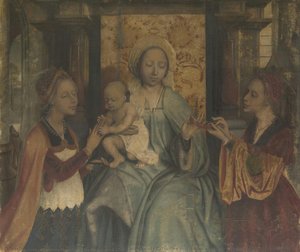
- **the virgin and child with saints catherine and barbara**: a masterpiece showcasing matsijs' skill in blending religious themes with subtle moral undertones. - **jacob obrecht**: a portrait of the renowned choirmaster, exemplifying matsijs' ability to capture the essence of his subjects.**legacy and influence**
matsijs introduced new techniques and motifs to the early netherlandish tradition, paving the way for future generations of artists. his influence can be seen in the works of later flemish painters who built upon his innovations.- key contribution: founding the antwerp school of painting, which became a cornerstone of flemish art in the 16th century.
- notable museums featuring his work: the koninklijk museum voor schone kunsten in antwerp, belgium, houses several of matsijs' masterpieces, offering a glimpse into his artistic genius.
- view more of quinten matsijs' art: explore [ArtsDot.com's collection](https://ArtsDot.com/@/quinten-matsijs) for an in-depth look at his works and the early netherlandish art movement.
**conclusion**
quinten matsijs's legacy is a testament to his enduring impact on flemish painting. through his innovative approach, he not only defined the antwerp school but also influenced the broader landscape of northern renaissance art. his works continue to inspire and intrigue, offering a window into the artistic and cultural nuances of 15th-century flanders.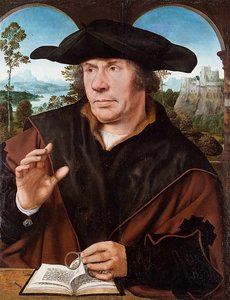
quinten matsijs
1466 - 1530 , Belgium
基本情報
- Artistic Movement Or Style: Early Renaissance
- Artists Or Movements Influenced By This Artist: ['Michelangelo']
- Artists Who Influenced This Artist:
- Lorenzo Ghiberti
- Filippo Brunelleschi
- Date Of Birth: c. 1386
- Date Of Death: 1466
- Full Name: Donato di Niccolò di Betto Bardi
- Nationality: Italian
- Notable Artworks:
- Saint George
- David (bronze)
- Equestrian Monument Gattamelata
- Place Of Birth: Florence, Italy
関連記事
The Radiant Dusk of Medieval Vision: Exploring Late Gothic Art's Synthesis of Faith, Form & Emotionality (c. 1300-1500)
Explore the exquisite beauty & spiritual depth of Late Gothic art (c. 1300-1500). Discover key artists, symbolism, and its lasting influence on the Renaissance. Expert insights at ArtsDot.
Beyond Borders: The Spiritual & Stylistic Innovations of International Gothic Art
Explore the exquisite beauty & spiritual depth of International Gothic art. Discover key artists like Simone Martini & Pol de Limbourg, its origins, symbolism, and lasting influence on European painting. Expert insights at ArtsDot.
The Shadow of Faith: Exploring Gothic Art's Spiritual Intensity & Architectural Innovation
Explore the spiritual intensity & architectural innovation of Gothic art! Discover the symbolism behind cathedrals, stained glass & master artists like Giotto and Monet. A deep dive into medieval history & artistic expression.

Early Netherlandish Masters: 10 Paintings That Revolutionized Art & Decor
Journey into the world of Early Netherlandish painting! Explore 10 masterpieces by Jan van Eyck, Rogier van der Weyden & more. Discover stunning detail, symbolism & Renaissance art for your home decor. Find museum-quality reproductions on ArtsDot.com
Jan Gossart: Bridging Netherlandish Realism & Renaissance Humanism – A Comprehensive Exploration
Explore the captivating world of Jan Gossart, a pivotal figure bridging Netherlandish realism & Renaissance humanism. Discover his masterpieces, patronage, and lasting influence – an essential guide for discerning art collectors.

