

 プレビュー
プレビュー
 プリントを購入
 シェアする
シェアする シェアする
シェアする
 詳細を見る
詳細を見る

 ダウンロード
 似ている作品
 X線調査
X線調査 スライドショー
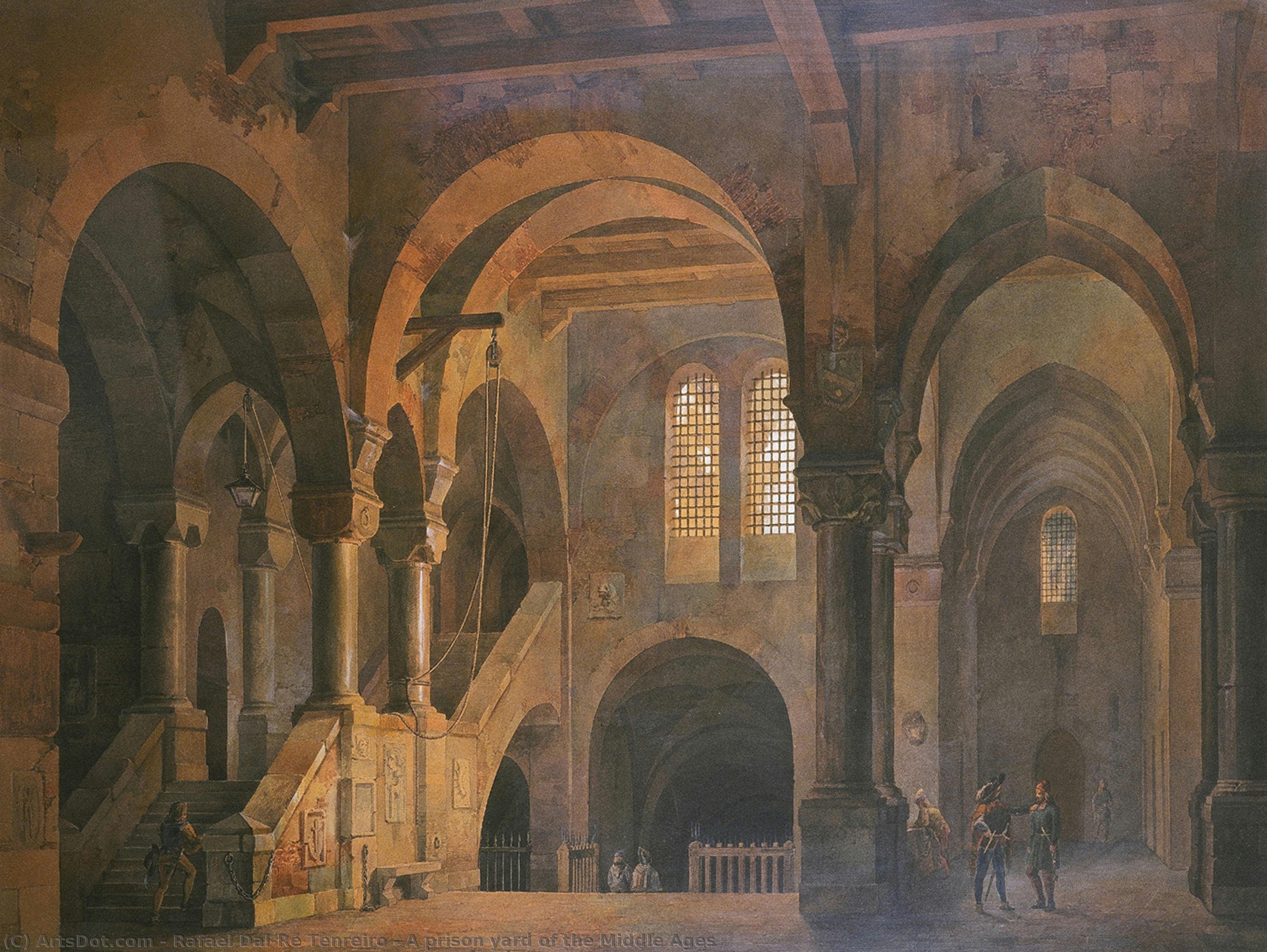
A prison yard of the Middle Ages


 詳細を見る
詳細を見る
オンラインプレビューをはるかに凌ぐ、高解像度で鮮明なデジタル画像をご購入いただけます。
各ファイルは、社内の専門家が高度なツールと熟練した手作業によるレタッチを用いて、細心の注意を払って準備されています。すべての画像において、卓越した鮮明度、正確な色彩再現性、そして繊細なディテールを保証いたします。
最終ファイルは、プロフェッショナルな編集・印刷環境ですぐにご利用いただけるよう最適化された状態で、72時間以内にメールにてお届けいたします。これは、一流のデザインスタジオ、出版社、ギャラリーから信頼されているものと同等の品質です。
デジタル画像のご注文に付随する特典
高品質なデジタル画像配信を、確かな品質で。
ArtsDot.com を選ぶことは、単に画像を手に入れることではありません。それは、プロの手によって精密に仕上げられ、満足保証が付いた高品質なデジタルアートワークを受け取ることを意味します。ご注文いただいた際に自動的に付随する内容は、以下の通りです:

メールですぐにお届け
ご注文から72時間以内に、高解像度のデジタル画像ファイルがメールでお手元に届きます。すぐにそのままご利用いただけます。

AI技術で最適化されたデジタルファイル
お客様の作品は、高度なAIツールと専門家による手作業の編集を組み合わせてプロフェッショナルに最適化されており、細部のディテール、鮮明さ、そして正確な色再現性を最大限に引き出しています。

一生涯無料の再送サービス
ファイルを誤って削除したり、紛失してしまったりしましたか?ご安心ください。いつでも無料で再送いたします。

輸入手数料は一切かかりません
関税や手数料、配送料を気にすることなく、お気に入りのアートワークをすぐにお楽しみいただけます。デジタルダウンロードは常に免税です。

色彩再現の保証
プロ仕様のツールとカラーマネジメント技術を用いることで、デジタル画像が元の色を最大限に忠実に再現することを保証いたします。

60日間満足保証
ご購入いただいたデジタル画像にご満足いただけない場合は、60日以内であれば、修正または100%の返金(理由を問う必要はありません)をさせていただきます。

100% 返金保証
ご満足いただけない場合は、デジタルファイルを受け取ってから60日以内であれば、理由を問わず全額返金いたします。

まとめ買い割引
3枚購入で10%OFF - 5枚購入で15%OFF - 10枚以上購入で20%OFF。クリエイティブなプロジェクト、ギャラリー、エージェンシーに最適です。
作品の詳細
A Window into the Medieval Soul
In the delicate, translucent layers of "A prison yard of the Middle Ages," we are transported far from the modern era and cast into a world of historical gravity and quiet drama. This evocative watercolor, dating back to 1900, serves as a poignant visual narrative of a bygone epoch. The scene unfolds within the confines of a stone courtyard, where the architecture—defined by its rhythmic arched windows—suggests a place of both sanctuary and confinement. Through the masterful use of light and shadow, the artist breathes life into a moment frozen in time, inviting the viewer to contemplate the lives of those who once paced these very grounds.
The composition is a delicate dance of figures and fauna, meticulously placed to guide the eye through the historical landscape. Two central figures stand as silent witnesses to the passage of time, their presence anchored by the imposing structure behind them. As our gaze wanders toward the periphery, we encounter others—shadowy silhouettes that add depth and a sense of communal existence to the yard. The inclusion of horses, scattered with intentional grace across the mid-ground and foreground, introduces an element of organic vitality. These creatures are not merely background elements; they represent the pulse of medieval life, bridging the gap between the human struggle and the natural world.
Technique and Atmospheric Resonance
The choice of watercolor as a medium is fundamental to the emotional resonance of this piece. The artist utilizes the inherent fluidity of the medium to create an atmosphere that feels both ethereal and grounded. There is a soft, almost dreamlike quality to the washes of color, which allows the edges of the architecture and the figures to bleed slightly into the surrounding air, mimicking the hazy, nostalgic lens of memory. This technique avoids the harshness of realism, opting instead for a romanticized interpretation that emphasizes mood over minute detail.
For the discerning collector or interior designer, this artwork offers a profound sense of historical continuity. The muted palette and the soft textures make it an exquisite choice for spaces that require a touch of contemplative elegance. Whether placed in a study filled with leather-bound books or as a focal point in a contemporary gallery, the painting provides a sophisticated anchor. It does not merely decorate a wall; it commands a conversation about history, the passage of time, and the enduring human spirit. Owning a high-quality reproduction of this work means bringing a piece of historical storytelling into the modern home, offering an eternal window into the shadows of the Middle Ages.
関連作品
作家の略歴
Early Life and the Prairie Landscape
Alex Katz, born July 24, 1927, in Brooklyn, New York, wasn’t destined for a life immersed in the vibrant hues of the art world. His early years were shaped by the quiet austerity of his Ukrainian immigrant family – his father, Odesa-born, had lost a factory during the upheaval following the Russian Revolution. The family moved to St. Albans, Queens, when he was just a toddler, and later to rural Willingdon, Alberta, in Canada, where he spent much of his childhood. This shift profoundly impacted him; the stark beauty of the Canadian prairies – vast fields of wheat under endless skies – became an enduring subject, a foundational element in his artistic vision. His upbringing instilled a certain reserve, a quiet observation that would later characterize his paintings’ understated power. The isolation and the rhythms of farm life fostered a deep connection to the landscape, a connection he would translate onto canvas with remarkable precision and emotional depth. He described his childhood as “a kind of slow-motion tragedy,” a sentiment that subtly informs the melancholic beauty found in many of his works.- Born: July 24, 1927, Brooklyn, New York
- Family Background: Ukrainian immigrant parents
- Early Education: Cooper Union and Skowhegan School of Painting and Sculpture
- Key Influences: The vastness and simplicity of the Canadian prairie landscape
The Influence of Skowhegan and Early Techniques
Katz’s artistic journey truly began with his time at the Skowhegan School of Painting and Sculpture in 1949. This pivotal experience, a deliberate departure from formal academic training, proved transformative. Skowhegan introduced him to *plein air* painting – working directly outdoors – a technique that fundamentally altered his approach. He abandoned the meticulous detail favored by many instructors and embraced a looser, more immediate style. The emphasis on capturing the essence of a scene, rather than replicating it perfectly, became a defining characteristic of his work. He famously described Skowhegan as giving him “a reason to devote my life to painting,” a statement that reveals the profound impact this immersive experience had on shaping his artistic identity. This period also solidified his fascination with capturing fleeting moments and the subtle shifts in light and color – elements he would later master with remarkable skill.- Skowhegan School of Painting and Sculpture (1949-1950): A turning point in his artistic development
- *Plein air* painting: Embracing direct observation and capturing the essence of a scene
- Shift from meticulous detail to a looser, more immediate style
The Rise of “Simple” Paintings and Pop Art Precursors
By the early 1950s, Katz began producing what would become his signature works: large-scale paintings depicting ordinary scenes – people sitting in diners, couples strolling along streets, children playing in parks. These images were rendered with startling simplicity, almost to the point of abstraction. The figures are often presented at a distance, cropped and slightly out of focus, creating a sense of detachment and inviting the viewer to complete the scene in their own minds. This deliberate simplification, coupled with his bold use of color – vibrant reds, yellows, and blues – positioned Katz as a key figure in the burgeoning Pop Art movement, though he resisted being definitively labeled as such. Critics often described his work as “simple,” but this understated quality belied a profound understanding of composition, light, and human psychology. His paintings weren’t about detailed representation; they were about capturing an atmosphere, a feeling, a moment suspended in time.- Large-scale paintings depicting everyday scenes
- Simplified figures presented at a distance
- Bold use of color: Vibrant reds, yellows, and blues
- Positioned as a precursor to Pop Art (though he resisted the label)
Themes of Isolation and American Life
Throughout his career, Katz’s paintings explored themes of isolation, alienation, and the complexities of American life. His subjects – often ordinary people in unremarkable settings – seem perpetually distanced from one another, reflecting a sense of loneliness or detachment. He wasn't interested in grand narratives or dramatic events; instead, he focused on the quiet moments of everyday existence, capturing the subtle nuances of human interaction and the unspoken emotions that lie beneath the surface. His work can be seen as a meditation on the American experience – its vastness, its contradictions, and its inherent sense of solitude. The repetition of figures and scenes across decades suggests an ongoing exploration of these fundamental themes, creating a body of work that is both timeless and deeply personal.- Themes: Isolation, alienation, complexities of American life
- Subjects: Ordinary people in unremarkable settings
- Emphasis on quiet moments and unspoken emotions
Legacy and Recognition
Alex Katz’s impact on contemporary art is undeniable. He has exhibited his work extensively around the world, with over 200 solo exhibitions and nearly 500 group shows. His paintings are held in major museums and private collections worldwide. While he remained largely outside the mainstream art establishment for much of his career, Katz’s unique vision and unwavering commitment to his artistic principles have earned him a devoted following and critical acclaim. He is remembered not just as an artist but as a pioneer – someone who challenged conventional notions of representation and paved the way for future generations of artists to explore new ways of seeing and interpreting the world around them. He died in 2016, leaving behind a legacy of quietly powerful paintings that continue to resonate with viewers today.- Extensive exhibitions worldwide (over 200 solo, nearly 500 group)
- Significant presence in major museums and private collections
- Pioneer of a unique artistic vision – challenging conventional notions of representation

rafael dal-ré tenreiro
1927 - 2016

