

 シェアする
シェアする シェアする
シェアする
 詳細を見る
詳細を見る

 ダウンロード
 似ている作品
 スライドショー
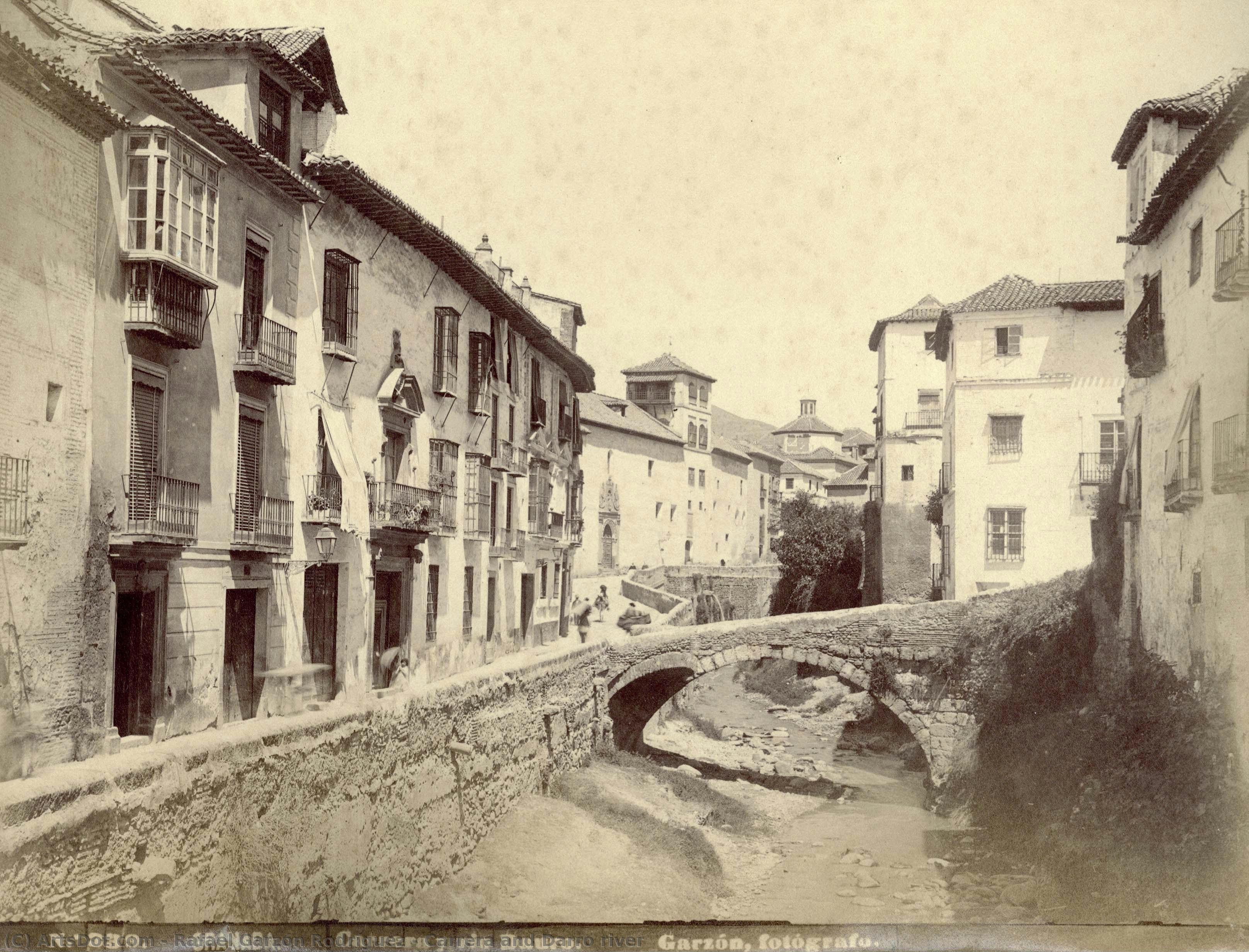
Carrera and Darro river
 Black and White Photography
- Photo
 1890
1890- 19th Century
 15.0 x 21.0 cm
 Museo Casa de los Tiros de Granada
 詳細を見る
詳細を見る
ジークレー/アートプリント
迅速な制作と多彩な仕上げオプションを備えた、ミュージアムクオリティのジークレーまたはキャンバスプリント。 ( 手描きの絵画を購入 画像を購入)




































作品のオリジナル比率に合わせた、当店の規定サイズからお選びください。

特定のフレームやスペースに合わせて、ご自身でサイズを指定することも可能です。選択されたサイズが元の画像の比率と一致しない場合、作品をトリミングするか、鏡面反射または単色での塗りつぶしによって画像を拡張いたします。制作を開始する前に、ご確認用のデジタルモックアップをお送りいたします。
画面上のプレビューには、実際のトリミングや拡張は反映されませんのでご注意ください。最終的な構図を正確に確認できるのは、モックアップのみとなります。
カスタムサイズも承っておりますが、元の比率を維持するためには、あらかじめ用意されたリストからサイズを選択することをお勧めいたします。


 ガラスオプションは、110cm未満のサイズでのみご利用いただけます。

Carrera and Darro river
ジークレー/アートプリント
複製画のサイズ
-


合計金額
$ 62
関連作品
アーティストの略歴
The Lens of Andalusia: The Life and Legacy of Rafael Garzón Rodríguez
In the golden twilight of the Belle Époque, a period defined by profound cultural shifts and an burgeoning fascination with the exotic, Rafael Garzón Rodríguez emerged as one of Spain’s most evocative visual chroniclers. Born in the historic heart of Granada in 1863, Garzón did not merely observe the landscapes of Andalusia; he sought to immortalize their very soul through the nascent medium of photography. His journey was one of profound artistic synthesis, blending a rigorous classical training with the technical precision required by the camera's eye. Before he ever pressed a shutter, his studies at the Escuela Superior de Diseño Industrial in Madrid provided him with a sophisticated understanding of drawing and engraving—skills that would later translate into a photographic style characterized by exceptional composition and an almost sculptural appreciation for light and shadow.
Garzón’s artistic identity was deeply rooted in the soil of southern Spain, yet his vision possessed a reach that extended far beyond its borders. As he established studios in the legendary cities of Granada, Córdoba, and Seville, he became much more than a local photographer; he became a custodian of Spanish heritage. His presence in the Alhambra was particularly transformative. Operating from a studio located within the palace walls itself—the Estudio fotográfico Hispano-árabe Casa del Califa—he occupied a unique vantage point that allowed him to capture the Moorish masterpiece with an intimacy few others could claim. Through his collaboration with fellow artist Charles Mauzaisse, Garzón produced stunning albumen prints that documented the intricate arabesque patterns and the ethereal play of light through the palace's arches, creating a visual record that remains indispensable to historians today.
A Mastery of Light, Landscape, and Portraiture
The brilliance of Garzón’s work lies in his ability to navigate between the grand scale of architectural documentation and the delicate nuance of human portraiture. While he is celebrated for his sweeping vistas of Andalusian monuments, his studio work in Seville and Granada revealed a different facet of his talent. In Seville, he famously curated a sumptuous Arabic-themed setting within his studio, an intentional theatricality designed to transport his subjects into a romanticized past. This approach allowed him to capture the portraits of the era's aristocracy and the burgeoning class of international travelers with a sense of timeless elegance.
His technical repertoire was as diverse as his subject matter, encompassing several key elements of his photographic output:
- Architectural Precision: His meticulous documentation of the Alhambra and the Mezquita of Córdoba utilized light to emphasize the structural grandeur and historical weight of these UNESCO World Heritage sites.
- Atmospheric Landscapes: Beyond stone and mortar, Garzón captured the movement of the Darro River and the historic street scenes of Granada, imbuing black and white landscapes with a sense of living history.
- Cultural Documentation: His photographs served as essential illustrations for works such as the Commercial Guide of Granada, bridging the gap between fine art and functional historical record.
- The Art of the Portrait: By blending staged scenery with naturalistic lighting, he created a bridge between the formal traditions of 19th-century painting and the modern era of photography.
Ultimately, the significance of Rafael Garzón Rodríguez transcends the mere preservation of images. He captured a vanishing world, documenting the transition of Andalusia from a collection of historic monuments into a global cultural icon. His work remains a poignant window into the late 19th and early 20th centuries, offering a gaze that is both deeply personal and profoundly historical. Through his lens, the light of the Andalusian sun continues to dance across the ancient stones of the Alhambra, ensuring that the visual splendor of his homeland remains eternally vibrant.
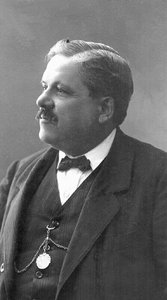
rafael garzón rodríguez
1863 - 1923 , Spain
基本情報
- Artistic Movement Or Style: Photography
- Artists Or Movements Influenced By This Artist: ['John Singer Sargent']
- Artists Who Influenced This Artist: ['Casiano Alguacil Blázquez']
- Date Of Birth: 1863 Granada Spain
- Date Of Death: 1923
- Full Name: Rafael Garzón Rodríguez
- Nationality: Spanish
- Notable Artworks:
- Carrera and Darro river
- Retablo (Altar) by F. de Borgoña
- Place Of Birth: Granada Spain
関連記事

White on Canvas: 10 Masterpieces & Timeless Elegance for Your Home Decor
Explore 10 iconic white paintings by Monet, Whistler & Rothko! Discover the stories behind these serene masterpieces and their impact on art history. Find museum-quality reproductions for your home decor at .

Monochrome Visions: Exploring the Aesthetic & Historical Significance of Black & White Photography
Explore the rich history & artistic power of black and white photography. From early techniques to iconic masters like Ansel Adams, discover why monochrome continues to captivate art lovers today. Expert insights for collectors.

Dark Masterpieces: 10 Iconic Paintings Dominated by Black Tones |
Explore 10 iconic paintings dominated by black tones, from Rembrandt’s chiaroscuro to Goya's dark expressions. Discover the stories behind these masterpieces & find museum-quality art reproductions for your home at .

Chromatic Absence: Exploring the Aesthetic Power of Black & White Art
Explore the captivating world of monochrome art! Discover its rich history, influential artists like Malevich & Klein, and profound emotional impact. Expert insights for collectors & design enthusiasts.
現代インテリアデザインにおける黒、白、グレー抽象の魔力:装飾と空間の深化
ホテルデザインに最適な黒、白、グレーの抽象画選びをサポート。色彩心理学に基づいた空間演出から、ArtsDot.comのカスタムアートまで、専門家が洗練されたインテリアを実現します。