

 プレビュー
プレビュー
 シェアする
シェアする シェアする
シェアする
 詳細を見る
詳細を見る

 ダウンロード
 似ている作品
 X線調査
X線調査 スライドショー
 Stats
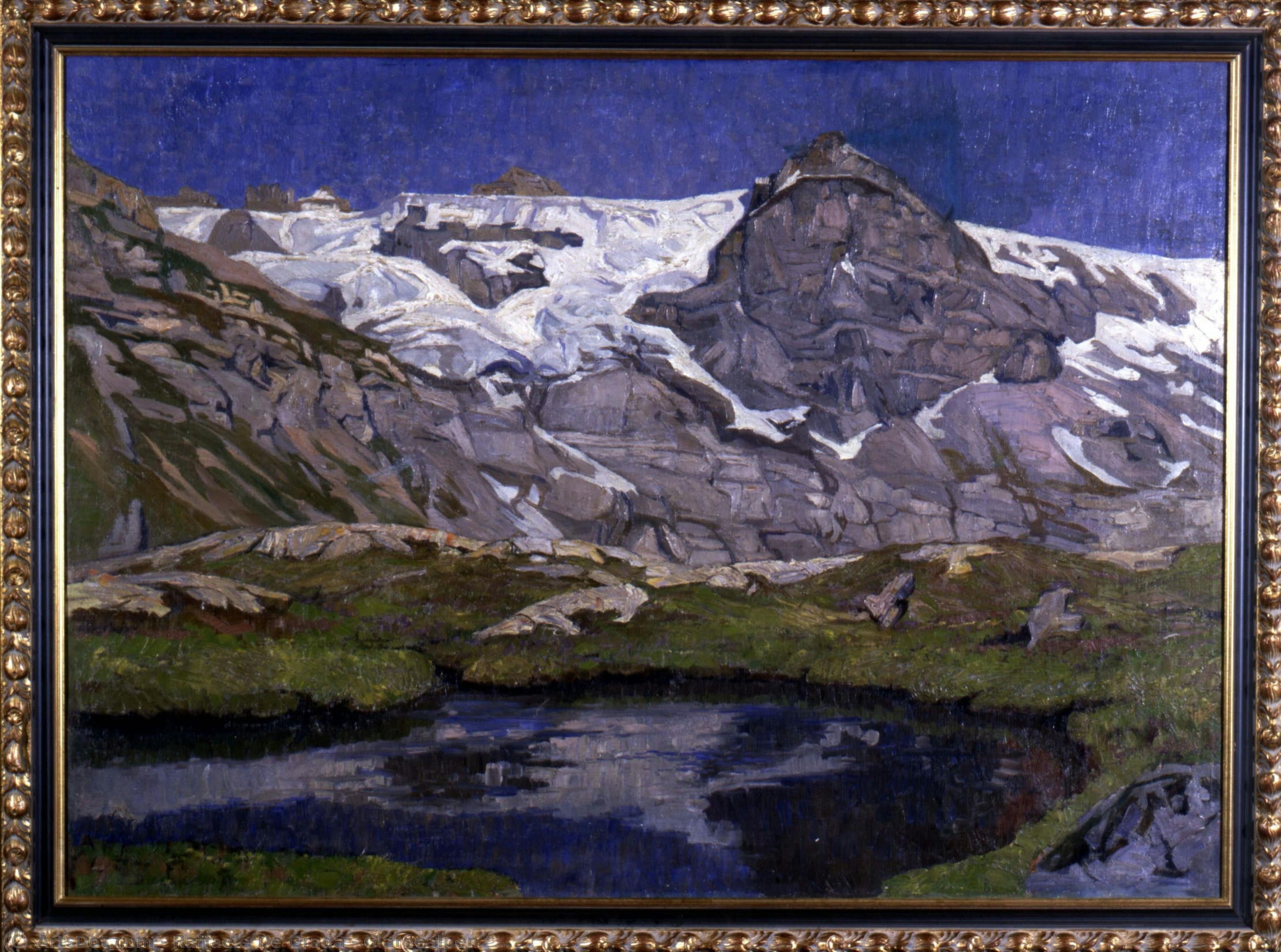
StatsGlarnealpen
 5.0 x 110.0 cm
 Fondazione Cariplo
 詳細を見る
詳細を見る
オンラインプレビューをはるかに凌ぐ、高解像度で鮮明なデジタル画像をご購入いただけます。
各ファイルは、社内の専門家が高度なツールと熟練した手作業によるレタッチを用いて、細心の注意を払って準備されています。すべての画像において、卓越した鮮明度、正確な色彩再現性、そして繊細なディテールを保証いたします。
最終ファイルは、プロフェッショナルな編集・印刷環境ですぐにご利用いただけるよう最適化された状態で、72時間以内にメールにてお届けいたします。これは、一流のデザインスタジオ、出版社、ギャラリーから信頼されているものと同等の品質です。
デジタルアート
個人での鑑賞、印刷、クリエイティブなプロジェクト用に、高解像度ファイルをダウンロードできます。 ( Switch to Print 手描きの絵画を購入)
デジタル画像のご注文に付随する特典
高品質なデジタル画像配信を、確かな品質で。
ArtsDot.com を選ぶことは、単に画像を手に入れることではありません。それは、プロの手によって精密に仕上げられ、満足保証が付いた高品質なデジタルアートワークを受け取ることを意味します。ご注文いただいた際に自動的に付随する内容は、以下の通りです:

メールですぐにお届け
ご注文から72時間以内に、高解像度のデジタル画像ファイルがメールでお手元に届きます。すぐにそのままご利用いただけます。

AI技術で最適化されたデジタルファイル
お客様の作品は、高度なAIツールと専門家による手作業の編集を組み合わせてプロフェッショナルに最適化されており、細部のディテール、鮮明さ、そして正確な色再現性を最大限に引き出しています。

一生涯無料の再送サービス
ファイルを誤って削除したり、紛失してしまったりしましたか?ご安心ください。いつでも無料で再送いたします。

輸入手数料は一切かかりません
関税や手数料、配送料を気にすることなく、お気に入りのアートワークをすぐにお楽しみいただけます。デジタルダウンロードは常に免税です。

色彩再現の保証
プロ仕様のツールとカラーマネジメント技術を用いることで、デジタル画像が元の色を最大限に忠実に再現することを保証いたします。

100日間満足保証
ご購入いただいたデジタル画像にご満足いただけない場合は、100日以内であれば、理由を問わず修正または100%の返金対応をさせていただきます。

100% 返金保証
ご満足いただけない場合は、デジタルファイルを受け取ってから100日以内であれば、理由を問わず全額返金いたします。

まとめ買い割引
3枚購入で10%OFF - 5枚購入で15%OFF - 10枚以上購入で20%OFF。クリエイティブなプロジェクト、ギャラリー、エージェンシーに最適です。
関連作品







作家の略歴
Raffaele De Grada: A Tuscan Visionary Bridging Swiss Secession and Italian Landscape
Raffaele De Grada (1885-1957) emerged from the vibrant artistic landscape of Milan, Italy, as a painter deeply influenced by both the burgeoning modernism of Switzerland and the rich traditions of his homeland. His journey, marked by early training in Argentina and Zurich, ultimately culminated in a distinctive style characterized by bold color palettes, dramatic light effects, and evocative depictions of the Tuscan countryside – a subject that would become synonymous with his name. De Grada’s career spanned several decades, witnessing significant shifts within the art world and solidifying his place as a key figure in the early 20th-century Italian art scene.Early Life and Artistic Foundations
Born in Milan in 1885, Raffaele De Grada's artistic path began with an unconventional start. His father, a skilled decorator, provided initial instruction in Argentina before the family relocated to Zurich in 1899. This early exposure to diverse artistic practices – from decorative arts to the nascent influences of European modernism – laid the groundwork for his future development. He subsequently enrolled in the academies of Dresden and Karlsruhe between 1902 and 1905, immersing himself in classical techniques while simultaneously absorbing the stylistic innovations of the period. These formative years instilled a rigorous artistic discipline balanced with an openness to experimentation, a crucial combination that would define his later work. The Swiss Secession movement, with its emphasis on individualism, decorative elements, and a rejection of academic constraints, exerted a particularly strong influence during this time, shaping his approach to composition and color.The Influence of the Swiss Secession and Early Success
De Grada’s artistic trajectory truly took shape following his relocation to Switzerland and his engagement with the Swiss Secession movement. This influential group championed a fresh aesthetic, prioritizing emotional expression and innovative design over traditional academic standards. De Grada embraced this spirit, incorporating bold color choices and dynamic compositions into his landscapes. His early works began to gain recognition for their striking visual impact, particularly in depictions of the Alps – notably exemplified by “Glarnealpen,” a piece that showcases his masterful use of light and shadow to capture the grandeur of the mountainous terrain. This period established him as a rising star within the Swiss art community, demonstrating an ability to synthesize classical training with modern sensibilities.Tuscan Landscapes and Novecento Italiano
Following World War I, De Grada moved to San Gimignano in Tuscany, a region that would become the central focus of his artistic output for decades to come. The rolling hills, cypress trees, and sun-drenched villages of this area provided an endless source of inspiration. He meticulously captured the essence of the Tuscan landscape – its dramatic light, earthy tones, and timeless beauty – creating paintings that are both intensely personal and universally appealing. De Grada’s work aligned perfectly with the *Novecento Italiano* movement, a group of artists who sought to revive Italian artistic traditions while embracing modern techniques. He participated in their two Milanese exhibitions in 1926 and 1929, solidifying his position within this influential circle. His paintings during this time are characterized by a sense of serenity and nostalgia, reflecting a deep connection to the land and its history.Legacy and Artistic Significance
Raffaele De Grada’s legacy extends beyond his individual works; he represents a pivotal moment in Italian landscape painting. He skillfully blended the rigorous training of his early years with the expressive freedom championed by the Swiss Secession, resulting in a unique visual language that resonated deeply with viewers. His paintings are not merely representations of scenery but rather imbued with emotion and atmosphere – capturing the spirit of Tuscany and offering a glimpse into the artist’s own soul. His association with the Silvano Lodi collection and his role as an instructor at the Monza School of Art further cemented his importance within the Italian art community. De Grada's work continues to be exhibited and appreciated for its beauty, technical skill, and evocative power, ensuring that this Tuscan visionary remains a significant figure in 20th-century art history.Notable Works
- Glarnealpen: A quintessential example of De Grada’s mastery of light and shadow, capturing the majesty of the Swiss Alps. (Available at ArtsDot)
- San Gimignano: A vibrant depiction of the iconic Tuscan town, showcasing De Grada’s ability to convey both architectural detail and atmospheric mood.
- Various Tuscan Landscapes: Numerous paintings depicting the rolling hills, vineyards, and villages of Tuscany, each imbued with a sense of timeless beauty. (Explore more at ArtsDot)
Further Resources
- Wikipedia: https://en.wikipedia.org/wiki/Raffaele_De_Grada
- Invaluable.com: https://www.invaluable.com/artist/degrada-raffaele-vrnh4jaboz/
- Wikimedia Commons: https://commons.wikimedia.org/wiki/Category:Raffaele_De_Grada_(painter)
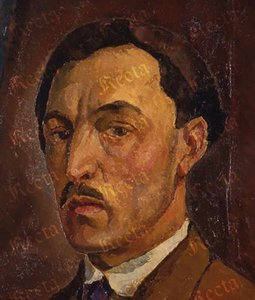
Raffaele De Grada
1885 - 1957 , Italy
プロフィール概要
- Artistic Movement Or Style: Swiss Secession
- Artists Who Influenced This Artist: ['None],\n "Artists or movements influenced by this artist": [None']
- Date Of Birth: 1885-03-02
- Date Of Death: 1957-04-10
- Full Name: Raffaele De Grada
- Nationality: Italian
- Notable Artworks:
- Glarnealpen
- San Gimignano
- Place Of Birth: Milan, Italy