

 プレビュー
プレビュー
 シェアする
シェアする シェアする
シェアする
 詳細を見る
詳細を見る

 ダウンロード
 似ている作品
 X線調査
X線調査 スライドショー
 統計情報
統計情報The Adoration of the Magi
 Oil On Canvas
- WallArt
- Renaissance
 1495
1495- Renaissance
 104.0 x 104.0 cm
 Art Institute of Chicago
 詳細を見る
詳細を見る
手描き油彩複製画
当社のアーティストが、お客様のご希望のサイズと額縁に合わせて、キャンバスに手描きで制作する油彩画です。 ( プリント版に切り替え デジタル画像販売へ切り替え)




P118B $10

P118H $10

P118W $10

P438Z $10

P508JH $12

P508YH $12

P805H $10

P805Z $10

P919BZ $10

P919G $10

P919XJ $10

P959ZH $10

P968JZ $12

W106C $8

W218G $10

W218JH $8

W218Y $10

W307PJ $10

W316G $10

W316PJ $8

W316Y $10

W398PJ $8

W4111J $10

W500HY $15

W500JH $15

W692G $12

W849H $8

W940BG $15

W953PJ $8




作品のオリジナル比率に合わせた、当店の規定サイズからお選びください。

特定のフレームやスペースに合わせて、ご希望のサイズをご入力いただけます。選択されたサイズが元の画像の比率と異なる場合、アートワークをトリミングするか、手描きで要素を追加して絵画を拡張いたします。デジタルモックアップ を制作し、制作開始前にご確認(承認)をいただきます。
画面上のプレビューは、実際のトリミングや拡張を正確に反映しているものではありません。最終的な構図は、モックアップによってのみ正確にご確認いただけます。
カスタムサイズもご利用いただけますが、元の比率を維持するためには、あらかじめ用意されたリストからサイズを選択することをお勧めいたします。
ご注文後、ArtsDot.com チームより詳細な指示をお送りするとともに、仕上がりイメージ(モックアップ)をご提供いたします。


 ガラスオプションは、110cm未満のサイズでのみご利用いただけます。

The Adoration of the Magi
複製技法
複製画のサイズ
-


合計金額
$ 263
The Divine Encounter: An Examination of The Adoration of the Magi
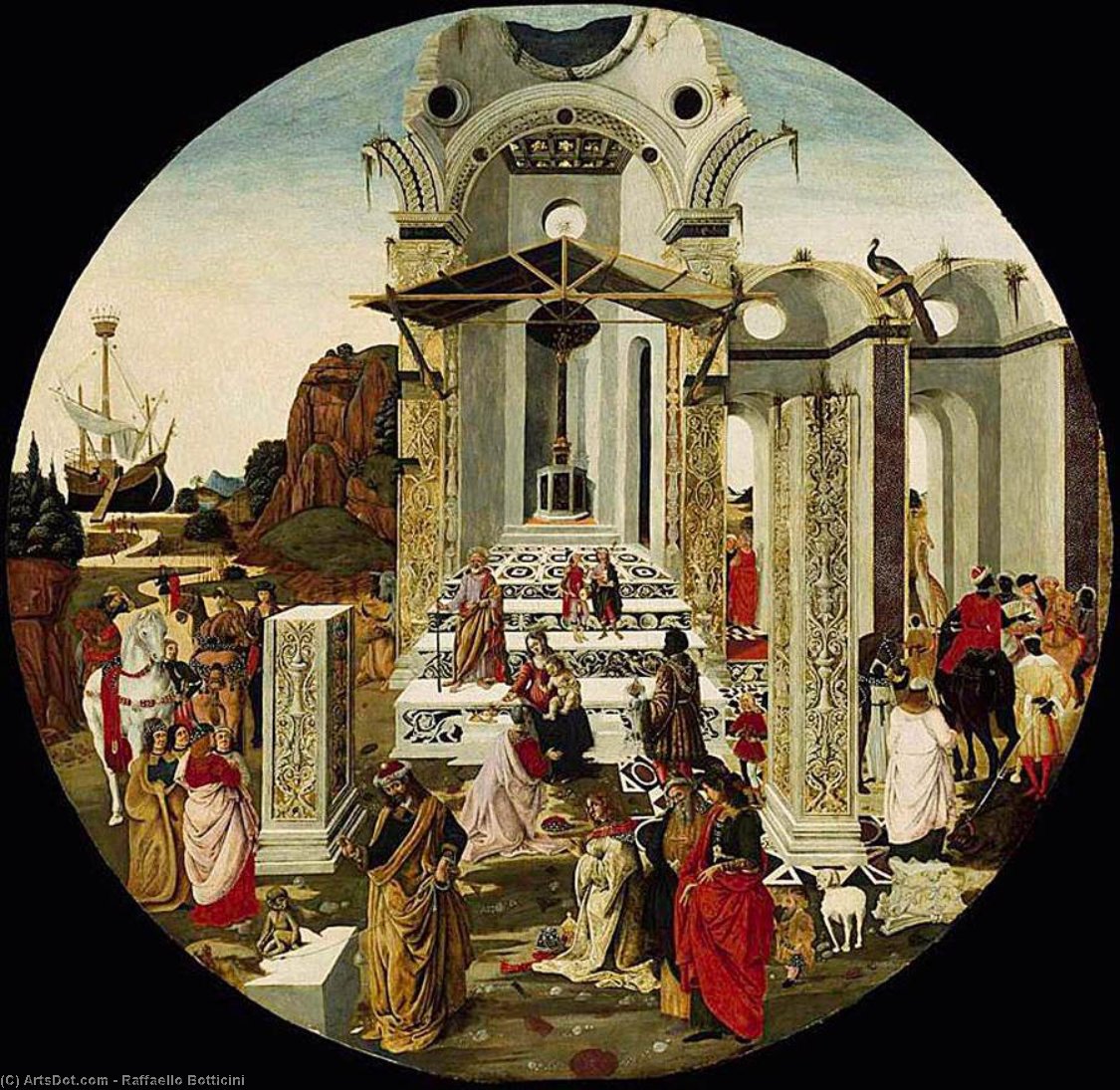
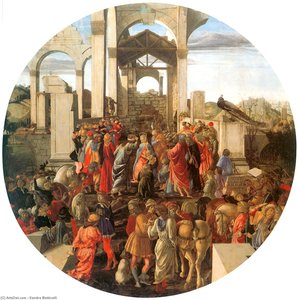
To stand before this magnificent depiction of The Adoration of the Magi is to step directly into the heart of Renaissance devotion. Raffaello Botticini, in this masterful composition from 1495, has captured not merely a historical event, but a profound moment of spiritual epiphany. The scene unfolds with an almost palpable sense of reverence; three wise men, emissaries from distant lands, kneel before the divine infant Jesus. Their presence is monumental, yet their gestures are imbued with exquisite humility. Botticini’s genius lies in his ability to balance the grandeur of the setting—suggested by the imposing architecture and decorative columns visible in the background—with the intimate tenderness of the central figures.
Mastery of Renaissance Detail and Composition
The technical brilliance on display here is breathtaking. Botticini employs a meticulous attention to detail that characterizes the height of Florentine painting. Observe the interplay between the richly draped garments of the Magi, each fold suggesting weight and status, contrasting beautifully with the softer textures surrounding the Holy Family. The composition itself is an intricate tapestry; it guides the viewer's eye naturally from the peripheral figures toward the luminous center where the adoration takes place. Even the inclusion of a seemingly incidental element, such as the dog resting quietly on the right side, adds a layer of lived reality and narrative grounding to what is otherwise a sacred tableau. The depth achieved through these architectural elements gives the painting an almost three-dimensional presence.
Symbolism and Spiritual Resonance
Beyond the surface beauty lies a rich vein of symbolism that has captivated art lovers for centuries. The Adoration itself speaks to the universal recognition of divinity—the moment when earthly wisdom bows before heavenly truth. Each wise man represents a culture, a philosophy, or even a season, bringing gifts that symbolize profound virtues: gold for kingship, frankincense for divinity, and myrrh for mortality. Botticini frames this exchange within a setting that speaks to established religious tradition, yet the emotional charge feels intensely personal. It invites contemplation on what we ourselves bring as our most precious offerings in life.
An Echo of Florentine Devotion
Botticini’s biography paints him as a master deeply rooted in the spiritual currents of Florence during its golden age. His work is not merely decorative; it is devotional art, crafted to inspire piety and contemplation. When considering a reproduction of this piece for your home or collection, one acquires more than just an image—one acquires a tangible connection to the artistic fervor and deep faith of the late Quattrocento masters. The rich narrative quality ensures that whether viewed in a grand hall or a quiet study, it commands attention while simultaneously inviting moments of hushed reflection.
関連作品
アーティストの略歴
Raffaello Botticini: A Florentine Master of Religious Devotion
Raffaello Botticini remains an enigmatic figure in the annals of Renaissance art, shrouded in mystery despite producing a remarkable body of work that speaks volumes about his artistic vision and the spiritual climate of Florence during its golden age. Born around 1477 in the vibrant heart of Florence—likely the son of Francesco Botticini, himself a prolific painter—little is definitively known about Botticini’s personal life beyond documented references to his family’s workshop. This scarcity of biographical information compels us to reconstruct his artistic journey primarily through the examination of his paintings themselves, which stand as testament to his exceptional talent and unwavering commitment to portraying biblical narratives with profound emotional depth and meticulous detail.Early Influences and the Florentine Tradition
Botticini’s formative years were spent under the tutende of his father, Francesco, who established a workshop renowned for its production of altarpieces and devotional panels. This apprenticeship instilled in Botticini a mastery of Florentine painting techniques—particularly those championed by Domenico Ghirlandaio and Bastiano Mainardi—whose stylistic innovations would permeate Botticini’s oeuvre. The influence of Piero della Francesca's geometric precision and humanist ideals is also palpable, shaping Botticini’s compositional choices and contributing to the serene grandeur characteristic of his works. Through this lineage, he inherited a tradition that balanced the rigorous anatomical accuracy of the Florentine school with a profound sense of spiritual grace.Artistic Maturity and Monumental Achievements
A pivotal moment in Botticini’s artistic development arrived with the commission for the Tabernacle of the Sacrament at Sant’Andrea della Pergola Cathedral in Empoli, undertaken around 1484. This ambitious project—completed in 1491—marked a decisive step away from his father's workshop style and signaled Botticini’s emergence as an independent artist capable of tackling monumental commissions with confidence and creativity. The Tabernacle exemplifies Botticini’s mastery, showcasing his ability to weave complex theological themes into visually arresting compositions. His later works, such as the breathtaking The Adoration of the Magi, demonstrate a refined ability to capture the divine within the human experience. In this masterpiece, the depiction of Jesus Christ surrounded by wise men and angels serves as a stunning testament to Renaissance artistry and devotion. His technique often utilized:- Luminous Color Palettes: Creating a sense of heavenly light that illuminates sacred figures.
- Intricate Detail: Meticulous rendering of fabrics, jewelry, and architectural elements to ground the divine in reality.
- Emotional Resonance: A focus on the tender expressions of the Madonna and Child to evoke empathy from the viewer.
Legacy and Historical Significance
Though his life ended around 1520, leaving behind a legacy that is as much defined by what is lost to history as by what remains, Raffaello Botticini’s impact on the Florentine Renaissance is undeniable. He bridged the gap between the rigid workshop traditions of the mid-15th century and the more fluid, emotive styles that would define the High Renaissance. By blending the structural discipline of his predecessors with a unique sensitivity to religious narrative, he helped shape the visual language of devotion for generations of Italian worshippers. His works continue to serve as vital windows into the soul of Florence, reflecting an era where art and faith were inextricably intertwined.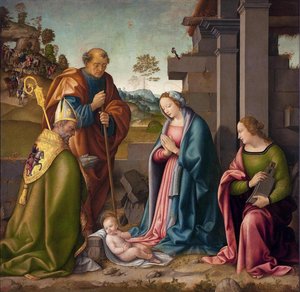
Raffaello Botticini
1477 - 1520 , Italy
基本情報
- Artistic Movement Or Style: Renaissance Painting
- Artists Or Movements Influenced By This Artist:
- Renaissance Art
- Early Renaissance Painting
- Artists Who Influenced This Artist:
- Domenico Ghirlandaio
- Bastiano Mainardi
- Andrea della Robbia
- Donatello
- Filippo Lippi
- Antonio Rossellino
- Date Of Birth: Florence, Italy (1477)
- Date Of Death: 1520
- Full Name: Raffaello Botticini
- Nationality: Italian
- Notable Artworks:
- The Adoration of the Magi
- Scenes from the Life of Saint John the Baptist
- Virgin and Child with Two Angels
- Madonna and Child
- The Crucifixion
- Upper Part of a Tabernacle for the Holy Sacrament
- Papal Medal of Innocent VIII
- Place Of Birth: Florence
関連記事
Sacred Narratives on Canvas: Exploring Religious Painting Through History
Explore the rich history of religious painting with ArtsDot.com! Discover iconic artworks, symbolism & techniques from antiquity to the Renaissance. Enhance your art appreciation today.
Sacred Narratives on Canvas: Exploring Religious Scenes & Their Enduring Influence
Explore the rich history of religious art from Giotto to the Renaissance masters with ArtsDot. Discover symbolism, techniques & enduring legacies. Museum-quality reproductions available.
Sacred Narratives on Canvas: Exploring Biblical Art Across Centuries
Explore the rich history of biblical art from Giotto to the Renaissance masters. Discover symbolism, techniques & enduring legacies with ArtsDot – your source for museum-quality reproductions and expert art insights.

Illuminating Faith: Biblical Narrative & Artistic Expression Through the Ages
Explore the rich history of biblical art from Giotto to the Renaissance masters with ArtsDot. Discover symbolism, techniques & enduring legacies. Museum-quality reproductions & expert insights.
Sacred Narratives Embodied: A Comprehensive Exploration of Religious Iconography in Art History
Explore the rich history of religious iconography in art! Discover symbolism, movements & masterpieces from Byzantine to Renaissance periods. Expert insights for collectors and enthusiasts at ArtsDot.