

 プレビュー
プレビュー
 プリントを購入
 シェアする
シェアする シェアする
シェアする
 詳細を見る
詳細を見る

 ダウンロード
 似ている作品
 X線調査
X線調査 スライドショー
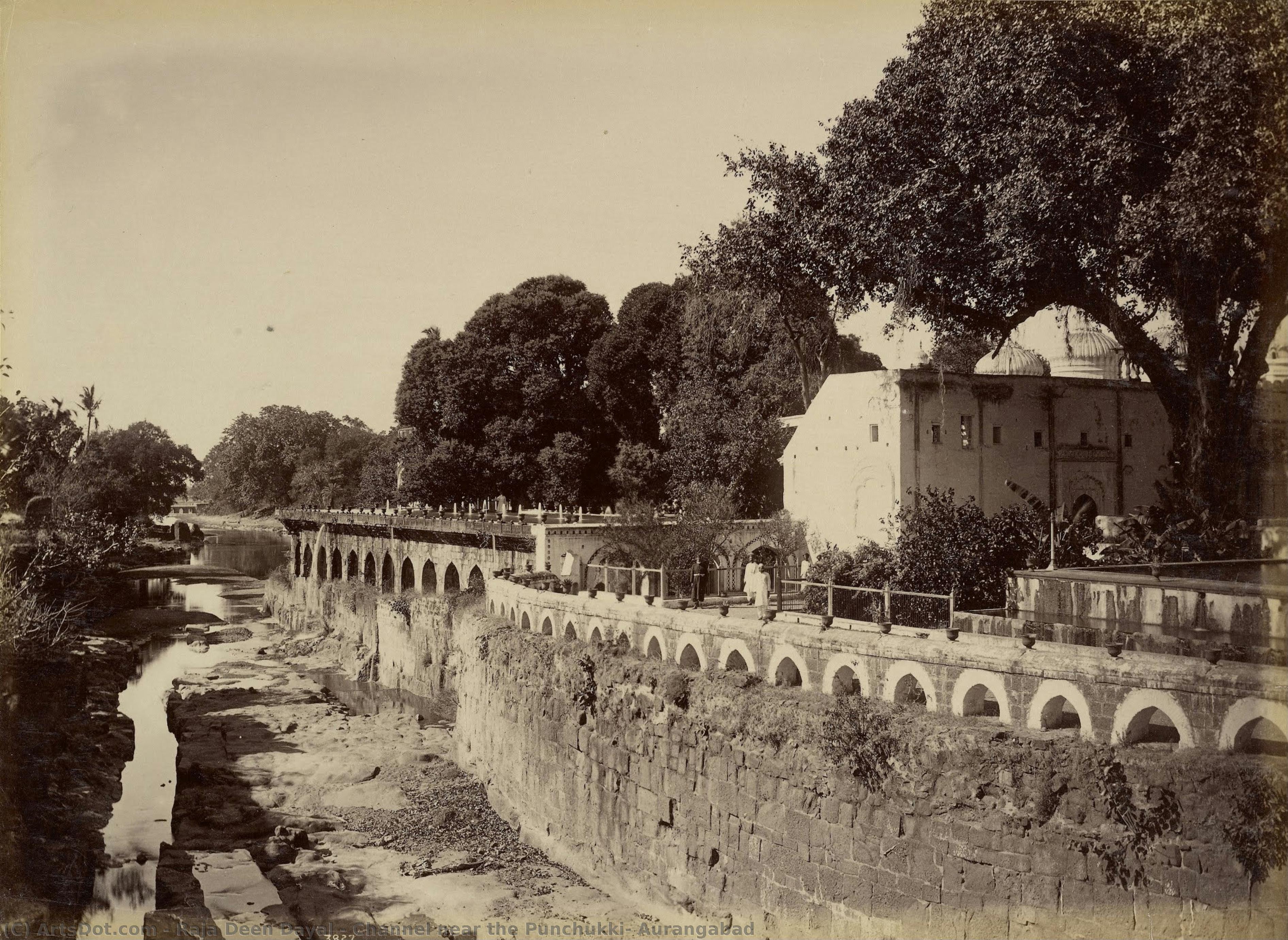
Channel near the Punchukki, Aurangabad
 Acrylic On Canvas
- WallArt
- Documentary Photography
 1888
1888 19.0 x 26.0 cm
 J・ポール・ゲティ美術館
 詳細を見る
詳細を見る
オンラインプレビューをはるかに凌ぐ、高解像度で鮮明なデジタル画像をご購入いただけます。
各ファイルは、社内の専門家が高度なツールと熟練した手作業によるレタッチを用いて、細心の注意を払って準備されています。すべての画像において、卓越した鮮明度、正確な色彩再現性、そして繊細なディテールを保証いたします。
最終ファイルは、プロフェッショナルな編集・印刷環境ですぐにご利用いただけるよう最適化された状態で、72時間以内にメールにてお届けいたします。これは、一流のデザインスタジオ、出版社、ギャラリーから信頼されているものと同等の品質です。
デジタル画像のご注文に付随する特典
高品質なデジタル画像配信を、確かな品質で。
ArtsDot.com を選ぶことは、単に画像を手に入れることではありません。それは、プロの手によって精密に仕上げられ、満足保証が付いた高品質なデジタルアートワークを受け取ることを意味します。ご注文いただいた際に自動的に付随する内容は、以下の通りです:

メールですぐにお届け
ご注文から72時間以内に、高解像度のデジタル画像ファイルがメールでお手元に届きます。すぐにそのままご利用いただけます。

AI技術で最適化されたデジタルファイル
お客様の作品は、高度なAIツールと専門家による手作業の編集を組み合わせてプロフェッショナルに最適化されており、細部のディテール、鮮明さ、そして正確な色再現性を最大限に引き出しています。

一生涯無料の再送サービス
ファイルを誤って削除したり、紛失してしまったりしましたか?ご安心ください。いつでも無料で再送いたします。

輸入手数料は一切かかりません
関税や手数料、配送料を気にすることなく、お気に入りのアートワークをすぐにお楽しみいただけます。デジタルダウンロードは常に免税です。

色彩再現の保証
プロ仕様のツールとカラーマネジメント技術を用いることで、デジタル画像が元の色を最大限に忠実に再現することを保証いたします。

60日間満足保証
ご購入いただいたデジタル画像にご満足いただけない場合は、60日以内であれば、修正または100%の返金(理由を問う必要はありません)をさせていただきます。

100% 返金保証
ご満足いただけない場合は、デジタルファイルを受け取ってから60日以内であれば、理由を問わず全額返金いたします。

まとめ買い割引
3枚購入で10%OFF - 5枚購入で15%OFF - 10枚以上購入で20%OFF。クリエイティブなプロジェクト、ギャラリー、エージェンシーに最適です。
作品の詳細
A Serene Reflection: Raja Deen Dayal’s Channel Near the Punchukki
Raja Deen Dayal's "Channel near the Punchukki, Aurangabad" isn’t merely a photograph; it’s a portal to 19th-century India. Captured in 1888, this sepia-toned image offers a remarkably intimate glimpse into the heart of Mughal architecture and its harmonious integration with the natural world. The scene unfolds along the banks of the Punchukki River, a vital waterway that once pulsed through Aurangabad’s lifeblood – a testament to the city's strategic importance as a trade route and administrative center. The photograph immediately draws the eye towards an arched corridor, meticulously constructed from weathered stone pillars, leading toward a grand building crowned with a delicate dome. This architectural sequence speaks volumes about the power and sophistication of Mughal design, a legacy deeply rooted in Persian influences but uniquely Indian in its execution.
- Composition: The linear perspective expertly guides the viewer’s gaze along the corridor, creating a sense of depth and inviting exploration.
- Light & Shadow: The diffused lighting lends an ethereal quality to the scene, softening the textures of the stone and foliage while subtly highlighting the architectural details.
- Color Palette: The muted tones of sepia evoke a timelessness, transporting us back to a bygone era and emphasizing the image’s historical significance.
The Photographer's Eye: Raja Deen Dayal’s Technique
Raja Deen Dayal was more than just a photographer; he was a meticulous craftsman who mastered the art of albumen printing – a process that demanded precision and sensitivity. This particular image, likely a calotype or similar early photographic process, showcases his skill in capturing subtle tonal variations and preserving intricate details. Note the remarkable clarity with which the stone textures are rendered, the delicate reflections shimmering on the water’s surface, and the way he has captured the movement of the foliage along the riverbank. His dedication to detail is evident in every element, a testament to his commitment to documenting India's rich heritage.
Deen Dayal’s career was marked by royal patronage – he served as court photographer to the Nizam of Hyderabad and even received a Royal Warrant from Queen Victoria. This association with royalty underscores the prestige and artistic merit of his work, solidifying his place as one of India's pioneering photographers.
Symbolism & Historical Context
The “Channel near the Punchukki” transcends its literal depiction to embody a deeper symbolic meaning. The waterway itself represents lifeblood – sustenance, trade, and connection. The meticulously constructed corridor symbolizes order, power, and the control exerted by the Mughal rulers over their domain. The juxtaposition of the man-made architecture with the natural landscape speaks to the Mughal ideal of *jadu’ al-hind*—the blending of Islamic and Indian aesthetics. This harmonious integration reflects a sophisticated understanding of both cultures and a desire to create a space where beauty, power, and nature coexist in perfect balance.
Aurangabad itself holds significant historical weight. Once the capital of the Mughal Empire under Aurangzeb, it was a crucial strategic location during the 17th and 18th centuries. The photograph offers a rare visual record of this vibrant city at a pivotal moment in its history – a time when it served as both a center of imperial power and a gateway to the riches of the Deccan.
A Timeless Masterpiece for Your Space
Reproductions of “Channel near the Punchukki, Aurangabad” offer an exceptional opportunity to bring this captivating image into your home or office. Its serene beauty and historical significance make it a perfect addition to any collection of fine art. The photograph’s rich textures and subtle tonal variations translate beautifully to high-quality prints, allowing you to appreciate Deen Dayal's artistry in full detail. Consider framing the print in a classic wooden frame to further enhance its timeless appeal – a reminder of India’s glorious past and the enduring legacy of Raja Deen Dayal.
関連作品

作家の略歴
early life and training
raja deen dayal, also known as lala deen dayal, was an indian photographer born in sardhana, india in 1844. he died in 1905. trained as an engineer at thomason college of civil engineering at roorkee, dayal began his career in photography in the mid-1870s.career highlights
- established studios in indore, mumbai, and hyderabad, becoming the court photographer to the sixth nizam of hyderabad, mahbub ali khan, asif jah vi.
- appointed as the photographer to the viceroy of india in 1885.
- received the royal warrant from queen victoria in 1897.
notable works and collections
dayal's photographs are known for their capture of indian temples, palaces, and monuments, as well as portraits of indian rulers and british officials. some notable works include:- moosi river, hyderabad (j. paul getty museum, los angeles, united states), showcasing his skill in capturing the essence of indian landscapes.
- channel near the punchukki, aurangabad (j. paul getty museum, los angeles, united states), highlighting his ability to frame the beauty of indian architecture.
museums and collections featuring raja deen dayal's work
- j. paul getty museum (los angeles, united states)
- indira gandhi national centre for the arts (new delhi, india)
- peabody essex museum (united states)
- alkazi collection (delhi, india)
legacy and impact
raja deen dayal's contributions to indian photography are undeniable. his work not only captured the essence of india's architectural and cultural heritage but also paved the way for future generations of photographers. view more works by raja deen dayal on ArtsDot: https://ArtsDot.com/@/raja-deen-dayal explore indian art and photography on ArtsDot: /en/art/show/art-d3c8xr-en/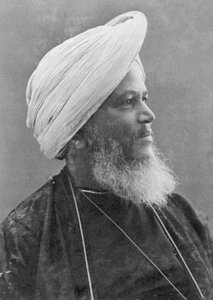
raja deen dayal
1844 - 1905 , India
プロフィール概要
- Artistic Movement Or Style: Photography (Court)
- Artists Or Movements Influenced By This Artist: ['British Raj Art']
- Artists Who Influenced This Artist: ['Thomason College']
- Date Of Birth: 1844
- Date Of Death: 1905
- Full Name: Raja Deen Dayal / Lala Deen Dayal
- Nationality: Indian
- Notable Artworks:
- Moosi River
- Channel Aurangabad
- Objects Everyday Use
- Place Of Birth: Sardhana, India

