

 プレビュー
プレビュー
 シェアする
シェアする シェアする
シェアする
 詳細を見る
詳細を見る

 ダウンロード
 似ている作品
 X線調査
X線調査 スライドショー
 統計情報
統計情報The Gypsies Of South India


 詳細を見る
詳細を見る
ジークレー/アートプリント
迅速な制作と多彩な仕上げオプションを備えた、ミュージアムクオリティのジークレーまたはキャンバスプリント。 ( 手描きの絵画を購入 デジタル画像販売へ切り替え)




P118B $10

P118H $10

P118W $10

P438Z $10

P508JH $12

P508YH $12

P805H $10

P805Z $10

P919BZ $10

P919G $10

P919XJ $10

P959ZH $10

P968JZ $12

W106C $8

W218G $10

W218JH $8

W218Y $10

W307PJ $10

W316G $10

W316PJ $8

W316Y $10

W398PJ $8

W4111J $10

W500HY $15

W500JH $15

W692G $12

W849H $8

W940BG $15

W953PJ $8




作品のオリジナル比率に合わせた、当店の規定サイズからお選びください。

特定のフレームやスペースに合わせて、ご自身でサイズを指定することも可能です。選択されたサイズが元の画像の比率と一致しない場合、作品をトリミングするか、鏡面反射または単色での塗りつぶしによって画像を拡張いたします。制作を開始する前に、ご確認用のデジタルモックアップをお送りいたします。
画面上のプレビューには、実際のトリミングや拡張は反映されませんのでご注意ください。最終的な構図を正確に確認できるのは、モックアップのみとなります。
カスタムサイズも承っておりますが、元の比率を維持するためには、あらかじめ用意されたリストからサイズを選択することをお勧めいたします。


 ガラスオプションは、110cm未満のサイズでのみご利用いただけます。

The Gypsies Of South India
ジークレー/アートプリント
複製画のサイズ
-


合計金額
$ 62
A Poignant Glimpse into the Soul of India
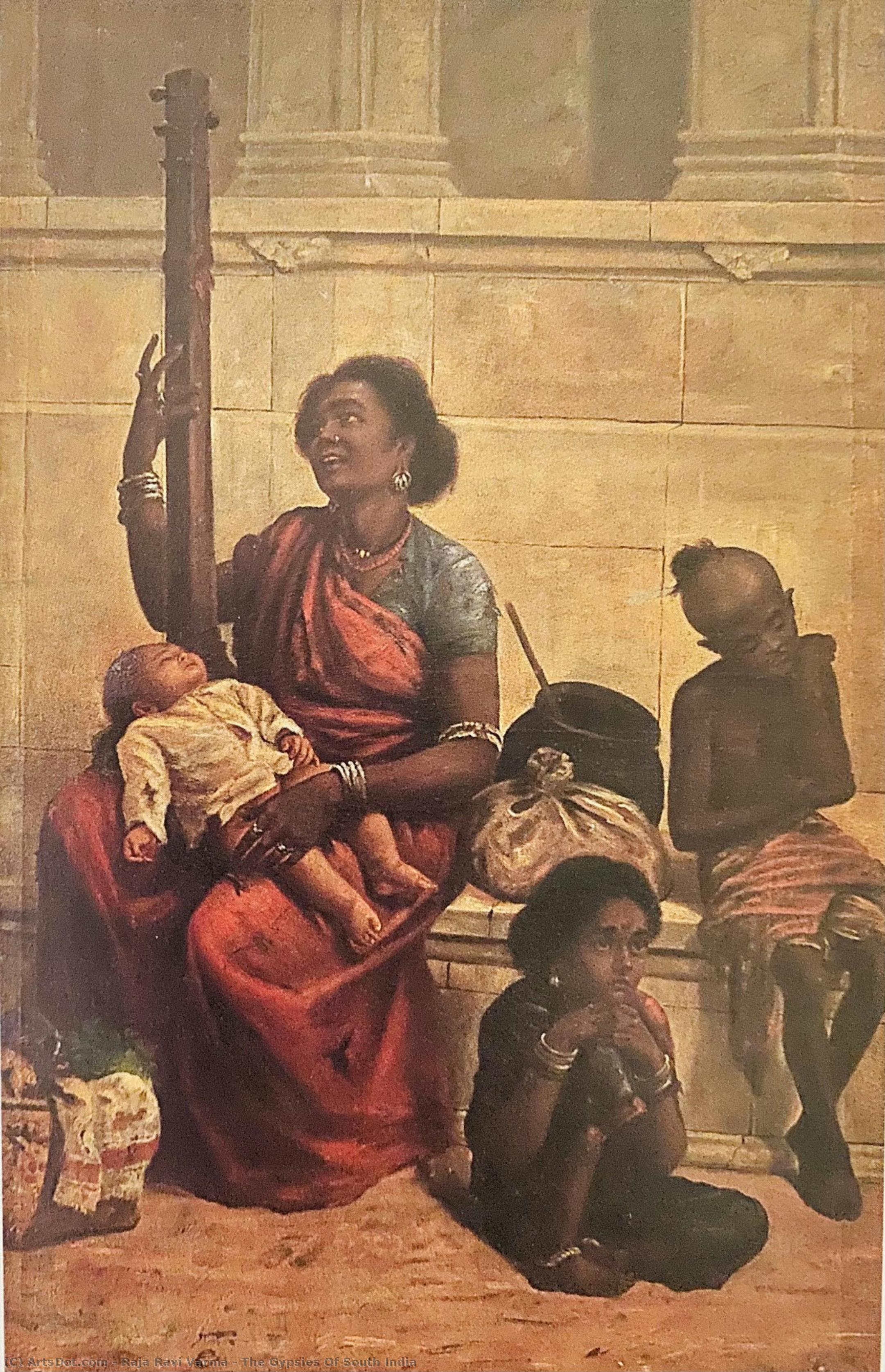
In the vast and storied oeuvre of Raja Ravi Varma, few works resonate with such raw, unvarnished humanity as The Gypsies Of South India. Created around 1893, this masterpiece was one of the ten significant paintings selected to represent Indian artistry at the International Columbian Exposition in Chicago. While many of Varma’s contemporaries focused on the ethereal beauty of deities or the opulent splendor of royal courts, this particular work—often referred to by the somber title Poverty—turns its gaze toward the marginalized. It is a profound study of resilience, capturing a moment of quiet existence amidst the harsh realities of life under the relentless Indian sun.
The composition centers on a woman of striking presence, her skin deepened by perpetual exposure to the elements, serving as a visual testament to her way of life. She sits upon the earth, cradling two infants with a maternal tenderness that transcends her difficult circumstances. The arrangement of the figures creates an intimate, triangular stability, drawing the viewer’s eye into the protective circle of her arms. Beside her rests a musical instrument, perhaps a violin or guitar, hinting at a life where melody and song serve as both a means of sustenance through begging and a spiritual refuge from the heat and hunger of the day.
Mastery of Light and Academic Realism
Technically, this painting showcases Varma’s unparalleled ability to fuse European academic realism with Indian sensibilities. He employs a sophisticated use of light and shadow—chiaroscuro—to sculpt the forms of the woman and her children, giving them a tactile, three-dimensional quality that feels almost lifelike. The way the sunlight interacts with the textures of their traditional clothing and the weathered skin of the mother creates a sensory experience for the observer; one can almost feel the warmth of the sun and the dry dust of the landscape.
The artist’s palette is deliberate and evocative, utilizing earthy tones that ground the subject in its natural environment. Unlike his more famous depictions of light-skinned, aristocratic beauties, Varma uses a darker, richer tonal range here to honor the dignity of the underprivileged. This stylistic choice is not merely aesthetic but deeply symbolic, elevating the subjects from mere figures of pity to icons of strength and endurance. For the discerning collector or interior designer, this piece offers a profound narrative depth that transcends simple decoration.
An Enduring Legacy for Modern Spaces
For those looking to curate a collection or design an interior space with soul, The Gypsies Of South India provides an unparalleled emotional anchor. It is a work that invites contemplation and conversation, offering a window into a historical epoch of India that was both beautiful and brutal. The painting does not shy away from the struggle of the human condition, yet it celebrates the unbreakable bond of family and the persistence of the human spirit.
Integrating a high-quality reproduction of this work into a home or gallery allows for the infusion of historical gravity and artistic prestige. Whether placed in a quiet study or as a focal point in a grand living area, the painting’s rich textures and emotive power command attention. It serves as a reminder that true art does not only capture beauty, but also captures truth, making it an essential acquisition for anyone dedicated to the preservation of cultural heritage and the appreciation of fine classical painting.
関連作品
アーティストの略歴
王族の筆致:ラジャ・ラヴィ・ヴァルマと近代インド絵画の夜明け
インドにおいて芸術的革新を響かせる名前、ラジャ・ラヴィ・ヴァルマは、19世紀半ばにケーララ州キリマヌール宮殿の王族の血筋から生まれました。1848年4月29日生まれの彼の人生は、貴族的な伝統と生来の創造的な精神の両方に深く根ざしていました。彼は単なる画家ではありませんでした。彼は文化の架け橋であり、ヨーロッパのアカデミックな技法とインド神話および美学の豊かなタペストリーを見事に融合させたのです。彼の家族がトラヴァンコール王家と長きにわたる繋がりを持っていたこと――実際、彼の娘のうち二人は後にその家に養子として迎えられました――は、特権であると同時に、インドの宮廷生活に対する深い理解をもたらし、それが彼の芸術的ビジョンに深く影響を与えました。幼い頃から、ラヴィ・ヴァルマは目覚ましい芸術的才能を示し、叔父のラジャ・ラジャ・ヴァルマによって育まれました。彼は主にタンジョア派の伝統の中で、絵画と描画の世界へと導かれたのです。しかし、若きラヴィの野心は模倣に留まりませんでした。彼は単なる肖像画だけでなく、感情や物語の深みをも捉える技術を習得することを目指したのです。世界の融合:技法とインスピレーション
ヴァルマの芸術的な旅路は、ヨーロッパの巨匠たちの作品に出会い、特にインドに駐留していたイギリス人当局者との交流を通じて決定的な転機を迎えます。彼はアカデミックな絵画のリズム感と技術的な正確さに魅了され、遠近法、解剖学、光と影といったその原理を熱心に研究しました。しかし、単に西洋の様式を模倣した同時代の多くの芸術家たちとは異なり、ヴァルマはこれらの技法を巧みに適応させ、明確にインド的な題材に応用しました。彼のキャンバスは、ラーマーヤナやマハーバーラタ、プラーナなどの物語の鮮やかな舞台となり、神々や女神たちは新たな自然主義をもって描かれました。彼は単に宗教的な物語を描いたのではありません。それらに人間の感情と心理的な複雑さを吹き込んだのです。これは革命的でした。ヴァルマ以前、神々の描写はしばしば硬直した図像学的な慣習に従っていました。彼は、神々を親しみやすい存在として描くことを敢行し、美しく力強い一方で、一般の鑑賞者にも手が届くものにしたのです。当時インドでは比較的新しい媒体であった油絵の習熟度は、彼に前例のないレベルの細部と光沢を実現させ、作品の感情的な影響をさらに高めました。例えば、ヒロインの切ない眼差しと繊細なポーズが、それ以前のインド美術では稀に見られた深い感情を伝える彼の象徴的な『シャクンタラ』を考えてみてください。トラヴァンコールのマハラニは、その威厳のある落ち着きと精緻なディテールをもって、外見的な姿と内面的な性格の両方を捉えるヴァルマの能力を体現しています。芸術の民主化:リトグラフと大衆への訴求力
ラジャ・ラヴィ・ヴァルマの影響力は、王族や美術愛好家のエリート層を遥かに超えて広がりました。オリジナルの絵画がほとんどのインド人にとって手の届かないものであることを認識し、彼は1894年にラジャ・ラヴィ・ヴァルマ美術リトグラフ印刷所を設立しました。この画期的な事業により、彼の絵に基づいた手頃な価格のリトグラフの大量生産が可能になりました。突然、ヒンドゥー教の神々や神話の場面のイメージは、寺院や宮殿に留まらず、インド中の家庭を飾り立て、崇拝の対象であり文化的な誇りとなりました。リトグラフは単なる複製ではありませんでした。それらはヴァルマのオリジナル作品のエッセンスを捉えた、丹念に作り上げられた解釈だったのです。「芸術の民主化」というこの行為は、インド社会に深い影響を与え、視覚文化へのより広い理解を育み、宗教的な図像に対する人々の認識を形作りました。それはまた、ヴァルマを真の公人として確立し、彼のイメージをインドのアイデンティティの至る所にあるシンボルへと変貌させました。ハンサ・ダマイアンティは、おそらく彼の一番愛された作品の一つですが、これらのリトグラフを通じて数えきれないほどの家庭に届き、インドの美的な景観を一変させたのです。遺産と永続する影響
ラジャ・ラヴィ・ヴァルマは1906年に亡くなりましたが、今日まで響き続けるレガシーを残しました。彼の作品は単にインド絵画の様相を変えただけでなく、近代インド美術の基礎を築いたのです。彼は従来の規範に挑戦し、革新を受け入れ、伝統と現代性を巧みに融合させました。彼の影響力は、明確に国民的な芸術的アイデンティティを創造しようとした後世のインドの芸術家たちの作品に見ることができます。バンガロールのラジャ・ラヴィ・ヴァルマ遺産財団やガネーシュ・シヴァスワミ財団のような美術館は、彼の芸術を保存し称え続け、そのビジョンが未来の世代に生き続けることを保証しています。彼の絵画は、インドの美しさ、精神性、文化的な豊かさを捉えた傑作として、彼の天才の力強い証言であり続けています。美的面と感情の両面で観客と繋がる能力は、彼を真の先駆者としての地位に確固たるものにし、インド人が芸術や自分たちの文化遺産を認識する方法を永遠に変えたのです。今日におけるヴァルマの世界を探訪する
ラジャ・ラヴィ・ヴァルマの世界を深く探求したいと願う人々のために、数多くの資料が利用可能です。ニューデリーのキラン・ナダル美術館では、他の近代および現代インドの芸術家たちと共に彼の作品の一部が展示されています。ArtsDotのようなオンラインプラットフォームでは、彼の象徴的な絵画の高画質な複製を提供し、世界中の美術愛好家が彼の芸術性を直接体験することを可能にしています。さらに、学術論文や書籍は、彼の生涯、技法、そして永続的な影響について光を当て続けています。ラジャ・ラヴィ・ヴァルマに捧げられたウィキペディアのページは、彼の伝記と芸術的功績の包括的な概観を提供し、一方Google Arts & Cultureは、曾孫娘からの寄稿を含む、彼の生涯と作品に関する洞察に満ちた物語を提供しています。- 作品を探訪する:「紳士の肖像」、「ハンサ・ダマイアンティ」、そして「トラヴァンコールのマハラニ」のような傑作をオンラインデータベースで発見してください。
- 美術館を訪れる:ラジャ・ラヴィ・ヴァルマ遺産財団、ガネーシュ・シヴァスワミ財団、キラン・ナダル美術館でヴァルマのレガシーに浸ってください。
- さらなる研究:詳細な伝記情報や学術的な洞察を得るために、ウィキペディアとGoogle Arts & Cultureを参照してください。
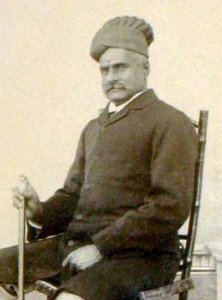
ラジャ・ラヴィ・ヴァルマ
1848 - 1906 , インド
基本情報
- Artistic Movement Or Style: アカデミックとインドの融合
- Artists Or Movements Influenced By This Artist: ['近代インド美術']
- Artists Who Influenced This Artist: ['ヨーロッパの巨匠たち']
- Date Of Birth: 1848年4月29日
- Date Of Death: 1906年10月2日
- Full Name: ラジャ・ラヴィ・ヴァルマ
- Nationality: インド人
- Notable Artworks:
- ハンサ・ダマイアンティ
- トラヴァンコアのマハラニ
- シャクンタラ
- 紳士の肖像
- Place Of Birth: キリマヌール、インド
関連記事
Scenes of Daily Life: A Comprehensive Exploration of Genre Painting Through History
Explore the rich history of genre painting! Discover Dutch Masters & European artists who captured everyday life with stunning realism. Learn about symbolism, techniques & lasting influence.
Echoes of Daily Life: Genre Painting & Societal Values Through the Ages
Explore the captivating world of genre painting! Discover Dutch Masters like Ostade & de Hooch, hidden symbolism, and social commentary in art history. Shop museum-quality reproductions at ArtsDot.
Marianne North's Masterpieces: 25 Botanical Paintings That Bloom With Adventure | ArtsDot
Journey through the vibrant world of Marianne North’s botanical paintings! Explore 25 iconic artworks from this Victorian artist, celebrating exotic flora & travel. Find museum-quality reproductions and curated decor ideas at ArtsDot.com.
Thomas Daniell: Navigating Light, Landscape & Cultural Exchange in Early 19th-Century India
Explore the captivating landscapes of Thomas Daniell, a pioneering artist who documented India's beauty in the 19th century. Discover his 'Oriental Scenery,' aquatint technique & lasting legacy. Hand-painted reproductions available at ArtsDot.
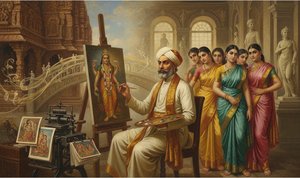
Raja Ravi Varma: Bridging Tradition & Modernity in 19th-Century Indian Art
Explore the life & art of Raja Ravi Varma, a pioneer who fused European techniques with Indian iconography. Discover his iconic paintings, lasting legacy, and influence on modern Indian art at ArtsDot.