

 プレビュー
プレビュー
 プリントを購入
 シェアする
シェアする シェアする
シェアする
 詳細を見る
詳細を見る

 ダウンロード
 似ている作品
 X線調査
X線調査 スライドショー
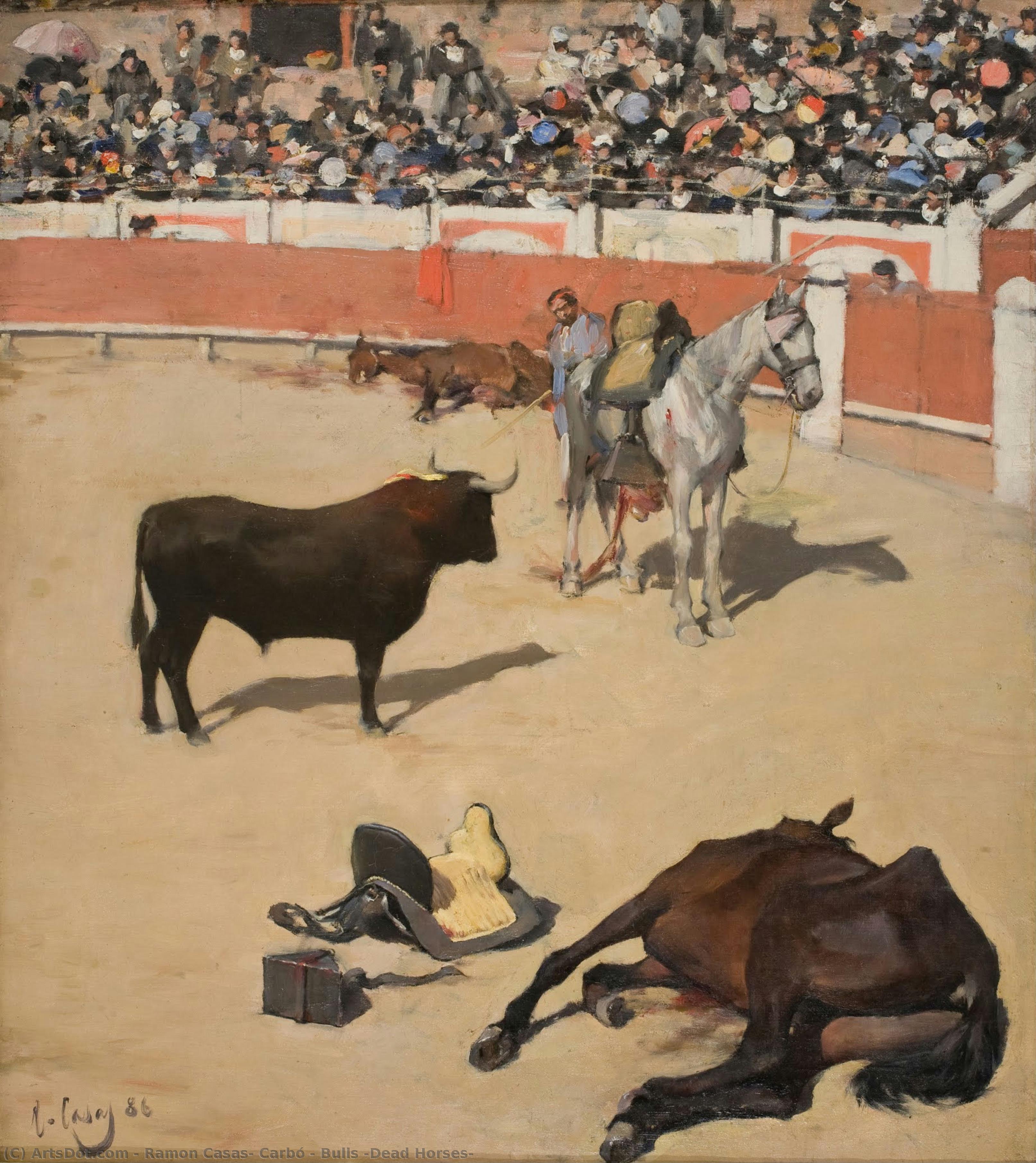
Bulls (Dead Horses)
 Oil On Canvas
- WallArt
 1886
1886- 19th Century
 648.0 x 737.0 cm
 カタルーニャ国立美術館
 詳細を見る
詳細を見る




P118B $10

P118H $10

P118W $10

P438Z $10

P508JH $12

P508YH $12

P805H $10

P805Z $10

P919BZ $10

P919G $10

P919XJ $10

P959ZH $10

P968JZ $12

W106C $8

W218G $10

W218JH $8

W218Y $10

W307PJ $10

W316G $10

W316PJ $8

W316Y $10

W398PJ $8

W4111J $10

W500HY $15

W500JH $15

W692G $12

W849H $8

W940BG $15

W953PJ $8




作品のオリジナル比率に合わせた、当店の規定サイズからお選びください。

特定のフレームやスペースに合わせて、ご希望のサイズをご入力いただけます。選択されたサイズが元の画像の比率と異なる場合、アートワークをトリミングするか、手描きで要素を追加して絵画を拡張いたします。デジタルモックアップ を制作し、制作開始前にご確認(承認)をいただきます。
画面上のプレビューは、実際のトリミングや拡張を正確に反映しているものではありません。最終的な構図は、モックアップによってのみ正確にご確認いただけます。
カスタムサイズもご利用いただけますが、元の比率を維持するためには、あらかじめ用意されたリストからサイズを選択することをお勧めいたします。
ご注文後、ArtsDot.com チームより詳細な指示をお送りするとともに、仕上がりイメージ(モックアップ)をご提供いたします。


 ガラスオプションは、110cm未満のサイズでのみご利用いただけます。

Bulls (Dead Horses)
複製技法
複製画のサイズ
-


合計金額
$ 263
A Visceral Encounter with Catalan Modernisme
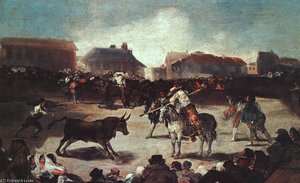
In the sweeping expanse of Ramon Casas Carbó’s 1886 masterpiece, Bulls (Dead Horses), the viewer is not merely a spectator but an inhabitant of a chaotic, high-stakes arena. This monumental oil on canvas serves as a profound window into the raw energy of late 19th-century Spanish life. The painting captures a moment of intense drama during a bullfight, where the air seems thick with the dust of the ring and the palpable tension of the crowd. At its heart, the composition revolves around the visceral struggle between man and beast, focusing on riders maneuvering horses around a bull that has already tasted the violence of the arena. The scene is a masterful tapestry of movement, where the frantic energy of the galloping horses contrasts with the heavy, somber presence of the fallen, creating a narrative that is as much about the cycle of life and death as it is about cultural spectacle.
The technique employed by Casas is nothing short of breathtaking, showcasing the artist's ability to blend the precision of academic training with the burgeoning freedom of Impressionistic brushwork. The large-scale format—a staggering 648 x 737 cm—demands attention, pulling the observer into a world of textured strokes and layered pigments. One can almost feel the grit of the earth and the heat of the sun through the artist's command of light and shadow. The way the light catches the muscular tension in the horses and the scattered figures in the periphery lends a sense of immediacy to the work. For the discerning collector or interior designer, this piece offers a commanding presence; its grand scale and dynamic composition make it an ideal centerpiece for a gallery-style room or a sophisticated study where conversation and impact are paramount.
Symbolism and the Spirit of an Era
Beyond the surface-level spectacle of the bullring, Bulls (Dead Horses) functions as a profound social document. As a leading figure of Catalan Modernisme, Ramon Casas was a chronicler of his era’s soul. The inclusion of diverse figures—some standing in quiet observation, others lying prone, and even the presence of dogs wandering near the fray—suggests a microcosm of society caught in a moment of shared upheaval. The suitcase tucked into the bottom corner serves as a subtle, poignant reminder of the transient nature of the spectators, hinting at stories of travelers and wanderers who have converged for this singular, violent event. There is a deep-seated symbolism in the struggle depicted; it reflects the broader anxieties and transformations of a Catalonia on the cusp of modernity, where old traditions met the turbulent winds of social change.
For those looking to integrate such a powerful work into a curated space, the emotional resonance of this reproduction is unparalleled. It evokes a sense of nostalgia for a lost era of grandeur while maintaining a contemporary edge through its raw, unshielded depiction of reality. The painting does not shy away from the grim aspects of the tradition, yet it celebrates the sheer vitality of the human spirit amidst chaos. Owning a high-quality reproduction of this work allows one to bring a piece of historical gravity and artistic prestige into a modern home, offering an enduring source of inspiration and a profound connection to the rich, textured history of Spanish art.
関連作品

アーティストの略歴
A Chronicler of Catalan Modernisme: The Life and Art of Ramon Casas
Ramon Casas i Carbó, born in Barcelona on January 4th, 1866, was more than just a painter; he was a visual poet of his time, an artist who captured the spirit of a Catalonia undergoing profound transformation. Living through a period marked by both burgeoning artistic freedom and intense political and social upheaval, Casas became synonymous with Catalan Modernisme, a movement that sought to forge a unique cultural identity for the region. His life story is inextricably linked to the vibrant intellectual circles of Barcelona’s late 19th and early 20th centuries, and his art reflects not only his personal aesthetic but also the anxieties and aspirations of a society on the cusp of modernity. From an early age, Casas demonstrated a remarkable aptitude for drawing, initially receiving instruction from his mother, who herself possessed artistic inclinations. He later formally studied at the School of Fine Arts in Barcelona, and subsequently at the Académie Gleyre in Paris – a crucible where he encountered influences that would shape his evolving style.Early Influences and Artistic Development
Casas’s early work reveals a clear debt to Impressionism, particularly evident in his depictions of Parisian life during his time studying abroad. However, he quickly moved beyond mere imitation, developing a distinctive approach characterized by bold brushwork, a keen eye for capturing fleeting moments, and an increasing focus on portraiture. It was in Barcelona that Casas truly found his artistic voice, drawn to the city’s dynamic energy and its burgeoning bohemian scene. He became a central figure in the *Els Quatre Gats* (The Four Cats), a café-cabaret modeled after Le Chat Noir in Paris, which served as a hub for artists, writers, and intellectuals. This environment fostered a spirit of experimentation and collaboration, profoundly influencing Casas’s artistic direction. His portraits from this period are particularly noteworthy – not simply representations of physical likeness but insightful psychological studies that reveal the character and social standing of his subjects. He didn't shy away from depicting the elite of Barcelona society, yet he infused these commissions with a sense of realism and often subtle critique.The Power of the Portrait and Beyond
Casas’s mastery of portraiture established him as one of Catalonia’s most sought-after artists. His subjects included prominent figures in politics, literature, and business, but his artistic vision extended far beyond the confines of conventional society. He was equally captivated by scenes of everyday life – bullfights, executions, street riots – capturing the raw energy and often brutal realities of urban existence. El garrot* (The Cudgel), a series of paintings depicting a violent crackdown on Catalan protestors, stands as a powerful testament to his social consciousness and willingness to confront difficult subjects. Beyond painting, Casas was also a gifted graphic designer, creating striking posters and postcards that helped to disseminate the ideals of Modernisme and promote Catalan culture. His poster designs were innovative for their time, employing bold typography and evocative imagery to capture the attention of a rapidly expanding audience. He understood the power of visual communication and used it effectively to shape public opinion and champion his artistic beliefs.Major Achievements and Lasting Legacy
Throughout his career, Casas exhibited widely both in Spain and internationally, gaining recognition for his unique style and insightful depictions of Catalan life. His work played a crucial role in establishing Barcelona as a major center of Modernist art, influencing generations of artists to come. Estudi d'estiu o Primero pasarás sobre mi cadáver* (Summer Study or First You Shall Pass Over My Body) is perhaps one of his most iconic paintings, showcasing his ability to blend symbolism and realism in a hauntingly beautiful composition. The painting’s ambiguous narrative invites multiple interpretations, reflecting the complexities of Catalan identity during a period of political unrest. Casas's influence extended beyond the realm of fine art; he was also involved in theater design and journalism, demonstrating a remarkable versatility and commitment to artistic expression in all its forms. He died on February 29th, 1932, leaving behind a rich legacy that continues to inspire artists and captivate audiences today. His work remains a vital record of a pivotal moment in Catalan history, offering a glimpse into the soul of a nation grappling with questions of identity, modernity, and social change.A Symbol of Catalan Identity
Ramon Casas’s art is not merely a reflection of his time; it *is* that time – a vibrant, complex, and often contradictory portrait of Catalonia at the turn of the 20th century. He was a master observer, capable of capturing both the beauty and brutality of urban life with equal skill and sensitivity. His portraits are more than just likenesses; they are windows into the souls of his subjects, revealing their character, social standing, and inner lives.- His graphic designs helped to define the aesthetic of Catalan Modernisme.
- His willingness to confront difficult social issues set him apart from many of his contemporaries.
- His legacy continues to inspire artists and captivate audiences today.
基本情報
- Artistic Movement Or Style: Catalan Modernisme
- Date Of Birth: January 4, 1866
- Date Of Death: February 29, 1932
- Full Name: Ramon Casas i Carbó
- Nationality: Spanish
- Notable Artworks:
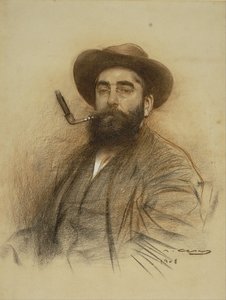
- Self-portrait
- Estudi d'estiu
- El garrot
- Place Of Birth: Barcelona, Spain
関連記事

The Enduring Legacy of Oil on Canvas: Technique, History & Aesthetic Impact
Explore the rich history & techniques of oil painting – from Renaissance masters to Impressionism. Discover pigments, layering methods, and why this timeless medium endures. Expert insights for artists & art enthusiasts.

Oil on Canvas: A Historical & Technical Exploration of a Timeless Artistic Medium
Explore the rich history & enduring techniques of oil painting on canvas. Discover the science behind its longevity, conservation practices, and contemporary relevance. Expert insights for art enthusiasts.

油彩のキャンバス:技法、歴史、そして現代の実践 - 古典美術愛好家へ
油彩の技法、歴史、巨匠たちの秘密を徹底解説。古典美術愛好家向けに、初期フランドル絵画から現代の実践まで深く掘り下げます。ArtsDotで高品質な複製画やカスタムオーダーも承ります。
Oil on Canvas Masters: 10 Paintings That Redefined Art History |
Journey through art history with our guide to 10 legendary oil on canvas masterpieces! Explore iconic works by Van Gogh, Monet & Rembrandt. Find museum-quality reproductions and elevate your home decor at . Discover all masterpieces online.

The Enduring Power of Painting: A Historical & Contemporary Exploration of Form and Emotion
Explore the rich history & enduring techniques of oil painting with ArtsDot. Discover masterpieces, learn about art collecting, and find authentic handmade reproductions crafted by skilled artists.