

 プレビュー
プレビュー
 プリントを購入
 シェアする
シェアする シェアする
シェアする
 詳細を見る
詳細を見る

 ダウンロード
 似ている作品
 X線調査
X線調査 スライドショー
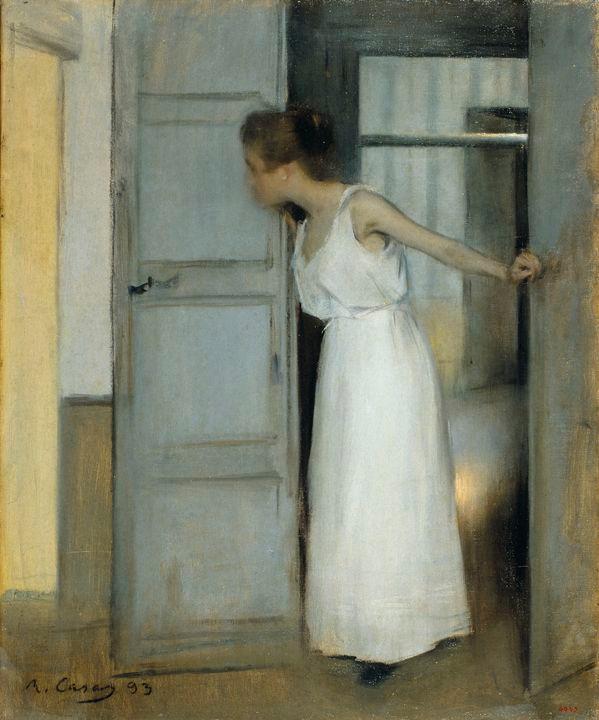
Estudi d'estiu o Primero pasarás sobre mi cadáver


 詳細を見る
詳細を見る
オンラインプレビューをはるかに凌ぐ、高解像度で鮮明なデジタル画像をご購入いただけます。
各ファイルは、社内の専門家が高度なツールと熟練した手作業によるレタッチを用いて、細心の注意を払って準備されています。すべての画像において、卓越した鮮明度、正確な色彩再現性、そして繊細なディテールを保証いたします。
最終ファイルは、プロフェッショナルな編集・印刷環境ですぐにご利用いただけるよう最適化された状態で、72時間以内にメールにてお届けいたします。これは、一流のデザインスタジオ、出版社、ギャラリーから信頼されているものと同等の品質です。
デジタル画像のご注文に付随する特典
高品質なデジタル画像配信を、確かな品質で。
ArtsDot.com を選ぶことは、単に画像を手に入れることではありません。それは、プロの手によって精密に仕上げられ、満足保証が付いた高品質なデジタルアートワークを受け取ることを意味します。ご注文いただいた際に自動的に付随する内容は、以下の通りです:

メールですぐにお届け
ご注文から72時間以内に、高解像度のデジタル画像ファイルがメールでお手元に届きます。すぐにそのままご利用いただけます。

AI技術で最適化されたデジタルファイル
お客様の作品は、高度なAIツールと専門家による手作業の編集を組み合わせてプロフェッショナルに最適化されており、細部のディテール、鮮明さ、そして正確な色再現性を最大限に引き出しています。

一生涯無料の再送サービス
ファイルを誤って削除したり、紛失してしまったりしましたか?ご安心ください。いつでも無料で再送いたします。

輸入手数料は一切かかりません
関税や手数料、配送料を気にすることなく、お気に入りのアートワークをすぐにお楽しみいただけます。デジタルダウンロードは常に免税です。

色彩再現の保証
プロ仕様のツールとカラーマネジメント技術を用いることで、デジタル画像が元の色を最大限に忠実に再現することを保証いたします。

60日間満足保証
ご購入いただいたデジタル画像にご満足いただけない場合は、60日以内であれば、修正または100%の返金(理由を問う必要はありません)をさせていただきます。

100% 返金保証
ご満足いただけない場合は、デジタルファイルを受け取ってから60日以内であれば、理由を問わず全額返金いたします。

まとめ買い割引
3枚購入で10%OFF - 5枚購入で15%OFF - 10枚以上購入で20%OFF。クリエイティブなプロジェクト、ギャラリー、エージェンシーに最適です。
A Portrait Steeped in Symbolism: Ramon Casas i Carbó’s “Estudi d'estiu o Primero pasarás sobre mi cadáver”
The artwork, titled "Estudi d'estiu o Primero pasarás sobre mi cadáver" ("Summer Study or You Will Pass Over My Corpse"), offers a haunting glimpse into the Catalan Modernisme movement and delves deeper than mere visual representation. Painted in 1893 by Ramon Casas i Carbó, this portrait transcends a simple likeness of its subject—a young woman—to become a meditation on mortality, vulnerability, and the ephemeral beauty of existence. Casas, considered one of Catalonia’s artistic luminaries, skillfully blended Realism with Impressionistic techniques to capture not just what he saw but also what he felt about his surroundings.Historical Context: The Catalan Modernisme Movement
Barcelona in the late 1890s pulsed with intellectual ferment and artistic innovation—the epicenter of the Catalan Modernisme movement. Rejecting academic conventions, artists like Casas sought inspiration from Impressionism’s embrace of fleeting light and color, alongside Symbolism's preoccupation with psychological depth and evocative imagery. This era witnessed a fervent desire to express Catalan identity and culture, challenging established norms and forging a new artistic language rooted in observation and emotion. Casas himself was deeply involved in the cultural debates surrounding Catalan nationalism, reflecting this spirit within his oeuvre.Composition and Technique: Impressionistic Brushstrokes
Casas’s masterful technique is immediately apparent upon viewing “Estudi d'estiu o Primero pasarás sobre mi cadáver.” Loose, gestural brushstrokes dominate the canvas—a hallmark of Impressionism—creating a textured surface that vibrates with energy. Thin washes of color are layered to build up form and tone, prioritizing atmosphere over precise delineation. Casas employed a palette knife alongside brushes, further enhancing the painting’s physicality and conveying a sense of immediacy. The asymmetrical composition—with the woman positioned slightly off-center—draws the viewer's gaze outwards, emphasizing her contemplative posture and subtly hinting at a narrative beyond the frame itself.Color Palette: Earthy Tones Reflecting Catalan Landscape
The artwork’s color palette is deliberately subdued, mirroring the muted hues of the Catalan landscape prevalent during Casas’s time. Predominantly whites, creams, grays, and browns dominate, creating a harmonious blend that evokes tranquility and introspection. The woman's dress—a splash of pale yellow—provides a focal point against the backdrop, highlighting its luminosity without overwhelming the overall tonal balance. Casas skillfully manipulated color to convey not just visual information but also emotional resonance – capturing the melancholic beauty inherent in confronting mortality.Symbolism: Facing Death with Dignity
Beyond its aesthetic qualities, “Estudi d'estiu o Primero pasarás sobre mi cadáver” is laden with symbolic significance. The open doorway—a recurring motif in Casas’s work—represents transition and opportunity, suggesting that life continues even as it confronts inevitable decline. The woman’s gaze directed away from the viewer speaks to a profound inner contemplation – an acceptance of mortality tempered by grace and resilience. Casas's choice of subject matter—a portrait confronting death—underscores the movement’s preoccupation with existential questions and its desire to explore the human condition with unflinching honesty.Emotional Impact: A Moment Frozen in Time
Ultimately, Casas succeeds in capturing a poignant emotional moment—a confrontation with mortality rendered with remarkable sensitivity. The painting's ethereal light and textured surface invite contemplation, prompting viewers to consider themes of vulnerability, beauty, and acceptance. “Estudi d’estiu o Primero pasarás sobre mi cadáver” remains an enduring testament to Ramon Casas i Carbó’s artistic vision and the transformative power of Impressionistic technique—a captivating artwork that continues to inspire admiration for its profound symbolism and evocative emotional impact.関連作品
作家の略歴
ラモン・カサス・イ・カルボ:カタルーニャ・モダニスムの先駆者
ラモン・カサス・イ・カルボ(1866年1月4日 – 1932年2月5日)は、スペインを代表する画家であり、モダニスム運動の重要な人物です。スペインのバルセロナで生まれ、写実主義と印象主義の手法を取り入れ、カタルーニャの人々の生活や風景を描き出したその独特なスタイルで知られています。彼の作品は、カタルーニャ文化への深い愛情と、時代の変化を敏感に捉える芸術家の視点が融合した傑作として高く評価されています。
幼少期、教育、そして芸術の萌芽
- 生い立ちと家族: カサスは裕福な家庭に生まれました。父親はキューバで財を成し、母親はカタルーニャの名門一族出身でした。
- 芸術教育: 11歳(1877年)という若さで、正式な学校教育を放棄し、ジョアン・ビセンスのもとで絵画の勉強を開始しました。これが彼の本格的な芸術家としての道のりの始まりです。
- 初期作品と評価: 初期には、カタルーニャ、スペイン、フランスの上流階級の人々の肖像画や風刺画を描いていました。『フラメンコ・ダンサーとしての自画像』(1883年)が注目を集め、Societé d'Artistes Françaisへの招待状を受け取りました。
- 初期の成功: 『闘牛場』(1884年)は、ダイナミックな群衆描写能力を示し、彼の名声を確固たるものにしました。『ムーラン・ドゥ・ラ・ガレットの内観』(1891年)はベルリン国際博覧会でメダルを受賞し、彼の芸術的成熟ぶりを印象づけました。
発展と主要な芸術テーマ
- 印象主義と写実主義の影響: カサスのスタイルは、光や色彩の使い方において印象主義の影響を強く受けていますが、同時に日常生活や人物の写実的な描写も重視していました。
- カタルーニャのアイデンティティ: カサスの作品には、カタルーニャ文化、社会、風景を描いたものが多く見られます。彼は日常の場面、祭り、そしてカタルーニャの著名人の肖像画を頻繁に描きました。
- サンティアゴ・ルシニョールとの協働: 1889年、カサスは同僚芸術家のサンティアゴ・ルシニョールと共に、カタルーニャ各地を旅しました。この共同制作を通して、彼はカタルーニャのアイデンティティと農村生活への理解を深めました。
- Societé d'Artistes Françaisとの関係: この名門芸術団体の一員となったことで、カサスは審査を経ずにサロンに作品を出展できるようになり、パリのアート界での露出が増加しました。
主要な業績と代表作
- 肖像画: カサスは、被写体の容姿だけでなく、その性格や個性を捉えた洞察力に富んだ肖像画で知られていました。『ドミンゲス氏の肖像』(1899年)は、彼の鉛筆デッサン技術を際立たせる作品です。
- 風俗画: 彼の風俗画は、闘牛場(『闘牛場』)、カフェ、社交の場など、カタルーニャの人々の生活を生き生きと描き出しています。
- フラメンコ・ダンサーとしての自画像 (1883年): この初期作品は、彼のユニークなスタイルを確立し、肖像画と演劇的な表現力を融合させる能力を示しました。
- 著名人の描写: カサスは、作曲家のイサック・アルベニス、詩人のジャウメ・マソ、作家のアルバート・ベルニスなど、著名な人物の肖像画を数多く制作し、求められる肖像画家としての地位を確立しました。
遺産と歴史的意義
ラモン・カサス・イ・カルボは、カタルーニャ美術、そしてモダニスム運動全体に消えない足跡を残しました。彼の作品は、カタルーニャの人々の生活を鮮やかに描き出し、写実主義と印象主義の巧みな融合によって高く評価されています。今日、彼の絵画は、シッチェスのカウ・フェラット美術館やバルセロナ現代美術館などの名門博物館に所蔵されており、彼の芸術的遺産は後世の人々を魅了し続けています。
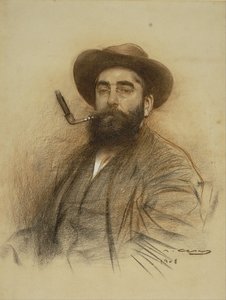
ラモン・カサス
1866 - 1932 , スペイン
プロフィール概要
- Artistic Movement Or Style: カタルーニャ・モダニスム
- Artists Who Influenced This Artist:
- 印象派
- 写実主義
- Date Of Birth: 1866年1月4日
- Date Of Death: 1932年2月5日
- Full Name: ラモン・カサス・イ・カルボ
- Nationality: スペイン人
- Notable Artworks:
- 自画像(フラメンコ舞踊家)
- 闘牛場
- ムーラン・ドゥ・ラ・ガレット
- Place Of Birth (City And Country): スペイン、バルセロナ

