

 プレビュー
プレビュー
 プリントを購入
 シェアする
シェアする シェアする
シェアする
 詳細を見る
詳細を見る

 ダウンロード
 似ている作品
 X線調査
X線調査 スライドショー
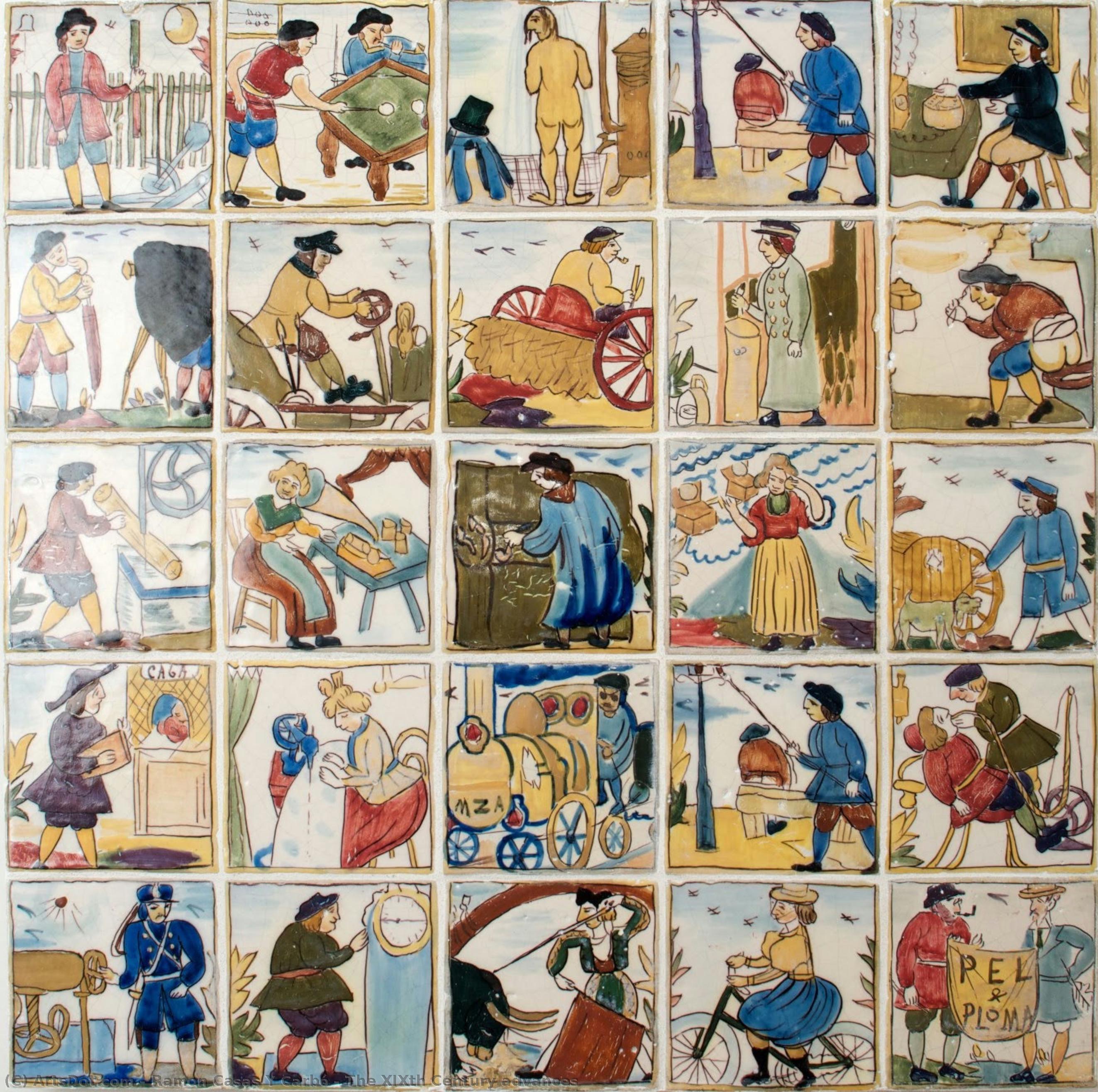
The XIXth Century advances
 Acrylic On Canvas
- WallArt
- Catalan Modernisme
 1902
1902 66.0 x 66.0 cm
 Maricel Museum
 詳細を見る
詳細を見る




P118B $10

P118H $10

P118W $10

P438Z $10

P508JH $12

P508YH $12

P805H $10

P805Z $10

P919BZ $10

P919G $10

P919XJ $10

P959ZH $10

P968JZ $12

W106C $8

W218G $10

W218JH $8

W218Y $10

W307PJ $10

W316G $10

W316PJ $8

W316Y $10

W398PJ $8

W4111J $10

W500HY $15

W500JH $15

W692G $12

W849H $8

W940BG $15

W953PJ $8




作品のオリジナル比率に合わせた、当店の規定サイズからお選びください。

特定のフレームやスペースに合わせて、ご希望のサイズをご入力いただけます。選択されたサイズが元の画像の比率と異なる場合、アートワークをトリミングするか、手描きで要素を追加して絵画を拡張いたします。デジタルモックアップ を制作し、制作開始前にご確認(承認)をいただきます。
画面上のプレビューは、実際のトリミングや拡張を正確に反映しているものではありません。最終的な構図は、モックアップによってのみ正確にご確認いただけます。
カスタムサイズもご利用いただけますが、元の比率を維持するためには、あらかじめ用意されたリストからサイズを選択することをお勧めいたします。
ご注文後、ArtsDot.com チームより詳細な指示をお送りするとともに、仕上がりイメージ(モックアップ)をご提供いたします。


 ガラスオプションは、110cm未満のサイズでのみご利用いただけます。

The XIXth Century advances
複製技法
複製画のサイズ
-


合計金額
$ 263
作品解説
A Snapshot of Catalan Modernisme: “The XIXth Century advances” by Ramon Casas i Carbó
“The XIXth Century advances” is more than just a depiction of individuals; it’s an embodiment of the spirit of Catalan Modernisme, capturing a pivotal moment in artistic and social evolution. Painted in 1902 by Ramon Casas i Carbó, this monumental canvas—measuring 66 x 66 cm—represents a collaborative effort between Casas, Isidore Utrillo, and other prominent figures associated with the influential “Pèl & Ploma” (Fur & Feather) literary circle. This group sought to redefine Catalan identity through art and literature, rejecting academic conventions in favor of expressive realism infused with Impressionistic influences.Composition and Technique: Embracing Light and Texture
Casas’s masterful technique is immediately apparent upon observation. He employs a layered approach, utilizing oil paints on canvas to achieve remarkable textural depth. The artist meticulously renders the figures—primarily men engaged in various activities—with painstaking detail, capturing subtle nuances of musculature and clothing folds. However, Casas doesn't merely aim for photographic accuracy; he skillfully manipulates light and shadow to create an atmosphere of palpable warmth and nostalgia. Notice how the diffused sunlight illuminates the faces of the subjects, casting elongated shadows that contribute to the overall sense of movement and dynamism. The artist’s brushstrokes are loose yet controlled, conveying both precision and spontaneity—a hallmark of Modernisme's stylistic ambition.Historical Context: Catalonia at the Dawn of a New Era
The painting emerged during a period of significant cultural ferment in Catalonia. Following the unification of Spain in 1898, Catalan intellectuals and artists wrestled with questions of national identity and artistic renewal. “Pèl & Ploma” championed a vision of Catalonia as a vibrant, cosmopolitan nation—one that embraced innovation while honoring its traditions. Casas’s work reflects this intellectual climate, aligning itself with the broader movement's rejection of traditional artistic formulas and its embrace of psychological realism. The inclusion of a clock serves as a subtle reminder of time passing, emphasizing the urgency of capturing fleeting moments of beauty and experience – a core preoccupation of Modernisme artists.Symbolism: Beyond Representation—Capturing Emotion
Beyond its formal qualities, “The XIXth Century advances” resonates with symbolic meaning. The figures themselves represent not merely individuals but archetypal representations of masculinity and social engagement. Their postures convey confidence and purposefulness, mirroring the aspirations of Catalonia’s burgeoning intelligentsia. Furthermore, the setting—a sunlit courtyard—suggests a space of contemplation and connection to nature—values central to Modernisme's aesthetic philosophy. Casas skillfully utilizes color palettes—dominated by warm hues—to evoke feelings of comfort, optimism, and remembrance.Emotional Impact: A Legacy of Artistic Vision
Ultimately, “The XIXth Century advances” succeeds in transporting the viewer back to a bygone era, fostering a profound appreciation for artistic craftsmanship and humanist ideals. Casas’s ability to convey emotion through visual imagery—coupled with his masterful command of technique—solidifies his place as one of Catalonia's most celebrated Modernist painters. This artwork continues to inspire collectors and interior designers alike, offering a timeless testament to the transformative power of art and its capacity to capture the essence of human experience.関連作品


アーティストの略歴
ラモン・カサス・イ・カルボ:カタルーニャ・モダニスムの先駆者
ラモン・カサス・イ・カルボ(1866年1月4日 – 1932年2月5日)は、スペインを代表する画家であり、モダニスム運動の重要な人物です。スペインのバルセロナで生まれ、写実主義と印象主義の手法を取り入れ、カタルーニャの人々の生活や風景を描き出したその独特なスタイルで知られています。彼の作品は、カタルーニャ文化への深い愛情と、時代の変化を敏感に捉える芸術家の視点が融合した傑作として高く評価されています。
幼少期、教育、そして芸術の萌芽
- 生い立ちと家族: カサスは裕福な家庭に生まれました。父親はキューバで財を成し、母親はカタルーニャの名門一族出身でした。
- 芸術教育: 11歳(1877年)という若さで、正式な学校教育を放棄し、ジョアン・ビセンスのもとで絵画の勉強を開始しました。これが彼の本格的な芸術家としての道のりの始まりです。
- 初期作品と評価: 初期には、カタルーニャ、スペイン、フランスの上流階級の人々の肖像画や風刺画を描いていました。『フラメンコ・ダンサーとしての自画像』(1883年)が注目を集め、Societé d'Artistes Françaisへの招待状を受け取りました。
- 初期の成功: 『闘牛場』(1884年)は、ダイナミックな群衆描写能力を示し、彼の名声を確固たるものにしました。『ムーラン・ドゥ・ラ・ガレットの内観』(1891年)はベルリン国際博覧会でメダルを受賞し、彼の芸術的成熟ぶりを印象づけました。
発展と主要な芸術テーマ
- 印象主義と写実主義の影響: カサスのスタイルは、光や色彩の使い方において印象主義の影響を強く受けていますが、同時に日常生活や人物の写実的な描写も重視していました。
- カタルーニャのアイデンティティ: カサスの作品には、カタルーニャ文化、社会、風景を描いたものが多く見られます。彼は日常の場面、祭り、そしてカタルーニャの著名人の肖像画を頻繁に描きました。
- サンティアゴ・ルシニョールとの協働: 1889年、カサスは同僚芸術家のサンティアゴ・ルシニョールと共に、カタルーニャ各地を旅しました。この共同制作を通して、彼はカタルーニャのアイデンティティと農村生活への理解を深めました。
- Societé d'Artistes Françaisとの関係: この名門芸術団体の一員となったことで、カサスは審査を経ずにサロンに作品を出展できるようになり、パリのアート界での露出が増加しました。
主要な業績と代表作
- 肖像画: カサスは、被写体の容姿だけでなく、その性格や個性を捉えた洞察力に富んだ肖像画で知られていました。『ドミンゲス氏の肖像』(1899年)は、彼の鉛筆デッサン技術を際立たせる作品です。
- 風俗画: 彼の風俗画は、闘牛場(『闘牛場』)、カフェ、社交の場など、カタルーニャの人々の生活を生き生きと描き出しています。
- フラメンコ・ダンサーとしての自画像 (1883年): この初期作品は、彼のユニークなスタイルを確立し、肖像画と演劇的な表現力を融合させる能力を示しました。
- 著名人の描写: カサスは、作曲家のイサック・アルベニス、詩人のジャウメ・マソ、作家のアルバート・ベルニスなど、著名な人物の肖像画を数多く制作し、求められる肖像画家としての地位を確立しました。
遺産と歴史的意義
ラモン・カサス・イ・カルボは、カタルーニャ美術、そしてモダニスム運動全体に消えない足跡を残しました。彼の作品は、カタルーニャの人々の生活を鮮やかに描き出し、写実主義と印象主義の巧みな融合によって高く評価されています。今日、彼の絵画は、シッチェスのカウ・フェラット美術館やバルセロナ現代美術館などの名門博物館に所蔵されており、彼の芸術的遺産は後世の人々を魅了し続けています。
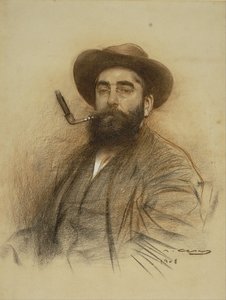
ラモン・カサス
1866 - 1932 , スペイン
基本情報
- Artistic Movement Or Style: カタルーニャ・モダニスム
- Artists Who Influenced This Artist:
- 印象派
- 写実主義
- Date Of Birth: 1866年1月4日
- Date Of Death: 1932年2月5日
- Full Name: ラモン・カサス・イ・カルボ
- Nationality: スペイン人
- Notable Artworks:
- 自画像(フラメンコ舞踊家)
- 闘牛場
- ムーラン・ドゥ・ラ・ガレット
- Place Of Birth (City And Country): スペイン、バルセロナ
関連記事

Scenes of Daily Life: A Comprehensive Exploration of Genre Painting Through History
Explore the rich history of genre painting! Discover Dutch Masters & European artists who captured everyday life with stunning realism. Learn about symbolism, techniques & lasting influence.
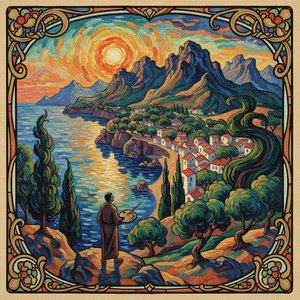
Joaquim Mir: A Catalan Visionary – Exploring Symbolism, Landscape & Modernist Aesthetic
Explore the captivating world of Joaquim Mir, a pivotal Catalan Modernisme painter. Discover his vibrant landscapes, symbolic depth & lasting influence on Spanish art history. Learn more at ArtsDot.

Josep Mompou Dencausse: Exploring Intimacy & Catalan Identity Through Minimalist Expression
Explore the captivating world of Josep Mompou Dencausse, a master of Post-Impressionism whose intimate paintings reflect Catalan identity and minimalist beauty. Discover his life, style & legacy.
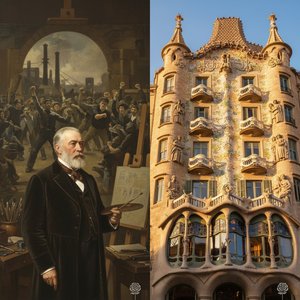
Josep Cusachs i: Exploring Catalan Modernism Through Social Commentary & Artistic Innovation
Explore the captivating world of Josep Cusachs i, a key figure in Catalan Modernism. Discover his realist paintings, social commentary, and influence on 19th-century Spanish art. Hand-painted reproductions available at ArtsDot.
Echoes of Daily Life: Genre Painting & Societal Values Through the Ages
Explore the captivating world of genre painting! Discover Dutch Masters like Ostade & de Hooch, hidden symbolism, and social commentary in art history. Shop museum-quality reproductions at ArtsDot.

