

 プレビュー
プレビュー
 プリントを購入
 シェアする
シェアする シェアする
シェアする
 詳細を見る
詳細を見る

 ダウンロード
 似ている作品
 X線調査
X線調査 スライドショー
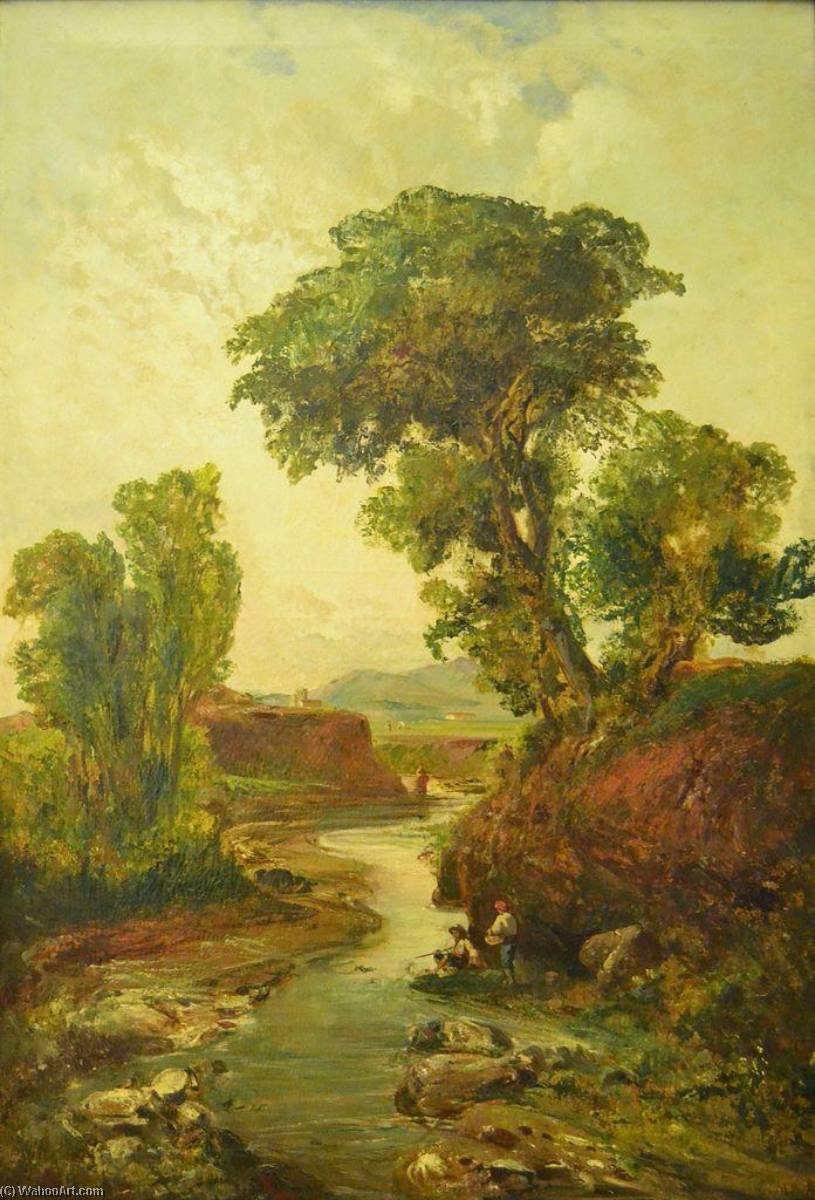
Landscape in Catalonia

 詳細を見る
詳細を見る
オンラインプレビューをはるかに凌ぐ、高解像度で鮮明なデジタル画像をご購入いただけます。
各ファイルは、社内の専門家が高度なツールと熟練した手作業によるレタッチを用いて、細心の注意を払って準備されています。すべての画像において、卓越した鮮明度、正確な色彩再現性、そして繊細なディテールを保証いたします。
最終ファイルは、プロフェッショナルな編集・印刷環境ですぐにご利用いただけるよう最適化された状態で、72時間以内にメールにてお届けいたします。これは、一流のデザインスタジオ、出版社、ギャラリーから信頼されているものと同等の品質です。
デジタル画像のご注文に付随する特典
高品質なデジタル画像配信を、確かな品質で。
ArtsDot.com を選ぶことは、単に画像を手に入れることではありません。それは、プロの手によって精密に仕上げられ、満足保証が付いた高品質なデジタルアートワークを受け取ることを意味します。ご注文いただいた際に自動的に付随する内容は、以下の通りです:

メールですぐにお届け
ご注文から72時間以内に、高解像度のデジタル画像ファイルがメールでお手元に届きます。すぐにそのままご利用いただけます。

AI技術で最適化されたデジタルファイル
お客様の作品は、高度なAIツールと専門家による手作業の編集を組み合わせてプロフェッショナルに最適化されており、細部のディテール、鮮明さ、そして正確な色再現性を最大限に引き出しています。

一生涯無料の再送サービス
ファイルを誤って削除したり、紛失してしまったりしましたか?ご安心ください。いつでも無料で再送いたします。

輸入手数料は一切かかりません
関税や手数料、配送料を気にすることなく、お気に入りのアートワークをすぐにお楽しみいただけます。デジタルダウンロードは常に免税です。

色彩再現の保証
プロ仕様のツールとカラーマネジメント技術を用いることで、デジタル画像が元の色を最大限に忠実に再現することを保証いたします。

60日間満足保証
ご購入いただいたデジタル画像にご満足いただけない場合は、60日以内であれば、修正または100%の返金(理由を問う必要はありません)をさせていただきます。

100% 返金保証
ご満足いただけない場合は、デジタルファイルを受け取ってから60日以内であれば、理由を問わず全額返金いたします。

まとめ買い割引
3枚購入で10%OFF - 5枚購入で15%OFF - 10枚以上購入で20%OFF。クリエイティブなプロジェクト、ギャラリー、エージェンシーに最適です。
関連作品



作家の略歴
Giovanni Costa (Nino Costa): A Pioneer of Italian Landscape and Patriotic Vision
Giovanni Costa, often known as Nino Costa, was a pivotal figure in 19th-century Italian art, particularly recognized for his evocative landscapes and fervent commitment to national unity. Born in Rome in 1826, he navigated the tumultuous political landscape of Italy’s unification while simultaneously developing a distinctive artistic voice rooted in observation and a deep connection to the Italian countryside. His life was inextricably linked with the burgeoning Macchiaioli movement, and his work served as both an inspiration and a reflection of the era's spirit of reform and patriotic fervor. Costa’s early artistic education laid the foundation for his future success. Introduced to Baron Vincenzo Camuccini at the tender age of twelve, he was encouraged to embrace *vedute* – views of urban landscapes – and to capture nature directly from observation. This emphasis on direct experience would become a hallmark of his style. Following Camuccini’s guidance, Costa spent time at the Jesuit college in Montefiascone, honing his drawing skills before returning to Rome and enrolling in the prestigious Accademia di San Luca. There, he studied under masters like Francesco Coghetti, Francesco Podesti, and Filippo Agricola, absorbing the classical techniques and compositional principles of the time. However, it was during the 1848 revolutions that Costa truly found his purpose – not merely as an artist, but as a participant in Italy’s struggle for independence. He enthusiastically joined Garibaldi's volunteer army, demonstrating his unwavering patriotism through direct action, famously leading the assault on the Porta Pia during Rome’s liberation in 1870. Costa’s artistic style evolved significantly throughout his career. Initially influenced by Neoclassicism, particularly through Camuccini’s teachings, he gradually embraced a more expressive and spontaneous approach. He became deeply involved with the Macchiaioli movement, a group of Florentine artists who rejected academic conventions in favor of capturing the fleeting effects of light and color on canvas. The Macchiaioli's technique of using *macchie* – dabs or strokes of pure pigment – to create an impressionistic effect resonated strongly with Costa’s own desire to convey immediacy and emotional resonance. His landscapes, often depicting rural scenes of shepherds and cattle grazing in the rolling hills of Tuscany and Umbria, are characterized by a remarkable sensitivity to light and atmosphere. He wasn't interested in idealized beauty; instead, he sought to capture the authentic essence of the Italian countryside, imbued with its history, traditions, and the spirit of its people. Works like *Donne sulla spiaggia di Porto d’Anzio* (1862) exemplify this shift – a seemingly simple depiction of women on a beach becomes a powerful meditation on light, color, and the beauty of everyday life. Costa's international recognition grew throughout the latter half of his career. He cultivated relationships with artists from England and America, including Elihu Vedder and Matthew Ridley Corbet, who were captivated by his unique approach to landscape painting. These connections exposed his work to a wider European audience and further solidified his reputation as a leading figure in Italian art. His paintings weren’t merely representations of scenery; they were imbued with a strong sense of national identity and a passionate belief in the potential of Italy. His dedication extended beyond the canvas, actively promoting artistic independence from outdated traditions and championing a return to direct observation of nature – principles that profoundly influenced subsequent generations of Italian artists. Costa’s legacy extends far beyond his individual paintings. He served as an important mentor and inspiration for many younger artists, particularly those associated with the Macchiaioli movement. His commitment to patriotic ideals and his willingness to engage in political action alongside his artistic pursuits cemented his place as a symbol of Italian unification and national pride. Giovanni Costa (Nino Costa) died in Rome in 1903, leaving behind a body of work that continues to captivate viewers with its beauty, sincerity, and profound connection to the heart of Italy.Costa’s Artistic Techniques and Influences
Costa's artistic development reveals a fascinating interplay between traditional training and innovative influences. His early exposure to Camuccini instilled in him a solid understanding of classical composition and *vedute*, but it was his engagement with the Macchiaioli that truly shaped his style. The Macchiaioli’s emphasis on capturing fleeting moments, using pure colors applied in small dabs or strokes (the *macchie*), profoundly impacted Costa's approach to landscape painting. He adopted this technique, not as a mere stylistic choice, but as a means of conveying the immediacy and emotional intensity of his observations. Furthermore, Costa’s time at the Accademia di San Luca exposed him to the works of masters like Coghetti, Podesti, and Agricola, who instilled in him a deep appreciation for anatomical accuracy and classical principles. However, he skillfully integrated these influences with his own unique vision, creating landscapes that were both technically proficient and emotionally resonant. His use of light and color was particularly noteworthy – he masterfully captured the subtle shifts of atmosphere and the interplay of shadows, imbuing his paintings with a sense of depth and realism. Beyond the Macchiaioli, Costa’s work also reflects the influence of Romanticism, particularly in its emphasis on dramatic landscapes and emotional intensity. However, unlike many Romantic painters, he avoided sentimentalizing nature or imposing moralistic narratives onto his scenes. Instead, he focused on capturing the beauty and power of the Italian countryside with a sense of detached observation and quiet reverence. His paintings are not simply depictions of scenery; they are invitations to contemplate the relationship between humanity and the natural world.- Neoclassicism: Early influence from Baron Vincenzo Camuccini.
- Macchiaioli Movement: Adoption of *macchie* technique for capturing fleeting light and color.
- Romanticism: Evident in dramatic landscapes and emotional intensity, but without sentimentality.
Costa’s Patriotic Engagement
Giovanni Costa's artistic career was inextricably linked to Italy’s struggle for unification. His fervent patriotism manifested not only through his subject matter – depicting scenes of rural life and the Italian landscape – but also through his active participation in political events. He joined Garibaldi’s volunteer army during the 1848 revolutions, demonstrating his commitment to national independence. His most significant act of patriotic engagement occurred during the assault on the Porta Pia in Rome in 1870, where he famously led the charge, symbolizing the triumph of Italian unity and the end of papal rule. This willingness to put himself at risk for the cause of Italy cemented his status as a national hero. His paintings became powerful symbols of patriotic fervor, inspiring others to embrace the ideals of unification and self-determination. Costa’s commitment extended beyond the battlefield; he actively promoted artistic independence from outdated traditions, advocating for a return to direct observation of nature – principles that aligned perfectly with Italy's burgeoning sense of national identity. His life serves as a testament to the intersection of art and politics in 19th-century Italy, demonstrating how artistic expression can be used to shape public opinion and advance political goals.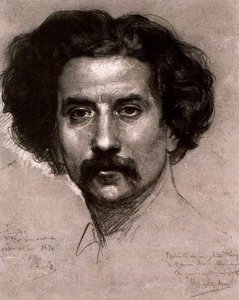
ramon marti alsina
1826 - 1894
プロフィール概要
- Artistic Movement Or Style: Landscape painting
- Artists Or Movements Influenced By This Artist: ['Macchiaioli']
- Artists Who Influenced This Artist: ['Vincenzo Camuccini']
- Date Of Birth: 15 Oct 1826
- Date Of Death: 31 Jan 1903
- Full Name: Giovanni Costa (Nino Costa)
- Nationality: Italian
- Notable Artworks: ["Donne sulla spiaggia di Porto d'Anzio"]
- Place Of Birth: Rome, Italy

