

 プレビュー
プレビュー
 プリントを購入
 シェアする
シェアする シェアする
シェアする
 詳細を見る
詳細を見る

 ダウンロード
 似ている作品
 X線調査
X線調査 スライドショー
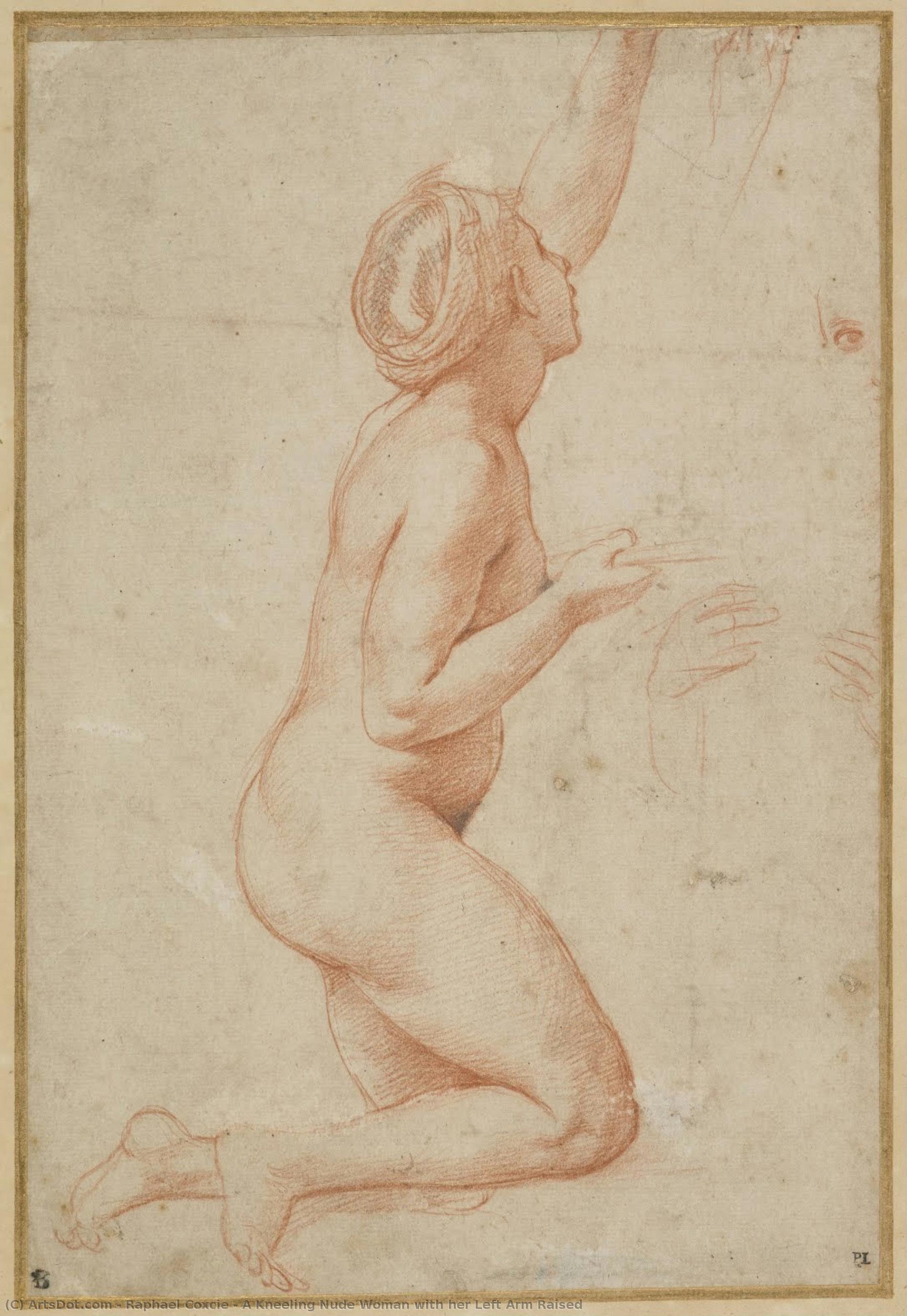
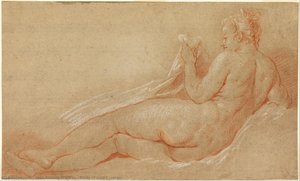
A Kneeling Nude Woman with her Left Arm Raised


 詳細を見る
詳細を見る




P118B $10

P118H $10

P118W $10

P438Z $10

P508JH $12

P508YH $12

P805H $10

P805Z $10

P919BZ $10

P919G $10

P919XJ $10

P959ZH $10

P968JZ $12

W106C $8

W218G $10

W218JH $8

W218Y $10

W307PJ $10

W316G $10

W316PJ $8

W316Y $10

W398PJ $8

W4111J $10

W500HY $15

W500JH $15

W692G $12

W849H $8

W940BG $15

W953PJ $8




作品のオリジナル比率に合わせた、当店の規定サイズからお選びください。

特定のフレームやスペースに合わせて、ご希望のサイズをご入力いただけます。選択されたサイズが元の画像の比率と異なる場合、アートワークをトリミングするか、手描きで要素を追加して絵画を拡張いたします。デジタルモックアップ を制作し、制作開始前にご確認(承認)をいただきます。
画面上のプレビューは、実際のトリミングや拡張を正確に反映しているものではありません。最終的な構図は、モックアップによってのみ正確にご確認いただけます。
カスタムサイズもご利用いただけますが、元の比率を維持するためには、あらかじめ用意されたリストからサイズを選択することをお勧めいたします。
ご注文後、ArtsDot.com チームより詳細な指示をお送りするとともに、仕上がりイメージ(モックアップ)をご提供いたします。


 ガラスオプションは、110cm未満のサイズでのみご利用いただけます。

A Kneeling Nude Woman with her Left Arm Raised
複製技法
複製画のサイズ
-


合計金額
$ 263
A Kneeling Nude Woman with Her Left Arm Raised: A Study in Renaissance Grace
This exquisite drawing by Raphael Coxcie, created around 1518, embodies the quintessential ideals of High Renaissance art—a harmonious blend of anatomical precision and spiritual contemplation. Executed in red chalk over stylus underdrawing on off-white paper, it’s a deceptively simple composition that reveals profound artistic mastery. The artwork captures a moment of serene vulnerability, portraying a nude woman kneeling gracefully while extending her left arm upwards as if reaching for an unseen source of inspiration or solace.The Artist's Vision and Technique
Raphael Coxcie, born in Mechelen, Belgium around 1540, stands as a pivotal figure within the artistic landscape of the High Renaissance—a period characterized by unparalleled creativity and humanist ideals. His legacy extends far beyond his individual paintings, shaping stylistic trends and influencing generations of artists who followed him. While biographical details remain somewhat sparse compared to contemporaries like Michelangelo or Leonardo da Vinci, Coxcie’s contribution to Flemish art is undeniable, marking him as a significant voice in the burgeoning artistic fervor of his time. Early Influences and Training Coxcie's formative years were steeped in artistic tradition. He received instruction from Raffaello Sanzio da Urbino—commonly known as Raphael—a master whose meticulous attention to detail, combined with a masterful command of chiaroscuro – the dramatic interplay between light and shadow – profoundly impacted Coxcie’s artistic sensibilities. Raphael’s unwavering dedication to anatomical accuracy is evident in the subtle modeling of the woman's torso and limbs, demonstrating an understanding of humanist principles that sought to represent the human form as idealized beauty. The artist skillfully utilizes red chalk to achieve a delicate tonal range, capturing nuances of texture and contour with remarkable subtlety.Historical Context: Renaissance Ideals of Beauty
The painting’s creation coincides with the flourishing artistic environment of Rome during Julius II's papacy—a time marked by ambitious patronage and an obsession with classical ideals. Raphael was among the first to embrace life drawing as a method for studying human anatomy, rejecting traditional wax models in favor of observing nude figures directly. This practice reflects the broader humanist movement that championed observation and reason as pathways to understanding the natural world and elevating human dignity. The pose itself—kneeling, reaching upwards—suggests a yearning for transcendence, aligning with Renaissance spiritual contemplation and mirroring depictions found in classical sculpture.Symbolism and Emotional Resonance
The upward gesture of the woman’s arm is particularly noteworthy. It symbolizes aspiration, hope, and perhaps even divine grace – concepts central to Renaissance theology. The stillness of her posture conveys tranquility and inner peace, inviting viewers to contemplate themes of vulnerability and beauty. Coxcie's masterful rendering captures not merely a physical likeness but also an emotional essence—a quiet dignity that speaks volumes about the artist’s humanist vision. It serves as a testament to Raphael Coxcie’s ability to transform observation into art, creating a timeless image of grace and contemplation.Further Exploration
You can delve deeper into Raphael Coxcie's artistic journey by exploring his connection with Titian and Bellini, whose influence shaped the stylistic landscape of Venetian painting during the same era. Examining “The Bacchanal of the Andrians” offers insight into Titian’s masterful use of color and composition—a counterpart to Raphael’s meticulous attention to detail. Similarly, studying Bellini's "The Feast of the Gods" illuminates the broader artistic trends of the Renaissance, highlighting the importance of idealized beauty and humanist ideals.
アーティストの略歴
ラファエロ・コクスィエの遺産:ルネサンスの先見者
1540年頃、ベルギーの歴史ある都市メヘレンに生を受けたラファエロ・コクスィエは、比類なき創造性とヒューマニズムの理想が花開いた盛期ルネサンスという芸術的景観において、極めて重要な役割を果たした人物です。彼の遺した足跡は、単なる個々の絵画の枠を遥かに超え、様式的な潮流を形作り、後世の幾多の芸術家たちに深い影響を与えてきました。ミケランジェロやレオナルド・ダ・ヴィンチといった同時代の巨匠たちと比較すると、その伝記的詳細は決して多くはありません。しかし、フランドル美術における彼の貢献は疑いようもなく、当時の高まりつつあった芸術的情熱を象徴する、極めて重要な声であったと言えるでしょう。
コクスィエの形成期は、豊かな芸術的伝統に深く浸されたものでした。彼は、ラファエロ・サンツィオ・ダ・ウルビーノ――一般にラファエロとして知られる巨匠――から直接的な教えを受け、その影響はコクスィエの初期の作品群の隅々にまで浸透しています。このイタリアの巨匠たちとの繋がりは、彼に細部への緻密なこだわりと、光と影が織りなす劇的な相互作用である「キアロスクーロ(明暗法)」の卓越した操縦術をもたらしました。この技法は彼の芸術的手法の礎となり、キャンバスに触知できるほどの感情と奥行きを吹き込むことを可能にしました。それはまさに、ルネサンス思想を支配していたヒューマニズムの精神を反映したものでした。ラファエロの作品が放つ様式的な残響は、コクスィエの初期の構図において特に顕著であり、古典的な理想に対する深い敬意と、驚くべき正確さで人体を描き出そうとする献身的な姿勢を物語っています。
形態の習熟と聖なる物語
コクスィエの芸術的成果は、フレスコ画から油彩画に至るまで、多岐にわたる媒体に及び、そのすべてが彼の技術的な多才さを証明しています。彼の作品はしばしば、風景や光を用いることで宗教的な主題を高め、現世と神聖な世界との架け橋となることを試みました。例えば、風景の中に描かれた聖母子(Reading Madonna and Child in a Landscape)のような作品では、母性と信仰が穏やかに描かれ、自然界が精神的な瞑想のための静かな背景として機能しています。人物を豊かで情緒的な設定へと融合させる彼の能力は、遠近法と色彩理論における卓越した習熟を際立たせています。
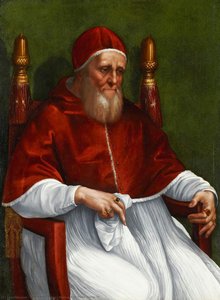
宗教的な献身にとどまらず、コクスィエは政治的・歴史的な権威の重みを捉える類まれな能力も示しました。彼の教皇ユリウス2世の肖像は、細部への見事な探求であり、豪華な赤い法衣を纏ったルネサンス期の教皇を描き出し、布地の質感や顔に落ちる光の戯れに焦点を当てています。この写実的な能力は、より内省的な研究作品にも及んでおり、例えばディオゲネスの痛切な描写などが挙げられます。この作品においてコクスィエは、沈鬱な情緒と古典的な様式を用いて哲学と孤独というテーマを探求しており、彼の技術が物理的な正確さだけでなく、心理的な深みをも追求していたことを証明しています。
歴史的意義と芸術的影響
ラファエロ・コクスィエの歴史的な重要性は、イタリア・ルネサンスの伝統と、進化し続けるフランドル派との間の架け橋としての役割にあります。南方の壮大なスケールと劇的な照明効果を、北方の芸術に特徴的な緻密な観察眼と融合させることで、彼は独自の様式言語の創造に寄与しました。重要なフレスコ画プロジェクトへの参画を含む大規模な作品への貢献は、ヨーロッパ美術の装飾的・叙事的な伝統に消えることのない足跡を残しました。
彼の及ぼした影響の広がりを理解するためには、そのキャリアを支えた以下の柱に注目すべきでしょう。
- 技術的革新:三次元的な奥行きと感情的な共鳴を生み出すための、洗練されたキアロスクーロの使用。
- 古典的影響:偉大なイタリアの巨匠たちから受け継いだ、ヒューマニズムの理想と解剖学的な正確さへの生涯にわたる献身。
- 文化の架け橋:盛期ルネサンスの洗練された美学を、ベルギーの勃興する芸術拠点へとたらえ入れた役割。
1616年の彼の死から数世紀が経過した今もなお、ラファエロ・コクスィエの作品は現代人の目を魅了し続けています。それらは、芸術、科学、そして精神性が分かちがたく結びついていた人類史の一時期を覗くための、極めて重要な窓であり続けています。ルネサンス精神の真髄を捉えた巨匠の美を再発見することは、私たちに新たな感動を与えてくれるのです。
ラファエロ・コクスィエ
1540 - 1616 , ベルギー
基本情報
- Artistic Movement Or Style: 盛期ルネサンス
- Artists Or Movements Influenced By This Artist: ['ミケランジェロ・ブオナローティ']
- Artists Who Influenced This Artist: ['ラファエロ・サンツィオ・ダ・ウルビーノ']
- Date Of Birth: ベルギー、メヘレン (1540年)
- Date Of Death: 1616年
- Full Name: ラファエロ・コイクシー
- Nationality: ベルギー
- Notable Artworks:
- ボルセーナのミサ
- トリヴルツィオ記念碑の習作
- イグーディ (29)
- 最後の審判
- Place Of Birth: メヘレン
関連記事
ラファエロ傑作25選:ルネサンス巨匠の物語と芸術の世界 | ArtsDot
ラファエロの傑作25選🎨 ルネサンス巨匠の物語と芸術の世界を紐解きます。美しい絵画複製や壁掛けアートで、お部屋に名画の彩りを。ArtsDot.comで、美術史に残る作品群をご覧ください✨

Crimson Threads of Narrative: Exploring Symbolism & Representation in Artworks Featuring the Red Dress
Explore the rich symbolism of the red dress in art history! From ancient power displays to iconic portraits like Cézanne’s 'Madame Cezanne', discover the cultural and artistic significance behind this captivating color. Expert analysis & insights.

至高のルネサンス:巨匠が彩った10大傑作の世界
高ルネサンス美術の至宝10選。レオナルド・ダ・ヴィンチ、ミケランジェロ…巨匠たちの傑作を紐解き、時代を超えた美と感動に触れる旅へ。ArtsDot.comで、あなただけの空間を芸術で彩りませんか?
The Eloquent Form: A Historical & Aesthetic Exploration of the Nude in Art
Explore the captivating history of the nude in art! From ancient Greece to modern masters, discover its evolving symbolism, techniques & enduring beauty. Expert insights for collectors and enthusiasts.

The Nuances of Graphite: Exploring Emotional Depth & Technical Mastery in Pencil Drawing
Explore the captivating world of graphite drawing! Discover its rich history, master essential techniques like chiaroscuro, and learn how artists evoke emotion through this timeless medium. Expert insights for art enthusiasts.

