

 プレビュー
プレビュー
 プリントを購入
 シェアする
シェアする シェアする
シェアする
 詳細を見る
詳細を見る

 ダウンロード
 似ている作品
 X線調査
X線調査 スライドショー
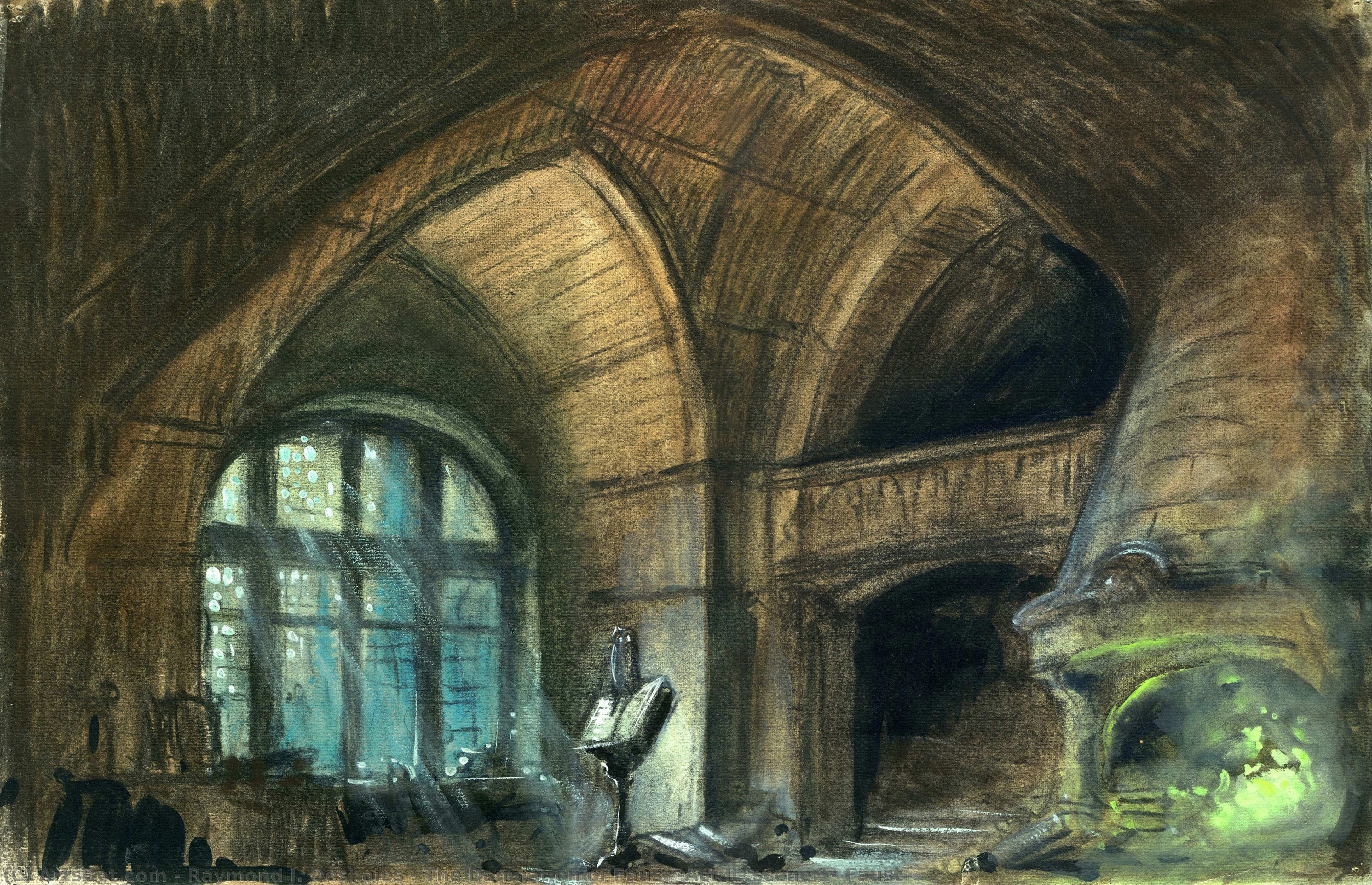
The Damnation of Faust (Act II, scene 1, Faust


 詳細を見る
詳細を見る
オンラインプレビューをはるかに凌ぐ、高解像度で鮮明なデジタル画像をご購入いただけます。
各ファイルは、社内の専門家が高度なツールと熟練した手作業によるレタッチを用いて、細心の注意を払って準備されています。すべての画像において、卓越した鮮明度、正確な色彩再現性、そして繊細なディテールを保証いたします。
最終ファイルは、プロフェッショナルな編集・印刷環境ですぐにご利用いただけるよう最適化された状態で、72時間以内にメールにてお届けいたします。これは、一流のデザインスタジオ、出版社、ギャラリーから信頼されているものと同等の品質です。
デジタル画像のご注文に付随する特典
高品質なデジタル画像配信を、確かな品質で。
ArtsDot.com を選ぶことは、単に画像を手に入れることではありません。それは、プロの手によって精密に仕上げられ、満足保証が付いた高品質なデジタルアートワークを受け取ることを意味します。ご注文いただいた際に自動的に付随する内容は、以下の通りです:

メールですぐにお届け
ご注文から72時間以内に、高解像度のデジタル画像ファイルがメールでお手元に届きます。すぐにそのままご利用いただけます。

AI技術で最適化されたデジタルファイル
お客様の作品は、高度なAIツールと専門家による手作業の編集を組み合わせてプロフェッショナルに最適化されており、細部のディテール、鮮明さ、そして正確な色再現性を最大限に引き出しています。

一生涯無料の再送サービス
ファイルを誤って削除したり、紛失してしまったりしましたか?ご安心ください。いつでも無料で再送いたします。

輸入手数料は一切かかりません
関税や手数料、配送料を気にすることなく、お気に入りのアートワークをすぐにお楽しみいただけます。デジタルダウンロードは常に免税です。

色彩再現の保証
プロ仕様のツールとカラーマネジメント技術を用いることで、デジタル画像が元の色を最大限に忠実に再現することを保証いたします。

60日間満足保証
ご購入いただいたデジタル画像にご満足いただけない場合は、60日以内であれば、修正または100%の返金(理由を問う必要はありません)をさせていただきます。

100% 返金保証
ご満足いただけない場合は、デジタルファイルを受け取ってから60日以内であれば、理由を問わず全額返金いたします。

まとめ買い割引
3枚購入で10%OFF - 5枚購入で15%OFF - 10枚以上購入で20%OFF。クリエイティブなプロジェクト、ギャラリー、エージェンシーに最適です。
関連作品








作家の略歴
The Alchemist of Light and Lyricism
In the rare intersection where the precision of molecular biology meets the sweeping drama of the operatic stage, one finds the singular vision of Raymond J. Deshaies. An artist whose work functions as a bridge between two seemingly disparate worlds, Deshaies brings a scientist’s eye for detail to the ethereal realms of classical music and historical narrative. Born in Waterbury, Connecticut, in 1961, his journey began not with a paintbrush, but with the microscopic wonders of life itself. His academic path, marked by a doctorate from the University of California, Berkeley, and a distinguished professorship at Caltech, established him as a formidable figure in the field of biochemistry. Yet, beneath the rigorous study of protein homeostasis and cellular degradation lies an enduring passion for the lyrical beauty of opera, a passion that would eventually transform his scientific discipline into a profound method of artistic inquiry.
Deshaies’s approach to illustration is far more than mere decoration; it is a visual dissection of emotion. Drawing upon his deep understanding of physiological nuance, he approaches the canvas as if examining the very essence of human experience. When he depicts the sun-drenched streets of Seville in Carmen or the opulent, chandelier-lit ballrooms of Romeo and Juliet, he is not simply recreating a set; he is capturing the visceral sensations of the characters. His background in cell biology allows him to perceive the subtle interplay of light, posture, and facial expression as elements that constitute the psychological landscape of a scene. This unique perspective imbues his work with a sense of theatrical suspended animation, where every brushstroke serves to freeze a moment of profound dramatic tension.
A Symphony of Gouache and Shadow
The technical mastery of Deshaies is most evident in his use of gouache, a medium that allows for the rich, opaque textures necessary to convey the weight of history and the fluidity of atmosphere. In his celebrated depictions of The Tales of Hoffmann, particularly the Venetian dreamscape of Act IV, one can witness a breathtaking mastery of light and shadow. He utilizes the medium to create a luminous world where the architecture of Venice meets the shimmering surface of the lagoon, bathing the scene in a warm, golden glow that evokes both romance and a haunting sense of nostalgia. The meticulousness of his technique—a hallmark of his scientific training—is visible in the way light interacts with the surfaces of ancient buildings and the gentle, rhythmic ripples of the canal.
His oeuvre is characterized by several key thematic explorations:
- The Intersection of Science and Art: Utilizing the analytical rigor of biochemistry to inform the composition, lighting, and emotional depth of his illustrations.
- Operatic Narrative: Reimagining iconic moments from masterpieces such as Faust, Carmen, and The Tales of Hoffmann through a lens of visual storytelling.
- Atmospheric Realism: Creating immersive environments that transport the viewer to specific historical and geographical locales, from the bustling squares of Andalusia to the majestic palaces of Venice.
Ultimately, the significance of Raymond J. Deshaies lies in his ability to prove that the analytical and the expressive are not mutually exclusive. His work stands as a testament to the idea that a deep understanding of the physical world can enhance our appreciation for the ephemeral beauty of art. Through his illustrations, the complex mechanisms of life and the dramatic crescendos of the opera house find a common language, resulting in a body of work that is as intellectually stimulating as it is visually captivating.
raymond j. deshaies
1961 - , United States of America
プロフィール概要
- Artistic Movement Or Style: Opera Illustration
- Date Of Death: Living
- Full Name: Raymond J. Deshaies
- Nationality: American
- Notable Artworks:
- Romeo and Juliet (Act I, a party at the Capulets)
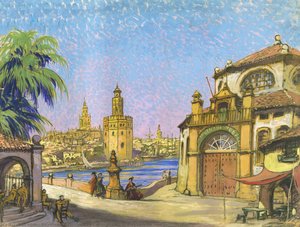
- Carmen (Act I, a square in Seville)
- The Tales of Hoffmann (Act IV, Giulietta a palace in Venice)
- Place Of Birth: United States of America

