

 プレビュー
プレビュー
 プリントを購入
 シェアする
シェアする シェアする
シェアする
 詳細を見る
詳細を見る

 ダウンロード
 似ている作品
 X線調査
X線調査 スライドショー
Untitled (653)

 詳細を見る
詳細を見る




































作品のオリジナル比率に合わせた、当店の規定サイズからお選びください。

特定のフレームやスペースに合わせて、ご希望のサイズをご入力いただけます。選択されたサイズが元の画像の比率と異なる場合、アートワークをトリミングするか、手描きで要素を追加して絵画を拡張いたします。デジタルモックアップ を制作し、制作開始前にご確認(承認)をいただきます。
画面上のプレビューは、実際のトリミングや拡張を正確に反映しているものではありません。最終的な構図は、モックアップによってのみ正確にご確認いただけます。
カスタムサイズもご利用いただけますが、元の比率を維持するためには、あらかじめ用意されたリストからサイズを選択することをお勧めいたします。
ご注文後、ArtsDot.com チームより詳細な指示をお送りするとともに、仕上がりイメージ(モックアップ)をご提供いたします。


 ガラスオプションは、110cm未満のサイズでのみご利用いただけます。

Untitled (653)
複製技法
複製画のサイズ
-


合計金額
$ 263
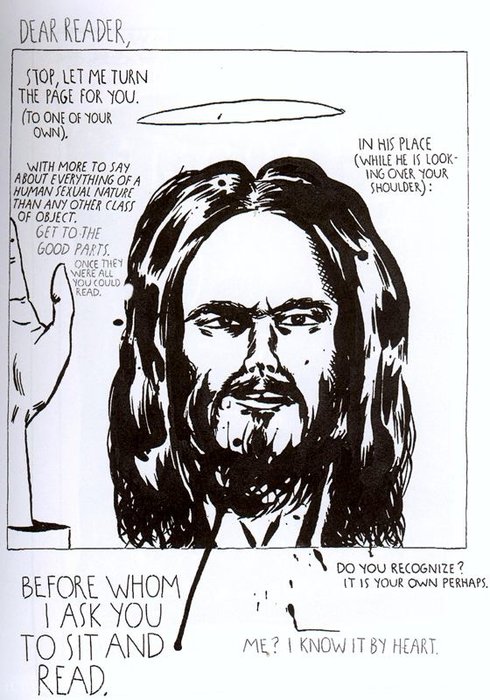
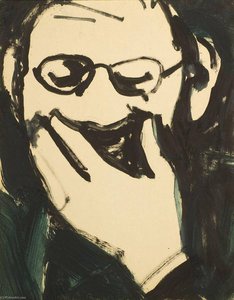
Untitled (653): A Raw Portrait of Introspection
Raymond Pettibon's Untitled (653) is a striking black and white drawing that encapsulates the raw energy and unsettling introspection characteristic of his unique artistic vision. This work, seemingly plucked from a page of a zine or underground comic, presents a portrait of a man with long hair and a beard, rendered in a deliberately crude yet compelling style. The piece isn't merely a depiction; it’s an encounter – a direct address that invites the viewer into a space of vulnerability and unease.
Style & Technique: Punk Roots and Comic Book Aesthetics
Pettibon emerged from the vibrant Southern California punk rock scene of the early 1980s, initially creating posters and album art for bands like Black Flag (managed by his brother, Greg Ginn). This background profoundly shaped his artistic style. Untitled (653) exemplifies this influence, exhibiting a distinct blend of naive or outsider art sensibilities with elements borrowed from comic book aesthetics. The technique is direct and immediate – ink applied to paper with a palpable sense of urgency. Notice the prominent hand-drawn lines, varying in thickness and consistency, which define the figure and create shading through hatching and cross-hatching. There's an intentional lack of refinement; it’s a sketch brought to life, imbued with a raw, almost confrontational energy.
Composition & Symbolism: Layers of Meaning
The composition is deliberately unsettling. The central figure is positioned centrally but lacks perfect symmetry, contributing to the overall feeling of being slightly off-kilter. Strategic placement of handwritten text blocks – surrounding the portrait like a fragmented narrative – adds layers of meaning and creates an intimate yet disquieting atmosphere. These textual elements aren't merely decorative; they seem to directly address the viewer, amplifying the sense of vulnerability and paranoia that permeates the work.
- Subject Matter: A solitary figure confronting the viewer.
- Symbolism: The crude style and ambiguous expression suggest introspection, alienation, and a questioning of identity.
- Textual Overlay: Functions as an internal monologue or external commentary on the subject's state of mind.
Historical Context & Emotional Impact
Untitled (653) reflects Pettibon’s broader exploration of American culture, politics, and personal anxieties. Rooted in the DIY ethos of punk rock and zine culture, it rejects traditional artistic conventions in favor of a more immediate and visceral form of expression. The artwork evokes a complex range of emotions – introspection, alienation, unease, and even a sense of paranoia. It’s a powerful reminder of the anxieties inherent in modern life, presented through a uniquely compelling visual language that continues to resonate with audiences today.
関連作品
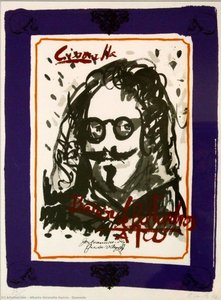
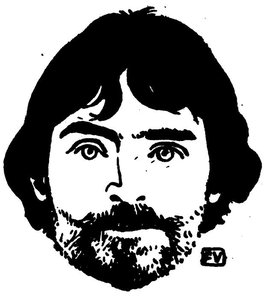
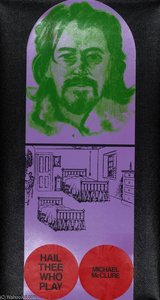
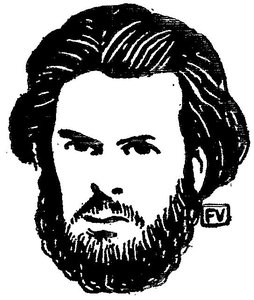
アーティストの略歴
A Collision of Worlds: The Life and Art of Raymond Pettibon
Raymond Pettibon, born Raymond Ginn in 1957 in Tucson, Arizona, is an artist whose work exists at a fascinating intersection of high and low culture. His journey from the burgeoning punk rock scene of Southern California to international recognition within the fine art world is a testament to his unique vision and unwavering commitment to a deeply personal aesthetic. Raised in Hermosa Beach as a Christian Scientist, Pettibon’s early life was shaped by both a strict upbringing and the emerging countercultural currents of the 1970s. His father, an English teacher and author of spy novels, instilled a love of literature, while his brother, Greg Ginn, would introduce him to the raw energy and rebellious spirit of punk rock – a force that would irrevocably alter the course of his artistic development. Pettibon’s academic pursuits led him to UCLA where he earned a degree in economics, but it was the visceral immediacy of music and visual expression that truly captured his imagination.From Black Flag to Artistic Independence
Pettibon's initial foray into the creative world wasn’t through galleries or museums, but through the DIY ethos of the punk scene. Initially a bass player for his brother’s band, Black Flag, he soon found himself drawn more towards visual communication. He became the de facto artist-in-residence for SST Records, the label founded by Greg Ginn, creating iconic album covers, posters, and merchandise that visually defined the sound and attitude of a generation. These weren't simply promotional materials; they were miniature works of art in themselves – stark black-and-white ink drawings often accompanied by provocative text, reflecting the angst, alienation, and political undercurrents of the era. This period saw the birth of “Superflux Pubs,” limited-edition photocopied booklets that served as a crucial outlet for Pettibon’s evolving ideas and aesthetics, showcasing his early experiments with narrative and image. These self-published works are now considered integral to understanding the full scope of his artistic output. The influence of artists like William Blake and Francisco Goya is palpable in these early pieces – a fascination with dramatic imagery and emotionally charged symbolism that would become hallmarks of his style.A Distinctive Visual Language
Pettibon’s artistic style is instantly recognizable. Primarily working with India ink on paper, he creates drawings characterized by their loose, expressive lines and often unsettling juxtapositions. While initially rooted in black-and-white, his palette gradually expanded to incorporate collage elements, pencil shading, watercolor washes, gouache, and acrylic paint, adding layers of complexity and nuance to his work. Recurring themes permeate his oeuvre: American iconography, literary references (particularly Henry James and Marcel Proust), art history, politics, sports – especially baseball – pop culture, and sexuality. He frequently combines original writing with quotes from diverse sources, creating ambiguous narratives that invite multiple interpretations. His drawings aren’t meant to provide answers; they are designed to provoke questions, challenge assumptions, and expose the contradictions inherent in American society. The sheer volume of his output is remarkable—thousands of drawings created over decades, a testament to his relentless creative energy and unwavering dedication to his craft.Recognition and Legacy
By the mid-1980s, Pettibon’s work began to attract attention from the wider art world. Exhibitions at major galleries and museums followed, including the Museum of Modern Art in New York, Kunsthaus Zurich, and participation in the prestigious Whitney Biennial. This recognition was accompanied by numerous awards, including the Louis Comfort Tiffany Foundation Award (1991), the Wolfgang Hahn Prize (2001), the Bucksbaum Award from the Whitney Museum (2004), and the Oskar Kokoschka Prize (2010). Beyond gallery walls, Pettibon’s influence extended into popular culture. He created a temporary billboard for New York City's High Line featuring a baseball drawing, and his artwork even inspired the music video for Red Hot Chili Peppers’ “Monarchy of Roses.” Raymond Pettibon stands as a pivotal figure in contemporary art, bridging the gap between punk rock aesthetics and fine art sensibilities. He has profoundly influenced subsequent generations of artists with his critical commentary on American culture and politics, delivered through a uniquely compelling visual language. His work continues to evolve, exploring new mediums and themes while remaining true to the raw energy and intellectual rigor that define his artistic vision. He remains an active artist today, solidifying his place as one of the most important and influential artists of our time.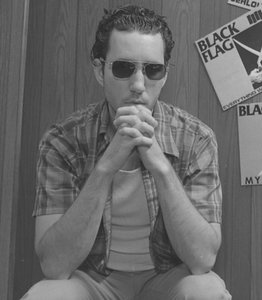
Raymond Pettibon
1957 - , United States of America
基本情報
- Artistic Movement Or Style: Punk Art, Contemporary
- Artists Or Movements Influenced By This Artist: Contemporary artists
- Artists Who Influenced This Artist:
- William Blake
- Francisco Goya
- Date Of Birth: June 16, 1957
- Full Name: Raymond Pettibon
- Nationality: American
- Notable Artworks:
- Untitled (653)
- Untitled (658)
- Album Cover Sonic Youth
- Place Of Birth: Tucson, USA
関連記事

White on Canvas: 10 Masterpieces & Timeless Elegance for Your Home Decor
Explore 10 iconic white paintings by Monet, Whistler & Rothko! Discover the stories behind these serene masterpieces and their impact on art history. Find museum-quality reproductions for your home decor at .

Dark Masterpieces: 10 Iconic Paintings Dominated by Black Tones |
Explore 10 iconic paintings dominated by black tones, from Rembrandt’s chiaroscuro to Goya's dark expressions. Discover the stories behind these masterpieces & find museum-quality art reproductions for your home at .

Monochrome Visions: Exploring the Aesthetic & Historical Significance of Black & White Photography
Explore the rich history & artistic power of black and white photography. From early techniques to iconic masters like Ansel Adams, discover why monochrome continues to captivate art lovers today. Expert insights for collectors.
Timeless & Chic: Elevating Your New Home with the Sophistication of Black and White Photography
Transform your new home with the timeless allure of black and white photography. ArtsDot.com specializes in elegant monochrome decor and custom hand-painted wedding portraits that turn cherished milestones into lasting, soulful masterpieces. Elevate your space with ease.
Mars Black Masterpieces: 10 Iconic Paintings & Timeless Art Decor Ideas
Delve into the power of 'Mars Black' with 10 iconic paintings by masters like Rembrandt & Caravaggio. Explore dramatic chiaroscuro, gothic art, and timeless beauty. Find museum-quality reproductions & elevate your home decor on .