

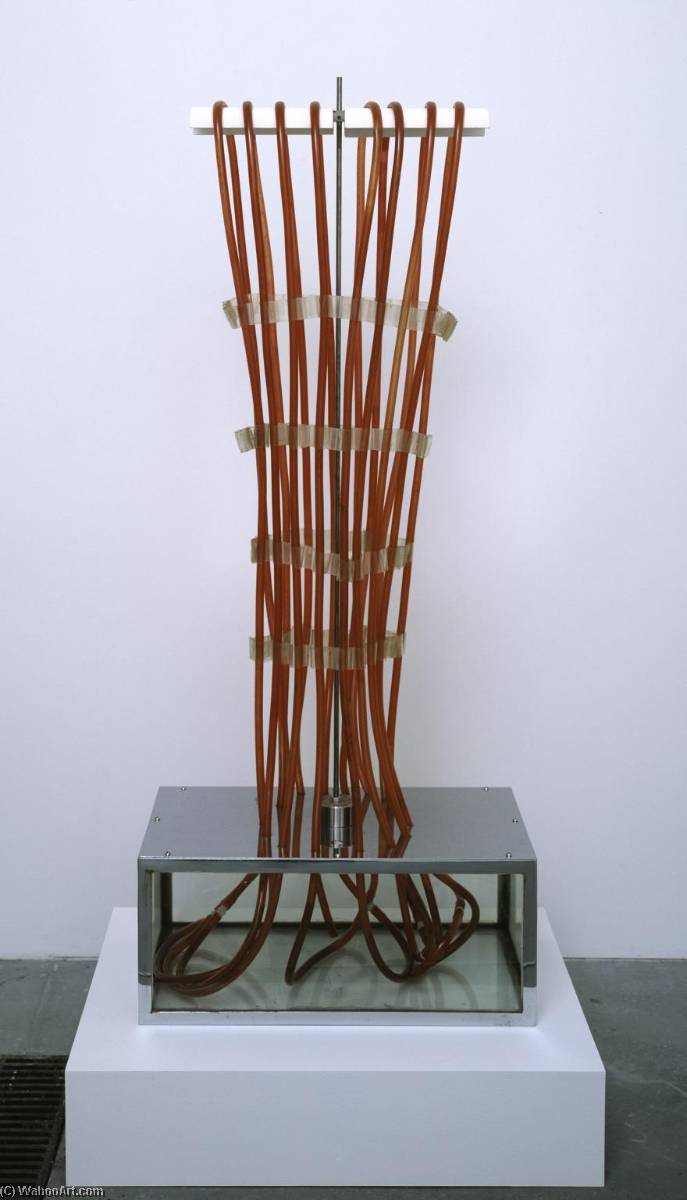
 プレビュー
プレビュー
 シェアする
シェアする シェアする
シェアする
 詳細を見る
詳細を見る

 ダウンロード
 似ている作品
 X線調査
X線調査 スライドショー
 Stats
StatsOverflowing Blood Machine


 詳細を見る
詳細を見る
ジークレー/アートプリント
迅速な制作と多彩な仕上げオプションを備えた、ミュージアムクオリティのジークレーまたはキャンバスプリント。 ( 手描きの絵画を購入 Switch to Digital Image)




































作品のオリジナル比率に合わせた、当店の規定サイズからお選びください。

特定のフレームやスペースに合わせて、ご自身でサイズを指定することも可能です。選択されたサイズが元の画像の比率と一致しない場合、作品をトリミングするか、鏡面反射または単色での塗りつぶしによって画像を拡張いたします。制作を開始する前に、ご確認用のデジタルモックアップをお送りいたします。
画面上のプレビューには、実際のトリミングや拡張は反映されませんのでご注意ください。最終的な構図を正確に確認できるのは、モックアップのみとなります。
カスタムサイズも承っておりますが、元の比率を維持するためには、あらかじめ用意されたリストからサイズを選択することをお勧めいたします。


 ガラスオプションは、110cm未満のサイズでのみご利用いただけます。

Overflowing Blood Machine
ジークレー/アートプリント
複製画のサイズ
-


合計金額
$ 62
関連作品


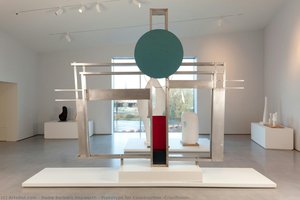

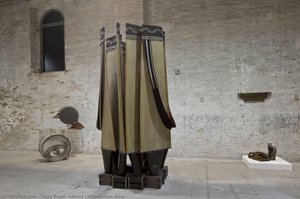

アーティストの略歴
A Life Shaped by Displacement and the Body
Rebecca Horn, a pivotal figure in post-war German art, passed away on September 6, 2024, leaving behind a legacy of intensely personal and profoundly innovative work. Born March 24, 1944, in Michelstadt, Germany, her life was immediately shadowed by the aftermath of conflict and displacement. The experience of growing up in a fractured world, coupled with a childhood spent largely within the confines of boarding schools after the age of nine, instilled in Horn a deep sensitivity to isolation and vulnerability – themes that would become central to her artistic explorations. Early communication proved challenging; taught to draw by a Romanian governess, she found solace and expression through art as a means of navigating language barriers and the emotional turbulence of a world rebuilding itself. This early reliance on visual language laid the foundation for a career dedicated to exploring the unspoken narratives of the body and its relationship to space.From Convalescence to Kinetic Sculpture
Horn’s formal artistic journey began with studies in economics, quickly abandoned for enrollment at the Hochschule für bildende Künste Hamburg in 1963. However, a pivotal moment arrived in 1964 when severe lung inflammation, contracted while working with fiberglass without proper protection, forced a year-long convalescence. This period of physical limitation proved transformative. Confined to her bed, Horn began creating body sculptures – delicate constructions of balsa wood and cloth that extended and altered the human form. These early works weren’t merely aesthetic exercises; they were born from necessity, a way to engage with the world when physical movement was restricted. This experience instilled in her a heightened awareness of sensory perception and the fragility of the human body, themes that would permeate her subsequent work. Emerging from this period, Horn's artistic direction shifted towards softer materials and an exploration of how external objects could become extensions of the self, blurring the boundaries between interiority and exterior reality.Performance, Film, and the Exploration of Boundaries
The 1970s saw Horn emerge as a leading figure in performance art, pushing the limits of bodily expression. Works like Einhorn (Unicorn) (1970-72), presented at Documenta 5 in Kassel, became iconic representations of her artistic vision. The performer, adorned with a large, phallic horn extending from their head, navigated both natural and constructed environments, embodying themes of myth, modernity, and the complexities of female identity. Simultaneously, sculptures like Pencil Mask (1972) and Finger Gloves (1972) extended the body’s reach and sensory capabilities, visually mapping movement and interaction with space. This exploration of bodily extension wasn't limited to sculpture and performance; Horn seamlessly transitioned into filmmaking, directing works such as Der Eintänzer (1978), La ferdinanda: Sonate für eine Medici-Villa (1982), and Buster’s Bedroom (1990). Her films often incorporated sculptural elements, further blurring the lines between disciplines and reinforcing her fascination with the body, space, and perception.Site-Specific Installations and a Lasting Legacy
Throughout the 1980s and beyond, Horn’s work evolved into large-scale, site-specific installations that responded to the history and memory of particular environments. These immersive experiences often incorporated kinetic elements – machines that moved and interacted with their surroundings, creating dynamic and engaging visual narratives. The intersection of human and machine became a recurring motif, exploring themes of control, vulnerability, and the potential for both harmony and discord between organic and inorganic forms. In 1989 she took over a professorship at the Berlin University of the Arts, mentoring young artists and solidifying her position as an influential figure in the art world. She founded the Moontower Foundation in Bad König, providing a space for artistic creation and exhibition. Horn’s contributions were widely recognized through numerous awards, including the Carnegie Prize (1988) and the Kaiserring Goslar (1992). Her work continues to resonate with audiences today, challenging conventional notions of art, body, and identity. Rebecca Horn's innovative spirit and unwavering commitment to exploring the human condition have secured her place as a pivotal figure in contemporary art history.
Rebecca Horn
1944 - , Germany
基本情報
- Artistic Movement Or Style: Installation, Performance Art
- Date Of Birth: March 24, 1944
- Date Of Death: September 6, 2024
- Full Name: Rebecca Horn
- Nationality: German
- Notable Artworks:
- Einhorn (Unicorn)
- Pencil Mask
- Finger Gloves
- Overflowing Blood Machine
- Place Of Birth: Michelstadt, Germany
関連記事

The Enduring Form: Exploring Themes & Techniques in Sculpture Across Historical Periods
Explore the rich history of sculpture from ancient masterpieces to contemporary innovations. Discover key techniques, influential artists & investment potential for discerning art collectors.

Bronze Age to Modern Masters: 10 Sculptures That Redefined Art | ArtsDot
Journey through art history with 10 legendary bronze sculptures – from Michelangelo's David to Rodin’s Thinker. Explore the stories, techniques & timeless beauty of these masterpieces. Find museum-quality reproductions & elevate your home decor on ArtsDot.com.

幾何学的抽象絵画を定義した傑作10選|アート、アーティスト、インテリア装飾
モンドリアン、マレーヴィチ…幾何学的抽象絵画を代表する傑作10選。各作品の背景や色彩構成、アーティストの情熱に迫ります。美術館品質の複製画はArtsDot.comで。オンラインでアートコレクションをご覧ください。

The Enduring Form: Sculpture Across History, Technique & Emotional Resonance
Explore the rich history of sculpture with ArtsDot. Discover key techniques, influential artists & investment potential for discerning collectors. Expert insights into valuing and collecting timeless masterpieces.

Bronze Sculptures That Defined Art History | ArtsDot
Journey through art history with our Top 10 bronze sculptures! Explore masterpieces by Rodin, Michelangelo & more. Discover stories behind iconic statues and find museum-quality reproductions for your home decor at ArtsDot.com.