

 プレビュー
プレビュー
 プリントを購入
 シェアする
シェアする シェアする
シェアする
 詳細を見る
詳細を見る

 ダウンロード
 似ている作品
 X線調査
X線調査 スライドショー
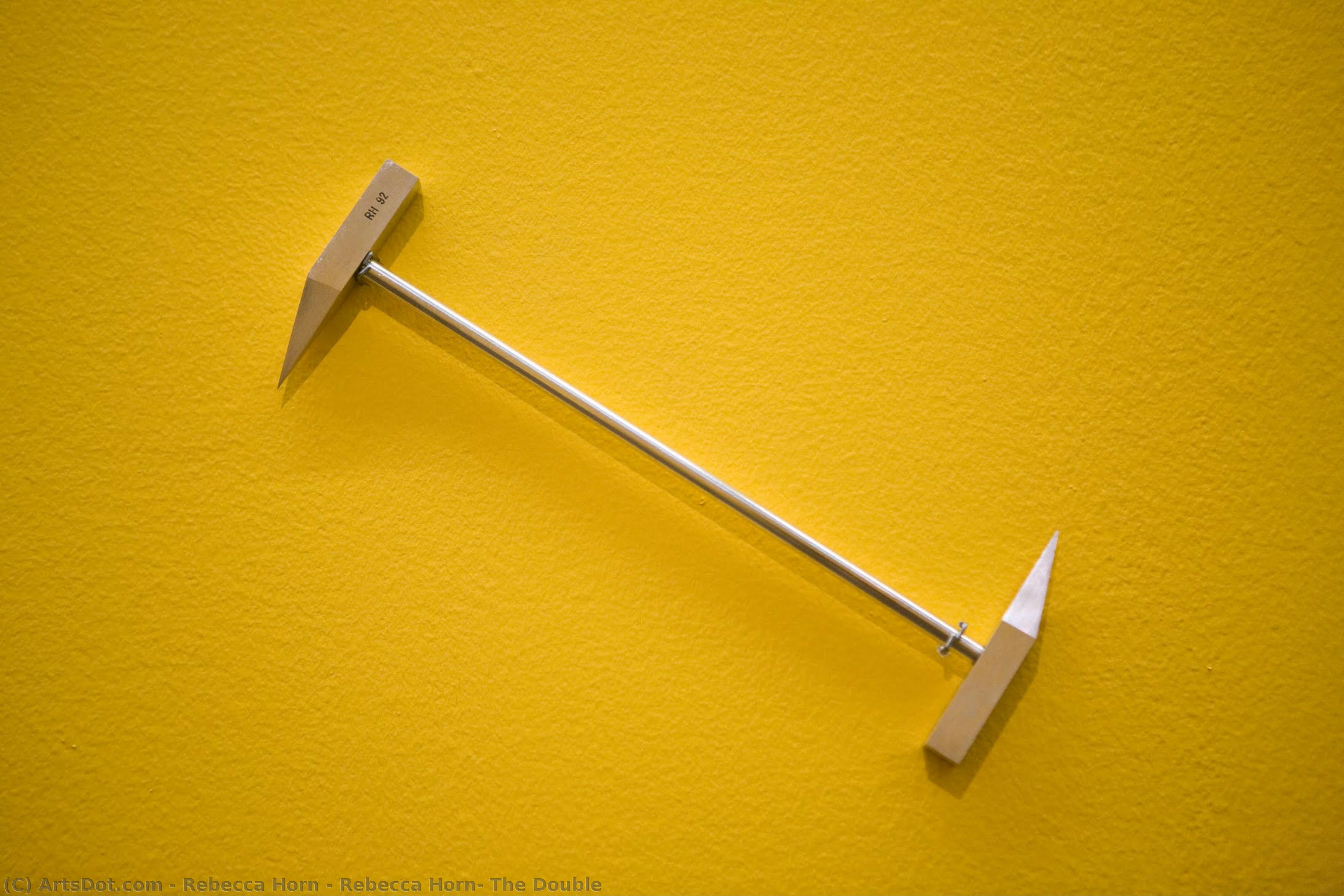
Rebecca Horn, The Double


 詳細を見る
詳細を見る
オンラインプレビューをはるかに凌ぐ、高解像度で鮮明なデジタル画像をご購入いただけます。
各ファイルは、社内の専門家が高度なツールと熟練した手作業によるレタッチを用いて、細心の注意を払って準備されています。すべての画像において、卓越した鮮明度、正確な色彩再現性、そして繊細なディテールを保証いたします。
最終ファイルは、プロフェッショナルな編集・印刷環境ですぐにご利用いただけるよう最適化された状態で、72時間以内にメールにてお届けいたします。これは、一流のデザインスタジオ、出版社、ギャラリーから信頼されているものと同等の品質です。
デジタル画像のご注文に付随する特典
高品質なデジタル画像配信を、確かな品質で。
ArtsDot.com を選ぶことは、単に画像を手に入れることではありません。それは、プロの手によって精密に仕上げられ、満足保証が付いた高品質なデジタルアートワークを受け取ることを意味します。ご注文いただいた際に自動的に付随する内容は、以下の通りです:

メールですぐにお届け
ご注文から72時間以内に、高解像度のデジタル画像ファイルがメールでお手元に届きます。すぐにそのままご利用いただけます。

AI技術で最適化されたデジタルファイル
お客様の作品は、高度なAIツールと専門家による手作業の編集を組み合わせてプロフェッショナルに最適化されており、細部のディテール、鮮明さ、そして正確な色再現性を最大限に引き出しています。

一生涯無料の再送サービス
ファイルを誤って削除したり、紛失してしまったりしましたか?ご安心ください。いつでも無料で再送いたします。

輸入手数料は一切かかりません
関税や手数料、配送料を気にすることなく、お気に入りのアートワークをすぐにお楽しみいただけます。デジタルダウンロードは常に免税です。

色彩再現の保証
プロ仕様のツールとカラーマネジメント技術を用いることで、デジタル画像が元の色を最大限に忠実に再現することを保証いたします。

100日間満足保証
ご購入いただいたデジタル画像にご満足いただけない場合は、100日以内であれば、理由を問わず修正または100%の返金対応をさせていただきます。

100% 返金保証
ご満足いただけない場合は、デジタルファイルを受け取ってから100日以内であれば、理由を問わず全額返金いたします。

まとめ買い割引
3枚購入で10%OFF - 5枚購入で15%OFF - 10枚以上購入で20%OFF。クリエイティブなプロジェクト、ギャラリー、エージェンシーに最適です。
The Poetics of Precision: Encountering Rebecca Horn’s The Double
In the quiet, striking composition of Rebecca Horn’s The Double, we are invited into a space where the mundane is elevated to the realm of the profound. At first glance, the viewer is met with a startlingly vibrant yellow backdrop, a field of color so saturated it seems to vibrate against the retina. Suspended within this luminous void is a singular, silver metallic object—a pair of shears that appears to float, weightless and defiant, against the wall. This minimalist arrangement does not merely present an object; it stages a silent drama. The sharp, industrial precision of the metal contrasts breathtakingly with the warmth of the yellow expanse, creating a visual tension that pulls the eye toward the center of the frame, demanding a moment of stillness and deep observation.
The brilliance of this piece lies in its ability to transform a simple tool into a symbol of duality and severance. As an artist, Rebecca Horn was renowned for her ability to explore the boundaries of the body and its extensions, often using mechanical or sculptural elements to mirror human vulnerability and psychological states. In The Double, the scissors serve as a potent metaphor for the act of division—the ability to cut, to separate, and to define. The title itself suggests a mirroring effect, perhaps hinting at the way an object can become a surrogate for the self or how our perceptions are split between the physical reality of the metal and the emotional resonance of its form.
A Legacy of Sensory Exploration
To understand the impact of this work, one must look to the profound history of the artist herself. Born in the shadow of post-war Germany, Horn’s life was marked by themes of displacement and isolation, elements that she masterfully translated into a visual language of sensitivity and precision. Her work often bridges the gap between sculpture and performance, using objects to evoke the "unspoken narratives" of human existence. In this particular piece, we see the culmination of her lifelong investigation into how physical matter interacts with space and emotion. The technique—a masterful use of negative space and high-contrast color—allows the viewer to experience a sense of suspended animation, as if time itself has been paused by the very blades depicted.
For the discerning collector or interior designer, The Double offers a sophisticated solution for modern spaces that demand both character and calm. The piece functions as a powerful focal point in minimalist or contemporary settings, where its bold color palette can breathe life into a neutral room, or where its sharp lines can complement architectural geometry. A high-quality reproduction of this work brings not just a splash of color, but an intellectual depth to a home or gallery. It is an invitation to contemplate the beauty found in simplicity and the profound stories hidden within the most unexpected objects.
関連作品
作家の略歴
A Life Shaped by Displacement and the Body
Rebecca Horn, a pivotal figure in post-war German art, passed away on September 6, 2024, leaving behind a legacy of intensely personal and profoundly innovative work. Born March 24, 1944, in Michelstadt, Germany, her life was immediately shadowed by the aftermath of conflict and displacement. The experience of growing up in a fractured world, coupled with a childhood spent largely within the confines of boarding schools after the age of nine, instilled in Horn a deep sensitivity to isolation and vulnerability – themes that would become central to her artistic explorations. Early communication proved challenging; taught to draw by a Romanian governess, she found solace and expression through art as a means of navigating language barriers and the emotional turbulence of a world rebuilding itself. This early reliance on visual language laid the foundation for a career dedicated to exploring the unspoken narratives of the body and its relationship to space.From Convalescence to Kinetic Sculpture
Horn’s formal artistic journey began with studies in economics, quickly abandoned for enrollment at the Hochschule für bildende Künste Hamburg in 1963. However, a pivotal moment arrived in 1964 when severe lung inflammation, contracted while working with fiberglass without proper protection, forced a year-long convalescence. This period of physical limitation proved transformative. Confined to her bed, Horn began creating body sculptures – delicate constructions of balsa wood and cloth that extended and altered the human form. These early works weren’t merely aesthetic exercises; they were born from necessity, a way to engage with the world when physical movement was restricted. This experience instilled in her a heightened awareness of sensory perception and the fragility of the human body, themes that would permeate her subsequent work. Emerging from this period, Horn's artistic direction shifted towards softer materials and an exploration of how external objects could become extensions of the self, blurring the boundaries between interiority and exterior reality.Performance, Film, and the Exploration of Boundaries
The 1970s saw Horn emerge as a leading figure in performance art, pushing the limits of bodily expression. Works like Einhorn (Unicorn) (1970-72), presented at Documenta 5 in Kassel, became iconic representations of her artistic vision. The performer, adorned with a large, phallic horn extending from their head, navigated both natural and constructed environments, embodying themes of myth, modernity, and the complexities of female identity. Simultaneously, sculptures like Pencil Mask (1972) and Finger Gloves (1972) extended the body’s reach and sensory capabilities, visually mapping movement and interaction with space. This exploration of bodily extension wasn't limited to sculpture and performance; Horn seamlessly transitioned into filmmaking, directing works such as Der Eintänzer (1978), La ferdinanda: Sonate für eine Medici-Villa (1982), and Buster’s Bedroom (1990). Her films often incorporated sculptural elements, further blurring the lines between disciplines and reinforcing her fascination with the body, space, and perception.Site-Specific Installations and a Lasting Legacy
Throughout the 1980s and beyond, Horn’s work evolved into large-scale, site-specific installations that responded to the history and memory of particular environments. These immersive experiences often incorporated kinetic elements – machines that moved and interacted with their surroundings, creating dynamic and engaging visual narratives. The intersection of human and machine became a recurring motif, exploring themes of control, vulnerability, and the potential for both harmony and discord between organic and inorganic forms. In 1989 she took over a professorship at the Berlin University of the Arts, mentoring young artists and solidifying her position as an influential figure in the art world. She founded the Moontower Foundation in Bad König, providing a space for artistic creation and exhibition. Horn’s contributions were widely recognized through numerous awards, including the Carnegie Prize (1988) and the Kaiserring Goslar (1992). Her work continues to resonate with audiences today, challenging conventional notions of art, body, and identity. Rebecca Horn's innovative spirit and unwavering commitment to exploring the human condition have secured her place as a pivotal figure in contemporary art history.
Rebecca Horn
1944 - , Germany
プロフィール概要
- Artistic Movement Or Style: Installation, Performance Art
- Date Of Birth: March 24, 1944
- Date Of Death: September 6, 2024
- Full Name: Rebecca Horn
- Nationality: German
- Notable Artworks:
- Einhorn (Unicorn)
- Pencil Mask
- Finger Gloves
- Overflowing Blood Machine
- Place Of Birth: Michelstadt, Germany