

 プレビュー
プレビュー
 プリントを購入
 シェアする
シェアする シェアする
シェアする
 詳細を見る
詳細を見る

 ダウンロード
 似ている作品
 X線調査
X線調査 スライドショー
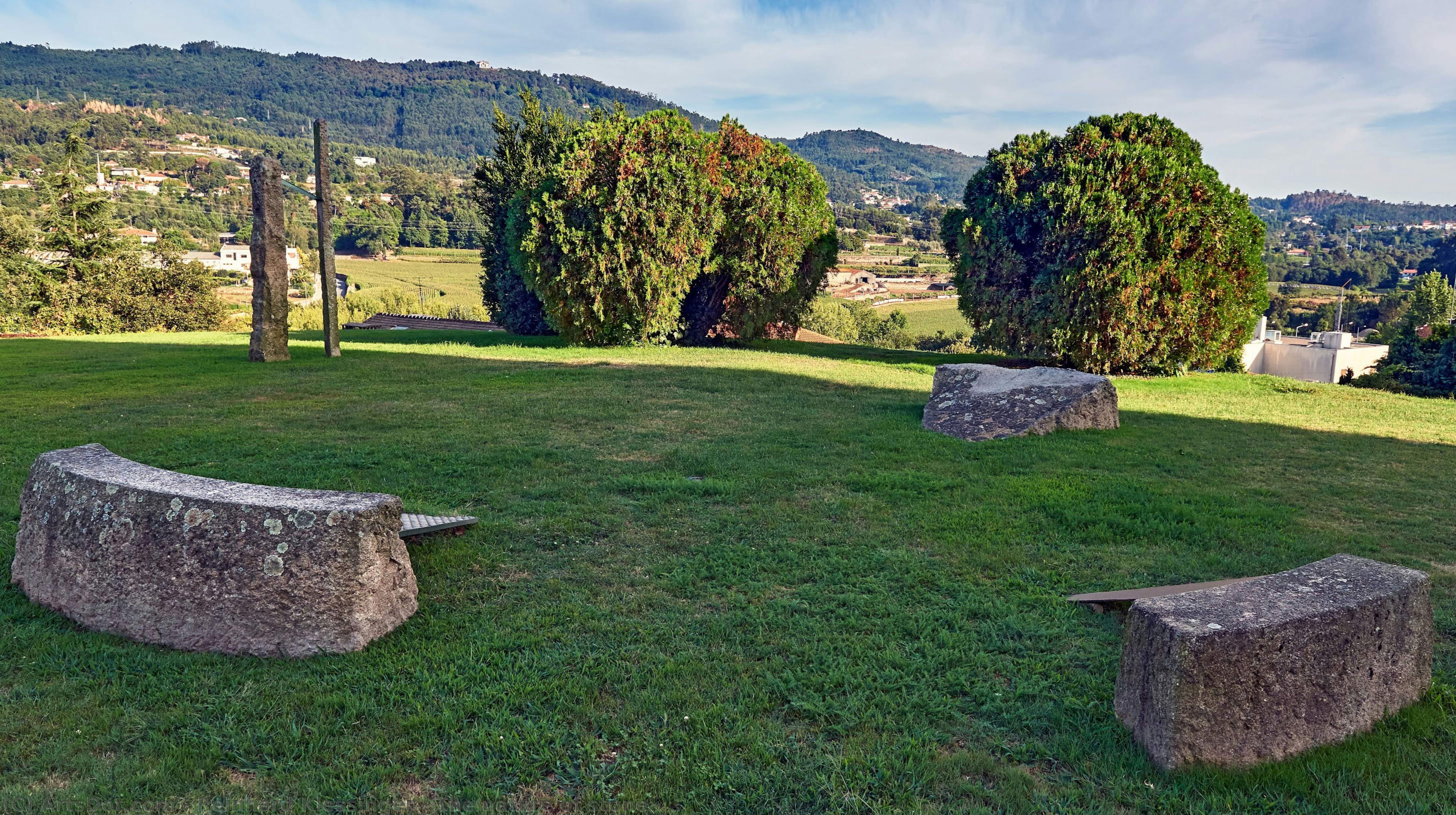
The nature of stone
 Painting
- Contemporary Minimalism
 1991
1991- Contemporary
 370.0 x 800.0 cm
 Rede Portuguesa de Arte Contemporânea a Norte
 詳細を見る
詳細を見る
オンラインプレビューをはるかに凌ぐ、高解像度で鮮明なデジタル画像をご購入いただけます。
各ファイルは、社内の専門家が高度なツールと熟練した手作業によるレタッチを用いて、細心の注意を払って準備されています。すべての画像において、卓越した鮮明度、正確な色彩再現性、そして繊細なディテールを保証いたします。
最終ファイルは、プロフェッショナルな編集・印刷環境ですぐにご利用いただけるよう最適化された状態で、72時間以内にメールにてお届けいたします。これは、一流のデザインスタジオ、出版社、ギャラリーから信頼されているものと同等の品質です。
デジタル画像のご注文に付随する特典
高品質なデジタル画像配信を、確かな品質で。
ArtsDot.com を選ぶことは、単に画像を手に入れることではありません。それは、プロの手によって精密に仕上げられ、満足保証が付いた高品質なデジタルアートワークを受け取ることを意味します。ご注文いただいた際に自動的に付随する内容は、以下の通りです:

メールですぐにお届け
ご注文から72時間以内に、高解像度のデジタル画像ファイルがメールでお手元に届きます。すぐにそのままご利用いただけます。

AI技術で最適化されたデジタルファイル
お客様の作品は、高度なAIツールと専門家による手作業の編集を組み合わせてプロフェッショナルに最適化されており、細部のディテール、鮮明さ、そして正確な色再現性を最大限に引き出しています。

一生涯無料の再送サービス
ファイルを誤って削除したり、紛失してしまったりしましたか?ご安心ください。いつでも無料で再送いたします。

輸入手数料は一切かかりません
関税や手数料、配送料を気にすることなく、お気に入りのアートワークをすぐにお楽しみいただけます。デジタルダウンロードは常に免税です。

色彩再現の保証
プロ仕様のツールとカラーマネジメント技術を用いることで、デジタル画像が元の色を最大限に忠実に再現することを保証いたします。

60日間満足保証
ご購入いただいたデジタル画像にご満足いただけない場合は、60日以内であれば、修正または100%の返金(理由を問う必要はありません)をさせていただきます。

100% 返金保証
ご満足いただけない場合は、デジタルファイルを受け取ってから60日以内であれば、理由を問わず全額返金いたします。

まとめ買い割引
3枚購入で10%OFF - 5枚購入で15%OFF - 10枚以上購入で20%OFF。クリエイティブなプロジェクト、ギャラリー、エージェンシーに最適です。
A Symphony of Texture and Stillness
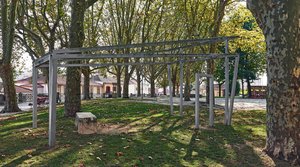
In the profound stillness of Reinhard Klessinger’s The Nature of Stone, we are invited into a realm where the boundaries between the organic and the architectural begin to dissolve. Created in 1991, this evocative work serves as a masterclass in minimalist exploration, capturing a moment of quietude within a landscape that feels both grounded and ethereal. The composition centers on the rugged, tactile presence of large granite-like forms, which anchor the viewer’s gaze with their immense, weathered weight. As one wanders through the visual narrative of this piece, the interplay between the heavy, unyielding stone and the delicate, living elements—such as the solitary tree and the soft greenery—creates a rhythmic tension that is both grounding and deeply meditative.
The artist’s technical prowess is on full display through his meticulous attention to materiality. Klessinger, a sculptor by training, approaches the canvas with a tactile sensibility that transcends traditional painting. Every fissure, mossy patch, and crystalline edge of the stone is rendered with such precision that one can almost feel the cool, rough surface beneath their fingertips. This mastery of texture allows the artwork to function not merely as a depiction of a park, but as an exploration of substance itself. The way light plays across the uneven surfaces of the rocks suggests a fleeting moment in time, perhaps the soft glow of late afternoon, which imbues the entire scene with a sense of transient peace.
The Architecture of Serenity
Beyond its physical beauty, The Nature of Stone carries a deep symbolic resonance that speaks to the human desire for permanence amidst change. The inclusion of benches—man-made structures designed for rest and reflection—suggests a dialogue between human civilization and the enduring power of the natural world. These elements invite the viewer to step into the frame, to find a place of repose within the composition. There is a profound sense of "sculpting with light" here; Klessinger uses the contrast between shadow and illumination to define space, creating an urban-natural hybrid that feels like a sanctuary from the chaos of modern life.
For the discerning collector or interior designer, this piece offers more than just aesthetic appeal; it provides an emotional anchor for any sophisticated space. Its minimalist spirit and neutral, earthy palette allow it to integrate seamlessly into contemporary, Zen, or even classical environments, adding a layer of intellectual depth and tranquil energy. To possess a reproduction of this work is to bring a fragment of German sculptural mastery into one's home—a constant reminder of the beauty found in the rugged, the weathered, and the enduringly still.
関連作品

作家の略歴
The Sculptural Poetics of Reinhard Klessinger
Born in the serene landscape of St. Blasien, Germany, in 1947, Reinhard Klessinger has emerged as a profound voice in contemporary German sculpture, crafting works that exist at the delicate intersection of presence and absence. His artistic lineage is rooted in a childhood steeped in creative tradition, where the seeds of craftsmanship were sown long before his formal academic pursuits. This early immersion provided him with a foundational respect for the tactile nature of art, a quality that would later define his mastery over stone and form. Through rigorous training at the Staatliche Kunstakademie Düsseldorf and further refinement at Saint Martin’s School of Art in London, Klessinger developed a dual identity as both a sculptor and a draftsman, blending technical precision with a deep, conceptual curiosity.
The evolution of Klessinger's work is marked by an increasingly sophisticated dialogue between the viewer and the object. His practice is anchored in the concept of reflection—a theme that transcends simple visual mirroring to explore how art interacts with time, space, and perception. In his later explorations, particularly evident in exhibitions showcasing works spanning from 198 7 to the present day, Klessinger began integrating reflective materials into his sculptural compositions. This innovation allows his pieces to absorb and re-project their surroundings, effectively blurring the boundary between the permanent weight of the sculpture and the ephemeral nature of the environment in which it resides.
Materiality and the Essence of Form
Klessinger’s aesthetic is defined by an austere elegance and a deliberate reduction of form. He possesses a rare ability to strip away the superfluous, leaving behind only the essential essence of his subject. This minimalist approach is most powerfully realized through his use of granite. By selecting such a dense, enduring medium, Klessinger creates a sense of permanence and stability that contrasts beautifully with the transient reflections captured on the stone's surface. His sculptures do not merely occupy space; they command it through a quiet, understated beauty that invites long periods of contemplation.
The technical mastery required to manipulate such unforgiving material is evident in every curve and edge of his oeuvre. His work often explores several key elements:
- The interplay of light and shadow: Using polished surfaces to capture the shifting moods of a room.
- Spatial tension: Creating objects that feel both heavy with history and light with conceptual openness.
- Material dialogue: The marriage of traditional stone carving with modern, reflective elements.
A Legacy of Contemplative Art
The historical significance of Reinhard Klessinger lies in his ability to bridge the gap between the monumental traditions of German sculpture and the intellectual rigor of contemporary minimalism. His work serves as a meditative tool, encouraging the observer to pause and engage with the concept of zwischenzeit und raum—the space and time between. By focusing on the "in-between," Klessinger has created a body of work that remains perpetually relevant in an increasingly fast-paced world.
Through his meticulous attention to detail and his philosophical commitment to reflection, Klessinger has secured his place as an artist who does not just create objects, but creates experiences. His sculptures remain enduring monuments to the power of thought, reminding us that even within the most solid granite, there is a capacity for light, movement, and profound emotional resonance.
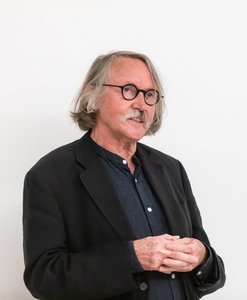
Reinhard Klessinger
1947 - , Germany
プロフィール概要
- Artistic Movement Or Style: Object art
- Date Of Birth: 1947
- Full Name: reinhard klessinger
- Nationality: German
- Notable Artworks:
- Granite
- Object art
- Drawings and paintings
- Place Of Birth: St Blasien, Germany

