

 シェアする
シェアする シェアする
シェアする
 詳細を見る
詳細を見る

 ダウンロード
 似ている作品
 スライドショー
The Nature Of Stone
 Photography
- Photo
- Contemporary Realism
 1991
1991- Contemporary
 ISCAP - Porto Accounting and Business School
 詳細を見る
詳細を見る
ジークレー/アートプリント
迅速な制作と多彩な仕上げオプションを備えた、ミュージアムクオリティのジークレーまたはキャンバスプリント。 ( 手描きの絵画を購入 画像を購入)




































作品のオリジナル比率に合わせた、当店の規定サイズからお選びください。

特定のフレームやスペースに合わせて、ご自身でサイズを指定することも可能です。選択されたサイズが元の画像の比率と一致しない場合、作品をトリミングするか、鏡面反射または単色での塗りつぶしによって画像を拡張いたします。制作を開始する前に、ご確認用のデジタルモックアップをお送りいたします。
画面上のプレビューには、実際のトリミングや拡張は反映されませんのでご注意ください。最終的な構図を正確に確認できるのは、モックアップのみとなります。
カスタムサイズも承っておりますが、元の比率を維持するためには、あらかじめ用意されたリストからサイズを選択することをお勧めいたします。


 ガラスオプションは、110cm未満のサイズでのみご利用いただけます。

The Nature Of Stone
ジークレー/アートプリント
複製画のサイズ
-


合計金額
$ 62
A Meditation on Permanence and the Urban Landscape
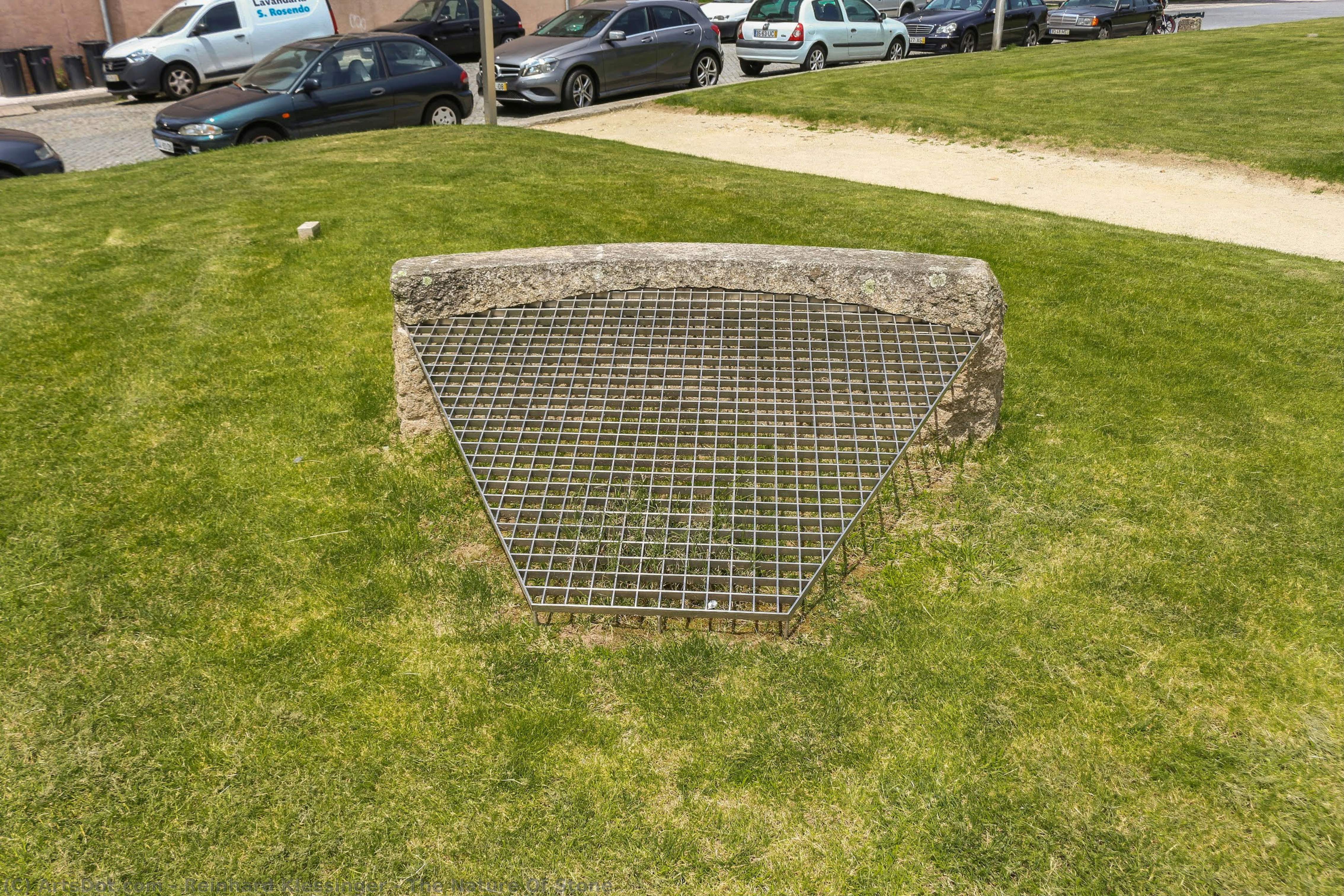
In his evocative 1991 work, The Nature Of Stone, Reinhard Klessinger invites the viewer into a quiet, contemplative dialogue between the enduring strength of geological form and the transient rhythms of modern life. The piece presents a scene that, at first glance, appears to be a mundane corner of an urban park or a roadside respite. A weathered, grid-like stone structure dominates the foreground, its heavy, textured surface bearing the marks of time and exposure to the elements. This central element acts as an anchor for the composition, grounding the viewer in a sense of tactile reality. Surrounded by patches of resilient grass, the stone serves as a silent witness to the passage of seasons, embodying a stoic permanence that contrasts sharply with the fleeting presence of the colorful vehicles parked in the background.
Klesserlinger, a master of minimalist form and conceptual exploration, utilizes this setting to explore the intersection of man-made infrastructure and the natural world. The overcast sky, devoid of dramatic clouds, casts a soft, diffused light across the scene, stripping away harsh shadows and allowing the subtle textures of the stone and the muted tones of the landscape to emerge. This lighting choice creates a tranquil, almost melancholic atmosphere, encouraging a slower pace of observation. There is a profound stillness in the absence of human figures; the viewer is left alone with the objects, forced to confront the quiet dignity of the inanimate. The composition subtly bridges the gap between the industrial and the organic, suggesting that even within our structured urban environments, the primal essence of nature—represented here by the raw, weathered stone—remains an inescapable foundation.
The Sculptural Eye in a Two-Dimensional Realm
While The Nature Of Stone captures a specific moment in time, it is deeply informed by Klessinger’s profound background as a sculptor. His academic training at the Staatliche Kunstakademie Düsseldorf and Saint Martin’s School of Art in London is evident in the way he treats the subject matter not merely as a landscape, but as a collection of volumes and textures. Every element within the frame is considered for its weight and presence. The stone structure is rendered with such precision that one can almost feel the grit and coolness of its surface, while the distant cars are treated as geometric shapes that punctuate the horizon. This sculptural approach to composition lends the work a structural integrity that is both intellectually stimulating and visually satisfying.
For the discerning collector or interior designer, this piece offers a sophisticated layer of depth to any curated space. It functions perfectly as a focal point in minimalist or contemporary settings, where its muted palette and contemplative subject matter can provide a sense of calm and stability. The artwork does not demand attention through loud colors or chaotic movement; instead, it earns its place through a quiet, commanding elegance. As a high-quality reproduction, the emphasis on texture and light allows the piece to breathe within a room, offering an invitation to pause, reflect, and find beauty in the overlooked corners of our shared world.
関連作品



アーティストの略歴
The Sculptural Poetics of Reinhard Klessinger
Born in the serene landscape of St. Blasien, Germany, in 1947, Reinhard Klessinger has emerged as a profound voice in contemporary German sculpture, crafting works that exist at the delicate intersection of presence and absence. His artistic lineage is rooted in a childhood steeped in creative tradition, where the seeds of craftsmanship were sown long before his formal academic pursuits. This early immersion provided him with a foundational respect for the tactile nature of art, a quality that would later define his mastery over stone and form. Through rigorous training at the Staatliche Kunstakademie Düsseldorf and further refinement at Saint Martin’s School of Art in London, Klessinger developed a dual identity as both a sculptor and a draftsman, blending technical precision with a deep, conceptual curiosity.
The evolution of Klessinger's work is marked by an increasingly sophisticated dialogue between the viewer and the object. His practice is anchored in the concept of reflection—a theme that transcends simple visual mirroring to explore how art interacts with time, space, and perception. In his later explorations, particularly evident in exhibitions showcasing works spanning from 198 7 to the present day, Klessinger began integrating reflective materials into his sculptural compositions. This innovation allows his pieces to absorb and re-project their surroundings, effectively blurring the boundary between the permanent weight of the sculpture and the ephemeral nature of the environment in which it resides.
Materiality and the Essence of Form
Klessinger’s aesthetic is defined by an austere elegance and a deliberate reduction of form. He possesses a rare ability to strip away the superfluous, leaving behind only the essential essence of his subject. This minimalist approach is most powerfully realized through his use of granite. By selecting such a dense, enduring medium, Klessinger creates a sense of permanence and stability that contrasts beautifully with the transient reflections captured on the stone's surface. His sculptures do not merely occupy space; they command it through a quiet, understated beauty that invites long periods of contemplation.
The technical mastery required to manipulate such unforgiving material is evident in every curve and edge of his oeuvre. His work often explores several key elements:
- The interplay of light and shadow: Using polished surfaces to capture the shifting moods of a room.
- Spatial tension: Creating objects that feel both heavy with history and light with conceptual openness.
- Material dialogue: The marriage of traditional stone carving with modern, reflective elements.
A Legacy of Contemplative Art
The historical significance of Reinhard Klessinger lies in his ability to bridge the gap between the monumental traditions of German sculpture and the intellectual rigor of contemporary minimalism. His work serves as a meditative tool, encouraging the observer to pause and engage with the concept of zwischenzeit und raum—the space and time between. By focusing on the "in-between," Klessinger has created a body of work that remains perpetually relevant in an increasingly fast-paced world.
Through his meticulous attention to detail and his philosophical commitment to reflection, Klessinger has secured his place as an artist who does not just create objects, but creates experiences. His sculptures remain enduring monuments to the power of thought, reminding us that even within the most solid granite, there is a capacity for light, movement, and profound emotional resonance.
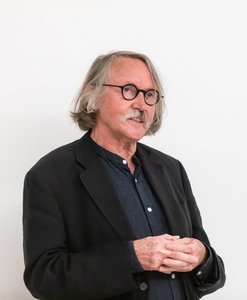
Reinhard Klessinger
1947 - , Germany
基本情報
- Artistic Movement Or Style: Object art
- Date Of Birth: 1947
- Full Name: reinhard klessinger
- Nationality: German
- Notable Artworks:
- Granite
- Object art
- Drawings and paintings
- Place Of Birth: St Blasien, Germany
関連記事

Bronze Sculptures That Defined Art History | ArtsDot
Journey through art history with our Top 10 bronze sculptures! Explore masterpieces by Rodin, Michelangelo & more. Discover stories behind iconic statues and find museum-quality reproductions for your home decor at ArtsDot.com.

The Enduring Form: Exploring Themes & Techniques in Sculpture Across Historical Periods
Explore the rich history of sculpture from ancient masterpieces to contemporary innovations. Discover key techniques, influential artists & investment potential for discerning art collectors.

The Enduring Form: Sculpture Across History, Technique & Emotional Resonance
Explore the rich history of sculpture with ArtsDot. Discover key techniques, influential artists & investment potential for discerning collectors. Expert insights into valuing and collecting timeless masterpieces.

Bronze Age to Modern Masters: 10 Sculptures That Redefined Art | ArtsDot
Journey through art history with 10 legendary bronze sculptures – from Michelangelo's David to Rodin’s Thinker. Explore the stories, techniques & timeless beauty of these masterpieces. Find museum-quality reproductions & elevate your home decor on ArtsDot.com.
The Enduring Allure of Marble in Art History: From Classical Sculpture to Modern Abstraction
Explore the captivating history of marble sculpture from ancient Greece to modern art. Discover renowned artists like Canova & Michelangelo, carving techniques, and investment insights at ArtsDot.

