

 プレビュー
プレビュー
 シェアする
シェアする シェアする
シェアする
 詳細を見る
詳細を見る

 ダウンロード
 似ている作品
 X線調査
X線調査 スライドショー
 Stats
StatsMutterseelenallein

 詳細を見る
詳細を見る
手描き油彩複製画
当社のアーティストが、お客様のご希望のサイズと額縁に合わせて、キャンバスに手描きで制作する油彩画です。 ( Switch to Print Switch to Digital Image)




































作品のオリジナル比率に合わせた、当店の規定サイズからお選びください。

特定のフレームやスペースに合わせて、ご希望のサイズをご入力いただけます。選択されたサイズが元の画像の比率と異なる場合、アートワークをトリミングするか、手描きで要素を追加して絵画を拡張いたします。デジタルモックアップ を制作し、制作開始前にご確認(承認)をいただきます。
画面上のプレビューは、実際のトリミングや拡張を正確に反映しているものではありません。最終的な構図は、モックアップによってのみ正確にご確認いただけます。
カスタムサイズもご利用いただけますが、元の比率を維持するためには、あらかじめ用意されたリストからサイズを選択することをお勧めいたします。
ご注文後、ArtsDot.com チームより詳細な指示をお送りするとともに、仕上がりイメージ(モックアップ)をご提供いたします。


 ガラスオプションは、110cm未満のサイズでのみご利用いただけます。

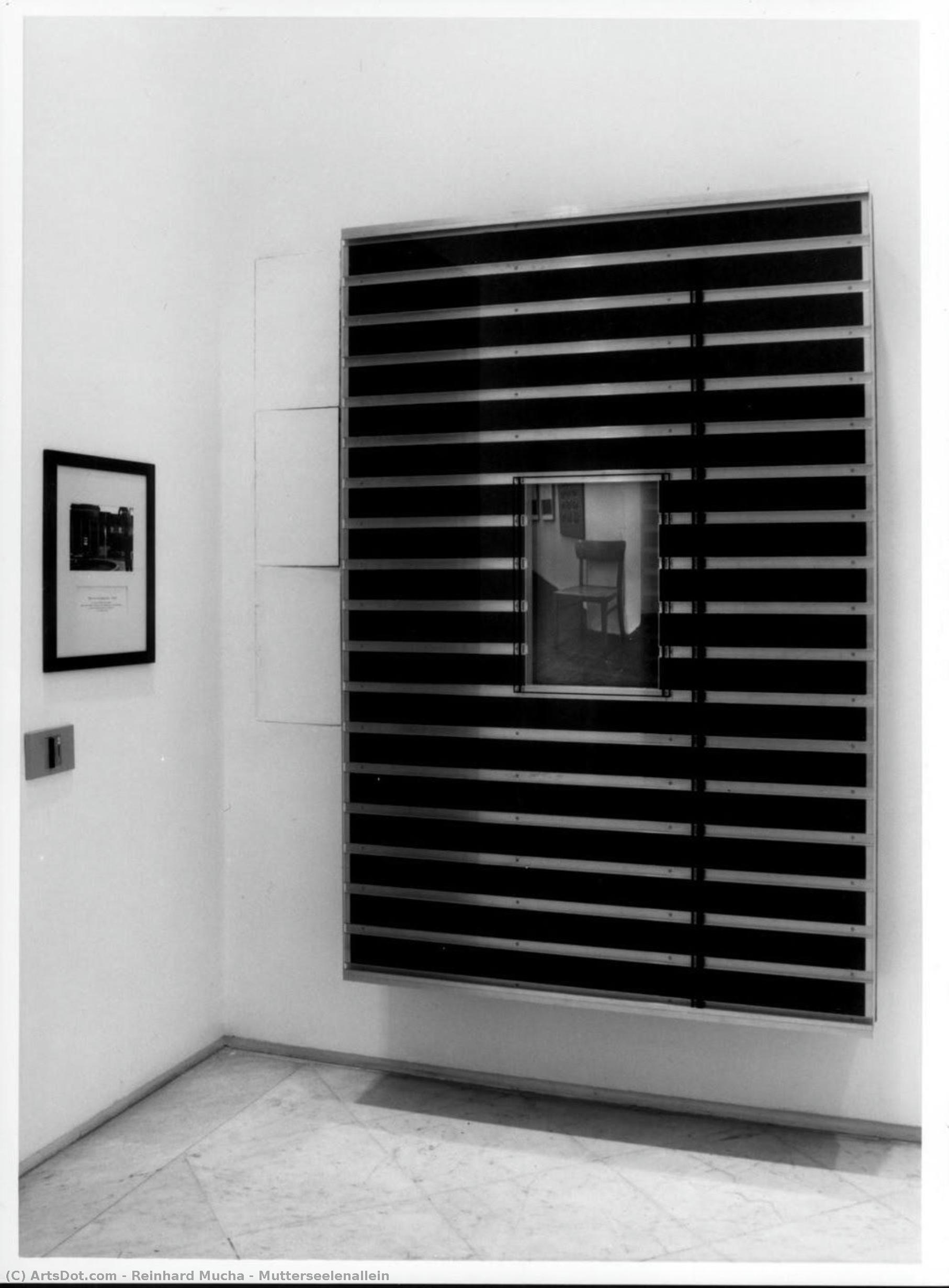
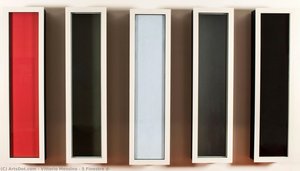
Mutterseelenallein
複製技法
複製画のサイズ
-


合計金額
$ 263
関連作品





アーティストの略歴
The Echo of Industry: A Life in Sculpture
Reinhard Mucha, born in Düsseldorf, Germany, in 1950, is a pivotal figure within the constellation of artists often termed ‘Model Makers.’ This designation isn’t merely descriptive; it speaks to a core tenet of his practice – a theatrical staging of reality through maquettes, props, and found objects. Mucha's artistic journey began with a formal training in metalsmithing before fully embracing sculpture at the Kunstakademie Düsseldorf under Klaus Rinke from 1975 to 1982. This early grounding in material manipulation would prove foundational, informing his later deconstruction of industrial forms and their inherent narratives. The post-war landscape of Düsseldorf itself – a city rebuilt from ruin into an economic powerhouse – became the silent protagonist of Mucha’s work, its rapid transformation and underlying tensions deeply embedded within his artistic vision. He didn't simply witness this change; he dissected it, layer by layer, exposing the sediments of time and history accumulated within everyday objects.Deconstructing the Monument: Early Influences & Conceptual Springboards
Mucha’s work emerged from a specific intellectual climate – the aftermath of Minimalism. Where Minimalism sought purity and reduction, Mucha embraced complexity and accumulation. He saw in the ‘ground zero of sculpture after minimalism’ an opportunity to explore the conceptual weight of absence and presence, using found objects not as aesthetic elements but as carriers of memory and meaning. His formative years were marked by a critical engagement with institutional structures, particularly those surrounding art itself. This manifested early on in works like *Der kluge Knecht* (The Clever Servant), which playfully subverted the authority of academic credentials through a meticulously constructed display case containing his own diploma, notarized documents, and references to the Brothers Grimm fairy tale. The work isn’t simply about institutional critique; it's a self-reflexive examination of the artist’s position within that system, a Trojan Horse questioning the very foundations of artistic validation. This early exploration of authority and representation would become a recurring theme throughout his career.The Language of Objects: Technique & Recurring Motifs
Mucha's technique is characterized by a deliberate stripping away of an object’s original function, revealing its inherent history and the often-unacknowledged labor embedded within it. He doesn’t *create* objects so much as he *recontextualizes* them, assembling found materials – industrial components, photographs, exhibition posters – into complex installations that challenge conventional notions of sculpture. His approach is akin to an archaeological dig, unearthing layers of meaning from the detritus of modern life. Recurring motifs include references to German industry, particularly the railroad supply firm Düsseldorfer Eisenbahnbedarf AG, whose brochures frequently appear in his work, symbolizing both economic prosperity and the often-overlooked human cost of industrial production. The use of glass vitrines is also significant, acting as both protective barriers and isolating chambers, forcing viewers to confront the objects on their own terms. The Wirtschaftswunder, to the People of Pittsburgh, a series exploring Germany’s post-war economic miracle, exemplifies this approach, using discarded materials to question the narrative of unbridled success.Institutional Critique & Collective Memory: Major Achievements and Exhibitions
Mucha's work has been exhibited in major museums globally, including Castello di Rivoli in Turin and numerous institutions throughout Europe and North America. His participation in group exhibitions like ‘Kunst ’80’ solidified his position within the avant-garde art scene of the time. However, it is through his solo shows – notably a retrospective at the Kunstsammlung Nordrhein-Westfalen in Düsseldorf – that the full scope of his artistic vision has been revealed. These exhibitions demonstrate not only his technical mastery but also his ability to create immersive environments that challenge viewers to question their own perceptions of history and memory. Auto Reverse, a work involving images of children, exemplifies his exploration of personal and collective trauma, refusing to shy away from the complexities of postwar Germany. His exhibitions often feel less like displays of individual artworks and more like meticulously curated archives, inviting viewers to piece together fragments of a fragmented past.A Trick Mirror Reflecting German Identity
Reinhard Mucha’s enduring significance lies in his ability to hold up a “trick mirror” to German identity, exposing the contradictions and unspoken narratives that lie beneath the surface of national mythology. He doesn't offer easy answers or grand pronouncements; instead, he presents a fragmented, ambiguous vision of history, forcing viewers to confront their own complicity in its construction. His work is not simply about remembering the past; it’s about questioning how we remember it, and who controls that narrative. Through his meticulous deconstruction of objects and institutions, Mucha has created a body of work that is both intellectually rigorous and emotionally resonant, solidifying his position as one of the most important contemporary sculptors working today. He continues to live and work in Düsseldorf, relentlessly excavating the layers of history embedded within his native city and challenging us to confront the ghosts of the past.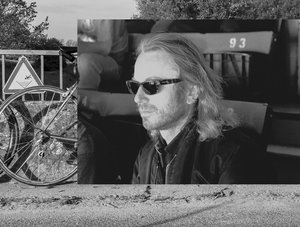
reinhard mucha
1950 - , Germany
基本情報
- Artistic Movement Or Style: Model Makers, Post-Minimalism
- Artists Who Influenced This Artist: ['Klaus Rinke']
- Date Of Birth: 1950
- Full Name: Reinhard Mucha
- Nationality: German
- Notable Artworks:
- Mutterseelenallein
- Das Deutschlandgerät
- Frankfurter Block
- Place Of Birth: Düsseldorf, Germany