

 プレビュー
プレビュー
 プリントを購入
 シェアする
シェアする シェアする
シェアする
 詳細を見る
詳細を見る

 ダウンロード
 似ている作品
 X線調査
X線調査 スライドショー
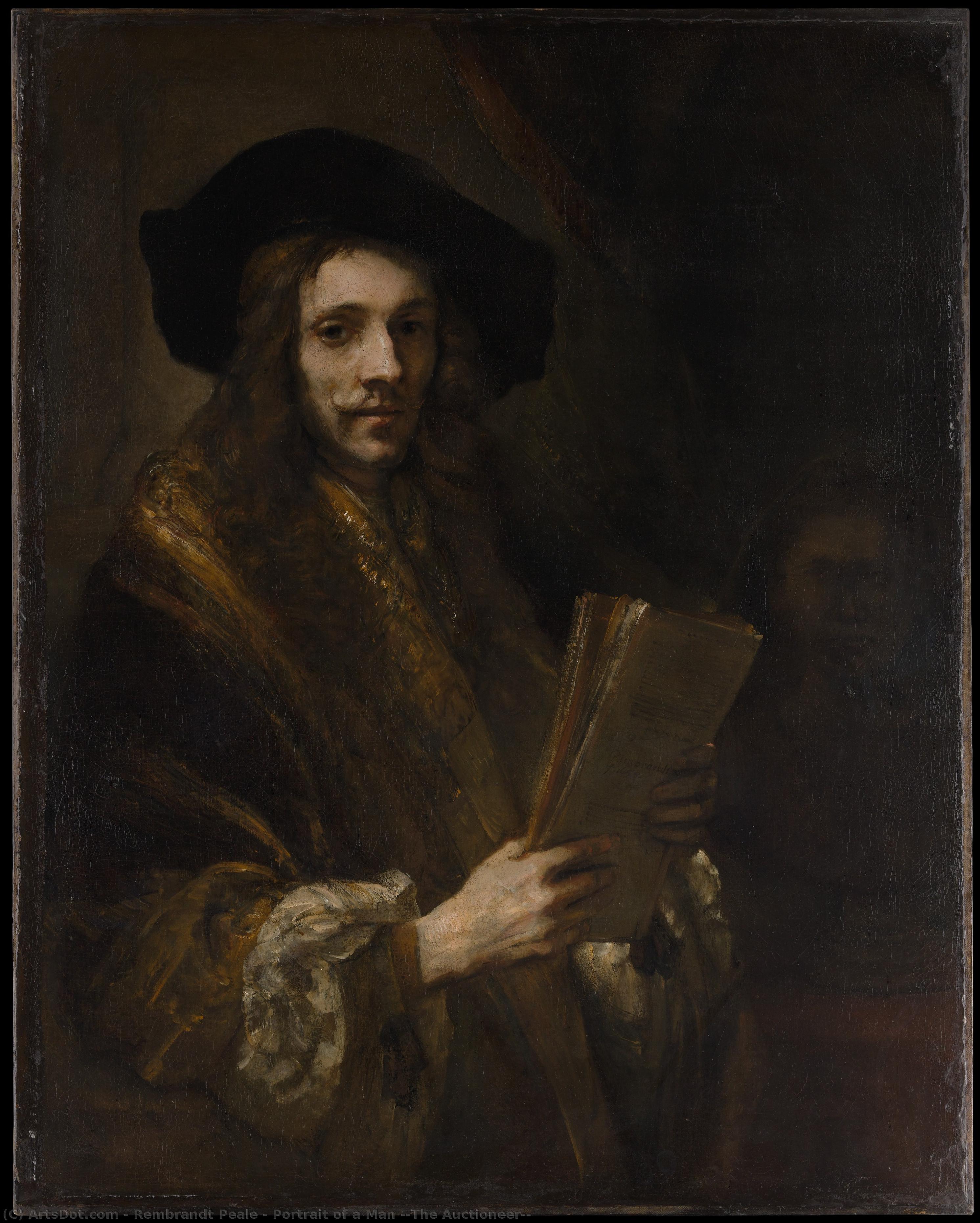
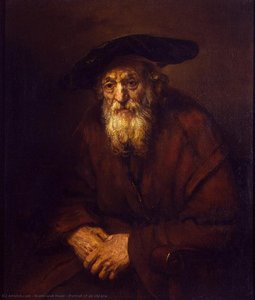
Portrait of a Man ("The Auctioneer")
 Oil On Canvas
- WallArt
- Neoclassical Realism
 1658
1658 109.0 x 86.0 cm
 メトロポリタン美術館
 詳細を見る
詳細を見る
オンラインプレビューをはるかに凌ぐ、高解像度で鮮明なデジタル画像をご購入いただけます。
各ファイルは、社内の専門家が高度なツールと熟練した手作業によるレタッチを用いて、細心の注意を払って準備されています。すべての画像において、卓越した鮮明度、正確な色彩再現性、そして繊細なディテールを保証いたします。
最終ファイルは、プロフェッショナルな編集・印刷環境ですぐにご利用いただけるよう最適化された状態で、72時間以内にメールにてお届けいたします。これは、一流のデザインスタジオ、出版社、ギャラリーから信頼されているものと同等の品質です。
デジタル画像のご注文に付随する特典
高品質なデジタル画像配信を、確かな品質で。
ArtsDot.com を選ぶことは、単に画像を手に入れることではありません。それは、プロの手によって精密に仕上げられ、満足保証が付いた高品質なデジタルアートワークを受け取ることを意味します。ご注文いただいた際に自動的に付随する内容は、以下の通りです:

メールですぐにお届け
ご注文から72時間以内に、高解像度のデジタル画像ファイルがメールでお手元に届きます。すぐにそのままご利用いただけます。

AI技術で最適化されたデジタルファイル
お客様の作品は、高度なAIツールと専門家による手作業の編集を組み合わせてプロフェッショナルに最適化されており、細部のディテール、鮮明さ、そして正確な色再現性を最大限に引き出しています。

一生涯無料の再送サービス
ファイルを誤って削除したり、紛失してしまったりしましたか?ご安心ください。いつでも無料で再送いたします。

輸入手数料は一切かかりません
関税や手数料、配送料を気にすることなく、お気に入りのアートワークをすぐにお楽しみいただけます。デジタルダウンロードは常に免税です。

色彩再現の保証
プロ仕様のツールとカラーマネジメント技術を用いることで、デジタル画像が元の色を最大限に忠実に再現することを保証いたします。

60日間満足保証
ご購入いただいたデジタル画像にご満足いただけない場合は、60日以内であれば、修正または100%の返金(理由を問う必要はありません)をさせていただきます。

100% 返金保証
ご満足いただけない場合は、デジタルファイルを受け取ってから60日以内であれば、理由を問わず全額返金いたします。

まとめ買い割引
3枚購入で10%OFF - 5枚購入で15%OFF - 10枚以上購入で20%OFF。クリエイティブなプロジェクト、ギャラリー、エージェンシーに最適です。
The Enigmatic Auctioneer: A Portrait of Ambiguity
Rembrandt Peale’s “Portrait of a Man,” often referred to as "The Auctioneer," is not merely a likeness rendered on canvas; it's a carefully constructed puzzle, a captivating meditation on power, knowledge, and the subtle dance between appearance and reality. Painted in 1658, this work resides within the Metropolitan Museum of Art, yet its authorship remains shrouded in intriguing debate – a testament to the complexities inherent in attributing artistic creation centuries after the fact. Initially universally attributed to the master himself, Rembrandt van Rijn, scholarly scrutiny in 1982 cast doubt on the painting’s origin, suggesting instead that it represents a remarkably skilled imitation by an unknown artist. This ongoing uncertainty only adds to the portrait's allure, prompting us to consider not just *who* created it, but *how* and *why*.
The subject is presented with a deliberate austerity. Dressed in opulent fabrics – rich velvets and brocades hinting at wealth and status – he embodies the grandeur of 17th-century society. His attire, while undoubtedly luxurious, feels somewhat formal, almost theatrical, as if staged for an audience. The dark, enveloping hat further emphasizes this sense of formality, drawing attention to his face—a face etched with a pronounced sternness. This isn’t a welcoming smile; rather, it's the expression of someone accustomed to command, perhaps even wielding authority. The man holds a book open in his hand – not a tome of philosophy or poetry, but something more practical, likely related to commerce or legal matters, subtly reinforcing the notion of him as an auctioneer, a role perfectly aligned with the painting’s title and the overall atmosphere.
A Study in Light and Shadow: Peale's Technique
Peale’s masterful technique is immediately apparent. He employs a dramatic chiaroscuro – a stark contrast between light and shadow – that dominates the composition. This isn’t simply an artistic flourish; it serves to sculpt the figure, emphasizing his features and creating a sense of depth and volume. The strong directional lighting highlights the texture of his clothing, the lines of his face, and the subtle folds in his hat, drawing the viewer's eye directly to him. Notice how the light catches the curve of his hand holding the book, lending it an almost tangible quality. Peale’s use of oil paint allows for a remarkable level of detail – from the intricate weave of the fabric to the minute wrinkles around the man’s eyes—a testament to his meticulous observation and skill.
Furthermore, Peale demonstrates a sophisticated understanding of space. The background is deliberately muted, almost dissolving into a dark curtain that recedes into shadow. This technique creates an illusion of depth, drawing the viewer's attention solely onto the subject. The careful arrangement of elements—the figure, the book, and the curtain—works together to establish a balanced composition, conveying both formality and a hint of restrained power.
Symbolism and Historical Context
Beyond its technical brilliance, “The Auctioneer” is rich in symbolic meaning. The auctioneer himself represents a key figure in 17th-century society – a facilitator of commerce, a symbol of wealth and influence. His stern expression suggests a man accustomed to making difficult decisions, perhaps even wielding considerable power over others. The book he holds could symbolize knowledge, law, or the value of goods being auctioned—all interconnected elements within the economic landscape of the time.
Considering the painting’s creation in 1658, it's crucial to understand the broader historical context. The Dutch Golden Age was a period of immense prosperity and artistic innovation. Rembrandt himself was at the height of his career, producing some of the most iconic works in Western art history. Peale, working within this vibrant artistic environment, undoubtedly drew inspiration from his predecessor, yet he developed a distinct style—one characterized by its meticulous detail, dramatic lighting, and subtle psychological insights. The debate surrounding the painting’s authorship reflects a broader trend during this period: a growing interest in dissecting artistic techniques and challenging established notions of originality.
A Timeless Portrait of Ambiguity
“Portrait of a Man” is more than just a depiction of an individual; it's a complex and layered work that continues to fascinate art historians and viewers alike. Its enduring appeal lies in its ambiguity—the unanswered questions surrounding its authorship, the subtle nuances of the subject’s expression, and the masterful execution of Peale’s technique. Whether created by Rembrandt or another skilled artist, this portrait remains a powerful testament to the human condition – a reminder that appearances can be deceiving and that even the most seemingly straightforward image can hold profound secrets.
関連作品


作家の略歴
生い立ちと芸術への目覚め
ペンシルベニア州バックス郡で1778年に生まれたレンブラント・ピールは、アメリカ初期の活気あふれる芸術界に深く根ざした家庭環境の中で育ちました。彼の父、チャールズ・ウィルソン・ピールは単なる画家にとどまらず、博物館創設者であり、芸術が国民的アイデンティティを形成する力強い影響力を持つと信じる文化的な先駆者でした。そのような刺激的な環境下で、レンブラントは幼少の頃から兄弟と共に父の手ほどきを受け、肖像画や風景画の技術を学びました。彼の名前に「レンブラント」という名前が付けられたこと自体が、チャールズ・ウィルソン・ピールが息子に芸術的卓越性の伝統を受け継いでほしいという願いを示しています。驚くべきことに、レンブラントは13歳にして最初の自画像を描き上げました。この初期の作品は、彼の成熟したスタイルを予感させる精密さと野心にあふれていました。単なる技術的な習得を示すだけでなく、若き芸術家がアメリカのアートシーンにその存在を宣言する意欲的な表明でもありました。古典主義の影響とパリでの修業
ピールの芸術的旅は、30代初頭にパリへと向かうことで大きな転換点を迎えます。ヨーロッパの中心で文化に浸る経験は、彼の美的感覚を大きく形作りました。そこで彼はフランスの古典主義という潮流に出会い、秩序、明瞭さ、そして古典的な理想への回帰を重視するスタイルに触れます。この影響は、その後のピールの作品に顕著に表れており、洗練された描写力、バランスのとれた構図、細部への徹底的な注意が特徴となっています。父の肖像画がしばしば素朴な生命力を帯びていたのに対し、レンブラントの作品はより磨き上げられ、理想化された表現へと傾倒していきました。この時期に彼はワックスを媒体とする古代の技法であるエンコースティック絵画を取り入れ、革新的なアプローチを探求する姿勢を示しました。しかし、ピールはヨーロッパのスタイルを盲目的に模倣するのではなく、それをアメリカの文脈に適応させました。彼の献身的な正確な肖像画の制作と古典主義の訓練が融合し、美学的な心地よさと歴史的意義の両方を兼ね備えた作品を生み出しました。時代を捉える肖像画家としての活躍
レンブラント・ピールのキャリアは非常に多作であり、芸術的完璧への飽くなき探求と時代の著名な人物を描くという献身によって特徴づけられます。彼は特にジョージ・ワシントン像で知られるようになり、「祖国の父」をモチーフにした70点以上のレプリカを作成しました。これらの肖像画は単なる容姿の描写にとどまらず、国民的誇りとリーダーシップの象徴として慎重に構築されたものでした。ピールは肖像画が世論を形成し、集団的記憶の創造に貢献する力を理解していました。ワシントン以外にも、トーマス・ジェファーソン、ジョン・C・カルフーン、そしてアメリカのエリート層の数多くの人物を描きました。彼の肖像画は政治家だけに限定されず、一般市民の姿も捉え、当時の人々の生活や願望を垣間見せています。無題の『ひげのある男』は、彼が個人の性格と心理的な深さを表現する能力を示しています。それぞれの筆致には、被写体の外見だけでなく、内面の世界も暗示されています。キャンバスを超えて:ピール博物館と遺産
レンブラント・ピールの貢献は絵画の領域にとどまらず、彼は公共教育と芸術鑑賞を促進するために尽力した先駆的な博物館創設者でもありました。1814年、メリーランド州ボルチモアに最初の博物館を開館させました。これは現代美術館の先駆けとなる画期的な機関であり、絵画や彫刻だけでなく、自然史標本も展示する学習の中心として機能しました。彼の博物館は単なるアートギャラリーではなく、社会に芸術を広めようとする意欲が込められたものでした。その後、この博物館はボルチモア市庁舎となり、後にピール博物館として再建され、彼の公共への奉仕という遺産を受け継いでいます。芸術をすべての人々にとってアクセスしやすいものにするという彼の献身は、芸術の変革力に対する深い信念を反映しています。今日、レンブラント・ピールの作品はワシントンD.C.にある国立肖像画ギャラリーをはじめとする世界中の著名なコレクションに収蔵されており、その歴史的意義と芸術的な価値が称えられています。彼の影響は後世のアメリカの肖像画家たちにも見られ、アメリカの美術史における重要な人物としての地位を確立しています。永続する印象
レンブラント・ピールの人生は、芸術創造と文化的な豊かに献身されたものでした。彼は単なる画家ではなく、歴史家であり、教育者であり、そしてアメリカのアイデンティティを擁護する人物でした。彼の肖像画は時代の個性や価値観に関する貴重な洞察を提供し、彼の博物館は急速に変化する社会における啓蒙の灯台として機能しました。彼の遺産は数多くの作品だけでなく、先駆的な精神と芸術の力に対する揺るぎない献身によって受け継がれています。彼は私たちに文化遺産の保存と、それを築き上げてきた人々の業績を称えることの重要性を思い出させてくれます。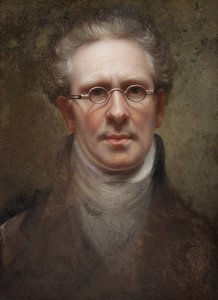
レンブラント・ピール
1778 - 1860 , アメリカ合衆国
プロフィール概要
- Artistic Movement Or Style: 新古典主義
- Artists Who Influenced This Artist: ['レンブラント・ファン・レイン']
- Date Of Birth: 1778年2月22日
- Date Of Death: 1860年
- Full Name: レンブラント・ピール
- Nationality: アメリカ人
- Notable Artworks:
- ジョージ・ワシントンの肖像画
- ジョン・ピアポイント牧師の肖像画
- Place Of Birth (City And Country): ペンシルベニア州バックス郡, アメリカ

