 プレビュー
プレビュー
 シェアする
シェアする シェアする
シェアする
 詳細を見る
詳細を見る

 ダウンロード
 似ている作品
 X線調査
X線調査 スライドショー
 Stats
StatsOur Lord in the Garden of the Olives


 詳細を見る
詳細を見る
手描き油彩複製画
当社のアーティストが、お客様のご希望のサイズと額縁に合わせて、キャンバスに手描きで制作する油彩画です。 ( Switch to Print Switch to Digital Image)




P118B $10

P118H $10

P118W $10

P438Z $10

P508JH $12

P508YH $12

P805H $10

P805Z $10

P919BZ $10

P919G $10

P919XJ $10

P959ZH $10

P968JZ $12

W106C $8

W218G $10

W218JH $8

W218Y $10

W307PJ $10

W316G $10

W316PJ $8

W316Y $10

W398PJ $8

W4111J $10

W500HY $15

W500JH $15

W692G $12

W849H $8

W940BG $15

W953PJ $8




作品のオリジナル比率に合わせた、当店の規定サイズからお選びください。

特定のフレームやスペースに合わせて、ご希望のサイズをご入力いただけます。選択されたサイズが元の画像の比率と異なる場合、アートワークをトリミングするか、手描きで要素を追加して絵画を拡張いたします。デジタルモックアップ を制作し、制作開始前にご確認(承認)をいただきます。
画面上のプレビューは、実際のトリミングや拡張を正確に反映しているものではありません。最終的な構図は、モックアップによってのみ正確にご確認いただけます。
カスタムサイズもご利用いただけますが、元の比率を維持するためには、あらかじめ用意されたリストからサイズを選択することをお勧めいたします。
ご注文後、ArtsDot.com チームより詳細な指示をお送りするとともに、仕上がりイメージ(モックアップ)をご提供いたします。


 ガラスオプションは、110cm未満のサイズでのみご利用いただけます。

Our Lord in the Garden of the Olives
複製技法
複製画のサイズ
-


合計金額
$ 363
A Divine Solitude in Shadow and Light
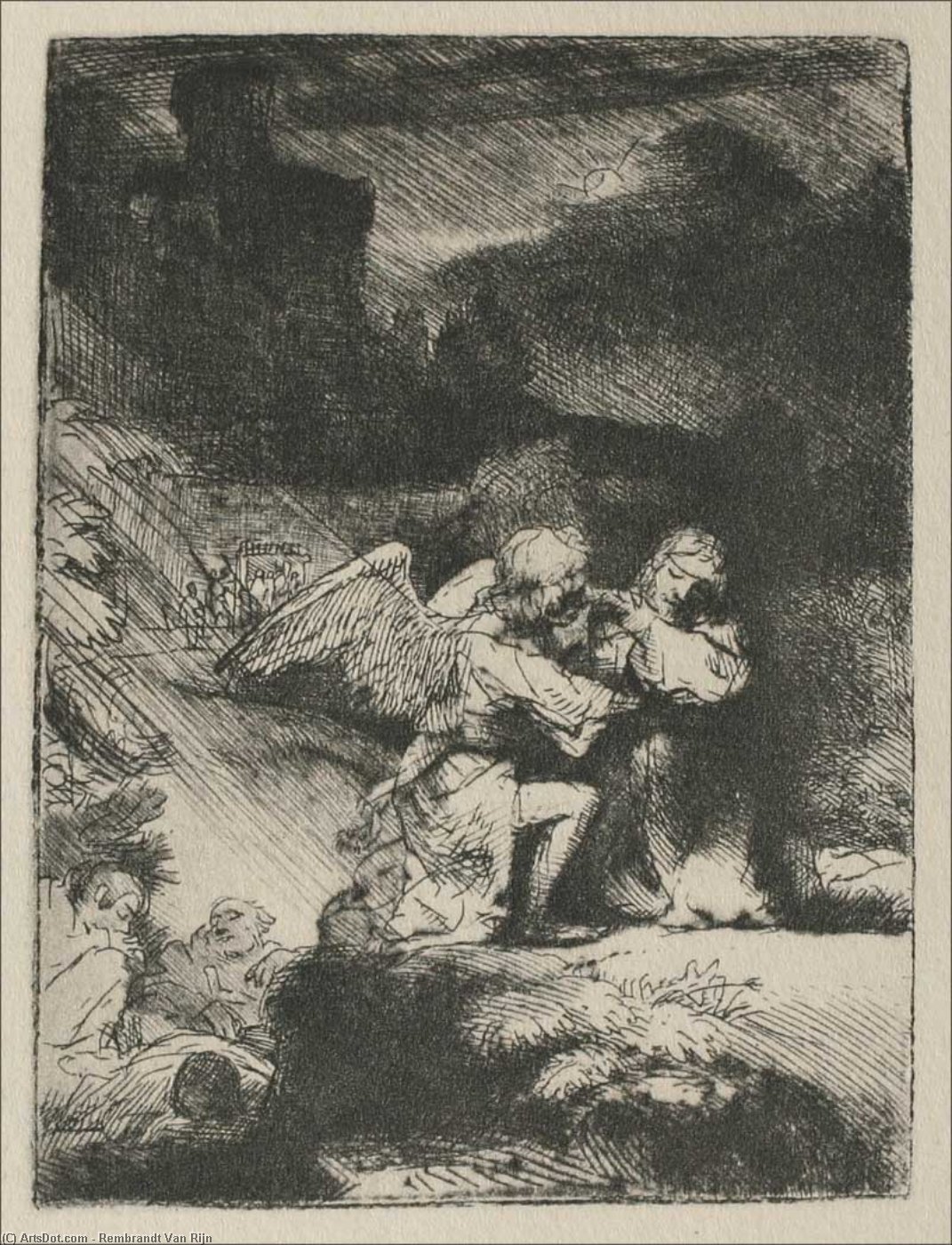
In the quiet, somber depths of Rembrandt van Rijn’s "Our Lord in the Garden of the Olives," we are invited into a moment of profound spiritual vulnerability. Etched around 1652, this masterpiece transcends mere biblical illustration to become a visceral meditation on faith, suffering, and the weight of destiny. As one gazes upon the monochromatic landscape, the viewer is not merely an observer but a witness to the heavy silence of Gethsemeane. Rembrandt, a titan of the Dutch Golden Age, utilizes the stark language of black and white to strip away the distractions of the material world, leaving only the raw, emotional essence of Christ’s prayerful agony.
The composition is masterfully anchored by a pyramidal structure, a classic technique that provides a sense of stability amidst the surrounding spiritual turmoil. At the heart of this arrangement, Jesus kneels in humble supplication, his form defined by the delicate yet powerful interplay of light and shadow. The presence of a child and flanking angels introduces a celestial dimension to the earthly garden, creating a tension between human frailty and divine comfort. This balance of figures guides the eye through a landscape that feels both intimately personal and cosmically significant, making it an ideal centerpiece for those who appreciate art that invites deep contemplation.
The Mastery of the Etched Line
To study this work is to witness the technical brilliance of Rembrandt’s printmaking prowess. Eschewing the vibrant palettes of his oil paintings, the artist relies entirely on the density of line and the precision of cross-hatching to build a world of texture and depth. Through meticulous layers of ink, he creates an illusion of atmosphere; the rough, jagged edges of the rocky outcrops contrast beautifully with the soft, ethereal drapery of the angels' wings. This technique, known as chiaroscuro, is pushed to its expressive limit here, using deep blacks to represent the encroaching darkness of the night and bright, untouched paper to suggest a divine, unseen light descending from above.
For the discerning collector or interior designer, the technical sophistication of this etching offers a timeless elegance. The organic shapes of the foliage and the fluid movement of the figures create a dynamic energy that prevents the monochromatic palette from feeling static. Instead, the varying line weights produce a palpable sense of movement and life, as if the very air in the garden is thick with the scent of olives and the weight of impending sacrifice. It is a work that demands attention through its subtlety, rewarding the close viewer with an intricate web of detail that reveals new nuances with every glance.
A Timeless Legacy for the Modern Collector
Beyond its technical merits, "Our Lord in the Garden of the Olives" carries an emotional resonance that remains undiminished by the centuries. The symbolism embedded within the scene—the kneeling posture signifying submission, the child representing innocence, and the angels acting as beacons of hope—speaks to universal themes of resilience and grace. It is a piece that does not merely decorate a space; it transforms it, imbuing a room with a sense of history, gravity, and peace.
Whether displayed in a curated gallery setting or integrated into a sophisticated residential interior, a high-quality reproduction of this Rembrandt etching serves as a profound statement of taste. It appeals to those who seek art that possesses both intellectual depth and aesthetic beauty. For the lover of the Baroque era, owning such a piece is an opportunity to hold a fragment of the Dutch Golden Age—a window into a moment where the boundaries between the human spirit and the divine were momentarily blurred by the stroke of a master's hand.
関連作品
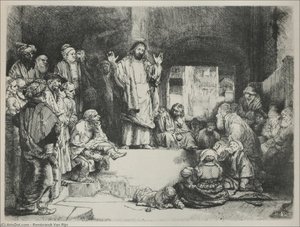
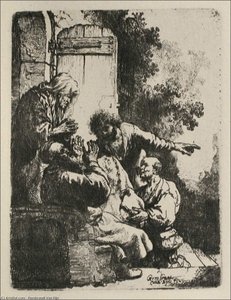
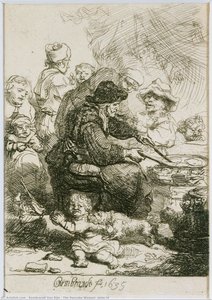
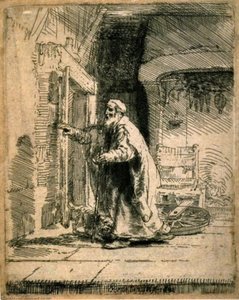
アーティストの略歴
光と影の巨匠:レンブラント・ファン・ライエンの世界
レンブラント・ファン・ライエン。その名は、オランダ黄金時代の芸術的輝きを象徴する言葉であり、光と影の魔術師として、西洋美術史に永遠に刻まれた天才の名です。1606年7月15日、北ネーデルラント連邦共和国の台頭期にあったライデンで生まれました。父は製粉業を営むハルメン・ゲルリツォン・ファン・ライエン、母はパン職人の娘ネールトゲン・ヴィレムスドゥヒテルという家庭環境に育ちました。幼少期から芸術的才能を発揮し、ラテン語学校で学んだ後、絵画の道へ進みます。まず地元のヤコブ・ファン・スワネブルクのもとで基礎を学び、その後、アムステルダムでピーター・ラストマンに師事します。ラストマンの劇的な光の使い方や歴史的場面の描写は、若いレンブラントの心に強い印象を与え、その後の芸術的探求の方向性を決定づけることになります。ライデンでの成功とアムステルダムへの飛躍
レンブラントは、地元ライデンにおいて早くから歴史画や肖像画で才能を認められ、人物の内面を深く捉える能力を示しました。1629年には、詩人であり外交官であったコンスタンティーン・フイヘンスの庇護を受け、その名声は高まり、より広範な顧客を獲得するようになります。そして1631年、レンブラントは新たな可能性を求めてアムステルダムへと移住します。商業と文化の中心地であるアムステルダムでは、肖像画家としての才能がすぐに求められ、富裕層からの依頼が後を絶ちません。1634年には、名門の娘サスキア・ファン・ウイレンブルフとの結婚は、彼の社会的地位を高めるとともに、経済的な安定をもたらし、より大規模なプロジェクトに挑戦する基盤となりました。しかし、この幸福も長くは続かず、サスキアの早すぎる死は、レンブラントの人生に深い影を落とすことになります。巨匠の進化:様式と技法
レンブラントの芸術的探求は、絶え間ない実験と深遠な進化によって彩られています。彼は理想化された美の追求から離れ、現実主義と感情表現を重視した描写へと向かいます。1625年から1635年頃までの初期には、緻密な細部描写とピーター・ラストマンの影響が見られますが、1630年代から1650年代にかけての成熟期に、レンブラントは真価を発揮します。この時期に顕著になったのが、「キアロスクーロ」と呼ばれる光と影の劇的な対比です。彼は単に光を描写するだけでなく、光を使って形を彫刻し、雰囲気を作り出し、被写体の内面世界を浮き彫りにしました。また、筆致もより自由で表現豊かになり、質感や感情、そして瞬間の迫力を伝えます。1650年代以降の晩年は、抑制された色彩と、個人的な苦悩や精神的な探求を反映した親密な肖像画や聖書物語が中心となります。これらの作品は、深遠な内省と人間の存在の複雑さへの向き合いが感じられます。不朽の名作と芸術史への貢献
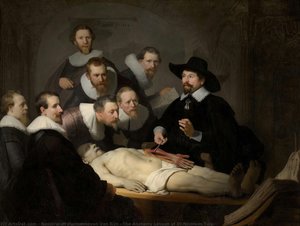
レンブラントの遺産には、時代を超えて観る人々を魅了し続ける傑作が数多く存在します。『トゥルプ博士の解剖学講義』(1632年)は、革新的な構図と人物の内面描写によって、肖像画のジャンルに新たな地平を開きました。また、『バアルの宴会』(1635年)は、光、影、構成の巧みな融合により、聖書の物語を劇的に表現しています。そして、彼の最も有名な作品の一つである『夜警』(1642年)、正式名称は『コック船長の民兵隊』は、ダイナミックな構図と革新的な照明効果によって、集団肖像画の概念を覆しました。これらの大作に加え、約40点に及ぶ自画像群は、彼の加齢の過程と芸術的探求の軌跡を記録した貴重な資料であり、天才の精神世界への窓を開きます。また、版画技術においても革新をもたらし、線描と陰影の巧みな使い分けによって、版画を美術の領域へと高めました。レンブラントの影響は、彼の時代を超え、後世の画家、版画家、そしてドローイング作家たちに多大な影響を与えました。黄金時代の鏡
レンブラントの作品は、オランダ黄金時代の精神と不可分です。この時代を特徴づける経済的繁栄、知的活力、そして前例のない芸術的革新を、彼はその作品を通して鮮やかに捉えています。市民の肖像画、宗教的なテーマを描いた聖書物語、普遍的な人間の感情を探求する作品群は、当時の社会と文化を反映しています。レンブラントの人生—成功、苦難、そして揺るぎない芸術への献身—は、魅力的な物語として語り継がれています。彼は周囲の世界を単に記録していたのではなく、自身の経験と洞察を通して解釈していたのです。 レンブラントの影響は計り知れず、後世の芸術家たちに光、影、そして心理的リアリズムの力を探求するよう促しました。彼の作品は今もなお世界中の美術館や個人のコレクションで展示され、観る人々を深く感動させ続けています。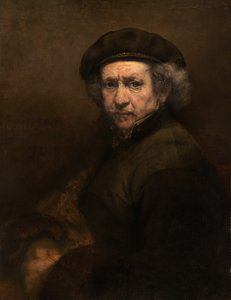
レンブラント・ファン・レイン
1606 - 1669 , オランダ
基本情報
- フルネーム: レンブラント・ファン・レイン
- 主な作品:
- 解剖学のレッスン
- 夜警
- ベルシャザールの宴
- 出生地: ライデン(オランダ)
- 国籍: オランダ
- 影響を与えた芸術家: ['後世の画家多数']
- 影響を受けた芸術家:
- ティツィアーノ
- カラヴァッジョ
- ピーテル・ラストマン
- 没年月日: 1669年10月4日
- 生年月日: 1606年7月15日
- 芸術運動: バロック絵画
関連記事
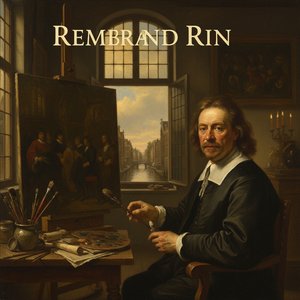
Rembrandt van Rijn: A Life Illuminated – Innovation, Emotion, and the Dutch Golden Age
Explore the life & art of Rembrandt van Rijn, a Dutch Golden Age master. Discover his innovative techniques, iconic paintings like 'The Night Watch', and enduring legacy. Expert insights for collectors & enthusiasts.

レンブラント傑作25選:光と影の巨匠、魂を揺さぶる名画の世界 | ArtsDot
レンブラントの傑作25選。光と影の魔術師が描いた魂を揺さぶる名画の世界へ。美術史に残る自画像、夜警、宗教画…ArtsDotで高品質なアートプリントやインテリアアートをお楽しみください。コレクションはこちら→

Dutch Baroque Masters: 10 Paintings That Shaped an Era | ArtsDot
Journey through the Golden Age with our guide to the Top 10 Dutch Baroque masterpieces! Explore iconic paintings by Rembrandt, Vermeer & Frans Hals. Find museum-quality art reproductions and elevate your home decor at ArtsDot.com.

黄金世紀の巨匠たち:バロック絵画が彩る10選|ArtsDot
オランダ黄金時代の10大傑作を紐解く!レンブラント、フェルメール…バロック絵画の魅力と時代背景を深く探求。ArtsDotで、至高のアートコレクションと空間演出のヒントを見つけよう。高品質なアートプリントで、お部屋を華やかに。
Etching Masters: 10 Legendary Prints That Revolutionized Art | ArtsDot
Journey through 10 legendary etching masterpieces by Rembrandt, Dürer & Goya. Explore the history of printmaking and discover timeless art for your home. Find museum-quality reproductions at ArtsDot.com.
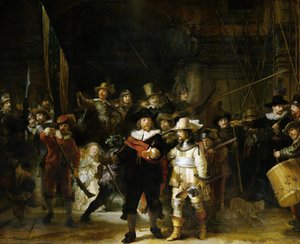
![トルプ医師の解剖学講座 [1632]](/media/artworks/images-thumb/e5/fc/e5fcb33447eac6b24ab049b22effa1a3.jpg)