

 プレビュー
プレビュー
 プリントを購入
 シェアする
シェアする シェアする
シェアする
 詳細を見る
詳細を見る

 ダウンロード
 似ている作品
 X線調査
X線調査 スライドショー
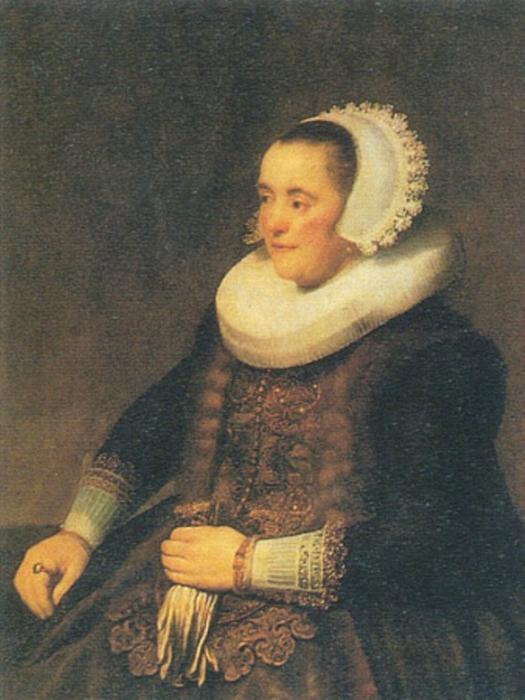
Portrait of a Seated Woman
 キャンバスに油彩
- ウォールアート
- Dutch Golden Age
 Renaissance
 93.0 x 68.0 cm
 Kunsthistorisches Museum
 詳細を見る
詳細を見る
オンラインプレビューをはるかに凌ぐ、高解像度で鮮明なデジタル画像をご購入いただけます。
各ファイルは、社内の専門家が高度なツールと熟練した手作業によるレタッチを用いて、細心の注意を払って準備されています。すべての画像において、卓越した鮮明度、正確な色彩再現性、そして繊細なディテールを保証いたします。
最終ファイルは、プロフェッショナルな編集・印刷環境ですぐにご利用いただけるよう最適化された状態で、72時間以内にメールにてお届けいたします。これは、一流のデザインスタジオ、出版社、ギャラリーから信頼されているものと同等の品質です。
デジタル画像のご注文に付随する特典
高品質なデジタル画像配信を、確かな品質で。
ArtsDot.com を選ぶことは、単に画像を手に入れることではありません。それは、プロの手によって精密に仕上げられ、満足保証が付いた高品質なデジタルアートワークを受け取ることを意味します。ご注文いただいた際に自動的に付随する内容は、以下の通りです:

メールですぐにお届け
ご注文から72時間以内に、高解像度のデジタル画像ファイルがメールでお手元に届きます。すぐにそのままご利用いただけます。

AI技術で最適化されたデジタルファイル
お客様の作品は、高度なAIツールと専門家による手作業の編集を組み合わせてプロフェッショナルに最適化されており、細部のディテール、鮮明さ、そして正確な色再現性を最大限に引き出しています。

一生涯無料の再送サービス
ファイルを誤って削除したり、紛失してしまったりしましたか?ご安心ください。いつでも無料で再送いたします。

輸入手数料は一切かかりません
関税や手数料、配送料を気にすることなく、お気に入りのアートワークをすぐにお楽しみいただけます。デジタルダウンロードは常に免税です。

色彩再現の保証
プロ仕様のツールとカラーマネジメント技術を用いることで、デジタル画像が元の色を最大限に忠実に再現することを保証いたします。

60日間満足保証
ご購入いただいたデジタル画像にご満足いただけない場合は、60日以内であれば、修正または100%の返金(理由を問う必要はありません)をさせていただきます。

100% 返金保証
ご満足いただけない場合は、デジタルファイルを受け取ってから60日以内であれば、理由を問わず全額返金いたします。

まとめ買い割引
3枚購入で10%OFF - 5枚購入で15%OFF - 10枚以上購入で20%OFF。クリエイティブなプロジェクト、ギャラリー、エージェンシーに最適です。
A Window into the Soul: Rembrandt’s ‘Portrait of a Seated Woman’
Rembrandt van Rijn's “Portrait of a Seated Woman,” housed within the hallowed halls of the Kunsthistorisches Museum in Vienna, isn’t merely a depiction of an individual; it’s a profound exploration of human character and the masterful manipulation of light and shadow that defined Rembrandt’s unique artistic vision. Completed during the tumultuous 17th century, this oil-on-canvas painting transcends its physical dimensions to offer a glimpse into the inner life of its subject – a woman radiating quiet confidence and an unspoken depth. The work immediately draws the viewer in with its intimate scale (93 x 68 cm), fostering a sense of closeness rarely afforded by grand historical portraits, inviting us to observe her directly, as if she were sharing a private moment. The painting’s composition is deceptively simple yet remarkably effective. The woman sits poised and relaxed, her gaze unwavering and direct – a deliberate act of engagement with the viewer that speaks volumes about her self-assuredness. Her attire, characterized by a ruffled collar and an intricately laced dress, reflects the fashion of the period while subtly hinting at her social standing. However, it’s not the details of her clothing that truly captivate; rather, it's Rembrandt’s extraordinary ability to render texture and form through light and shadow – a technique he honed throughout his illustrious career. Notice how the light, seemingly originating from an unseen source, gently illuminates her face, highlighting the delicate curve of her cheekbones and the subtle expression in her eyes. The shadows that fall across her dress and hands create a sense of depth and volume, imbuing the painting with a palpable three-dimensionality. Rembrandt’s genius lies not just in his technical skill but also in his profound understanding of human psychology. He wasn't interested in simply capturing a likeness; he sought to reveal the essence of his subject – her inner world. The slight tilt of her head, the subtle curve of her lips, and the directness of her gaze all contribute to an impression of intelligence, serenity, and perhaps even a hint of melancholy. This is further reinforced by the inclusion of a ring on her finger, a small detail that invites speculation about her past and future – a silent narrative woven into the fabric of the portrait. The painting’s resemblance to other works by Rembrandt, such as “Lucretia” and his self-portraits (particularly "Self Portrait (19)"), reveals a consistent approach to portraying human emotion through carefully controlled light and shadow, a hallmark of his distinctive style. Rembrandt's artistic journey was one of constant evolution, blending influences from the Dutch Golden Age with elements borrowed from Italian Old Masters. This synthesis is brilliantly evident in “Portrait of a Seated Woman.” The painting’s structure echoes the formal compositions favored by Italian portraitists, while Rembrandt’s signature use of chiaroscuro – the dramatic contrast between light and dark – elevates it to a level of emotional intensity rarely seen in contemporary Dutch art. His legacy extends far beyond this single masterpiece; he produced an estimated 300 paintings, 300 etchings, and over 2,000 drawings, each bearing testament to his unparalleled skill and profound understanding of the human condition. For those seeking a deeper appreciation of Rembrandt’s life and work, resources such as the Kunsthistorisches Museum's website and Wikipedia offer invaluable insights into his artistic development and historical context.The Technical Brilliance: Oil on Canvas and the Art of Chiaroscuro
The painting itself is a testament to Rembrandt’s mastery of oil paint on canvas – a medium he exploited with unparalleled skill. The layering of thin glazes, meticulously applied over time, creates a remarkable sense of luminosity and depth. Observe how the highlights shimmer and reflect light, while the shadows retain a velvety darkness that obscures detail yet simultaneously enhances the overall form. This technique, known as *sfumato* (a term borrowed from Italian painting), is central to Rembrandt’s style and contributes significantly to the emotional impact of “Portrait of a Seated Woman.” The subtle gradations of tone create an illusion of movement and atmosphere, drawing the viewer's eye across the canvas and inviting them to linger on every detail. The choice of canvas itself—a relatively small scale—further emphasizes the intimacy of the portrait, fostering a sense of connection between the subject and the observer.Symbolism and Intrigue: The Ring and the Unspoken Narrative
Beyond its technical brilliance, “Portrait of a Seated Woman” is rich in subtle symbolism. The most immediately striking element is the ring adorning her finger – a small but potent detail that invites speculation about her past and future. Rings have long been associated with status, commitment, and even secrets within portraiture. Its presence suggests a story—perhaps a marriage, perhaps a lost love, or simply a reflection of her personal identity. The woman’s direct gaze is equally significant; it's not a passive acceptance of the viewer’s scrutiny but an active engagement – a challenge to interpret her thoughts and feelings. This deliberate interaction transforms the portrait from a mere likeness into a compelling psychological study.A Legacy Enduring: Rembrandt’s Influence and Continued Inspiration
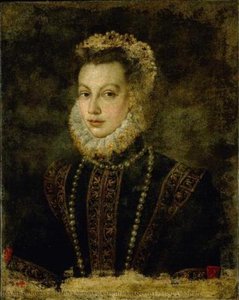
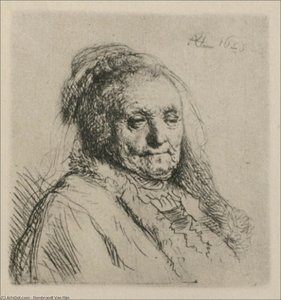
Rembrandt's influence on subsequent generations of artists is immeasurable. His innovative use of light and shadow, his profound understanding of human psychology, and his willingness to experiment with form and composition revolutionized the art world. Works like “Portrait of a Seated Woman” stand as enduring testaments to his genius – inspiring artists across centuries to explore the complexities of human emotion and the transformative power of visual representation. Furthermore, exploring related works by Rembrandt, such as "The Prophetess Anna" or his self-portraits, provides valuable context for understanding his artistic development and stylistic choices. For those seeking a deeper connection with this iconic artist, resources like the Kunsthistorisches Museum's website and external links offer comprehensive information on his life, work, and lasting legacy.関連作品

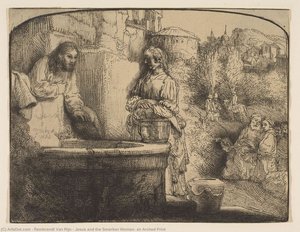
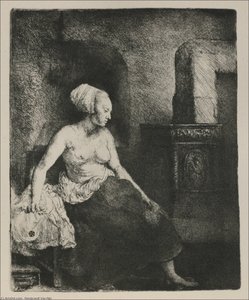
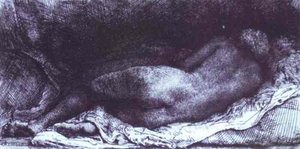
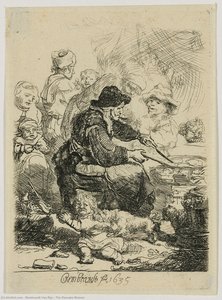
作家の略歴
光と影の巨匠:レンブラント・ファン・ライエンの世界
レンブラント・ファン・ライエン。その名は、オランダ黄金時代の芸術的輝きを象徴する言葉であり、光と影の魔術師として、西洋美術史に永遠に刻まれた天才の名です。1606年7月15日、北ネーデルラント連邦共和国の台頭期にあったライデンで生まれました。父は製粉業を営むハルメン・ゲルリツォン・ファン・ライエン、母はパン職人の娘ネールトゲン・ヴィレムスドゥヒテルという家庭環境に育ちました。幼少期から芸術的才能を発揮し、ラテン語学校で学んだ後、絵画の道へ進みます。まず地元のヤコブ・ファン・スワネブルクのもとで基礎を学び、その後、アムステルダムでピーター・ラストマンに師事します。ラストマンの劇的な光の使い方や歴史的場面の描写は、若いレンブラントの心に強い印象を与え、その後の芸術的探求の方向性を決定づけることになります。ライデンでの成功とアムステルダムへの飛躍
レンブラントは、地元ライデンにおいて早くから歴史画や肖像画で才能を認められ、人物の内面を深く捉える能力を示しました。1629年には、詩人であり外交官であったコンスタンティーン・フイヘンスの庇護を受け、その名声は高まり、より広範な顧客を獲得するようになります。そして1631年、レンブラントは新たな可能性を求めてアムステルダムへと移住します。商業と文化の中心地であるアムステルダムでは、肖像画家としての才能がすぐに求められ、富裕層からの依頼が後を絶ちません。1634年には、名門の娘サスキア・ファン・ウイレンブルフとの結婚は、彼の社会的地位を高めるとともに、経済的な安定をもたらし、より大規模なプロジェクトに挑戦する基盤となりました。しかし、この幸福も長くは続かず、サスキアの早すぎる死は、レンブラントの人生に深い影を落とすことになります。巨匠の進化:様式と技法
レンブラントの芸術的探求は、絶え間ない実験と深遠な進化によって彩られています。彼は理想化された美の追求から離れ、現実主義と感情表現を重視した描写へと向かいます。1625年から1635年頃までの初期には、緻密な細部描写とピーター・ラストマンの影響が見られますが、1630年代から1650年代にかけての成熟期に、レンブラントは真価を発揮します。この時期に顕著になったのが、「キアロスクーロ」と呼ばれる光と影の劇的な対比です。彼は単に光を描写するだけでなく、光を使って形を彫刻し、雰囲気を作り出し、被写体の内面世界を浮き彫りにしました。また、筆致もより自由で表現豊かになり、質感や感情、そして瞬間の迫力を伝えます。1650年代以降の晩年は、抑制された色彩と、個人的な苦悩や精神的な探求を反映した親密な肖像画や聖書物語が中心となります。これらの作品は、深遠な内省と人間の存在の複雑さへの向き合いが感じられます。不朽の名作と芸術史への貢献
レンブラントの遺産には、時代を超えて観る人々を魅了し続ける傑作が数多く存在します。『トゥルプ博士の解剖学講義』(1632年)は、革新的な構図と人物の内面描写によって、肖像画のジャンルに新たな地平を開きました。また、『バアルの宴会』(1635年)は、光、影、構成の巧みな融合により、聖書の物語を劇的に表現しています。そして、彼の最も有名な作品の一つである『夜警』(1642年)、正式名称は『コック船長の民兵隊』は、ダイナミックな構図と革新的な照明効果によって、集団肖像画の概念を覆しました。これらの大作に加え、約40点に及ぶ自画像群は、彼の加齢の過程と芸術的探求の軌跡を記録した貴重な資料であり、天才の精神世界への窓を開きます。また、版画技術においても革新をもたらし、線描と陰影の巧みな使い分けによって、版画を美術の領域へと高めました。レンブラントの影響は、彼の時代を超え、後世の画家、版画家、そしてドローイング作家たちに多大な影響を与えました。黄金時代の鏡
レンブラントの作品は、オランダ黄金時代の精神と不可分です。この時代を特徴づける経済的繁栄、知的活力、そして前例のない芸術的革新を、彼はその作品を通して鮮やかに捉えています。市民の肖像画、宗教的なテーマを描いた聖書物語、普遍的な人間の感情を探求する作品群は、当時の社会と文化を反映しています。レンブラントの人生—成功、苦難、そして揺るぎない芸術への献身—は、魅力的な物語として語り継がれています。彼は周囲の世界を単に記録していたのではなく、自身の経験と洞察を通して解釈していたのです。 レンブラントの影響は計り知れず、後世の芸術家たちに光、影、そして心理的リアリズムの力を探求するよう促しました。彼の作品は今もなお世界中の美術館や個人のコレクションで展示され、観る人々を深く感動させ続けています。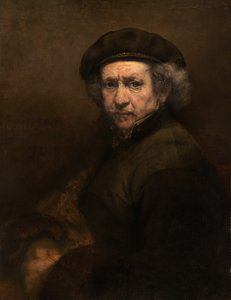
レンブラント・ファン・レイン
1606 - 1669 , オランダ
プロフィール概要
- フルネーム: レンブラント・ファン・レイン
- 主な作品:
- 解剖学のレッスン
- 夜警
- ベルシャザールの宴
- 出生地: ライデン(オランダ)
- 国籍: オランダ
- 影響を与えた芸術家: ['後世の画家多数']
- 影響を受けた芸術家:
- ティツィアーノ
- カラヴァッジョ
- ピーテル・ラストマン
- 没年月日: 1669年10月4日
- 生年月日: 1606年7月15日
- 芸術運動: バロック絵画

