

 プレビュー
プレビュー
 シェアする
シェアする シェアする
シェアする
 詳細を見る
詳細を見る

 ダウンロード
 似ている作品
 X線調査
X線調査 スライドショー
 統計情報
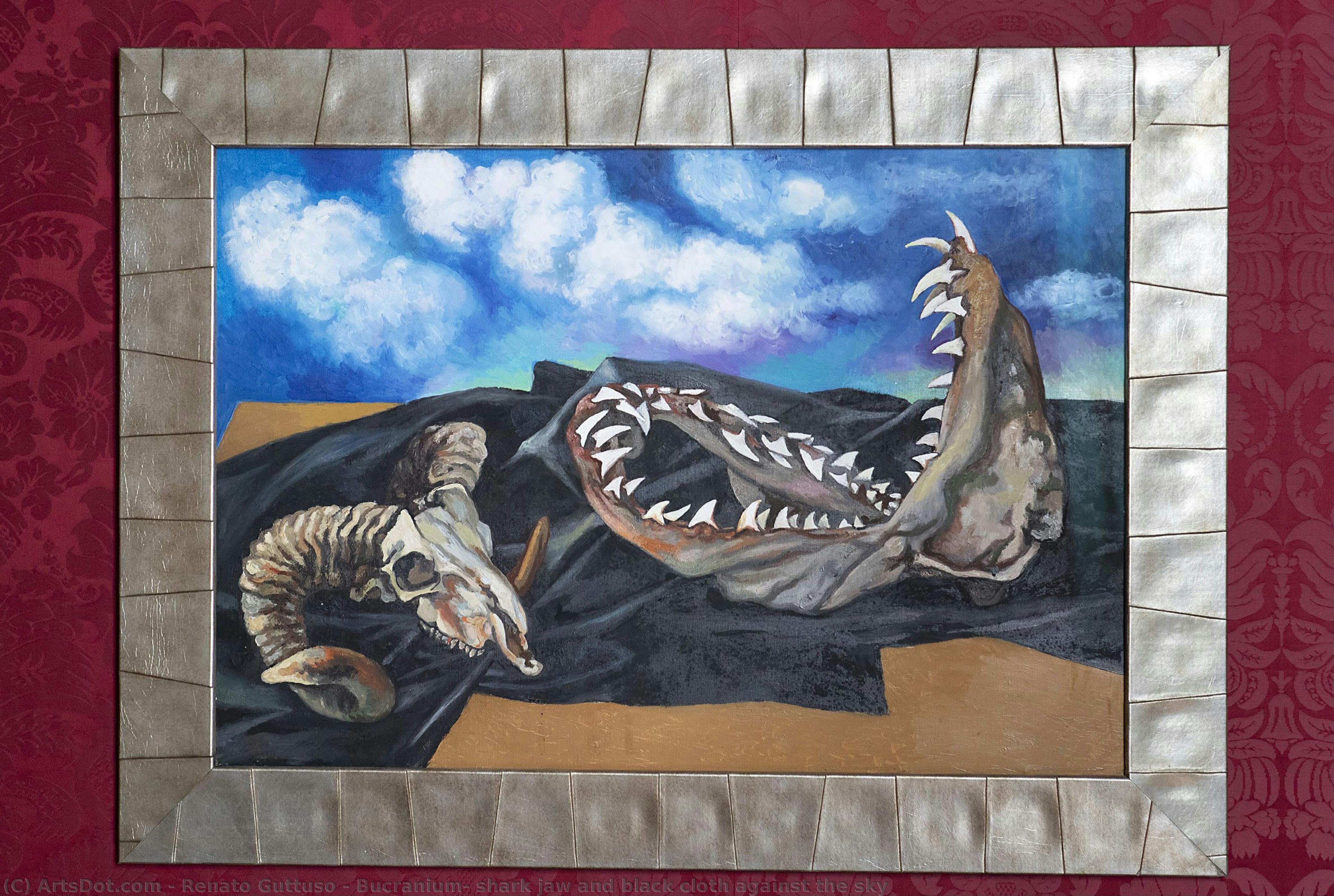
統計情報Bucranium, shark jaw and black cloth against the sky
 Expressionism
 1984
1984- Modern
 5.0 x 109.0 cm
 キリナーレ宮殿
 詳細を見る
詳細を見る
オンラインプレビューをはるかに凌ぐ、高解像度で鮮明なデジタル画像をご購入いただけます。
各ファイルは、社内の専門家が高度なツールと熟練した手作業によるレタッチを用いて、細心の注意を払って準備されています。すべての画像において、卓越した鮮明度、正確な色彩再現性、そして繊細なディテールを保証いたします。
最終ファイルは、プロフェッショナルな編集・印刷環境ですぐにご利用いただけるよう最適化された状態で、72時間以内にメールにてお届けいたします。これは、一流のデザインスタジオ、出版社、ギャラリーから信頼されているものと同等の品質です。
デジタルアート
個人での鑑賞、印刷、クリエイティブなプロジェクト用に、高解像度ファイルをダウンロードできます。 ( プリント版に切り替え 手描きの絵画を購入)
デジタル画像のご注文に付随する特典
高品質なデジタル画像配信を、確かな品質で。
ArtsDot.com を選ぶことは、単に画像を手に入れることではありません。それは、プロの手によって精密に仕上げられ、満足保証が付いた高品質なデジタルアートワークを受け取ることを意味します。ご注文いただいた際に自動的に付随する内容は、以下の通りです:

メールですぐにお届け
ご注文から72時間以内に、高解像度のデジタル画像ファイルがメールでお手元に届きます。すぐにそのままご利用いただけます。

AI技術で最適化されたデジタルファイル
お客様の作品は、高度なAIツールと専門家による手作業の編集を組み合わせてプロフェッショナルに最適化されており、細部のディテール、鮮明さ、そして正確な色再現性を最大限に引き出しています。

一生涯無料の再送サービス
ファイルを誤って削除したり、紛失してしまったりしましたか?ご安心ください。いつでも無料で再送いたします。

輸入手数料は一切かかりません
関税や手数料、配送料を気にすることなく、お気に入りのアートワークをすぐにお楽しみいただけます。デジタルダウンロードは常に免税です。

色彩再現の保証
プロ仕様のツールとカラーマネジメント技術を用いることで、デジタル画像が元の色を最大限に忠実に再現することを保証いたします。

100日間満足保証
ご購入いただいたデジタル画像にご満足いただけない場合は、100日以内であれば、理由を問わず修正または100%の返金対応をさせていただきます。

100% 返金保証
ご満足いただけない場合は、デジタルファイルを受け取ってから100日以内であれば、理由を問わず全額返金いたします。

まとめ買い割引
3枚購入で10%OFF - 5枚購入で15%OFF - 10枚以上購入で20%OFF。クリエイティブなプロジェクト、ギャラリー、エージェンシーに最適です。
A Macabre Symphony of Shadow and Bone
In the hauntingly evocative masterpiece Bucranium, shark jaw and black cloth against the sky, Renato Guttuso invites the viewer into a realm where the boundaries between life and death, nature and artifice, become strikingly blurred. Created in 1984, this profound work presents a stark, monochromatic tableau that commands immediate attention through its raw, visceral energy. The composition centers on the skeletal remains of a shark's jaw, its formidable teeth poised as if caught in a perpetual, silent bite against a heavy drape of black cloth. Intertwined with this maritime relic is an animal skull, a bucranium that serves as a memento mori, grounding the piece in a deep, historical tradition of contemplating mortality. The interplay of light and shadow across these bleached surfaces creates a sculptural depth, transforming a collection of biological remnants into a dramatic, almost theatrical, stage set.
The technical mastery displayed in this work is nothing short of breathtaking, particularly for those who appreciate the nuances of high-contrast monochrome. Guttuso utilizes a sophisticated range of tones to breathe life into the inanimate; the stark whites of the bone contrast sharply against the abyssal depths of the black fabric, creating a visual tension that vibrates with intensity. The artist’s brushwork, though controlled, retains an expressive quality that suggests the rugged textures of weathered bone and the soft, light-absorbing weight of the cloth. This meticulous attention to texture ensures that the piece is not merely a visual observation but a tactile experience, making it an extraordinary focal point for any sophisticated interior where depth and drama are desired.
Symbolism and the Weight of History
Beyond its striking aesthetic, the painting carries a heavy symbolic resonance. The use of the bucranium—a motif dating back to ancient sacrificial altars—evokes themes of ritual, sacrifice, and the cyclical nature of existence. By juxtaposing this classical symbol with the more primal, predatory imagery of the shark's jaw, Guttuso bridges the gap between historical tradition and the untamed forces of the natural world. The black cloth acts as a void, a canvas of nothingness from which these remnants of life emerge, suggesting that even in the face of decay, there is a profound, structural beauty to be found. For the collector, this piece offers more than decoration; it offers a philosophical meditation on the permanence of memory versus the transience of flesh.
For interior designers and connoisseurs of fine art, Bucranium, shark jaw and black cloth against the sky serves as a powerful statement piece. Its elongated format and monochromatic palette allow it to integrate seamlessly into modern, minimalist, or even avant-garde settings, providing a sophisticated anchor for a room. Whether placed in a gallery-style hallway or as a centerpiece in a contemporary study, this reproduction captures the uncompromising spirit of Italian Expressionism. It is an invitation to linger, to observe the subtle gradations of grey, and to confront the beautiful, haunting reality of the skeletal remains that Guttuso so masterfully immortalized.
関連作品

作家の略歴
The Visceral Soul of Sicilian Expressionism
Renato Guttuso stands as a monumental figure in the landscape of twentieth-century Italian art, a painter whose brush served as both a creative instrument and a political weapon. Born Aldo Renato Guttuso on December 26, 1911, in the sun-drenched town of Bagheria, Sicily, his life was inextricably linked to the turbulent socio-political currents of his era. From his earliest years, Guttuso possessed an eye for the raw textures of reality, a gift nurtured by his father, Gioacchino, an amateur watercolorist who instilled in him a profound respect for meticulous observation. This foundation allowed Guttuso to move beyond mere representation, developing a style that would eventually become synonymous with Sicilian Expressionism—a movement defined by its bold color palettes, dynamic brushstrokes, and an unflinching commitment to emotional honesty.
His artistic journey was never a solitary pursuit of aesthetics; rather, it was a continuous dialogue with the struggles of his people. While his early training in Rome during the 1930s exposed him to the formalist Novecento style favored by the Fascist establishment, Guttuly quickly found its rigid constraints suffocating. Instead, he sought refuge and inspiration in the avant-garde currents sweeping through Europe. By immersing himself in the works of Edvard Munch and Oskar Kokoschka, he embraced a more visceral, psychological approach to painting. His alignment with the Corrente movement marked a pivotal moment in his development, as he joined a group of intellectuals dedicated to purging art of rhetorical excess and reclaiming its power to reflect the raw, unvarnished truth of human existence.
Resistance, Reality, and the Canvas
The shadows of World War II cast a profound influence over Guttuso’s creative evolution. As Fascism tightened its grip on Italy, Guttuso did not retreat into the ivory tower of pure abstraction; instead, he took up arms. His active participation in the Italian partisan resistance against Mussolini’s regime infused his work with a sense of urgency and moral weight that would define his career. This period of struggle transformed his art into a medium for social realism, where the landscape of Sicily was not merely a scenic backdrop but a stage for the drama of human endurance and political upheaval. His masterpieces from this era, such as Flight from Etna (1938–39) and the hauntingly powerful Crucifixion (1941), utilize stark imagery to evoke the tension between life and death, oppression and liberation.
As his career progressed into the post-war years, Guttuso’s ability to weave together the personal and the political reached new heights. He became a master of capturing the vibrant, often chaotic essence of Sicilian life, most notably in works like La Vucciria (1974), which depicts the bustling, visceral energy of a famous Palermo market. His technique remained characterized by a heavy, tactile application of paint that gave his subjects a sculptural presence. Even in his later, more introspective works, such as the monochromatic and macabre Bucranium, shark jaw and black cloth against the sky (1984), one can sense the same preoccupation with the cycle of life, mortality, and the enduring weight of history that had driven his earlier, more explosive compositions.
A Legacy of Art and Activism
Guttuso’s significance extends far beyond the confines of the gallery. His life was a rare embodiment of the artist-citizen, a man who successfully navigated the highest echelons of political power without sacrificing his creative integrity. As a member of the Italian Communist Party, he served two terms in the Senate of the Republic between 1976 and 1983, bringing the same passion for justice to the halls of government that he brought to the canvas. This dual identity allowed him to remain a vital voice in the cultural discourse of Italy, ensuring that art remained deeply embedded in the social fabric of the nation.
The enduring impact of Renato Guttuso can be summarized through several key contributions to modern art:
- Synthesis of Styles: He successfully fused the traditions of European Expressionism and Surrealism with a uniquely Italian sense of social realism.
- Cultural Documentation: His paintings serve as essential visual chronicles of Sicilian life, capturing the landscapes, markets, and struggles of his homeland.
- Political Engagement: He redefined the role of the artist in the 20th century, proving that aesthetic excellence and political conviction could coexist to create a powerful, transformative art.
- Theatricality and Design: Beyond the canvas, his work in theatrical design expanded his expressive reach, bringing his dramatic vision to the performing arts.
When Guttuso passed away on January 18, 1987, he left behind a legacy that continues to resonate. His work remains a testament to the power of art to act as a mirror to society—reflecting not just our beauty and light, but our deepest shadows, our most profound struggles, and our unyielding hope for a more humanist future.
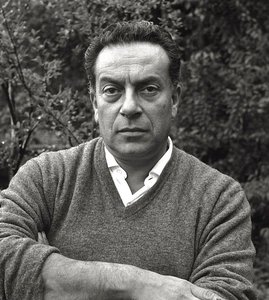
Renato Guttuso
1911 - 1987
プロフィール概要
- Artistic Movement Or Style: Expressionism
- Artists Or Movements Influenced By This Artist: ['Neue Sachlichkeit']
- Artists Who Influenced This Artist:
- Georges Braque
- Pablo Picasso
- Date Of Birth: 1911
- Date Of Death: 1987
- Full Name: Renato Guttuso
- Nationality: Italian
- Notable Artworks:
- Flight from Etna
- Crucifixion
- La vucciria
- Place Of Birth: Bagheria, Sicily