

 プレビュー
プレビュー
 シェアする
シェアする シェアする
シェアする
 詳細を見る
詳細を見る

 ダウンロード
 似ている作品
 X線調査
X線調査 スライドショー
 Stats
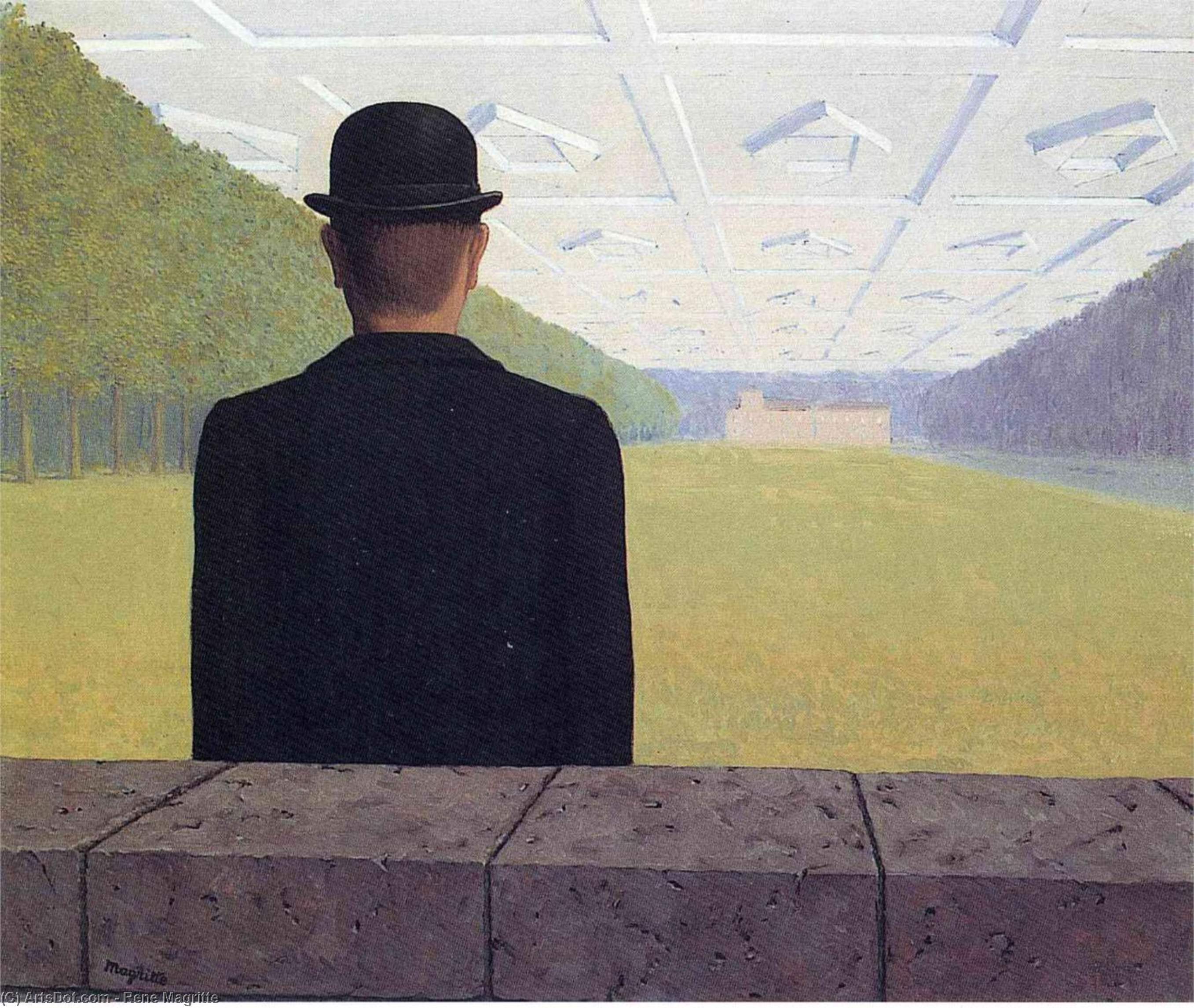
StatsThe great century


 詳細を見る
詳細を見る
オンラインプレビューをはるかに凌ぐ、高解像度で鮮明なデジタル画像をご購入いただけます。
各ファイルは、社内の専門家が高度なツールと熟練した手作業によるレタッチを用いて、細心の注意を払って準備されています。すべての画像において、卓越した鮮明度、正確な色彩再現性、そして繊細なディテールを保証いたします。
最終ファイルは、プロフェッショナルな編集・印刷環境ですぐにご利用いただけるよう最適化された状態で、72時間以内にメールにてお届けいたします。これは、一流のデザインスタジオ、出版社、ギャラリーから信頼されているものと同等の品質です。
デジタルアート
個人での鑑賞、印刷、クリエイティブなプロジェクト用に、高解像度ファイルをダウンロードできます。 ( Switch to Print 手描きの絵画を購入)
デジタル画像のご注文に付随する特典
高品質なデジタル画像配信を、確かな品質で。
ArtsDot.com を選ぶことは、単に画像を手に入れることではありません。それは、プロの手によって精密に仕上げられ、満足保証が付いた高品質なデジタルアートワークを受け取ることを意味します。ご注文いただいた際に自動的に付随する内容は、以下の通りです:

メールですぐにお届け
ご注文から72時間以内に、高解像度のデジタル画像ファイルがメールでお手元に届きます。すぐにそのままご利用いただけます。

AI技術で最適化されたデジタルファイル
お客様の作品は、高度なAIツールと専門家による手作業の編集を組み合わせてプロフェッショナルに最適化されており、細部のディテール、鮮明さ、そして正確な色再現性を最大限に引き出しています。

一生涯無料の再送サービス
ファイルを誤って削除したり、紛失してしまったりしましたか?ご安心ください。いつでも無料で再送いたします。

輸入手数料は一切かかりません
関税や手数料、配送料を気にすることなく、お気に入りのアートワークをすぐにお楽しみいただけます。デジタルダウンロードは常に免税です。

色彩再現の保証
プロ仕様のツールとカラーマネジメント技術を用いることで、デジタル画像が元の色を最大限に忠実に再現することを保証いたします。

100日間満足保証
ご購入いただいたデジタル画像にご満足いただけない場合は、100日以内であれば、理由を問わず修正または100%の返金対応をさせていただきます。

100% 返金保証
ご満足いただけない場合は、デジタルファイルを受け取ってから100日以内であれば、理由を問わず全額返金いたします。

まとめ買い割引
3枚購入で10%OFF - 5枚購入で15%OFF - 10枚以上購入で20%OFF。クリエイティブなプロジェクト、ギャラリー、エージェンシーに最適です。
A Window into Uncertainty: Exploring René Magritte’s “The Great Century”
René Magritte's "The Great Century," painted in 1954, isn’t merely a depiction of a landscape; it’s an invitation to contemplate the very nature of perception and reality itself. This surrealist masterpiece encapsulates the anxieties and intellectual curiosity characteristic of its time—the mid-20th century—while simultaneously establishing Magritte as one of the most influential figures in 20th-century art. The painting presents a deceptively simple scene: a man dressed in a bowler hat stands before an open doorway, gazing out at a field dotted with trees. Yet, within this seemingly tranquil tableau lies a profound paradox that continues to fascinate viewers decades later.The Surrealist Landscape and Its Symbolic Resonance
Magritte’s stylistic approach firmly anchors him within the Surrealist movement, spearheaded by André Breton. Rejecting rational thought and embracing dreams and subconscious impulses as sources of artistic inspiration, Surrealists sought to liberate art from the constraints of representational accuracy. “The Great Century” exemplifies this ethos through its deliberate ambiguity. The field itself is rendered in muted tones—a palette reminiscent of Impressionism—creating a sense of distance and stillness. However, it’s precisely this placid surface that conceals a deeper significance. The trees flanking the doorway aren't merely decorative elements; they represent the passage of time and perhaps even mortality, mirroring the melancholic contemplation of the central figure. Breton famously declared that Surrealist art should be “pure psychic automatism,” prioritizing spontaneous expression over conscious control—a principle vividly realized in Magritte’s masterful manipulation of visual cues.Technique and Composition: Mastering Illusion
Magritte employed a meticulous technique honed through years of artistic practice. He utilized oil paints on canvas, applying them with careful brushstrokes to achieve subtle gradations of color and texture. The doorway and window—a recurring motif in Magritte’s work—are rendered with remarkable precision, creating an illusion of depth that draws the eye inward. This masterful use of perspective contributes significantly to the painting's unsettling effect. Magritte deliberately avoids providing definitive answers about what lies beyond the doorway; instead, he presents a visual puzzle that challenges viewers to question their assumptions about how they perceive the world. The placement of the clock on the wall above the doorway is particularly noteworthy—a symbol of time and its relentless march forward, juxtaposed against the stillness of the landscape and the contemplative gaze of the man.Historical Context: Navigating Postwar Anxiety
“The Great Century” emerged during a period marked by considerable upheaval – the aftermath of World War II. The devastation experienced across Europe fueled anxieties about identity, loss, and the fragility of human existence. Surrealism responded to this climate with its exploration of irrationality and subconscious desires—a deliberate rejection of the optimism that characterized the preceding decades. Magritte’s painting reflects these concerns by presenting a figure confronting an unknown future, embodying the existential dilemmas faced by individuals grappling with uncertainty in a rapidly changing world. It speaks to a broader cultural preoccupation with questioning established norms and embracing alternative perspectives.Emotional Impact: A Meditation on Perception
Ultimately, “The Great Century” transcends mere visual representation; it evokes a profound emotional response. The painting’s unsettling stillness compels viewers to confront their own biases about how they interpret reality. Magritte's deliberate obfuscation invites contemplation—a recognition that what we see isn’t necessarily what is truly there. It lingers in the mind long after viewing, prompting questions about consciousness and the elusive nature of experience. This enduring fascination stems from Magritte’s ability to capture a fundamental human condition: our inherent desire to understand the world around us while simultaneously acknowledging its impenetrable mysteries.関連作品
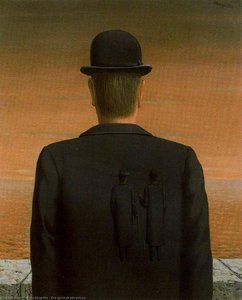
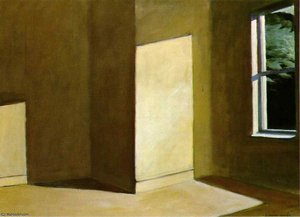
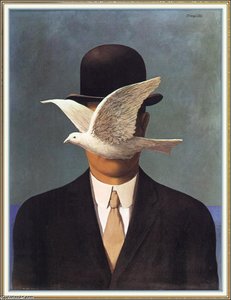
作家の略歴
ルネ・マグリット:日常に潜む謎と、現実を揺さぶる視覚的パラドックス
1898年11月21日、ベルギーのレシーヌで生まれたルネ・マグリットは、20世紀美術史における最も重要なシュルレアリストの一人として、その名を刻みました。幼少期のトラウマ的な出来事——母親の自殺——は、彼の芸術的探求に深く影を落とし、隠された現実、喪失感、そして見えないものへの執着というテーマを作品全体に織り込みました。マグリットの初期は印象派の影響を受けましたが、すぐに独自の視覚言語を確立し、日常的なオブジェクトを予期せぬ文脈で配置することで、私たちの認識と現実に対する固定観念を揺さぶるようになりました。
ジョルジュ・ド・キリコとの出会いとシュルレアリスムへの傾倒
マグリットの芸術的転換点となったのは、1922年にジョルジュ・ド・キリコの絵画『愛の歌』に出会った瞬間でした。ド・キリコの夢幻的な風景と不条理な組み合わせは、マグリットに新たな視覚的可能性を提示し、シュルレアリスムへの道を切り開きました。しかし、マグリットのシュルレアリスムは、他の多くの芸術家とは一線を画していました。彼は無意識からの自動的な表現や夢の解釈といった手法を避け、むしろ緻密な描写と論理的な構成を用いて、現実の矛盾を浮き彫りにすることに焦点を当てました。彼の作品は、まるで精密な写真のように見える一方で、その配置や組み合わせによって、見る者を混乱させ、思考を刺激するのです。
象徴主義と視覚的トリック:マグリット独自のシュルレアリスム
マグリットの作品における象徴性は、単なる装飾ではなく、彼の哲学的な探求の中心です。パイプが「これはパイプではありません」と宣言する『イメージの裏切り』は、最も有名な例の一つであり、表現と現実の関係について深く考えさせられます。また、『愛人たち』に見られるベールで顔を覆われた人物は、隠蔽、秘密、そして人間関係における不可解さを暗示しています。マグリットは、日常的なオブジェクトを組み合わせることで、視覚的トリックを生み出し、私たちの認識を欺きます。『時の停止』では、機関車が壁を突き破り、時間と空間の概念を混乱させます。これらの作品は、単なる奇抜なイメージではなく、現実の本質に対するマグリットの深い問いかけなのです。
晩年と遺産:シュルレアリスムを超えた影響力
マグリットは生涯を通じて、自身の芸術的探求を深め続けました。1960年代には、反復や錯覚、そして言語の力をテーマにした作品を発表し、その表現はますます洗練されていきました。1967年8月15日、マグリットは68歳でこの世を去りましたが、彼の遺産は美術界に深く刻まれています。ポップアート、ミニマリズム、そしてコンセプチュアルアートなど、20世紀の様々な芸術運動に影響を与え、現代においても多くのアーティストにインスピレーションを与え続けています。現在では、ブリュッセルの王立美術館内にマグリット博物館が設立され、彼の作品を包括的に展示しています。ルネ・マグリットは、日常の中に潜む謎を解き明かし、現実の境界線を揺さぶる視覚的パラドックスを通して、私たちに新たな視点を与え続けているのです。
主要な作品
- イメージの裏切り (Ceci n'est pas une pipe): 表現と現実の関係を問いかける象徴的な作品。
- 愛人たち (Les Amants): 隠蔽、秘密、そして人間関係における不可解さを暗示する作品。
- 時の停止 (Time Transfixed): 時間と空間の概念を混乱させる視覚的トリックが特徴的な作品。
- 人間の状態 (The Human Condition): 表現と現実の境界線を曖昧にする作品。
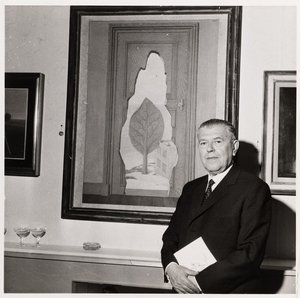
マグリット
1898 - 1967 , ベルギー
プロフィール概要
- Artistic Movement Or Style: Surrealism
- Artists Who Influenced This Artist: ['Giorgio de Chirico']
- Date Of Birth: November 21, 1898
- Date Of Death: August 15, 1967
- Full Name: René François Ghislain Magritte
- Nationality: Belgian
- Notable Artworks:
- Les Amants
- The Treachery of Images
- Time Transfixed
- Place Of Birth: Lessines, Belgium