 プレビュー
プレビュー
 プリントを購入
 シェアする
シェアする シェアする
シェアする
 詳細を見る
詳細を見る

 ダウンロード
 似ている作品
 X線調査
X線調査 スライドショー
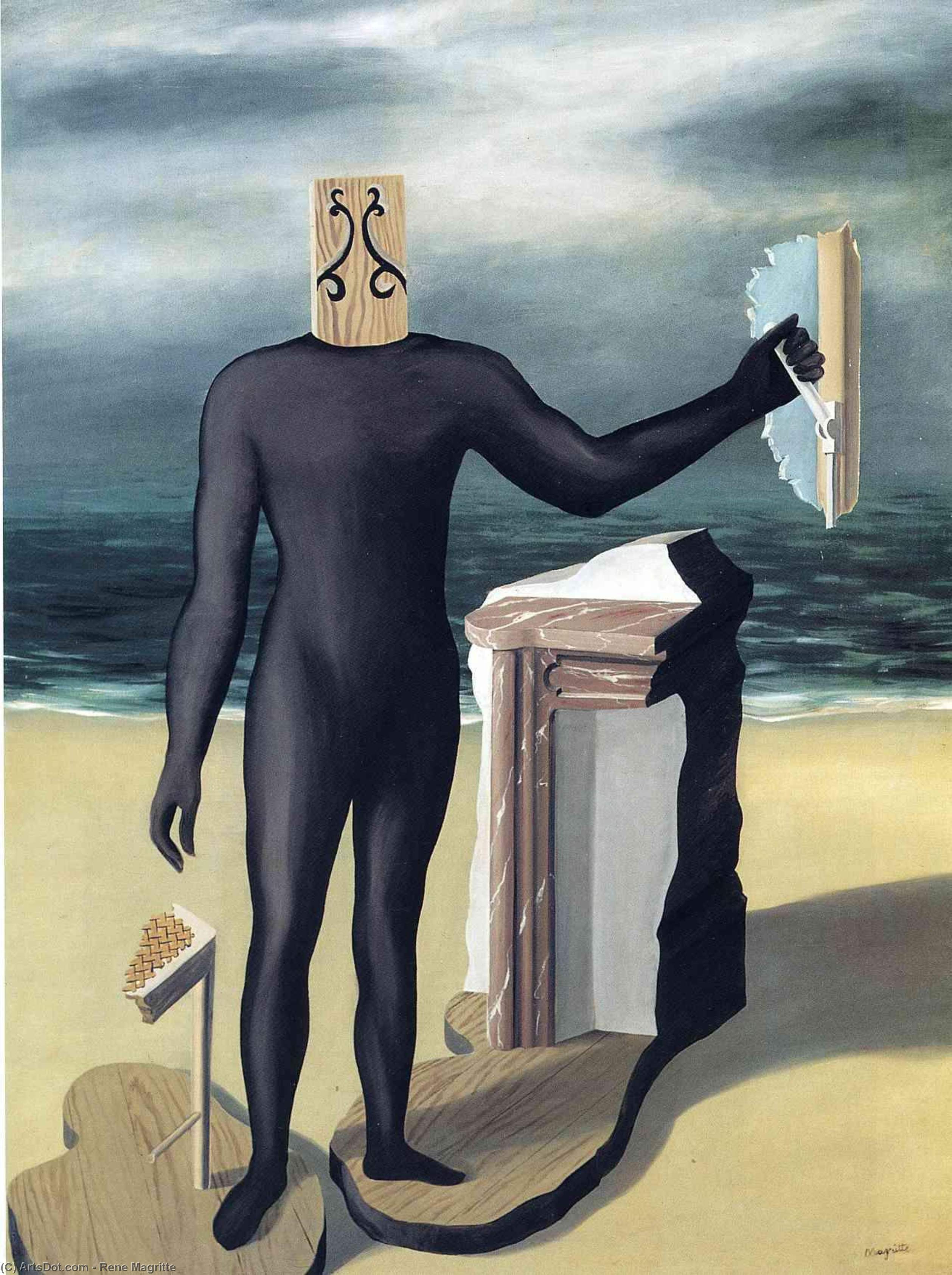
The man of the sea


 詳細を見る
詳細を見る




P118B $10

P118H $10

P118W $10

P438Z $10

P508JH $12

P508YH $12

P805H $10

P805Z $10

P919BZ $10

P919G $10

P919XJ $10

P959ZH $10

P968JZ $12

W106C $8

W218G $10

W218JH $8

W218Y $10

W307PJ $10

W316G $10

W316PJ $8

W316Y $10

W398PJ $8

W4111J $10

W500HY $15

W500JH $15

W692G $12

W849H $8

W940BG $15

W953PJ $8




作品のオリジナル比率に合わせた、当店の規定サイズからお選びください。

特定のフレームやスペースに合わせて、ご希望のサイズをご入力いただけます。選択されたサイズが元の画像の比率と異なる場合、アートワークをトリミングするか、手描きで要素を追加して絵画を拡張いたします。デジタルモックアップ を制作し、制作開始前にご確認(承認)をいただきます。
画面上のプレビューは、実際のトリミングや拡張を正確に反映しているものではありません。最終的な構図は、モックアップによってのみ正確にご確認いただけます。
カスタムサイズもご利用いただけますが、元の比率を維持するためには、あらかじめ用意されたリストからサイズを選択することをお勧めいたします。
ご注文後、ArtsDot.com チームより詳細な指示をお送りするとともに、仕上がりイメージ(モックアップ)をご提供いたします。


 ガラスオプションは、110cm未満のサイズでのみご利用いただけます。

The man of the sea
複製技法
複製画のサイズ
-


合計金額
$ 263
作品解説
The Enigmatic Presence of "The Man of the Sea" by René Magritte
René Magritte’s “The Man of the Sea,” painted in 1927, is not merely a depiction of a figure on a beach; it's an immersion into the unsettling realm of the subconscious, a quintessential example of Surrealist exploration. The painting immediately confronts the viewer with a profoundly disquieting scene: a man, formally dressed in a black suit, stands poised on a desolate shore, his head seemingly submerged within a wooden box. This simple yet powerfully evocative image encapsulates Magritte’s core artistic concerns – the questioning of reality, the manipulation of perception, and the haunting presence of memory.
- Subject Matter: The central figure dominates the composition, immediately drawing attention to his paradoxical state. His formal attire contrasts sharply with the surreal setting, suggesting a disconnect between appearance and reality.
- Composition & Technique: Magritte employs a meticulous technique, characteristic of his early work, utilizing smooth brushstrokes and precise detail. The muted color palette – predominantly blues, browns, and grays – contributes to the painting’s somber mood and reinforces its dreamlike quality.
A Reflection of Trauma and Hidden Realities
The genesis of “The Man of the Sea” is inextricably linked to Magritte's personal history. Born in 1898, he experienced a deeply formative event at the age of thirteen – his mother’s suicide. The image of her body recovered from the River Sambre, with her dress obscuring her face, became a recurring motif throughout his career. This trauma fueled his fascination with concealment, illusion, and the impossibility of truly knowing what lies beneath the surface. The box in which the man's head is placed can be interpreted as a symbolic representation of this hidden grief, a container holding unspoken sorrow and unanswered questions.
The two smaller figures on the beach further complicate the narrative. Their presence suggests a witness to this strange scene, perhaps an observer of the artist’s own internal struggles. They are deliberately rendered small and distant, emphasizing the isolation of the central figure and reinforcing the painting's themes of detachment and alienation.
Symbolism and the Surrealist Project
"The Man of the Sea" is a prime example of Magritte’s engagement with the core tenets of Surrealism. The work deliberately challenges conventional notions of representation, presenting an image that defies logical interpretation. It's not about depicting reality as it appears; instead, it aims to evoke emotion and provoke thought through juxtaposition and ambiguity. The umbrella held by the man adds another layer of complexity, perhaps symbolizing protection or a futile attempt to shield himself from the unsettling truth.
The boat in the background subtly introduces an element of maritime mystery, echoing themes of journeys, voyages, and the unknown depths – mirroring the hidden realities explored within the painting’s composition. This combination of elements creates a powerful visual paradox, inviting viewers to confront their own anxieties about perception, identity, and the nature of existence.
Emotional Impact and Artistic Significance
“The Man of the Sea” remains one of Magritte's most compelling early works, demonstrating his mastery of creating unsettling and thought-provoking imagery. Its enduring appeal lies in its ability to tap into universal human anxieties about loss, isolation, and the elusive nature of truth. A hand-painted reproduction offers a unique opportunity to experience this iconic artwork firsthand, appreciating the meticulous detail and the profound emotional resonance that has captivated audiences for nearly a century. This piece is not just a painting; it’s an invitation to delve into the depths of the subconscious.

アーティストの略歴
ルネ・マグリット:日常に潜む謎と、現実を揺さぶる視覚的パラドックス
1898年11月21日、ベルギーのレシーヌで生まれたルネ・マグリットは、20世紀美術史における最も重要なシュルレアリストの一人として、その名を刻みました。幼少期のトラウマ的な出来事——母親の自殺——は、彼の芸術的探求に深く影を落とし、隠された現実、喪失感、そして見えないものへの執着というテーマを作品全体に織り込みました。マグリットの初期は印象派の影響を受けましたが、すぐに独自の視覚言語を確立し、日常的なオブジェクトを予期せぬ文脈で配置することで、私たちの認識と現実に対する固定観念を揺さぶるようになりました。
ジョルジュ・ド・キリコとの出会いとシュルレアリスムへの傾倒
マグリットの芸術的転換点となったのは、1922年にジョルジュ・ド・キリコの絵画『愛の歌』に出会った瞬間でした。ド・キリコの夢幻的な風景と不条理な組み合わせは、マグリットに新たな視覚的可能性を提示し、シュルレアリスムへの道を切り開きました。しかし、マグリットのシュルレアリスムは、他の多くの芸術家とは一線を画していました。彼は無意識からの自動的な表現や夢の解釈といった手法を避け、むしろ緻密な描写と論理的な構成を用いて、現実の矛盾を浮き彫りにすることに焦点を当てました。彼の作品は、まるで精密な写真のように見える一方で、その配置や組み合わせによって、見る者を混乱させ、思考を刺激するのです。
象徴主義と視覚的トリック:マグリット独自のシュルレアリスム
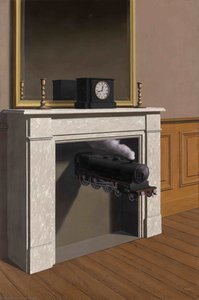
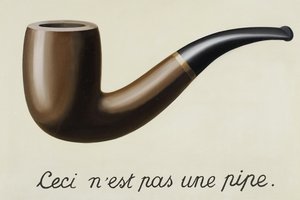
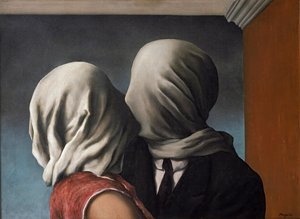
マグリットの作品における象徴性は、単なる装飾ではなく、彼の哲学的な探求の中心です。パイプが「これはパイプではありません」と宣言する『イメージの裏切り』は、最も有名な例の一つであり、表現と現実の関係について深く考えさせられます。また、『愛人たち』に見られるベールで顔を覆われた人物は、隠蔽、秘密、そして人間関係における不可解さを暗示しています。マグリットは、日常的なオブジェクトを組み合わせることで、視覚的トリックを生み出し、私たちの認識を欺きます。『時の停止』では、機関車が壁を突き破り、時間と空間の概念を混乱させます。これらの作品は、単なる奇抜なイメージではなく、現実の本質に対するマグリットの深い問いかけなのです。
晩年と遺産:シュルレアリスムを超えた影響力
マグリットは生涯を通じて、自身の芸術的探求を深め続けました。1960年代には、反復や錯覚、そして言語の力をテーマにした作品を発表し、その表現はますます洗練されていきました。1967年8月15日、マグリットは68歳でこの世を去りましたが、彼の遺産は美術界に深く刻まれています。ポップアート、ミニマリズム、そしてコンセプチュアルアートなど、20世紀の様々な芸術運動に影響を与え、現代においても多くのアーティストにインスピレーションを与え続けています。現在では、ブリュッセルの王立美術館内にマグリット博物館が設立され、彼の作品を包括的に展示しています。ルネ・マグリットは、日常の中に潜む謎を解き明かし、現実の境界線を揺さぶる視覚的パラドックスを通して、私たちに新たな視点を与え続けているのです。
主要な作品
- イメージの裏切り (Ceci n'est pas une pipe): 表現と現実の関係を問いかける象徴的な作品。
- 愛人たち (Les Amants): 隠蔽、秘密、そして人間関係における不可解さを暗示する作品。
- 時の停止 (Time Transfixed): 時間と空間の概念を混乱させる視覚的トリックが特徴的な作品。
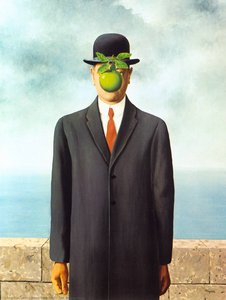
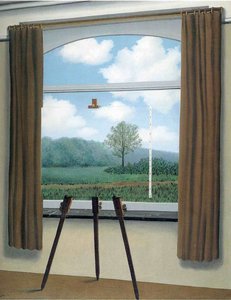
- 人間の状態 (The Human Condition): 表現と現実の境界線を曖昧にする作品。
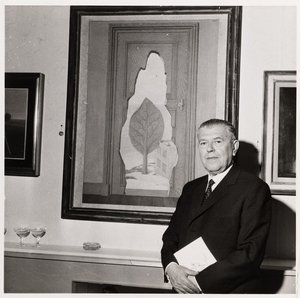
マグリット
1898 - 1967 , ベルギー
基本情報
- Artistic Movement Or Style: Surrealism
- Artists Who Influenced This Artist: ['Giorgio de Chirico']
- Date Of Birth: November 21, 1898
- Date Of Death: August 15, 1967
- Full Name: René François Ghislain Magritte
- Nationality: Belgian
- Notable Artworks:
- Les Amants
- The Treachery of Images
- Time Transfixed
- Place Of Birth: Lessines, Belgium
関連記事

Giclée Prints: Archival Quality & Aesthetic Nuances for the Discerning Collector
Explore the world of giclée prints with ArtsDot. Learn about archival quality, aesthetic nuances & investment potential. Expert guidance for discerning art collectors seeking museum-quality reproductions and lasting value.

Echoes of Time: Exploring the Enduring Appeal & Historical Context of Vintage Art Prints
Explore the captivating world of vintage art prints! Discover their history, collecting tips & enduring appeal. Expert insights on chromolithography and building a legacy collection with ArtsDot.
Transforming Spaces: A Comprehensive Exploration of Wall Decor Through Art History & Contemporary Practice
Explore the art of transforming spaces with our comprehensive guide to wall decor. From historical movements to contemporary trends, discover how to curate impactful interiors and commission bespoke artwork for a truly personalized aesthetic.
高級デザインにおけるフレスコ画の隆盛:壁画芸術の再興と新たな表現
ホテルデザインを格上げするフレスコ画の魅力とは?古代から現代までの歴史、技法、デザインプロセスを解説。ArtsDot.comでカスタムオーダーも可能です。空間を彩る壁画芸術の世界をご体験ください。

The Enduring Legacy of Fine Art Prints: Technique, History & Aesthetic Impact
Explore the rich history & techniques of fine art prints. Discover investment potential, assess authenticity, and learn how to preserve your collection with expert guidance. Trusted insights for discerning collectors.