

 プレビュー
プレビュー
 プリントを購入
 シェアする
シェアする シェアする
シェアする
 詳細を見る
詳細を見る

 ダウンロード
 似ている作品
 X線調査
X線調査 スライドショー
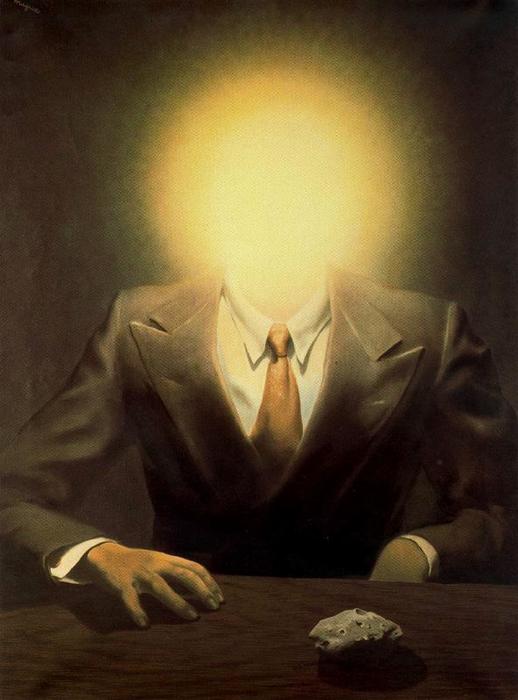
The Pleasure Principle (Portrait of Edward James)
 Acrylic On Canvas
- WallArt
- Surrealism
 1937
1937- Late Medieval
 79.0 x 63.0 cm
 詳細を見る
詳細を見る
オンラインプレビューをはるかに凌ぐ、高解像度で鮮明なデジタル画像をご購入いただけます。
各ファイルは、社内の専門家が高度なツールと熟練した手作業によるレタッチを用いて、細心の注意を払って準備されています。すべての画像において、卓越した鮮明度、正確な色彩再現性、そして繊細なディテールを保証いたします。
最終ファイルは、プロフェッショナルな編集・印刷環境ですぐにご利用いただけるよう最適化された状態で、72時間以内にメールにてお届けいたします。これは、一流のデザインスタジオ、出版社、ギャラリーから信頼されているものと同等の品質です。
デジタル画像のご注文に付随する特典
高品質なデジタル画像配信を、確かな品質で。
ArtsDot.com を選ぶことは、単に画像を手に入れることではありません。それは、プロの手によって精密に仕上げられ、満足保証が付いた高品質なデジタルアートワークを受け取ることを意味します。ご注文いただいた際に自動的に付随する内容は、以下の通りです:

メールですぐにお届け
ご注文から72時間以内に、高解像度のデジタル画像ファイルがメールでお手元に届きます。すぐにそのままご利用いただけます。

AI技術で最適化されたデジタルファイル
お客様の作品は、高度なAIツールと専門家による手作業の編集を組み合わせてプロフェッショナルに最適化されており、細部のディテール、鮮明さ、そして正確な色再現性を最大限に引き出しています。

一生涯無料の再送サービス
ファイルを誤って削除したり、紛失してしまったりしましたか?ご安心ください。いつでも無料で再送いたします。

輸入手数料は一切かかりません
関税や手数料、配送料を気にすることなく、お気に入りのアートワークをすぐにお楽しみいただけます。デジタルダウンロードは常に免税です。

色彩再現の保証
プロ仕様のツールとカラーマネジメント技術を用いることで、デジタル画像が元の色を最大限に忠実に再現することを保証いたします。

60日間満足保証
ご購入いただいたデジタル画像にご満足いただけない場合は、60日以内であれば、修正または100%の返金(理由を問う必要はありません)をさせていただきます。

100% 返金保証
ご満足いただけない場合は、デジタルファイルを受け取ってから60日以内であれば、理由を問わず全額返金いたします。

まとめ買い割引
3枚購入で10%OFF - 5枚購入で15%OFF - 10枚以上購入で20%OFF。クリエイティブなプロジェクト、ギャラリー、エージェンシーに最適です。
A Veil of Mystery: Unveiling René Magritte’s “The Pleasure Principle”
René Magritte's "The Pleasure Principle" (Portrait of Edward James), painted in 1937, isn’t merely a portrait; it’s an invitation to question the very nature of perception and representation. This arresting image, currently residing within the walls of the West Dean House (Edward James Foundation) in Sussex, UK, embodies Magritte's signature surrealist style – a deliberate disruption of reality designed to provoke contemplation. The painting immediately commands attention with its stark simplicity: a seated figure, formally dressed in a suit, rests his hands upon a table beside a smooth, grey stone. Yet, it’s the complete absence of a face that truly anchors the viewer within this enigmatic space. Instead of features, a luminous, almost blinding glow engulfs the head, rendering the subject utterly anonymous and creating an immediate sense of intrigue.
Magritte's genius lies in his masterful manipulation of light and shadow, transforming what could have been a straightforward likeness into something profoundly unsettling. The radiant illumination isn’t merely decorative; it actively conceals, suggesting that there is always more to see – or perhaps, more to *not* see – than meets the eye. This deliberate obfuscation speaks directly to Magritte's broader artistic concerns: the hidden realities beneath the surface of everyday life and the limitations of visual language.
The Commission and a Patron of Dreams
“The Pleasure Principle” was commissioned by Edward James, an aristocratic figure who transcended his privileged background to become a celebrated poet, eccentric collector, and a pivotal champion of the surrealist movement. James’s fascination with the unconventional and the dreamlike aligned perfectly with Magritte's artistic vision. Interestingly, this commission wasn’t born in isolation; Magritte had been exploring similar themes – particularly the obscured face – long before meeting James, as evidenced by an early 1936 ink sketch included within a manuscript dedicated to Paul Eluard, a fellow surrealist poet. This pre-existing preoccupation with hidden identities and veiled appearances underscores the deeply ingrained nature of this artistic motif within Magritte’s oeuvre.
James himself was a man profoundly influenced by Freudian psychology, particularly concepts like the “pleasure principle,” which posits that human behavior is driven primarily by the pursuit of pleasure and avoidance of pain. The title of the painting, therefore, isn't arbitrary; it’s a direct engagement with this influential theory, suggesting that the subject’s anonymity represents a surrender to instinctual desires and a rejection of rational identity.
Symbolism in Light and Stone
Beyond its portraiture function, “The Pleasure Principle” is rich in symbolic detail. The stone itself – smooth, grey, and utterly unremarkable – could represent the solidity of the self, or perhaps the inherent limitations of human understanding. Conversely, the light, a paradoxical element that simultaneously reveals and conceals, symbolizes knowledge, enlightenment, or even oblivion. It’s a visual representation of the elusive nature of truth; we can see *through* it, but never truly grasp its essence.
Magritte's use of light as a symbol is a recurring motif throughout his work, consistently challenging our assumptions about how we perceive and interpret images. The painting’s overall effect is one of unsettling beauty – a testament to Magritte’s ability to create art that is both intellectually stimulating and emotionally resonant.
A Legacy of Paradox
Magritte's influence extends far beyond the surrealist movement, impacting subsequent generations of artists across diverse disciplines. His work has served as a foundational inspiration for pop art (particularly in its exploration of recognizable imagery presented in unexpected contexts), minimalist art (through its emphasis on simplicity and reduction), and conceptual art (by questioning the very definition of art itself). “The Pleasure Principle” stands as a prime example of Magritte’s enduring legacy – a painting that continues to provoke, intrigue, and invite viewers to engage with the complexities of perception, identity, and the hidden depths of the human psyche. Reproductions of this iconic work offer a unique opportunity to bring this captivating vision into your own space, allowing you to contemplate its mysteries alongside countless others who have been captivated by Magritte’s genius.
作家の略歴
ルネ・マグリット:日常に潜む謎と、現実を揺さぶる視覚的パラドックス
1898年11月21日、ベルギーのレシーヌで生まれたルネ・マグリットは、20世紀美術史における最も重要なシュルレアリストの一人として、その名を刻みました。幼少期のトラウマ的な出来事——母親の自殺——は、彼の芸術的探求に深く影を落とし、隠された現実、喪失感、そして見えないものへの執着というテーマを作品全体に織り込みました。マグリットの初期は印象派の影響を受けましたが、すぐに独自の視覚言語を確立し、日常的なオブジェクトを予期せぬ文脈で配置することで、私たちの認識と現実に対する固定観念を揺さぶるようになりました。
ジョルジュ・ド・キリコとの出会いとシュルレアリスムへの傾倒
マグリットの芸術的転換点となったのは、1922年にジョルジュ・ド・キリコの絵画『愛の歌』に出会った瞬間でした。ド・キリコの夢幻的な風景と不条理な組み合わせは、マグリットに新たな視覚的可能性を提示し、シュルレアリスムへの道を切り開きました。しかし、マグリットのシュルレアリスムは、他の多くの芸術家とは一線を画していました。彼は無意識からの自動的な表現や夢の解釈といった手法を避け、むしろ緻密な描写と論理的な構成を用いて、現実の矛盾を浮き彫りにすることに焦点を当てました。彼の作品は、まるで精密な写真のように見える一方で、その配置や組み合わせによって、見る者を混乱させ、思考を刺激するのです。
象徴主義と視覚的トリック:マグリット独自のシュルレアリスム
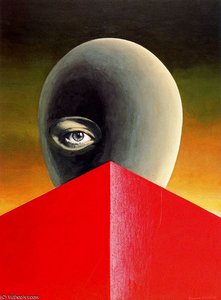
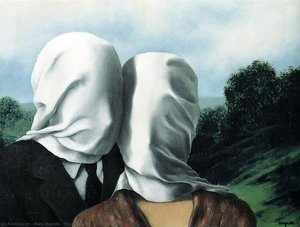
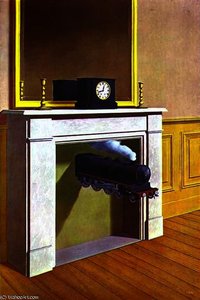
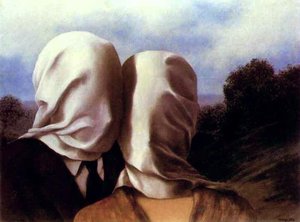
マグリットの作品における象徴性は、単なる装飾ではなく、彼の哲学的な探求の中心です。パイプが「これはパイプではありません」と宣言する『イメージの裏切り』は、最も有名な例の一つであり、表現と現実の関係について深く考えさせられます。また、『愛人たち』に見られるベールで顔を覆われた人物は、隠蔽、秘密、そして人間関係における不可解さを暗示しています。マグリットは、日常的なオブジェクトを組み合わせることで、視覚的トリックを生み出し、私たちの認識を欺きます。『時の停止』では、機関車が壁を突き破り、時間と空間の概念を混乱させます。これらの作品は、単なる奇抜なイメージではなく、現実の本質に対するマグリットの深い問いかけなのです。
晩年と遺産:シュルレアリスムを超えた影響力
マグリットは生涯を通じて、自身の芸術的探求を深め続けました。1960年代には、反復や錯覚、そして言語の力をテーマにした作品を発表し、その表現はますます洗練されていきました。1967年8月15日、マグリットは68歳でこの世を去りましたが、彼の遺産は美術界に深く刻まれています。ポップアート、ミニマリズム、そしてコンセプチュアルアートなど、20世紀の様々な芸術運動に影響を与え、現代においても多くのアーティストにインスピレーションを与え続けています。現在では、ブリュッセルの王立美術館内にマグリット博物館が設立され、彼の作品を包括的に展示しています。ルネ・マグリットは、日常の中に潜む謎を解き明かし、現実の境界線を揺さぶる視覚的パラドックスを通して、私たちに新たな視点を与え続けているのです。
主要な作品
- イメージの裏切り (Ceci n'est pas une pipe): 表現と現実の関係を問いかける象徴的な作品。
- 愛人たち (Les Amants): 隠蔽、秘密、そして人間関係における不可解さを暗示する作品。
- 時の停止 (Time Transfixed): 時間と空間の概念を混乱させる視覚的トリックが特徴的な作品。
- 人間の状態 (The Human Condition): 表現と現実の境界線を曖昧にする作品。
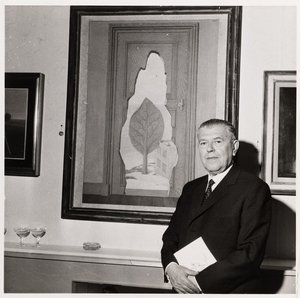
マグリット
1898 - 1967 , ベルギー
プロフィール概要
- Artistic Movement Or Style: Surrealism
- Artists Who Influenced This Artist: ['Giorgio de Chirico']
- Date Of Birth: November 21, 1898
- Date Of Death: August 15, 1967
- Full Name: René François Ghislain Magritte
- Nationality: Belgian
- Notable Artworks:
- Les Amants
- The Treachery of Images
- Time Transfixed
- Place Of Birth: Lessines, Belgium

