

 プリントを購入
 シェアする
シェアする シェアする
シェアする
 詳細を見る
詳細を見る

 ダウンロード
 似ている作品
 スライドショー
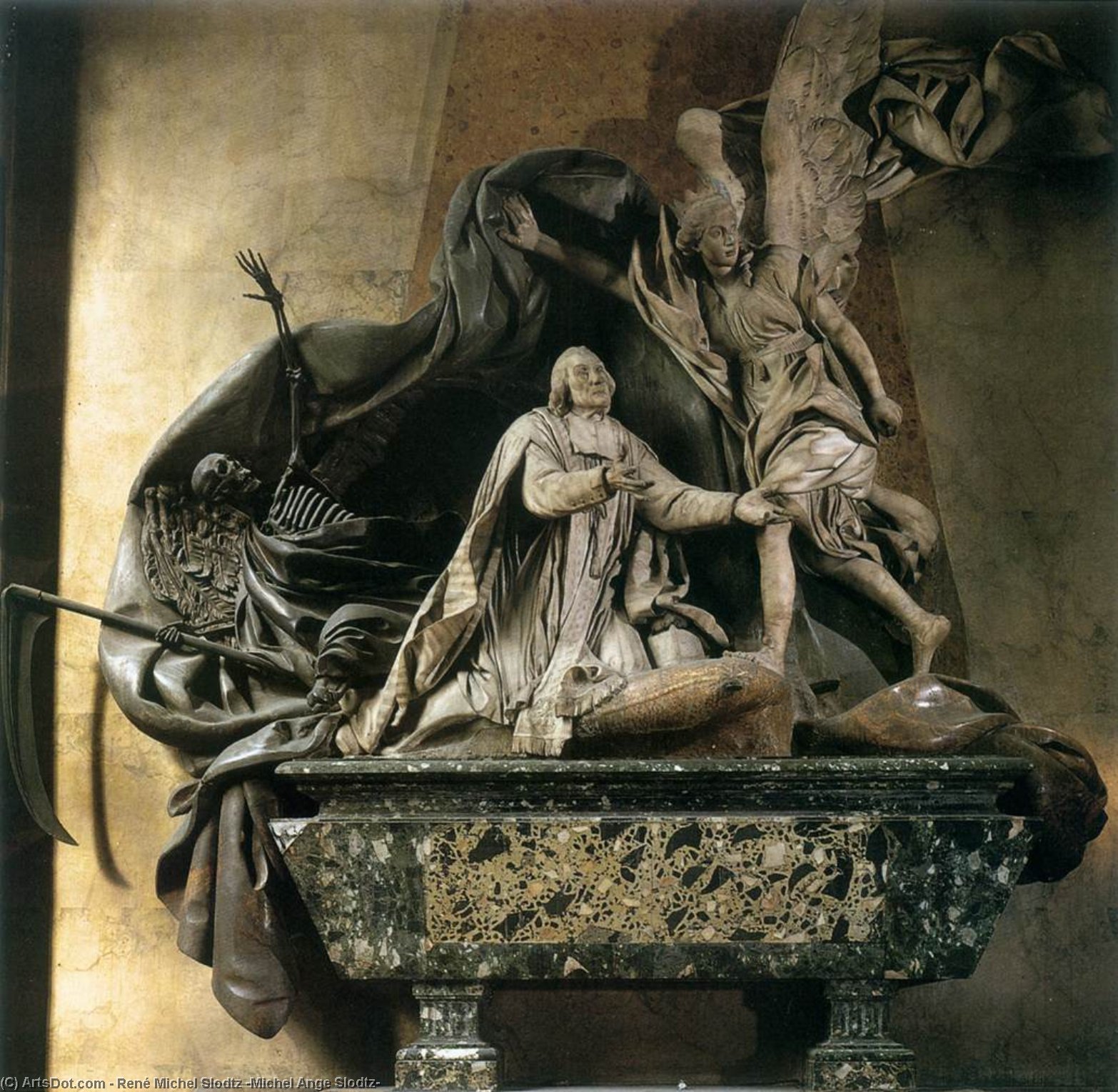
Funeral Monument to Languet de Gergy


 詳細を見る
詳細を見る
オンラインプレビューをはるかに凌ぐ、高解像度で鮮明なデジタル画像をご購入いただけます。
各ファイルは、社内の専門家が高度なツールと熟練した手作業によるレタッチを用いて、細心の注意を払って準備されています。すべての画像において、卓越した鮮明度、正確な色彩再現性、そして繊細なディテールを保証いたします。
最終ファイルは、プロフェッショナルな編集・印刷環境ですぐにご利用いただけるよう最適化された状態で、72時間以内にメールにてお届けいたします。これは、一流のデザインスタジオ、出版社、ギャラリーから信頼されているものと同等の品質です。
デジタル画像のご注文に付随する特典
高品質なデジタル画像配信を、確かな品質で。
ArtsDot.com を選ぶことは、単に画像を手に入れることではありません。それは、プロの手によって精密に仕上げられ、満足保証が付いた高品質なデジタルアートワークを受け取ることを意味します。ご注文いただいた際に自動的に付随する内容は、以下の通りです:

メールですぐにお届け
ご注文から72時間以内に、高解像度のデジタル画像ファイルがメールでお手元に届きます。すぐにそのままご利用いただけます。

AI技術で最適化されたデジタルファイル
お客様の作品は、高度なAIツールと専門家による手作業の編集を組み合わせてプロフェッショナルに最適化されており、細部のディテール、鮮明さ、そして正確な色再現性を最大限に引き出しています。

一生涯無料の再送サービス
ファイルを誤って削除したり、紛失してしまったりしましたか?ご安心ください。いつでも無料で再送いたします。

輸入手数料は一切かかりません
関税や手数料、配送料を気にすることなく、お気に入りのアートワークをすぐにお楽しみいただけます。デジタルダウンロードは常に免税です。

色彩再現の保証
プロ仕様のツールとカラーマネジメント技術を用いることで、デジタル画像が元の色を最大限に忠実に再現することを保証いたします。

60日間満足保証
ご購入いただいたデジタル画像にご満足いただけない場合は、60日以内であれば、修正または100%の返金(理由を問う必要はありません)をさせていただきます。

100% 返金保証
ご満足いただけない場合は、デジタルファイルを受け取ってから60日以内であれば、理由を問わず全額返金いたします。

まとめ買い割引
3枚購入で10%OFF - 5枚購入で15%OFF - 10枚以上購入で20%OFF。クリエイティブなプロジェクト、ギャラリー、エージェンシーに最適です。
Luca Giordano: The Whirlwind Painter of Baroque Italy
Luca Giordano, a name synonymous with dazzling speed and vibrant color, stands as one of the most remarkable figures in 17th-century Italian art. Born in Naples in 1634, he quickly established himself not just as a painter but as a phenomenon – a “Fa Presto,” or ‘works quickly’ artist, renowned for his astonishing ability to complete commissions with breathtaking rapidity. His career spanned over four decades, taking him from the bustling streets of Naples to the grand courts of Rome, Venice, Madrid, and Florence, leaving behind a legacy of dramatic narratives, opulent interiors, and an unparalleled mastery of color and movement. This biography delves into the life, work, and enduring influence of this extraordinary artist. Early Training and Neapolitan Roots Luca Giordano’s artistic journey began under the tutelage of Giuseppe de Ribera, a leading figure in the Neapolitan Baroque school. Ribera's dark, dramatic style – heavily influenced by Caravaggio – instilled in Giordano a foundational understanding of chiaroscuro, the masterful manipulation of light and shadow that would become his signature technique. This early exposure cemented his commitment to portraying emotion with visceral intensity, shaping his artistic vision for years to come. He honed his skills amidst the vibrant artistic milieu of Naples, absorbing inspiration from fellow artists and immersing himself in the theatrical grandeur of the Bourbon court. A Master of Rapid Execution and Baroque Splendor Giordano’s reputation as “Fa Presto” wasn't merely a boastful claim; it was a demonstrable reality. He could transform sketches into monumental frescoes within weeks—a feat unheard of at the time—demonstrating an unparalleled dedication to his craft and securing him commissions from influential patrons across Europe. His style embodied the exuberant spirit of Baroque art, characterized by dynamic compositions, swirling drapery, and a dazzling palette of colors designed to overwhelm the senses. He excelled in painting ceilings and walls, creating immersive environments that transported viewers into fantastical realms populated with mythological figures and biblical scenes. Notable Works and Artistic Legacy Among Giordano’s most celebrated achievements are his frescoes adorning the Palazzo Nuovo and Palazzo Barberini in Rome—particularly the Chapel of Sant'Andrea della Valle, a masterpiece of Baroque illusionism where he employed techniques like trompe l'oeil to create an astonishing sense of depth and perspective. His paintings showcased similar virtuosity, capturing dramatic moments with breathtaking realism and conveying profound emotional resonance. He traveled extensively throughout Europe, adapting his style to suit the tastes of various courts while maintaining his distinctive artistic voice. Giordano’s influence extended beyond his own output; he mentored younger artists and disseminated his techniques, shaping the trajectory of Baroque painting for generations. Symbolism and Emotional Impact Giordano's art wasn't simply aesthetically pleasing; it served a deeper purpose—to inspire awe and convey moral messages. Recurring motifs like angels, saints, and mythological creatures symbolized divine grace and virtue, reinforcing religious piety within aristocratic circles. The expressive faces of his figures conveyed intense emotion – sorrow, joy, ecstasy – inviting contemplation and prompting viewers to confront fundamental questions about faith and humanity. His paintings continue to captivate audiences today with their dramatic energy and masterful execution, cementing Giordano’s place as a titan among Baroque artists.関連作品
作家の略歴
Luca Giordano: The Whirlwind Painter of Baroque Italy
Luca Giordano, a name synonymous with dazzling speed and vibrant color, stands as one of the most remarkable figures in 17th-century Italian art. Born in Naples in 1634, he quickly established himself not just as a painter but as a phenomenon – a “Fa Presto,” or ‘works quickly’ artist, renowned for his astonishing ability to complete commissions with breathtaking rapidity. His career spanned over four decades, taking him from the bustling streets of Naples to the grand courts of Rome, Venice, Madrid, and Florence, leaving behind a legacy of dramatic narratives, opulent interiors, and an unparalleled mastery of color and movement. This biography delves into the life, work, and enduring influence of this extraordinary artist.Early Training and Neapolitan Roots
Luca Giordano’s artistic journey began under the tutelage of Giuseppe de Ribera, a leading figure in the Neapolitan Baroque school. Ribera's dark, dramatic style – heavily influenced by Caravaggio – profoundly shaped Giordano’s early development. However, Giordano quickly surpassed his teacher, developing a distinctive approach characterized by an exuberant palette, dynamic compositions, and a remarkable gift for capturing fleeting moments of emotion. His Neapolitan upbringing instilled in him a deep appreciation for the local artistic traditions, particularly the theatricality and emotional intensity prevalent in the city’s painting scene. This foundation, combined with his innate talent and tireless work ethic, propelled him to rapid success. The nickname “Fa Presto” wasn't merely boastful; it reflected a genuine ability to execute complex works within remarkably short timeframes – a skill that became legendary throughout Europe.Style and Influences: A Synthesis of Masters
Giordano’s style was a fascinating synthesis of influences, skillfully blending the dramatic realism of Caravaggio with the elegance and grace of Roman and Venetian masters. He absorbed the anatomical precision of Annibale Carracci, the architectural grandeur of Pietro da Cortona, and the atmospheric perspective of Venetian painters like Titian. Crucially, he didn’t simply imitate these artists; instead, he internalized their techniques and translated them into his own unique visual language. His paintings are characterized by a loose, painterly brushstroke, an intense use of color – particularly reds, golds, and blues – and a dynamic sense of movement. He was adept at creating illusions of depth and space, often employing dramatic lighting to heighten the emotional impact of his scenes. His work frequently depicted religious subjects, mythological narratives, and grand historical events, all rendered with a theatrical flair that captivated audiences.Major Works and Commissions
Giordano’s prolific output resulted in a vast body of work, encompassing paintings, frescoes, and numerous modelli – detailed preparatory drawings for larger projects. Among his most celebrated achievements are the monumental ceiling frescoes he executed at the Palazzo Medici-Riccardi in Florence (1682–85), particularly the series depicting the Cardinal Virtues. These works exemplify Giordano’s mastery of scale and his ability to create immersive, visually stunning environments. The “Apotheosis of the Medici” is a prime example, showcasing his dramatic use of color and composition. He also produced numerous portraits for wealthy patrons, including the lavish "Bacchus and Ariadne" (1674–77) for the Rosso family in Florence – a vibrant interpretation of Titian’s masterpiece that demonstrates his innovative approach to established themes. His work in Madrid, particularly during his time at the court of Philip IV, included numerous portraits and historical scenes reflecting the Spanish court's tastes.Legacy and Historical Significance
Luca Giordano’s impact on 18th-century art was profound. His remarkable speed and technical skill influenced a generation of Neapolitan painters, shaping the development of Baroque painting in the region. His dynamic compositions and vibrant color palettes paved the way for later artists, including those associated with Rococo. While often overshadowed by more austere figures like Caravaggio, Giordano’s exuberant style and theatrical flair secured his place as one of the most important and beloved artists of the Baroque period. His legacy continues to be celebrated through reproductions of his works, such as those offered by ArtsDot.com, allowing audiences worldwide to appreciate the brilliance and dynamism of this extraordinary “Fa Presto” painter. His work stands as a testament to the power of speed, skill, and imagination in the hands of a truly exceptional artist.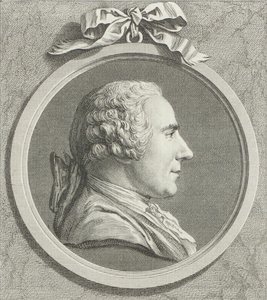
rené michel slodtz (michel ange slodtz)
1705 - 1764 , France
プロフィール概要
- Artistic Movement Or Style: Baroque
- Artists Or Movements Influenced By This Artist:
- Annibale Carracci
- Caravaggio
- Artists Who Influenced This Artist:
- Jusepe de Ribera
- Albrecht Dürer
- Titian
- Paolo Veronese
- Date Of Birth: 1634
- Date Of Death: 1705
- Full Name: Luca Giordano
- Nationality: Italian
- Notable Artworks:
- Death of Seneca
- Death of Archimedes
- Bacchus and Ariadne
- Place Of Birth: Naples, Italy

