

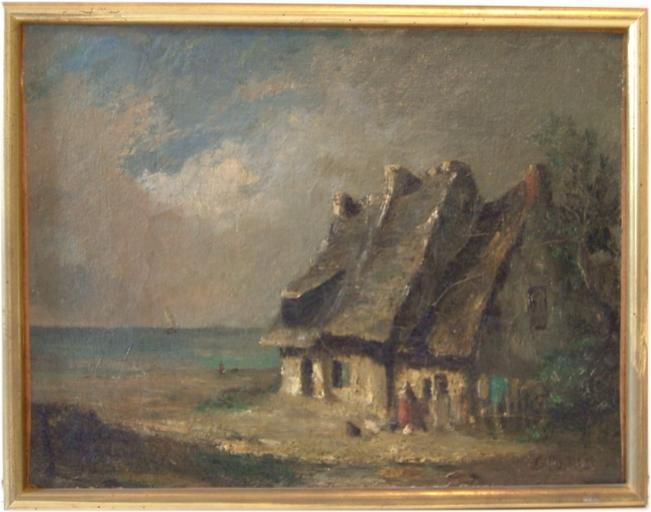
 プレビュー
プレビュー
 シェアする
シェアする シェアする
シェアする
 詳細を見る
詳細を見る

 ダウンロード
 似ている作品
 X線調査
X線調査 スライドショー
 統計情報
統計情報Port Navalo
Discover the serene landscapes of Ernest Louis Ferdinand Tener (renet), a master of French pastoral art. Explore his timeless works, from Vendée to Normandy.
 詳細を見る
詳細を見る
ジークレー/アートプリント
迅速な制作と多彩な仕上げオプションを備えた、ミュージアムクオリティのジークレーまたはキャンバスプリント。 ( 手描きの絵画を購入 デジタル画像販売へ切り替え)




































標準サイズ
オーダーメイド
CM
INCH
作品のオリジナル比率に合わせた、当店の規定サイズからお選びください。
Loading sizes...

幅
高さ
特定のフレームやスペースに合わせて、ご自身でサイズを指定することも可能です。選択されたサイズが元の画像の比率と一致しない場合、作品をトリミングするか、鏡面反射または単色での塗りつぶしによって画像を拡張いたします。制作を開始する前に、ご確認用のデジタルモックアップをお送りいたします。
画面上のプレビューには、実際のトリミングや拡張は反映されませんのでご注意ください。最終的な構図を正確に確認できるのは、モックアップのみとなります。
カスタムサイズも承っておりますが、元の比率を維持するためには、あらかじめ用意されたリストからサイズを選択することをお勧めいたします。


 ガラスオプションは、110cm未満のサイズでのみご利用いただけます。

Port Navalo
ジークレー/アートプリント
複製画のサイズ
-


合計金額
$ 62
関連作品







アーティストの略歴
Ernest Louis Ferdinand Tener: A Master of French Pastoral Light
Ernest Louis Ferdinand Tener, known simply as renet (a name adopted later in life), stands as a quietly significant figure within 19th-century French landscape painting. Born in Oise, France, near Paris, his artistic journey unfolded over several decades, culminating in a distinctive style characterized by luminous pastels, meticulous detail, and an intimate understanding of the rural world. While not achieving the widespread fame of some contemporaries, Tener’s work offers a serene and deeply evocative glimpse into the heart of French pastoral life – from the rolling hills of Vendée to the tranquil rivers of Normandy. His legacy lies in his ability to capture fleeting moments of beauty and tranquility, imbuing each canvas with a sense of quiet contemplation.Early Life and Influences: A Family Legacy
Tener’s artistic lineage began with his father, Louis Ferdinand Elle the Elder, a respected portrait painter who established a strong foundation in technical skill and an appreciation for classical composition. Elle the Elder's influence is undeniable, particularly in Tener’s early works which often featured refined figures within meticulously rendered interiors. However, renet quickly distinguished himself by shifting his focus to landscape, a deliberate departure that reflected a growing passion for the natural world. The artistic atmosphere of Paris during this period was fertile ground for experimentation, and Tener undoubtedly absorbed influences from the burgeoning Romantic movement, though he tempered its dramatic intensity with a more restrained palette and a profound respect for observation. Notably, he studied under Jean-Louis Ernest Meissonier, a renowned historical painter known for his meticulous realism – an influence that can be seen in Tener’s careful attention to detail and his ability to capture the subtle nuances of light and shadow.The Development of Style: Light, Color, and Observation
Tener's artistic style evolved over time, but a consistent thread runs through his oeuvre: an exquisite sensitivity to light and color. He was particularly adept at capturing the ethereal quality of dawn and dusk, employing delicate washes of pastel pink, lavender, and pale blue to evoke a sense of tranquility and mystery. His landscapes are rarely dramatic or overtly emotional; instead, they invite the viewer into a world of quiet observation, where the beauty lies in the subtle details – the texture of grass, the reflection of light on water, the silhouettes of trees against the sky. He meticulously studied his subjects, often painting *en plein air* (outdoors) to capture the true essence of the landscape. This commitment to direct observation is evident in works like “Bords de l’Oise, L’Isle Adam vue de Parmain,” where the riverbank scene unfolds with remarkable precision and a palpable sense of atmosphere. His use of color was not merely decorative; it served as a means of conveying mood and texture, creating a visual harmony that is both subtle and deeply affecting.Key Works and Themes: Vendée, Normandy, and the River Seine
Tener’s most celebrated works often depict scenes from the rural landscapes of Vendée and Normandy. These regions, with their rolling hills, verdant pastures, and meandering rivers, provided a rich source of inspiration for his paintings. “Allée sous bois” exemplifies this style perfectly – a dappled path winding through a sun-drenched forest, inviting the viewer to lose themselves in its tranquil beauty. Similarly, his depictions of the River Seine are imbued with a sense of timelessness and serenity. Works like “Paysage” showcase his ability to capture the ever-changing moods of the river, from its shimmering surface under a summer sky to its moody reflections during a storm. He frequently painted scenes of farm life, capturing the rhythms of rural existence – the planting of crops, the tending of livestock, and the simple pleasures of everyday life.Legacy and Recognition
Despite not achieving widespread fame during his lifetime, renet’s work has been increasingly recognized for its quiet beauty and technical mastery. His paintings are held in several prominent collections, including those of museums across France and internationally. His dedication to capturing the essence of French pastoral life offers a valuable counterpoint to the more dramatic styles of other 19th-century landscape painters. Today, renet is appreciated as a skilled observer of nature and a subtle interpreter of light and color – an artist who invites viewers to slow down, breathe deeply, and appreciate the simple beauty of the world around them. His work continues to resonate with audiences seeking solace and contemplation in a rapidly changing world.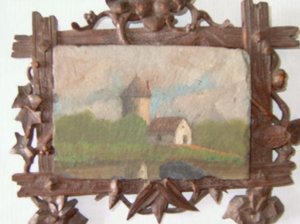
基本情報
- Artistic Movement Or Style: Pastoral landscapes
- Artists Or Movements Influenced By This Artist: ['Louis Ferdinand Elle the Elder']
- Artists Who Influenced This Artist:
- Anthony van Dyck
- Charles Errard
- Full Name: Ernest Louis Ferdinand Tener
- Nationality: French
- Notable Artworks:
- Bords de l'Oise
- Allée sous bois
- Paysage
- Place Of Birth: Oise, France